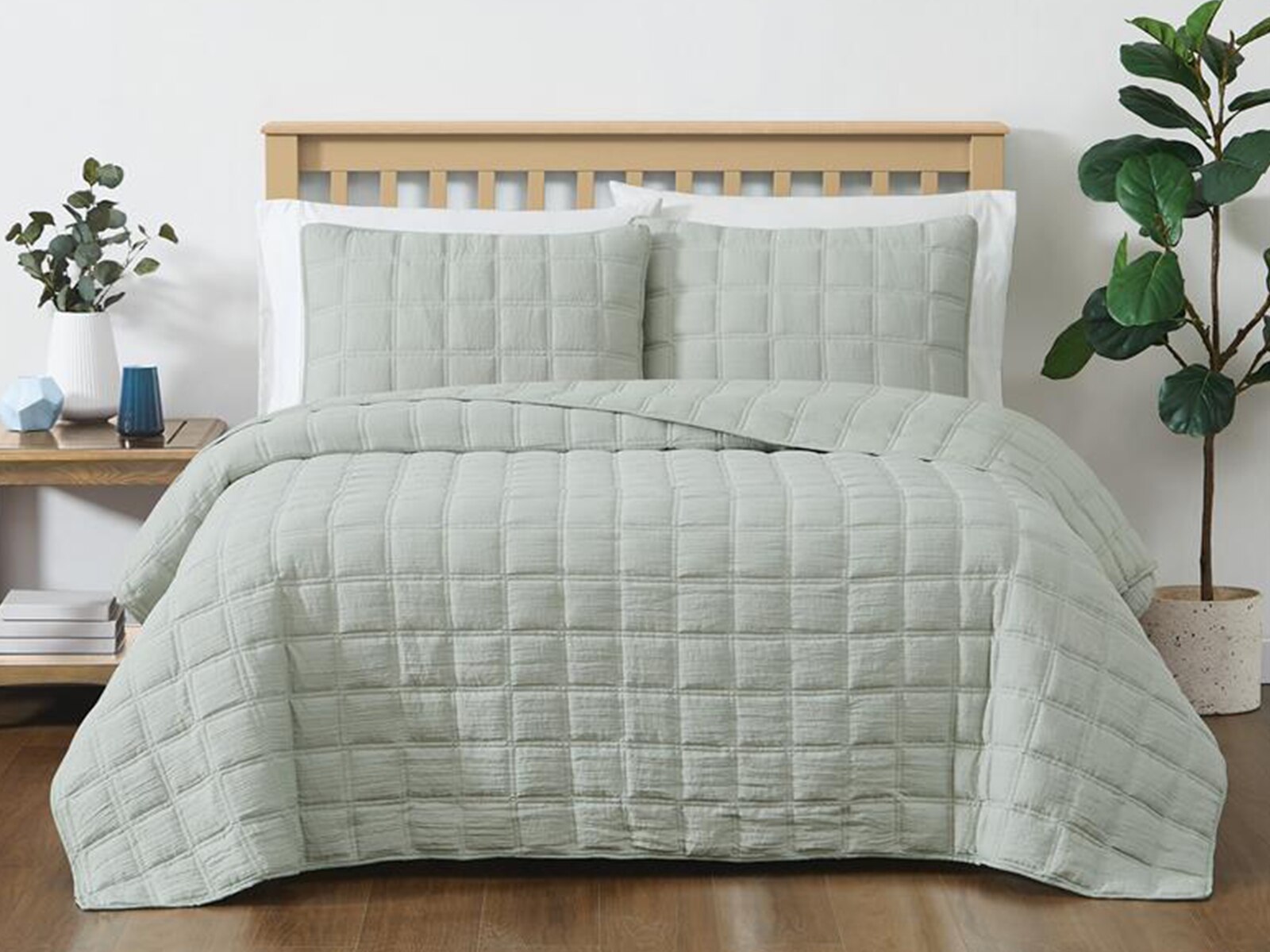
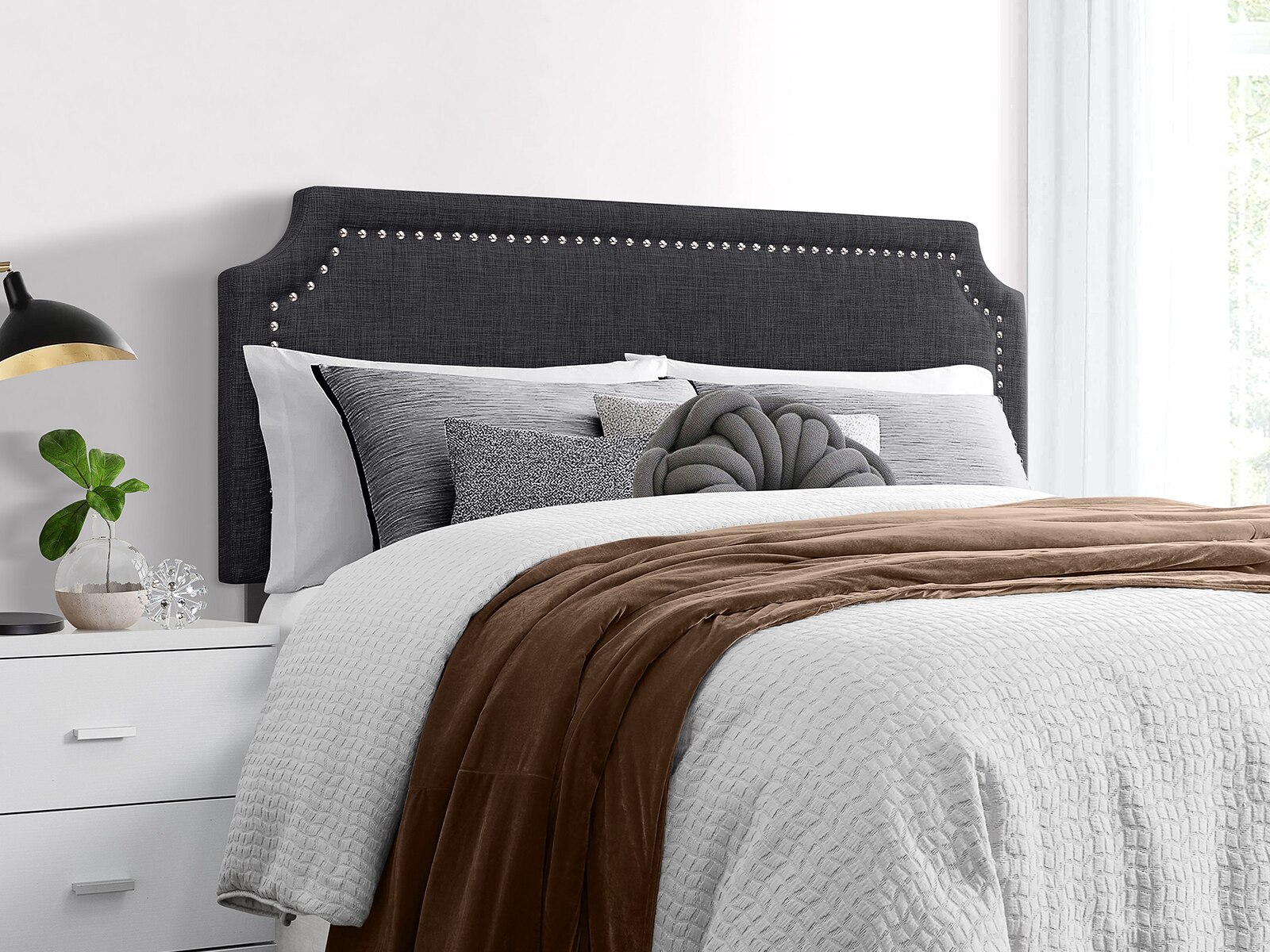
A bed is often the largest piece of furniture in a bedroom, so its shape, finish and proportions have a strong influence on how the whole room feels. Home decor beds bring that visual role together with the everyday need for dependable mattress support. An upholstered headboard adds softness behind crisp bedding, while a wood frame introduces grain and texture that can complement everything from painted nightstands to a woven rug. Metal frames offer another direction, with slender profiles that leave more of the wall and floor visible. The right look does not require every piece of bedroom furniture to match. A warm wood bed can sit comfortably beside a simple painted dresser, and a neutral upholstered frame can connect furnishings collected over time. Details such as curved corners, vertical stitching, open rails or a broad headboard give each style a distinct presence without requiring a heavily decorated room. Proportion matters just as much as finish: A tall headboard can anchor a spacious wall, while a lower profile may feel more balanced beneath a window or in a room with a sloped ceiling. The foot of the bed also changes the view. An open-ended frame keeps bedding easy to reach and can make a compact room feel less enclosed, while a footboard creates a more defined outline. For someone who likes to refresh a bedroom with pillows, artwork or a new duvet cover, a restrained frame offers a lasting backdrop. A more sculptural bed can serve as the focal point, allowing the rest of the furnishings to stay simple. These choices are about more than appearance alone. A bed used for reading before lights-out, sharing a room with a partner or welcoming overnight guests needs to feel comfortable within the room’s daily routines as well as look at home among its furnishings. Even the amount of frame visible around a tucked-in quilt or draped comforter contributes to the finished impression.
Behind the styling, materials and construction determine how a bed holds up to everyday use. Solid wood brings natural variations in grain and color, while wood veneer offers a real-wood surface over another material. Engineered wood construction varies, making the quality of joints, hardware and supporting components more useful than appearance alone when assessing a frame. Metal beds may have a light visual footprint, but their stability still depends on sound connections and an appropriate support system. Upholstered beds add another layer of choice through fabric texture, padding and seam construction. A tightly woven fabric may suit a frequently used bedroom, while a more textured covering gives a quiet space additional depth. In homes with pets, fabric weave, exposed corners and ease of cleaning deserve particular attention; no upholstery should be assumed to resist claws, shedding or spills. Routine care is usually straightforward when it follows the manufacturer’s directions. Wood finishes benefit from gentle dusting and protection from lingering moisture, metal surfaces need cleaning methods suited to their coating, and upholstery may allow light vacuuming with an appropriate attachment. Cleaning products should be suitable for the material, since a treatment intended for one surface can mark or damage another. The support beneath the mattress is equally important. A platform bed may use slats or a solid surface, while another frame may require a separate foundation. Mattress requirements for slat spacing, center support and foundation type help determine whether a frame and mattress belong together. Adjustable bases also require compatible construction and sufficient interior clearance rather than an assumption that any decorative frame will fit around them. A queen mattress needs a frame designed for that size, but the frame’s outside dimensions may extend well beyond the mattress itself. Headboard wings, wide side rails and substantial footboards all affect the space a bed occupies. Total bed height includes the frame, any required foundation and the mattress, influencing both the finished look and how comfortably someone can sit down, stand up or reach a bedside surface.
A well-chosen bed makes sense within the entire room, not just against the wall where the headboard rests. Space beside the mattress affects access to nightstands, closet doors and the path to the bedroom entrance. In a shared bedroom, room on both sides can make everyday movement more convenient, while a guest room may need to accommodate luggage or a chair without feeling crowded. Storage beds bring another practical consideration: Drawers need enough clearance to open fully, and lift-up compartments need unobstructed access along with careful use of their lifting mechanisms. Bedding, extra pillows and other belongings also need to stay within the storage area’s stated limits. Underbed clearance matters even without built-in storage, whether the goal is space for a vacuum or room for low storage containers. Delivery and assembly are part of the fit, too. A headboard that looks perfectly scaled in the bedroom still needs a workable route through doorways, stairwells and hallways, with space to position and assemble the frame as directed. For a first apartment, a main bedroom refresh or a guest space that serves more than one purpose, these practical details help connect personal style with lasting usefulness. The surrounding textiles can then add contrast: Smooth bedding against a textured headboard, a patterned rug beneath a simple frame or layered neutrals around a richly grained wood finish. The collection of
Beds For Stylish Homes offers another place to explore how different silhouettes can shape a bedroom’s character. A cohesive room does not depend on identical finishes or elaborate accessories. Repeated colors, balanced proportions and enough open space for daily routines often create a more settled result. With suitable mattress support, manageable care requirements and dimensions that respect the room, a decorative bed becomes a useful centerpiece rather than simply a statement. Its appeal lies in supporting the way the bedroom is used while giving the space a clear, personal sense of style.