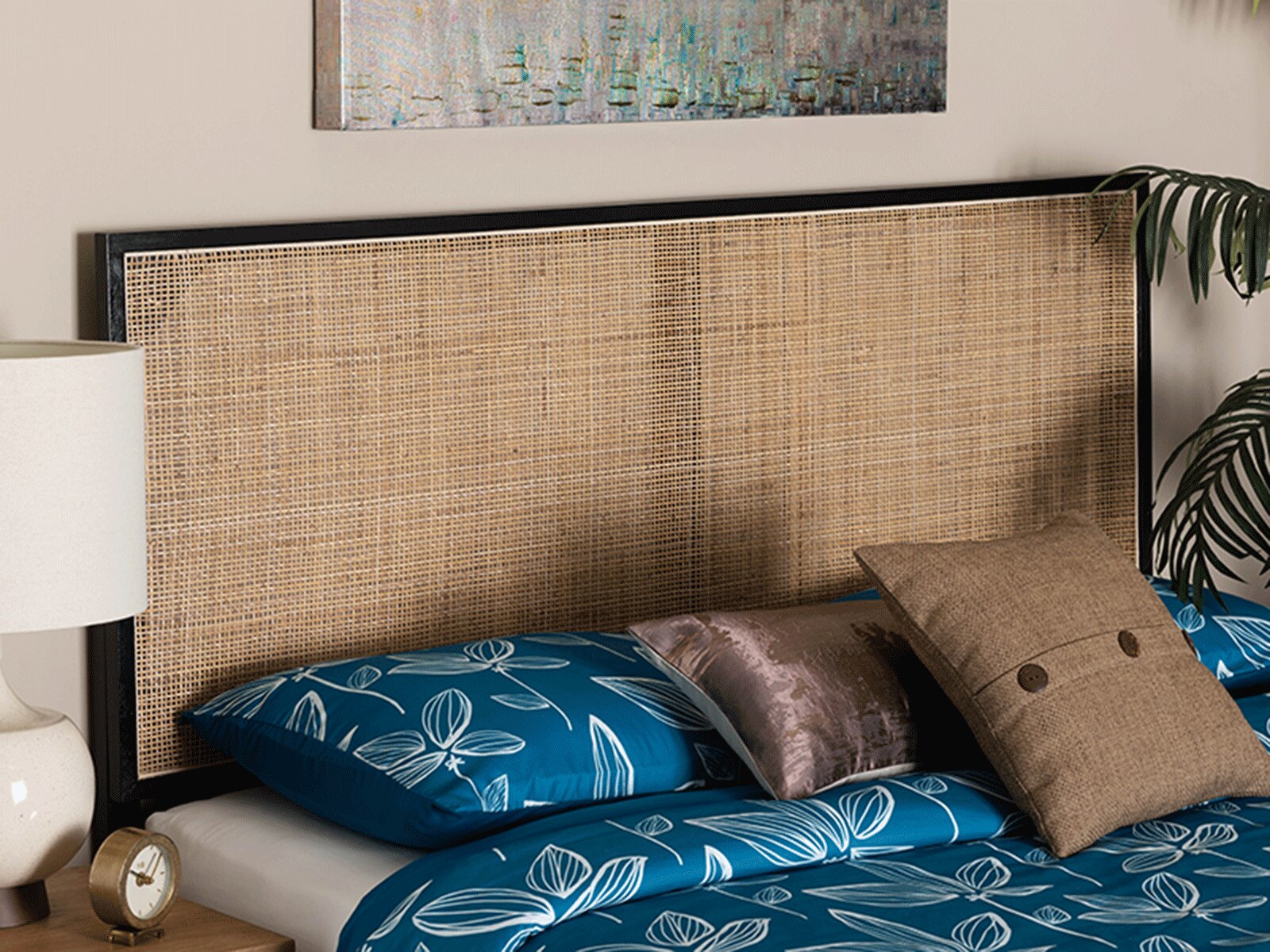
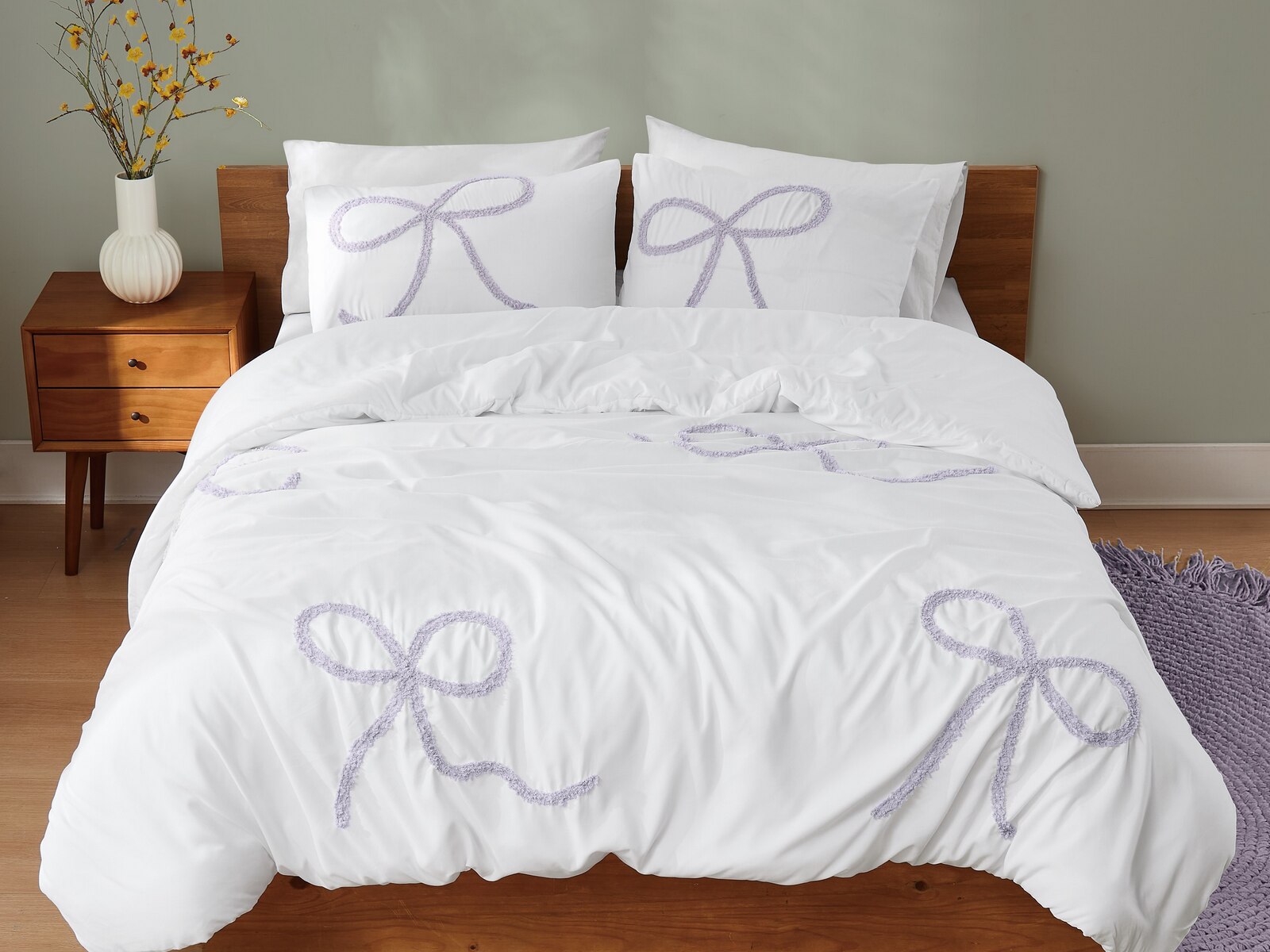
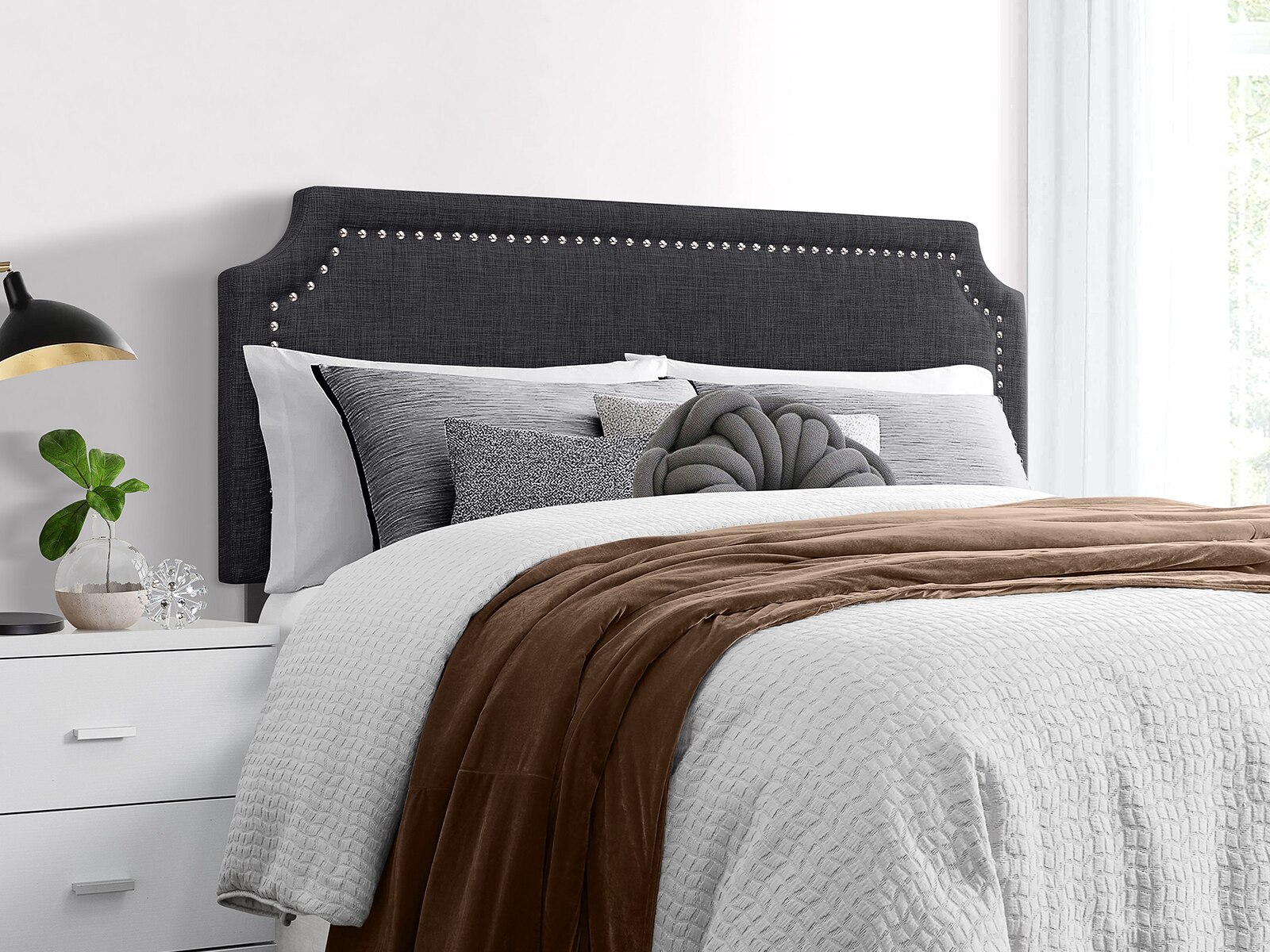
Bedroom decor for adults brings together comfortable bedding, thoughtfully proportioned furniture, layered lighting and personal accents to create a restful space that feels lived in rather than staged. A cohesive room does not need every finish to match. Repeating a few colors or textures can connect an upholstered headboard, wood furniture and soft textiles while leaving room for individual taste. Shades of ivory, taupe, navy and charcoal provide a flexible backdrop, while touches of muted clay or dusty blue add depth without making the room feel visually busy. The bed usually serves as the main focal point, so its shape and materials have a strong influence on the surrounding decor. A padded headboard lends softness and provides a cushioned surface for sitting up with a book, while a wood frame introduces visible grain and a more structured outline. Smooth upholstery feels understated; textured weaves create subtle contrast against plain bedding. Low-profile silhouettes can preserve an open feeling, while taller headboards give the bed a more prominent presence. The right proportions depend on more than mattress size. The outside dimensions of a frame, the height of the mattress and the space needed to open nearby drawers all affect how comfortably the room functions. In a smaller bedroom, furniture with a lighter visual profile can make the arrangement feel less crowded. A larger room can accommodate broader bedside surfaces or a bench without interrupting the path around the bed. For a shared bedroom, balanced lighting and reachable bedside storage help each person feel considered, even when the two sides are not identical. Modern, traditional and relaxed styles can all feel mature when the pieces relate to one another and serve a clear purpose. The most convincing spaces reflect everyday habits: a clear place to set down glasses, a comfortable surface to lean against and enough open space to move around without brushing past furniture. Those practical details give decorative choices a foundation that lasts beyond a change in taste.
Textiles bring much of a bedroom’s color, softness and tactile interest, making their materials as important as their appearance. Cotton bedding offers a familiar feel, with differences in weave creating distinct finishes. Percale typically has a crisp, matte surface, while sateen has a smoother drape and a subtle sheen. Linen has a more relaxed texture and visible character, making its natural creasing part of the look rather than something that needs to be pressed away. Blended fabrics can offer different combinations of softness, wrinkle resistance and care needs, depending on their construction. Fiber content, weave and finishing all contribute to how bedding feels, so thread count alone does not describe its quality or suitability. For an adult bedroom that feels composed without looking overly formal, a restrained mix of textures often works better than a large number of decorative layers. Smooth sheets beneath a textured coverlet, paired with a softly woven throw, create depth while keeping the bed approachable. Decorative pillows can repeat a color found elsewhere in the room, but leaving space to sit and providing somewhere to place them at night keeps the arrangement practical. Fit matters just as much as styling. Fitted sheets need enough pocket depth for the mattress and any topper, while a comforter or duvet should provide the preferred amount of coverage along the sides. A bed with a thick mattress may need different proportions than a lower-profile setup, even when both use the same mattress size. Everyday care deserves equal attention. Machine-washable layers can simplify regular upkeep, while removable covers make it easier to refresh frequently handled surfaces. The manufacturer’s care instructions remain the best reference for washing, drying and spot cleaning. Tightly constructed seams, securely attached trim and fabrics suited to frequent use are useful durability considerations. In homes with pets, densely woven surfaces and simpler detailing may be easier to maintain than loose loops or delicate embellishments. A room used every night benefits from textiles that feel comfortable in daily life, not just when the bed is freshly arranged.
Lighting, storage and finishing touches help bedroom decor work beyond the bed itself. Layered lighting provides flexibility: an overhead source supports everyday tasks, bedside lighting makes reading more comfortable and a softer accent light helps establish a quieter atmosphere before bedtime. Shades that diffuse the light can reduce harsh glare, while adjustable fixtures allow illumination to fall where it is needed rather than across the entire room. For someone who reads while a partner rests, separately controlled bedside lights can be especially useful. Cords, switches and charging locations also deserve consideration so that an attractive setup remains easy to use. Window coverings contribute both visual softness and privacy; light-filtering materials preserve a diffused daytime glow, while room-darkening options help limit outside light. Their effectiveness depends on fabric, placement and coverage, including gaps around the edges. Storage supports the same sense of calm without requiring a bare room. A bedside drawer can hold small necessities out of sight, a tray can give everyday objects a defined place and enclosed storage can keep extra bedding close at hand. Decorative surfaces feel more intentional when there is still room for a glass of water or a book. Artwork, a mirror or a few meaningful objects can add personality without filling every wall and tabletop. Mirrors need secure mounting appropriate to their weight and the wall surface, and reflective placement works best when it does not direct unwanted light toward the bed. These details matter in a first apartment, an established primary bedroom or a guest room designed for adult visitors. Soft bedding and versatile accent textiles can also make thoughtful housewarming or wedding gifts when the recipient’s preferred colors, mattress dimensions and care preferences are known. For coordinating practical foundations with decorative layers,
Bedroom Essentials For Adults connects naturally with a bedroom centered on comfort and everyday function. A personal room does not need to look perfectly matched; it needs materials, proportions and finishing details that make sense together and feel comfortable to return to each day.