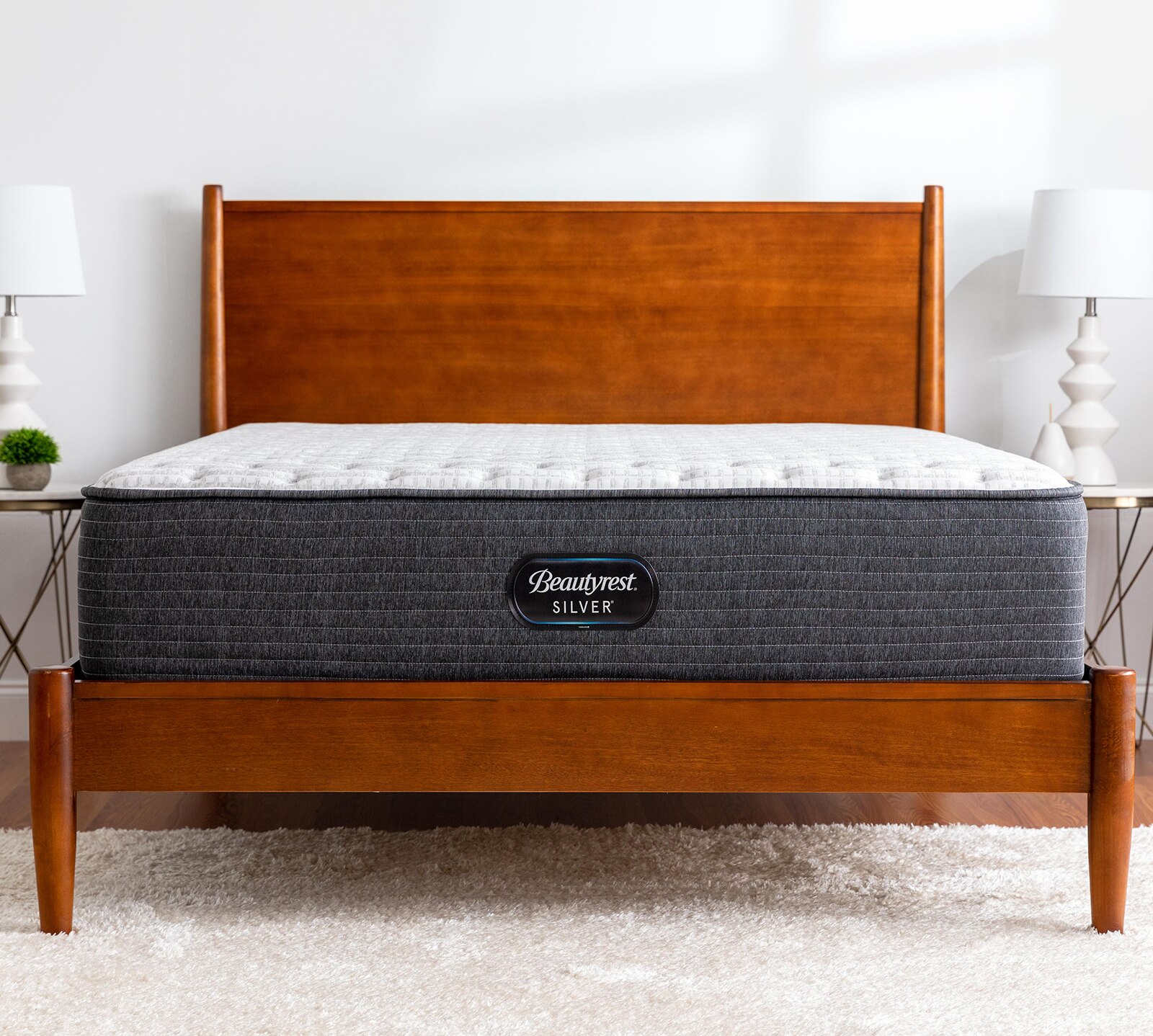
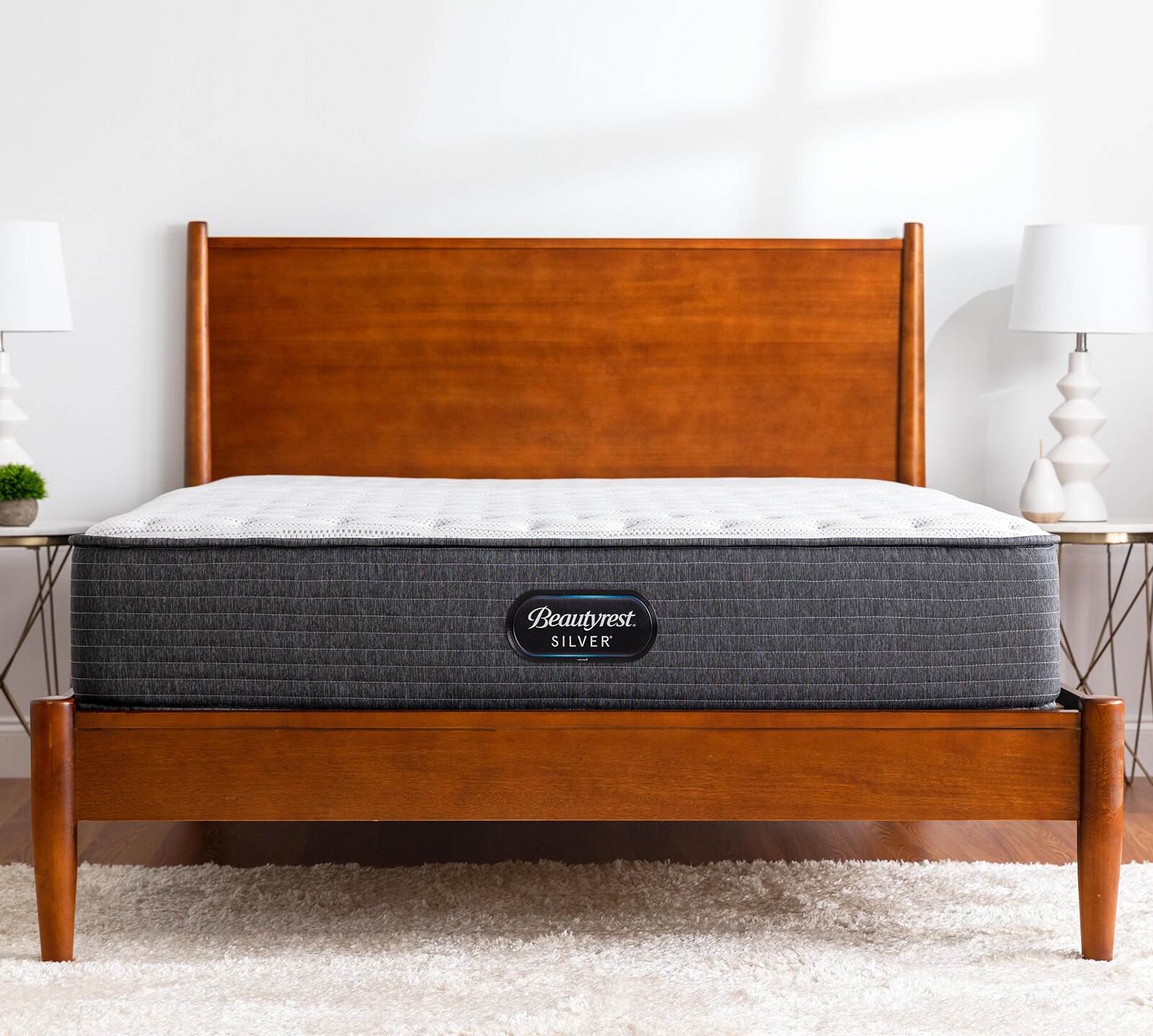
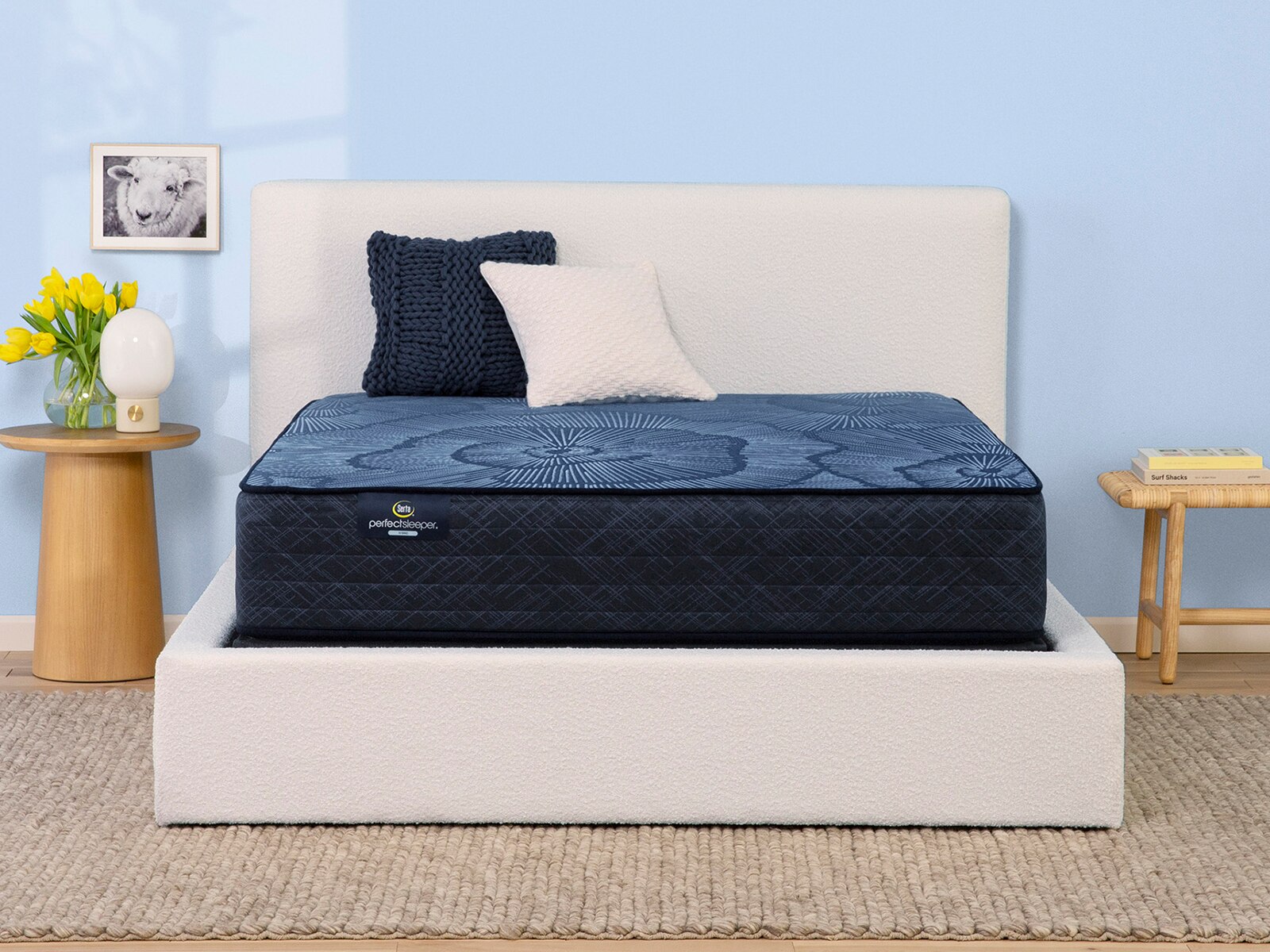
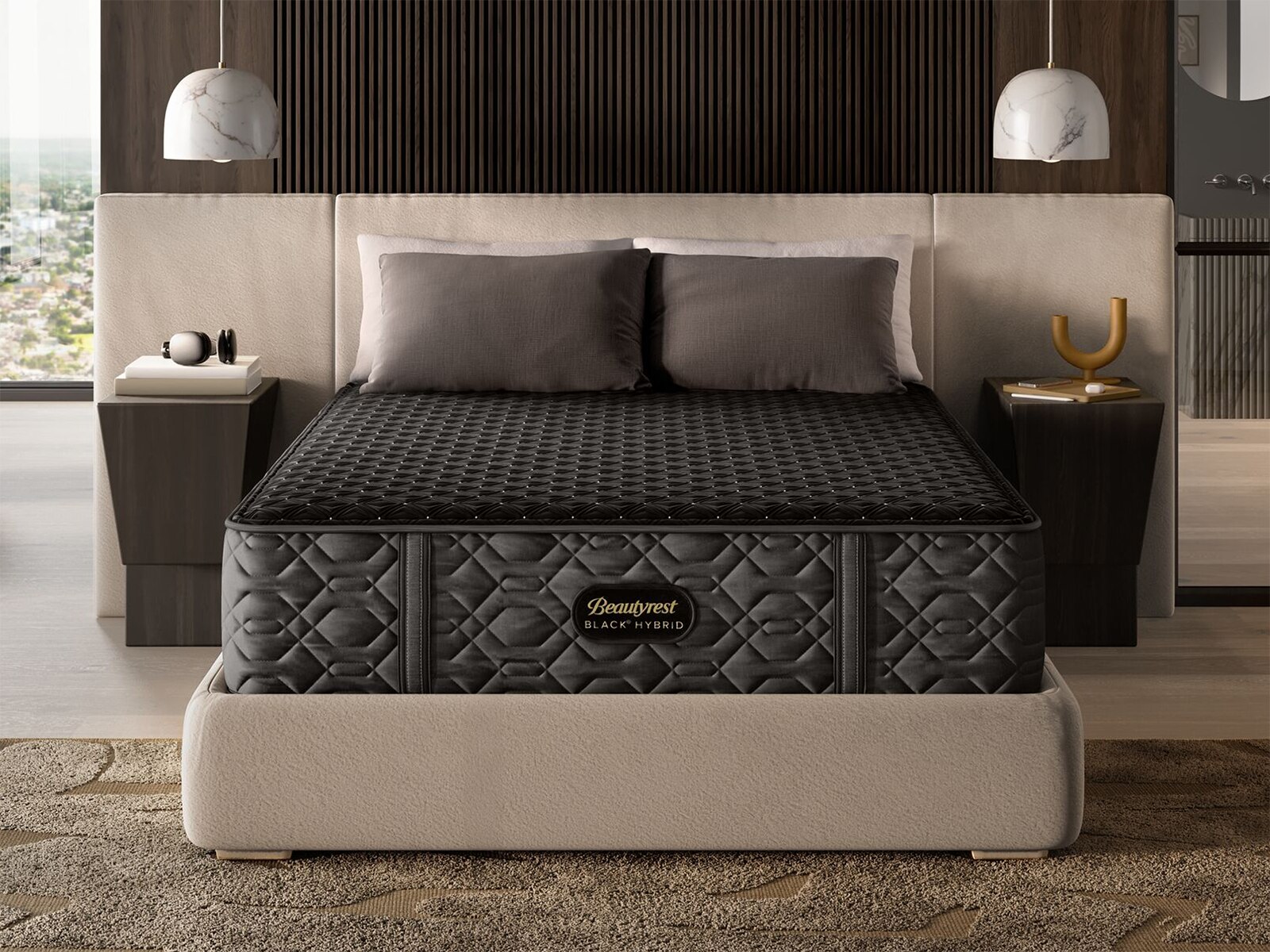
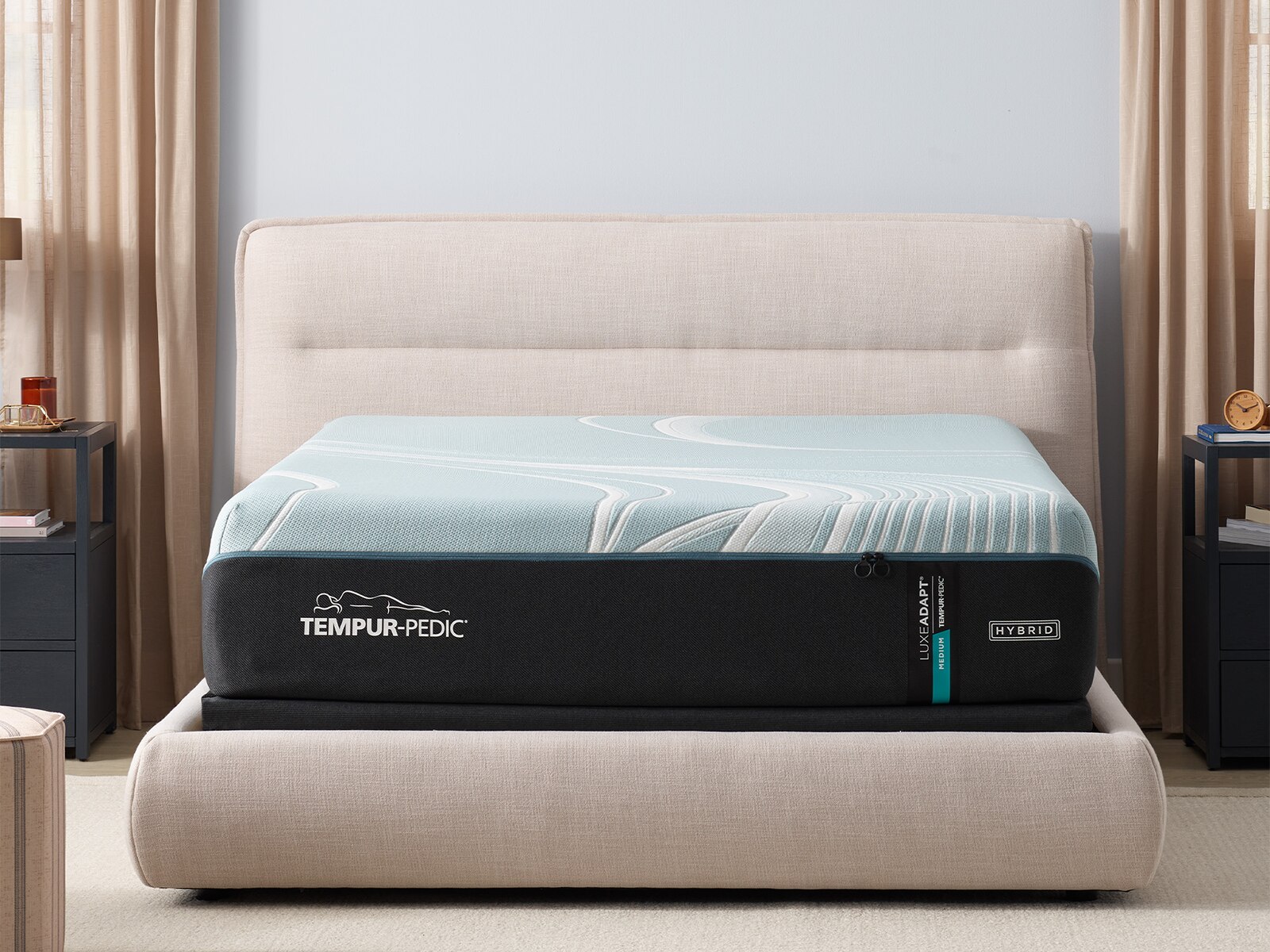
Body conforming queen mattresses are designed to cushion the body’s curves while providing support beneath them. A standard queen measures 60 inches wide by 80 inches long, offering room for a solo sleeper to stretch out or for two people to share a bed. The conforming feel comes from comfort materials that compress beneath areas such as the shoulders and hips, helping distribute body weight across the sleep surface rather than concentrating it at a few pressure points. That cushioning can be especially appealing to side sleepers, whose shoulders and hips need room to settle without leaving the waist unsupported. Back sleepers may appreciate a surface that follows the curve of the lower back while keeping the pelvis from sinking too deeply. Stomach sleepers often need a firmer, more gently conforming feel to help prevent excessive dipping through the midsection. Body conforming does not automatically mean soft: a mattress can have a firm overall feel and still adapt closely to the person resting on it. The right balance depends on body weight, sleeping position and personal preference. A lighter sleeper may experience a mattress as firmer because less weight presses into its comfort layers, while a heavier sleeper may sink farther into the same construction. For someone who falls asleep on one side but wakes up on their back, ease of movement matters alongside cushioning. The surface should feel comfortable in both positions without making every turn feel like climbing out of a deep impression. When comparing feels, spending several minutes in a familiar sleeping position gives the materials time to respond. Notice whether the shoulder feels compressed, whether the hips settle comfortably and whether changing positions requires extra effort. A supportive match allows the body to rest in a comfortable, relatively neutral position; it should not require bracing a knee, twisting the torso or repeatedly shifting away from an uncomfortable spot. Comfort is personal, so the deepest contour is not necessarily the best fit.
The materials inside a body conforming queen mattress influence how that contour feels and how quickly it changes when the sleeper moves. Memory foam typically responds gradually to pressure, creating a close, cradling sensation as it follows the body’s shape. This slower response can appeal to sleepers who prefer a settled-in feel, and foam comfort layers can help absorb movement when a partner turns over. Other cushioning foams may respond more quickly, with less of the lingering impression associated with traditional memory foam. Latex generally has a more buoyant feel, compressing beneath the body while pushing back more promptly as weight shifts. Hybrid construction combines comfort layers with a coil support system, allowing contouring near the surface and a different degree of responsiveness underneath. Individually wrapped coils can move more independently than connected coil systems, although the complete mattress design determines the resulting feel. Layer thickness also matters. A substantial comfort section may allow deeper cushioning, while a thinner section can make the underlying support easier to notice. Neither arrangement is automatically better; a sleeper who wants a gentle cradle may prefer a different balance than someone seeking a more cushioned embrace. For couples, motion isolation and edge support deserve attention along with the center of the bed. A partner getting up early can create movement that travels across the surface, and a softer perimeter may feel less secure to someone who sleeps near the side. Sitting briefly on the edge and lying near it reveal different aspects of support. Durability likewise depends on the full construction rather than a single material label. Foam density, coil design, layer quality and everyday use all affect how well a mattress maintains its comfort and support. Foam density is not the same as firmness, so a firmer feel alone does not establish how long a mattress will last. Close contouring under body weight is expected; a lasting depression after the surface has had time to recover is a different consideration.
A queen mattress works well in many primary bedrooms and guest rooms, but its fit includes more than the space occupied by the sleep surface. A frame, headboard and surrounding furniture add to the footprint, and leaving comfortable walking space makes changing sheets and getting into bed easier. Measuring doorways, stair turns and the intended bed frame can prevent practical frustrations before setup. For two adults, a standard queen provides about 30 inches of width per person, making individual space preferences worth considering. A solo sleeper furnishing a smaller bedroom may also compare
Full Conforming Comfort Mattresses, since a standard full measures 54 inches wide by 75 inches long. The queen’s additional width and length can be useful for a taller sleeper or someone sharing the surface. Once the size is settled, the foundation needs equal attention. A body conforming mattress requires the type of support specified by its manufacturer, including appropriate slat spacing and center support where required. Compatibility with an adjustable base should be confirmed rather than assumed. Bedding can influence the feel, too: sheets with enough pocket depth stay in place more easily, while an overly tight protector can restrict how freely the surface conforms. A washable mattress protector helps keep everyday moisture and spills away from the comfort layers. Follow the care label for cleaning, blot spills promptly and let damp areas dry fully before replacing bedding. Avoid saturating foam, and rotate the mattress only as directed to help distribute regular use. Do not flip it unless the construction is specifically designed for both sides. Routine care also offers a chance to check the foundation for loose connections or damaged slats that could affect support. With suitable bedding, a compatible base and a feel matched to the sleeper, a body conforming queen mattress can provide a comfortable setting for everyday rest, whether the priority is cushioning a side-sleeping shoulder, settling in beside a partner or having more room to find a favorite position.