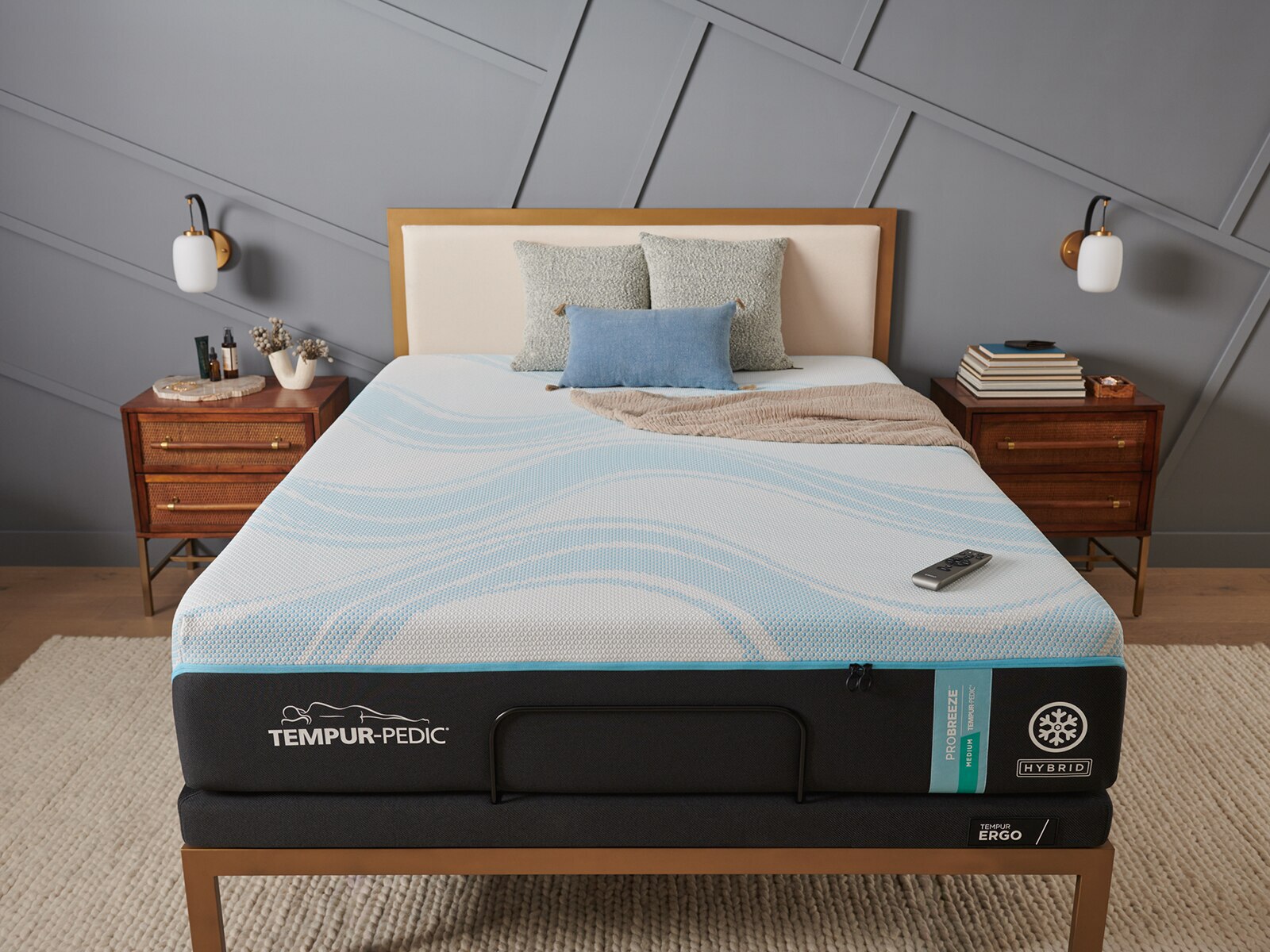
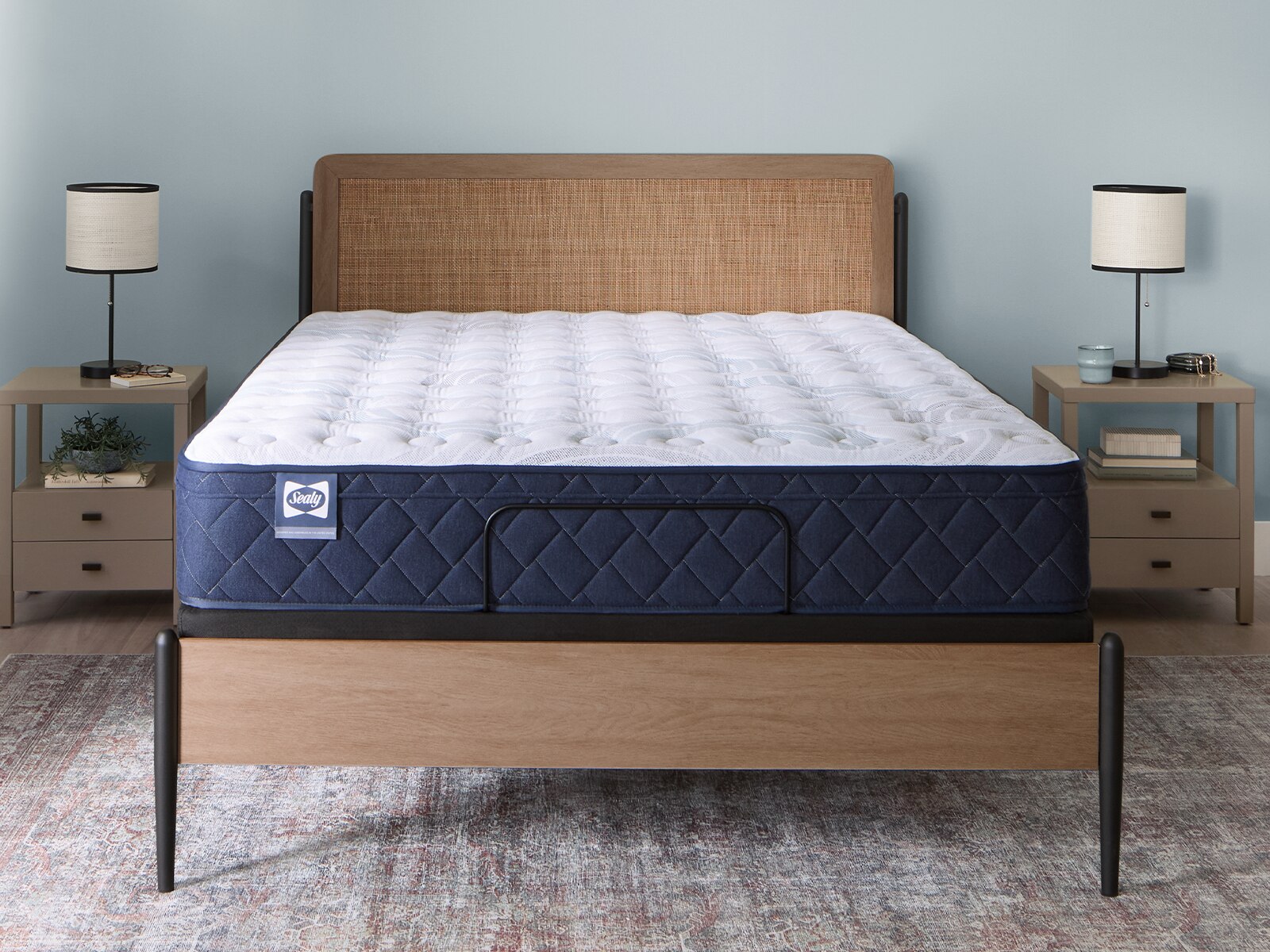
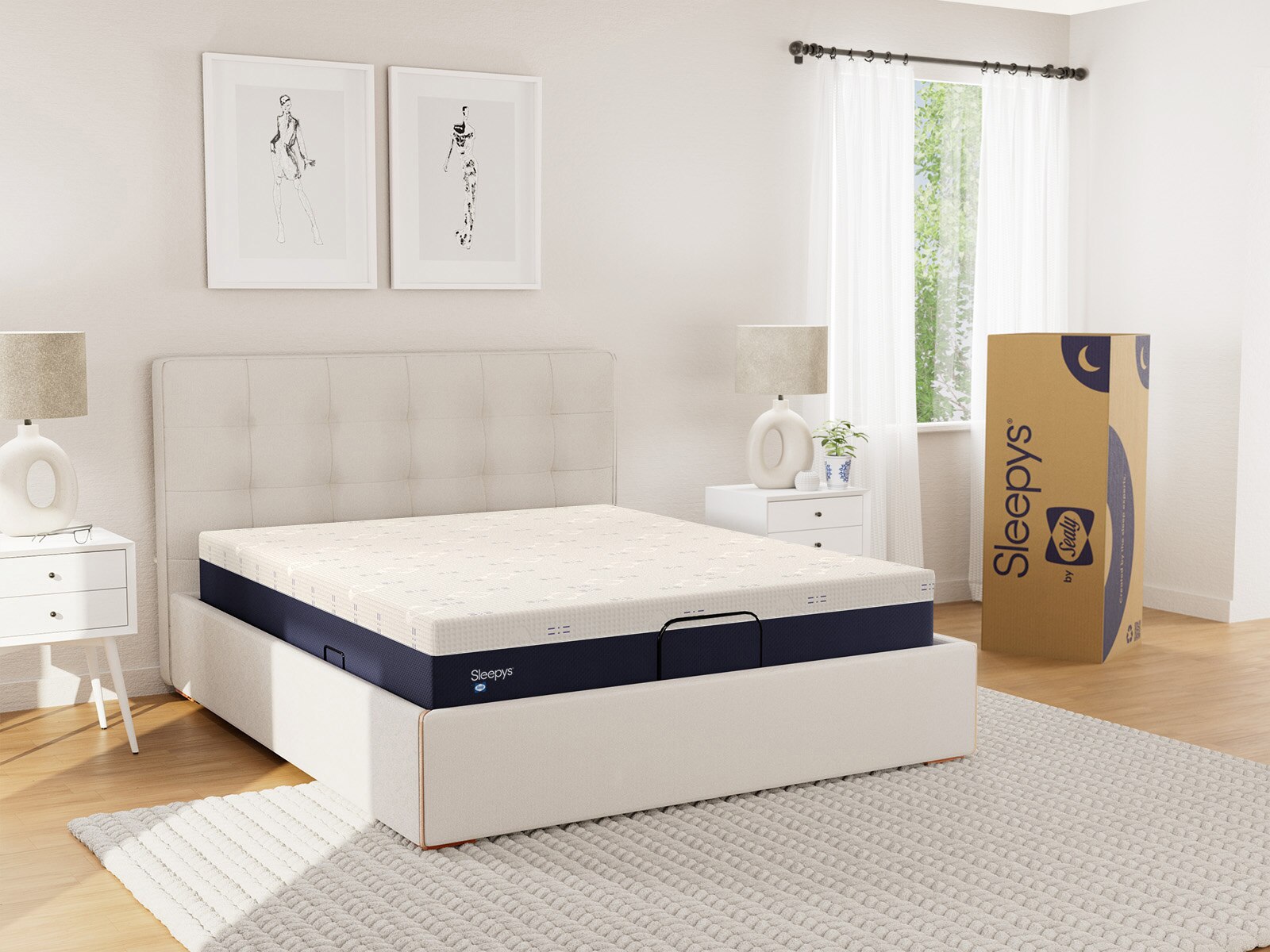
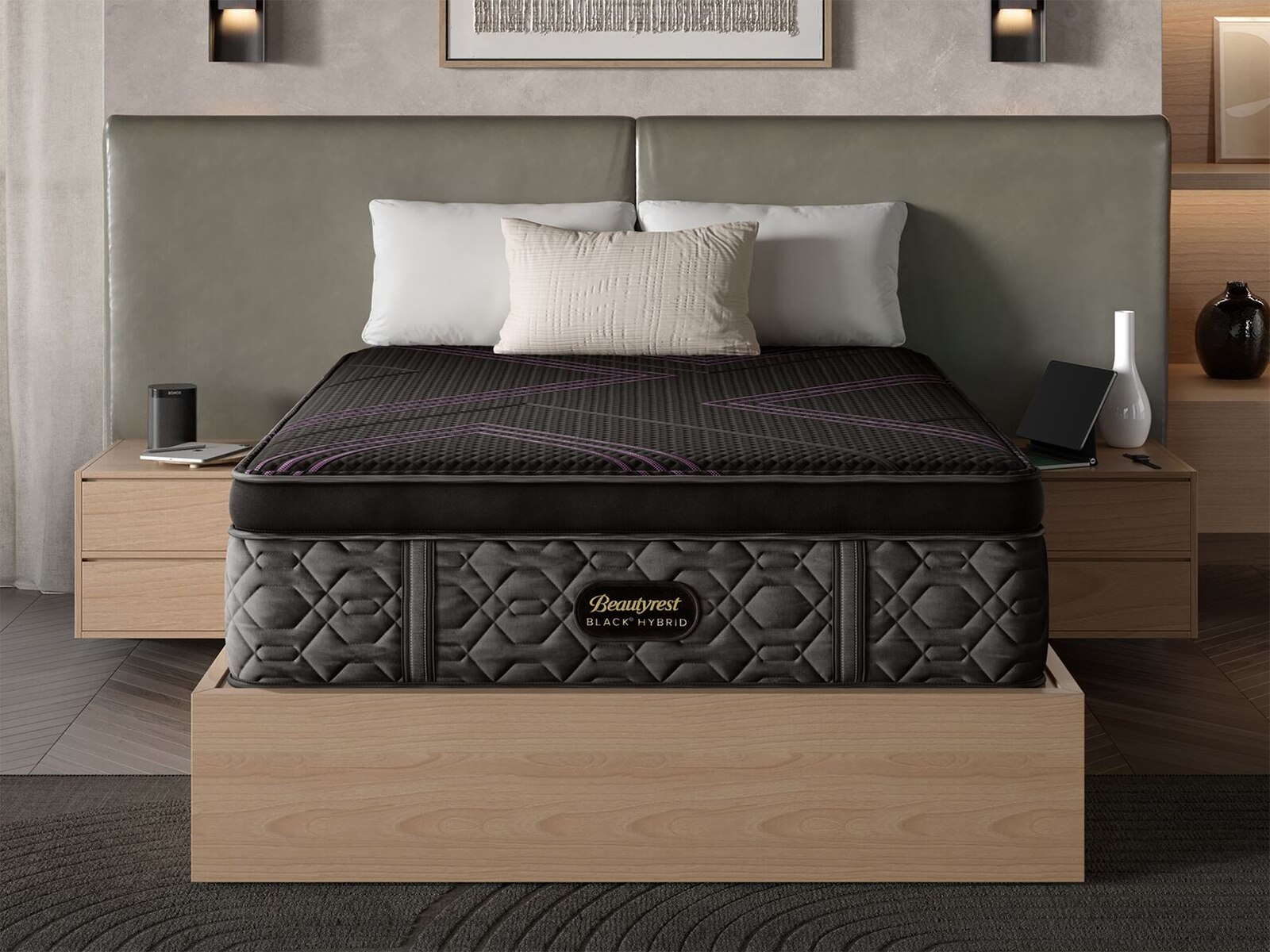
Breathable cotton mattresses for hot sleepers combine cotton at the sleep surface with a mattress construction designed to let air move through its layers. The cotton may appear in the cover, quilted padding or other comfort layers; the term does not necessarily mean the entire mattress is filled with cotton. That distinction matters because the materials beneath the cover influence both temperature and support. Cotton fibers absorb moisture, and an airy fabric construction can help that moisture evaporate rather than linger against the body. Still, cotton alone does not guarantee a cool or dry night. A tightly woven cover, thick padding or less ventilated layers underneath can change how the finished mattress feels after several hours. For someone who falls asleep comfortably but wakes feeling warm around the shoulders and back, the whole construction deserves attention—not just the fabric touching the sheets. An innerspring or hybrid design can provide space for air to circulate around the coils, while a foam design’s breathability depends on its composition, structure and layering. Latex can offer a more buoyant feel, although its effect on temperature also depends on the surrounding materials. Cotton batting adds a different texture from a thin cotton cover and may create a denser, more traditional surface. Neither approach is automatically better for every hot sleeper. A smooth, lightly padded cover may appeal to someone who prefers less cushioning overhead, while a quilted surface can provide a softer first impression. Fiber content, fabric weight and the thickness of the comfort layers help explain these differences more clearly than a cooling label alone. The most useful comparison is between complete mattress constructions: how the cover feels, how deeply the body settles and how readily the layers allow heat and moisture to move away. A breathable surface should complement comfortable support rather than serve as a substitute for it.
The right fit also depends on sleep position, body size and whether the mattress is shared. A side sleeper may appreciate enough cushioning for the shoulder and hip to settle without feeling pressed against a hard surface. A back sleeper may prefer a more balanced feel that supports the lower back without excessive sinking, while a stomach sleeper often benefits from support that keeps the midsection from dipping too far. These are starting points rather than fixed firmness rules. A mattress that feels gently cushioning to one person can feel quite firm to another, and a breathable cotton cover does not determine that response on its own. Deeper contouring places more of the mattress surface against the body, which can influence perceived warmth; a more buoyant construction may feel less enveloping. Neither sensation predicts comfort for everyone. For couples, temperature preferences can differ as much as firmness preferences. One person may throw off a blanket while the other keeps it tucked around the shoulders. A breathable mattress can be part of a comfortable shared setup, but separate lightweight blankets may make individual adjustments easier. Motion isolation, usable edge support and enough room to change positions matter here, too. A queen or king can give partners more space, provided the mattress fits the room and leaves comfortable walking space beside the bed. Mattress height deserves equal attention: a thick comfort section changes the overall bed height and may require deeper fitted sheets. Compatibility with the intended foundation or adjustable base should come from the mattress specifications, since the wrong support can affect performance and longevity. These considerations make cotton-covered mattresses relevant to a primary bedroom, a guest room used by visitors with different sleep preferences or a first apartment where one mattress needs to suit everyday routines. Across those settings, the goal is the same: a sleep surface that feels inviting at bedtime and remains supportive through the night.
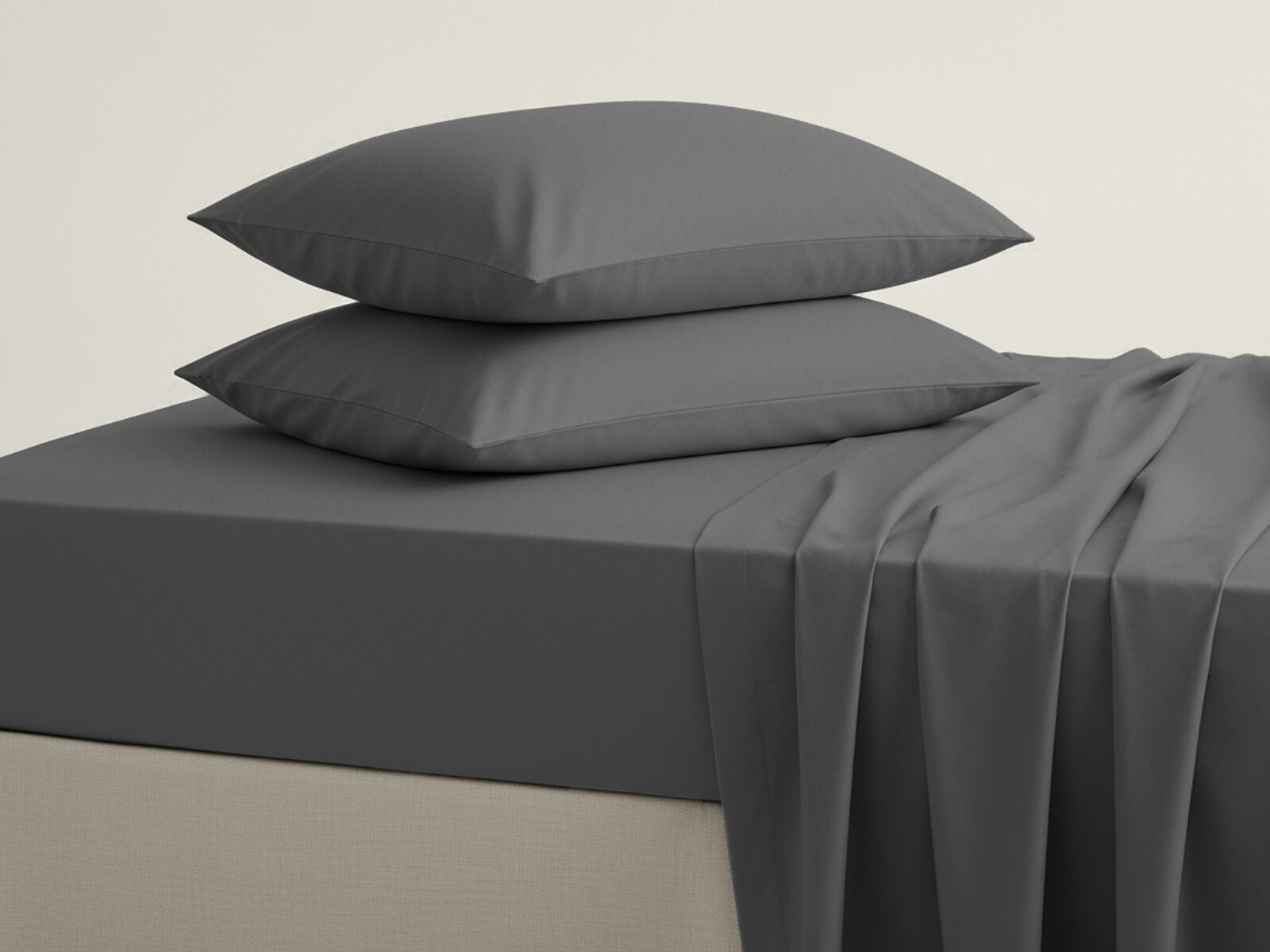
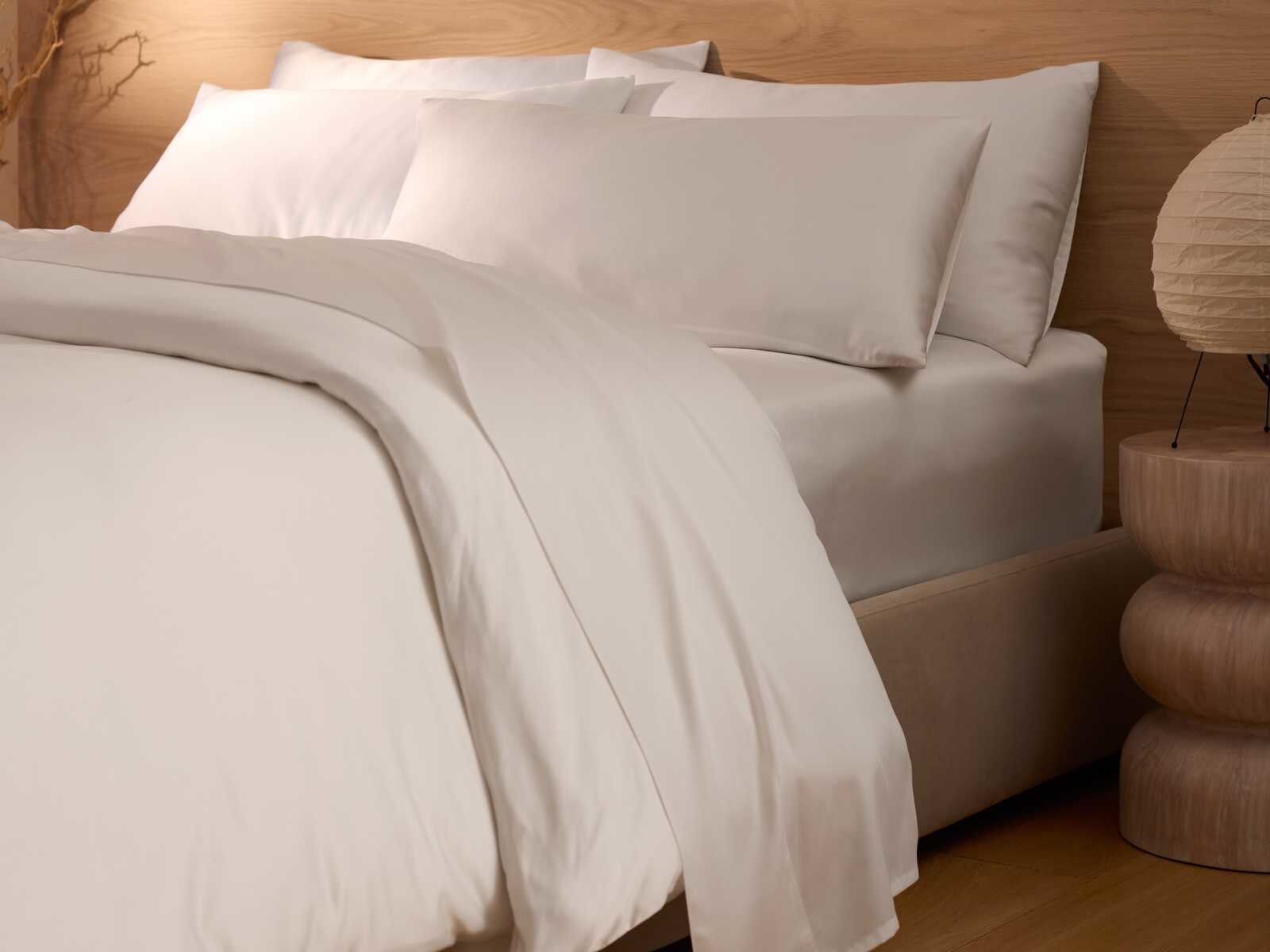
Bedding and everyday care help preserve the benefits of a breathable cotton mattress. A lightweight, breathable fitted sheet allows more of the mattress surface’s feel to come through, while a thick topper or heavily padded protector can change both airflow and cushioning. Waterproof protection can be useful, but its construction matters; some barriers feel warmer than others. Even a breathable mattress may feel different beneath several dense layers, so the complete bed deserves consideration when warmth is the main concern. For a broader view of constructions beyond cotton-covered options,
Breathable Mattresses For Hot Weather brings together another relevant category. Within any construction, cotton’s moisture absorption should not be confused with instant drying. Allowing bedding to air out and keeping the bedroom well ventilated can help moisture escape, especially after a restless night. Care instructions remain specific to the mattress: a cotton cover is not necessarily removable or machine washable, and a zipper does not always mean the cover should be taken off. Gentle surface cleaning, limited moisture and thorough drying are generally more appropriate than soaking upholstery, with the manufacturer’s directions taking priority. A suitable protector can reduce direct contact with perspiration and everyday spills without requiring frequent cleaning of the mattress itself. Durability depends on more than the cotton content. Stitching, quilting, foam quality, spring construction and the foundation all contribute to how consistently the bed supports the body over time. Cotton-filled padding can compress with use, and some surface settling is different from a loss of underlying support. Rotation may help distribute wear when the manufacturer recommends it, but flipping is appropriate only for a mattress specifically designed for use on both sides. For hot sleepers, lasting comfort comes from that combination of breathable materials, dependable support and manageable care. The strongest match is not simply the mattress with the most cotton; it is the one whose cover, cushioning and support work together for the person sleeping on it.