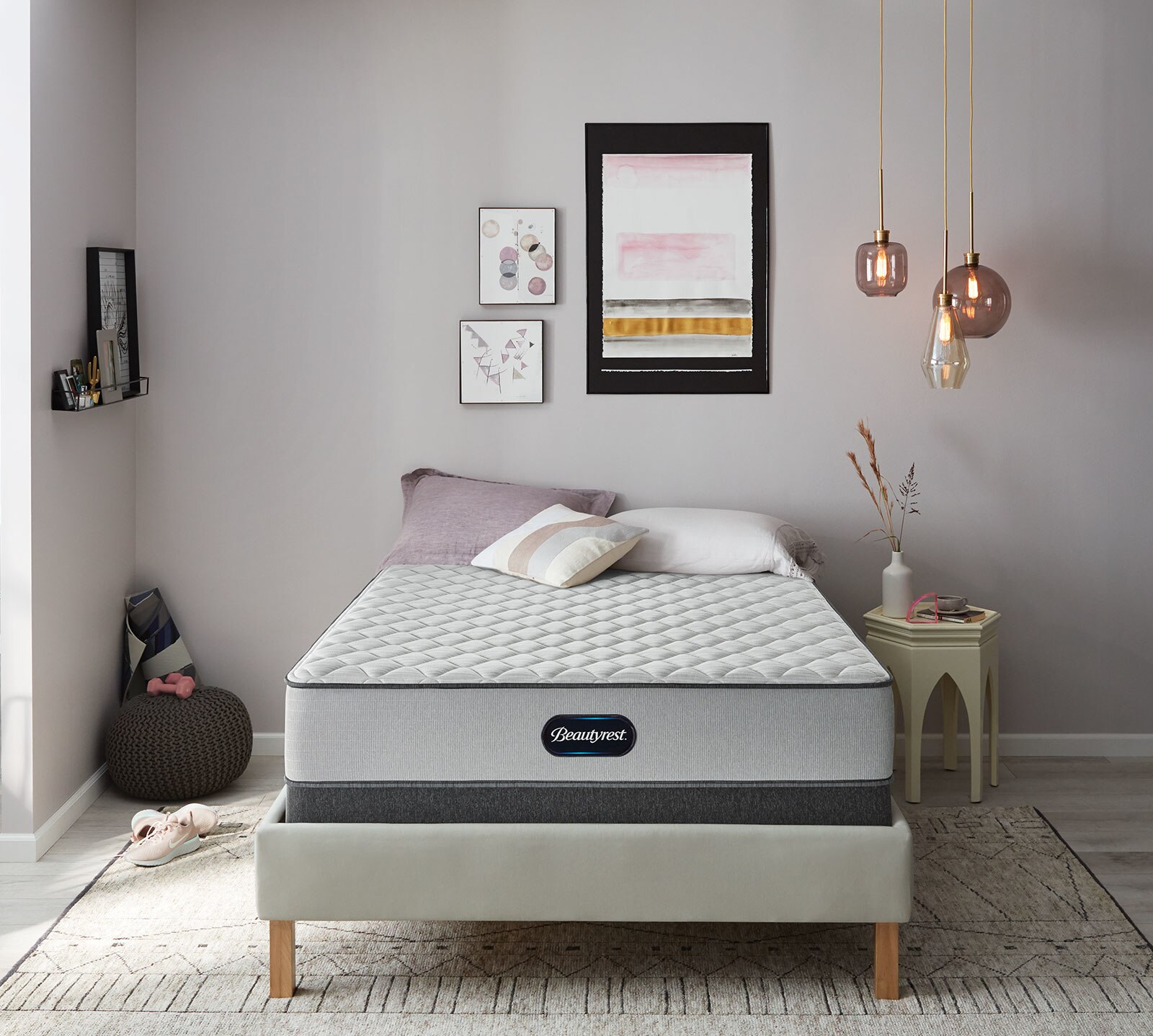
Breathable Twin XL mattresses pair an extended single-sleeper size with materials and construction designed to let air move through the sleep surface. A standard Twin XL mattress measures approximately 38 inches wide by 80 inches long, making it five inches longer than a standard twin without taking up additional width. That extra length gives taller teens and adults more room to stretch out, while the narrow footprint works well in college bedrooms, shared spaces and compact guest rooms. Breathability describes how readily air passes through a mattress rather than how cold it feels when first touched. Airflow can help heat and moisture move away from the body, although the overall sleeping experience also depends on bedding, the foundation and individual preferences. Several mattress constructions can support that airflow. Innerspring mattresses have open space around their coils, while hybrids combine a coil support system with cushioning layers that may include foam or latex. Foam mattresses may use open-cell structures, perforations or channels to encourage air movement, but performance depends on the complete design rather than a single feature. Perforated latex can provide ventilation alongside a responsive feel that allows sleepers to change positions without sinking deeply into the surface. Memory foam offers closer contouring, with breathability varying according to its structure, thickness and surrounding layers. A lightweight knit cover may also allow more airflow than a heavily padded surface, though the fabric alone does not determine how the mattress performs. Some materials feel cool initially or are designed to absorb and release heat, but those features are not the same as continuous ventilation. For someone who often wakes with warmth concentrated beneath the shoulders or back, the useful comparison is how the cover, comfort layers and support core work together. Breathable construction should complement comfortable cushioning and steady support, not take their place. A mattress can allow air to circulate and still feel plush, balanced or firm, so airflow does not require choosing a harder sleep surface.
Finding a comfortable fit starts with sleep position, body proportions and the way the mattress responds under weight. Side sleepers often benefit from cushioning that lets the shoulders and hips settle without leaving the waist unsupported. Back sleepers may prefer a more even surface that supports the lower back, while stomach sleepers generally need enough resistance beneath the midsection to limit excessive sinking. These are starting points rather than fixed rules: the same mattress can feel firmer to a lighter sleeper and softer to someone with a heavier build. Combination sleepers may appreciate responsive materials that make turning from side to back feel less effortful. Deep contouring can create a more enveloping sensation, while a buoyant surface keeps the body closer to the top of the mattress. Neither feel automatically guarantees better breathability, so consider the comfort layers and airflow features together. For a tall student whose feet reach the end of a standard twin, the additional length of a Twin XL can make a noticeable difference without crowding a small bedroom. For an adult guest room, supportive edges may be useful when sitting to put on shoes or getting into bed. Two Twin XL mattresses placed side by side form the standard dimensions of a king mattress, approximately 76 inches wide by 80 inches long. This split arrangement allows each sleeper to choose an individual feel, though the center seam remains and the base must accommodate both mattresses. Adjustable-base use also requires checking the mattress manufacturer’s compatibility requirements. Mattress height matters in everyday use, too: a thicker mattress changes the finished bed height and may require deeper fitted-sheet pockets. Measure the frame, foundation and nearby furniture rather than judging fit by the mattress dimensions alone. For lofted or bunk-style beds, follow the bed manufacturer’s maximum mattress-height limits and guardrail requirements. A breathable Twin XL mattress should fit both the sleeper and the space safely, with enough clearance for bedding changes and routine care.
The layers placed above and below a mattress can influence how well its breathable design works. A thick topper, densely padded protector or tightly woven bedding may change the surface feel and reduce airflow, even when the mattress underneath includes ventilation features. Lightweight sheets and a properly fitted protector can help preserve a less restrictive sleep surface, but fiber type is only part of the picture; fabric construction, thickness and added treatments matter as well. Cotton and linen are common sheet materials, though neither guarantees a particular sleep temperature. A waterproof protector can be useful for everyday spills, especially in a student bedroom or guest room, but its membrane may affect airflow and feel. When comparing
Breathable Twin Mattress Covers, check the listed dimensions carefully because a standard twin cover is generally too short for a Twin XL mattress. Fitted bedding should match both the mattress length and its depth so the corners stay secure without pulling tightly across the surface. Underneath, use the foundation or slat system specified by the mattress manufacturer; suitable support helps maintain shape and prevents uneven loading. Avoid placing a mattress directly on the floor unless the manufacturer permits it, since reduced ventilation underneath can allow moisture to collect. Long-term durability depends on the quality of the comfort layers, the support system, sleeper use and ongoing care, not simply whether a mattress includes airflow channels or cooling materials. Rotate the mattress only as directed, and do not flip a one-sided design unless its care instructions specifically allow it. Keep bedding clean, address spills promptly and avoid saturating foam or upholstery during spot cleaning. Let any cleaned area dry completely before replacing sheets or a protector. These practical details help protect the mattress while preserving the comfort features that made it appealing. The most suitable breathable Twin XL mattress brings together adequate length, comfortable support, compatible bedding and a construction that suits the sleeper’s preference for contouring or responsiveness.