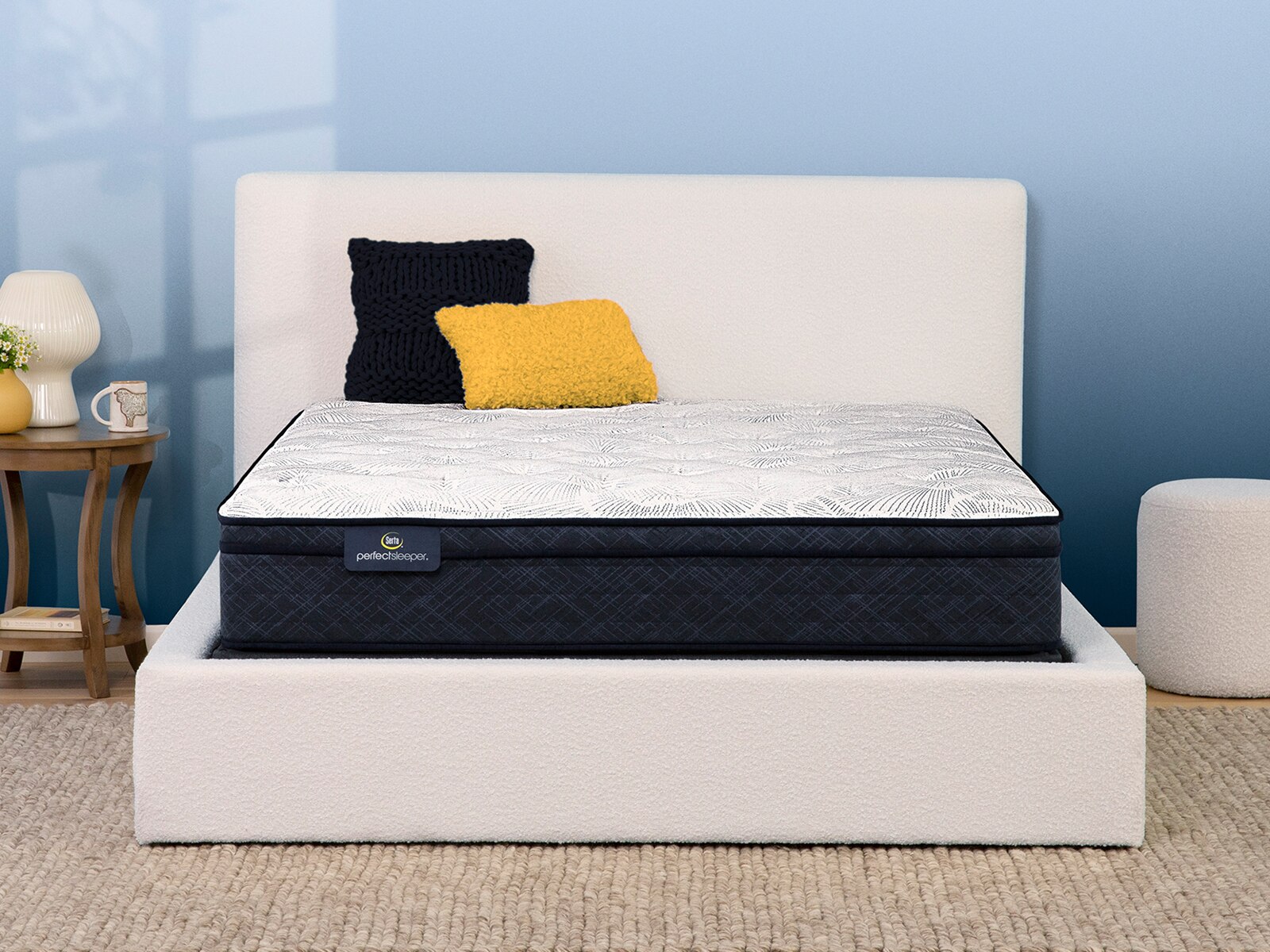
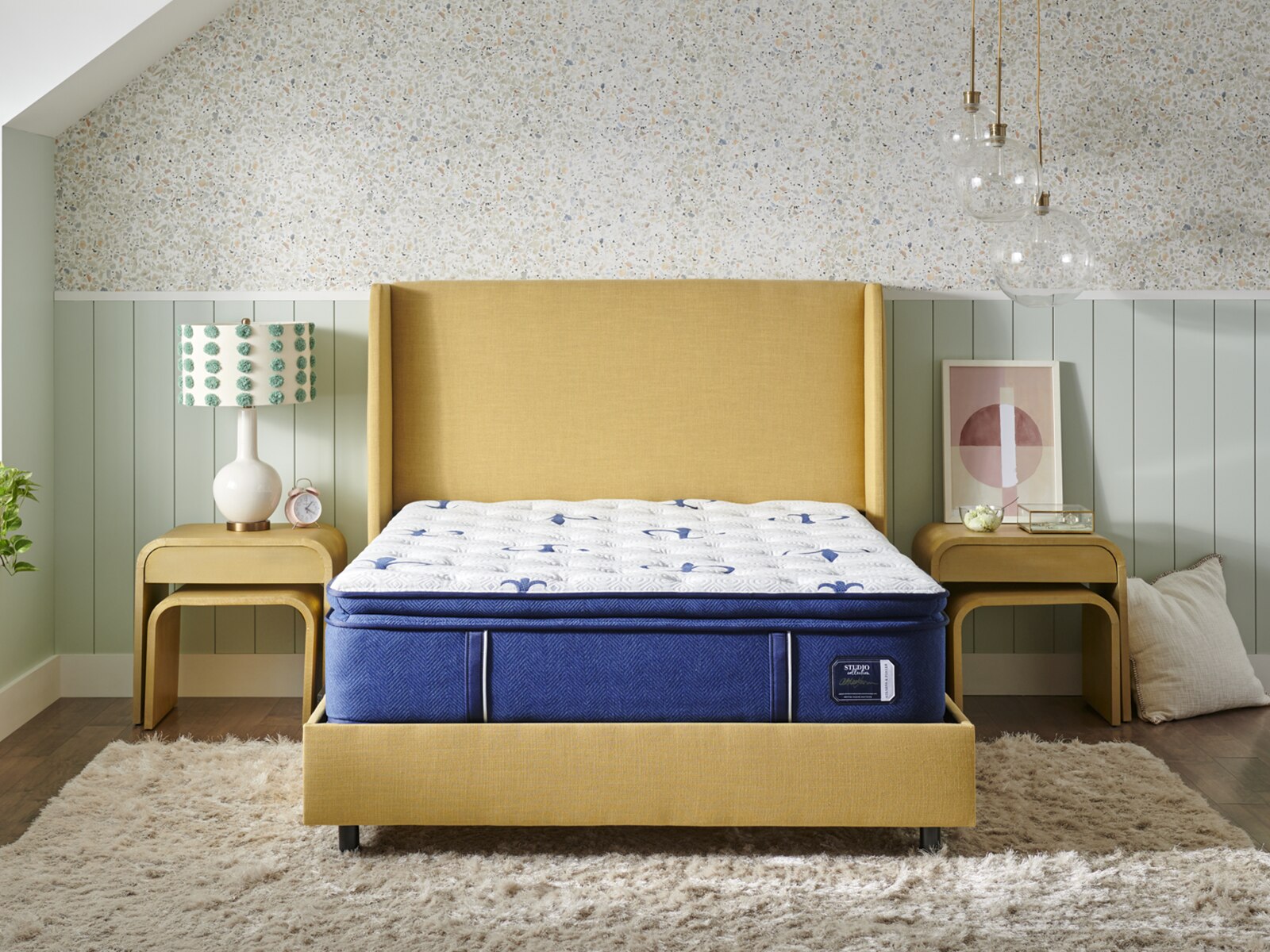
Breathable twin mattresses are designed to encourage airflow through the sleep surface and interior, helping body heat and moisture move away from the sleeper. That airflow depends on the entire construction, not just a fabric cover or a cooling label. Open-cell foam has an interconnected structure that allows air to move more freely than through some denser foam designs, while perforated foam includes small channels that create additional pathways for ventilation. Latex comfort layers may also feature perforations, pairing a responsive feel with space for air to circulate. Innerspring and hybrid constructions leave open space around their coils, although the thickness and composition of the layers above those coils still influence how the surface feels. A hybrid mattress combines a coil support system with foam, latex or other comfort materials, offering cushioning without relying entirely on a solid foam core. Gel-infused foam may help manage the sensation of heat, but gel alone does not establish how breathable a mattress will be. The cover, quilting, comfort layers and support core all play a role. Breathable fabrics can allow air exchange at the surface, while moisture-wicking fibers help move perspiration away from the body. These are related benefits, but they are not interchangeable: a fabric can move moisture without making the entire mattress highly ventilated. Likewise, a cover that feels cool at first touch may not provide the same experience throughout the night. For someone who often pushes aside the blankets or notices warmth building beneath their shoulders and hips, the most useful comparison is how the layers work together. A lightly quilted surface over ventilated comfort materials may feel different from a deeply padded top, even when both mattresses include coils. Breathability also does not dictate firmness. A mattress can have a plush, medium or firm feel and still incorporate airflow features, so comfort and support deserve as much attention as ventilation. The goal is a sleep surface that feels comfortable beyond the first few minutes of lying down.
The twin size brings those construction choices into a compact footprint that works for many bedrooms and sleeping arrangements. A standard twin mattress typically measures about 38 inches wide by 75 inches long, making it practical for a child’s bedroom, a shared room with separate beds or a smaller guest space. Exact dimensions can vary slightly, so the bed frame and mattress measurements should match before bedding is selected. Taller sleepers may need the extra length of a Twin XL, which is typically about 38 inches wide by 80 inches long; standard twin sheets and frames are not always interchangeable with that longer size. For a child moving into a larger bed, consider the combined height of the frame, foundation and mattress so getting in and out feels manageable. For an adult furnishing a compact room, allow enough space beside the bed to move comfortably and change the sheets. Bunk beds and trundles require particular attention to mattress thickness and the bed manufacturer’s limits, including the clearance needed beneath an upper guardrail. An extra-thick mattress is not automatically a better fit. Sleeping position matters, too. Side sleepers often prefer enough cushioning to accommodate the shoulders and hips, while back and stomach sleepers may benefit from a feel that limits excessive sinking around the middle. Body size and personal preference affect these needs, so firmness descriptions are a starting point rather than a universal rule. Someone who changes positions frequently may appreciate responsive materials that make turning easier. Someone who sits along the edge to put on socks may value a more stable perimeter. In a guest room, a balanced feel can suit a range of preferences, while a mattress used every night deserves close attention to the primary sleeper’s habits. Breathable twin mattresses can also suit separate beds in a shared bedroom, where each person needs an individual comfort level. Even within the same size, differences in cushioning, responsiveness and edge construction can make two sleep surfaces feel noticeably different.
Bedding and everyday care help preserve the benefits of a breathable mattress. A tightly fitted stack of heavy layers can change the feel of an otherwise ventilated surface, so consider sheets, protection and any added topper as part of the sleep setup. Lightweight cotton or linen sheets can allow air to circulate, while weave, fabric weight and finishing also influence how airy the bedding feels. A topper adds another comfort layer and may alter both support and airflow, especially if it creates deeper cushioning around the body. When choosing
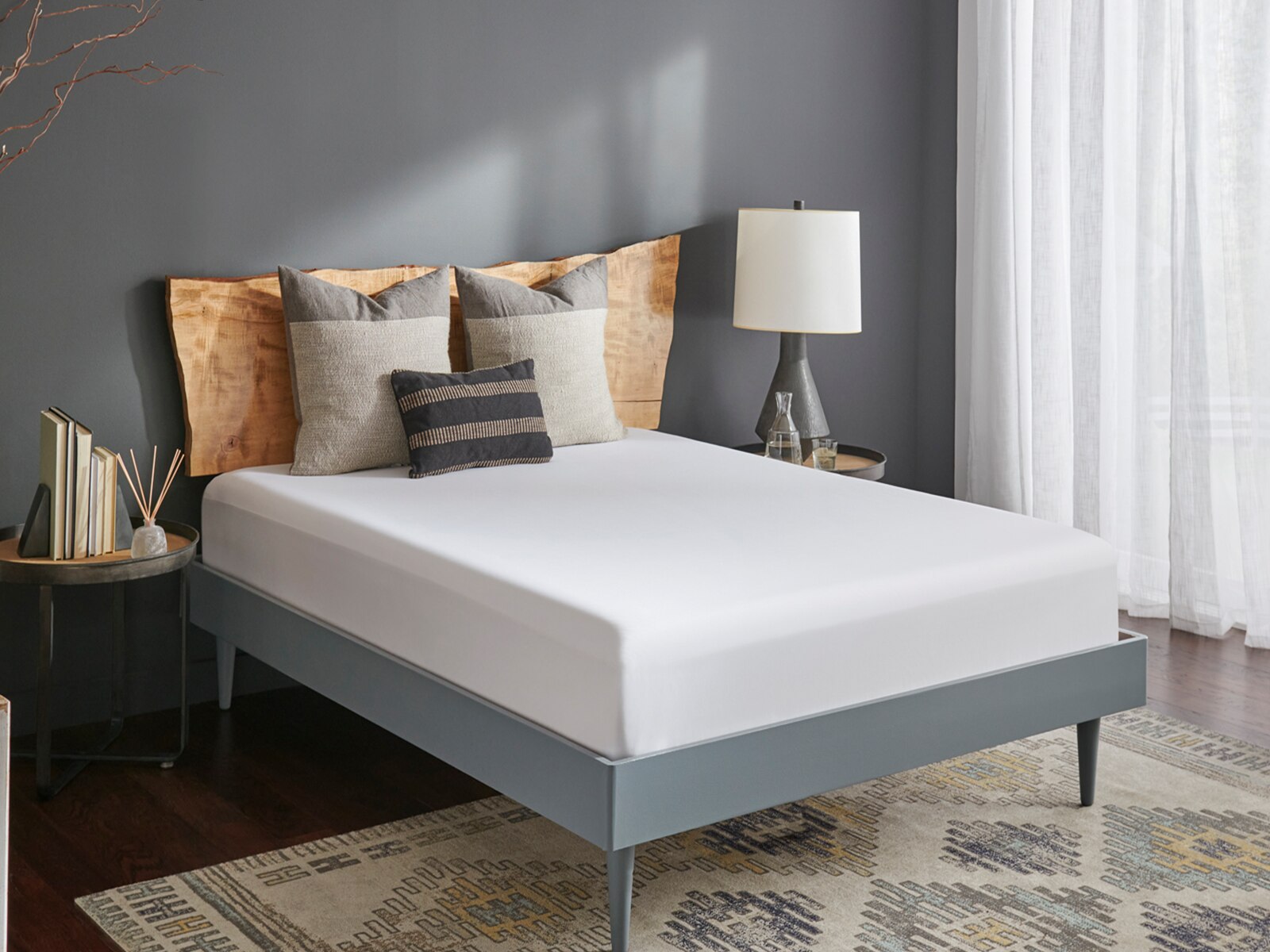
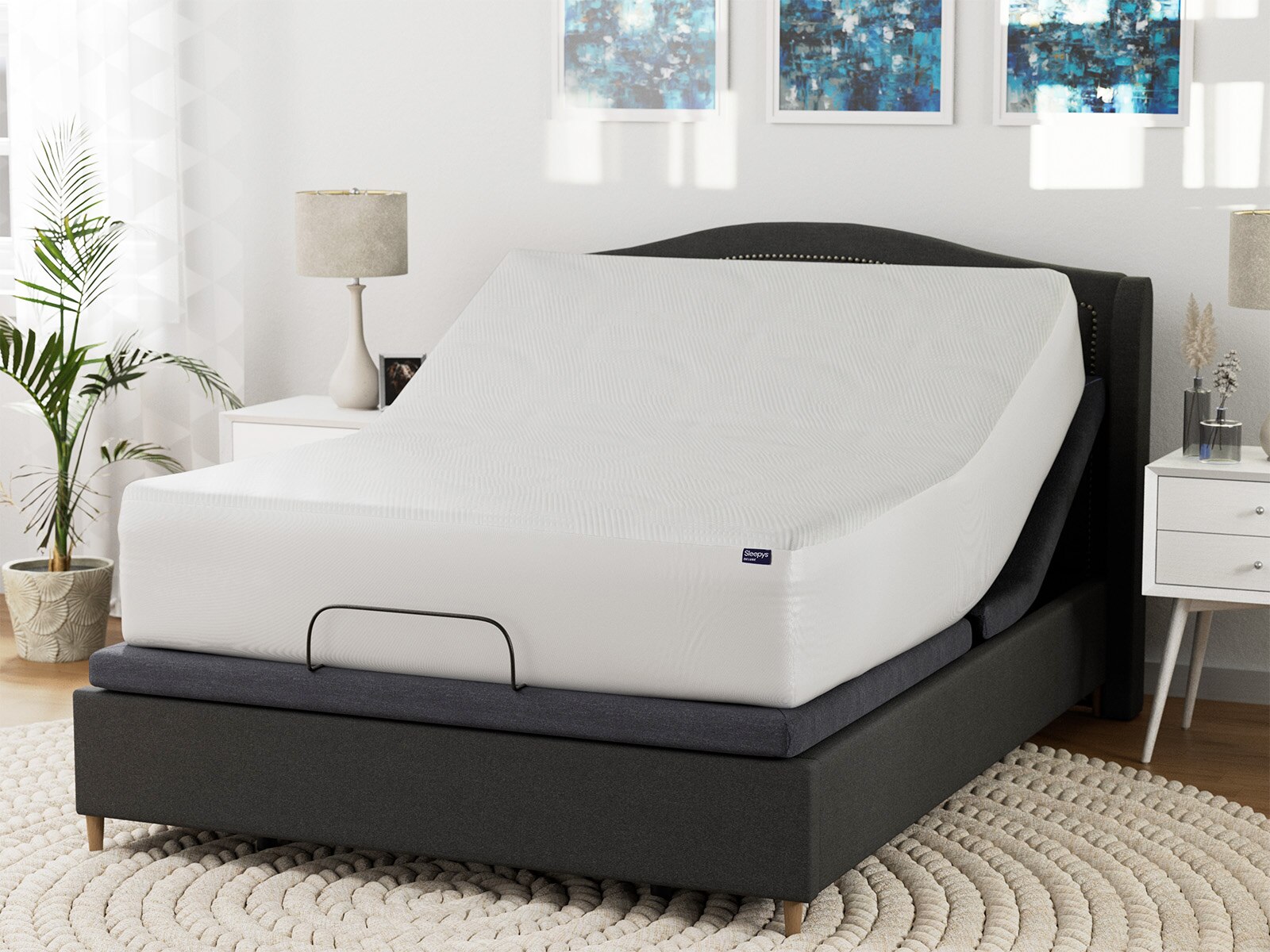
Breathable Twin Mattress Covers, check the construction carefully: a waterproof barrier may affect airflow differently from a fabric-only cover, and a removable cover is not necessarily machine washable. Pocket depth matters as well, since a cover stretched over a mattress that is too tall can pull at the corners or compress the surface. Follow the mattress manufacturer’s cleaning directions, address spills promptly and avoid soaking foam or upholstery. Unless the care instructions say otherwise, spot cleaning and allowing the area to dry completely are generally more appropriate than saturating the mattress. Use the foundation or platform recommended for the construction, including any requirements for slat spacing and center support. Proper support helps the mattress maintain its shape; it also prevents the sleep surface from feeling different because the base underneath is flexing or sagging. Rotate the mattress only as directed, and do not flip it unless it is designed for use on both sides. Durability depends on the quality of the comfort materials, the support system, the sleeper’s use and consistent care—not thickness alone. Over time, pay attention to lasting impressions, uneven support or changes in comfort rather than judging condition only by the appearance of the cover. A well-matched breathable twin mattress balances ventilation with dependable support, an appropriate fit and bedding that lets its construction do its job.