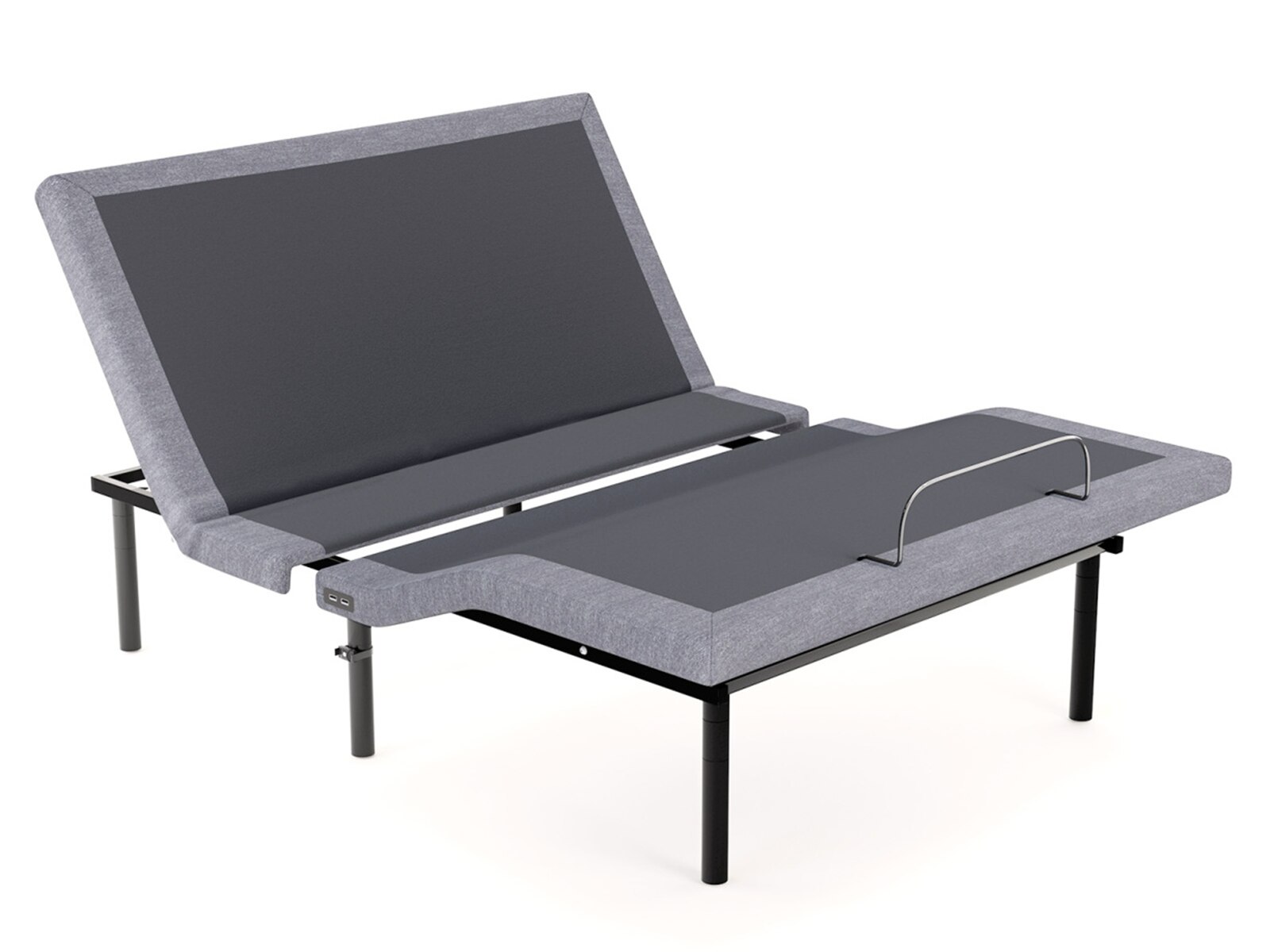
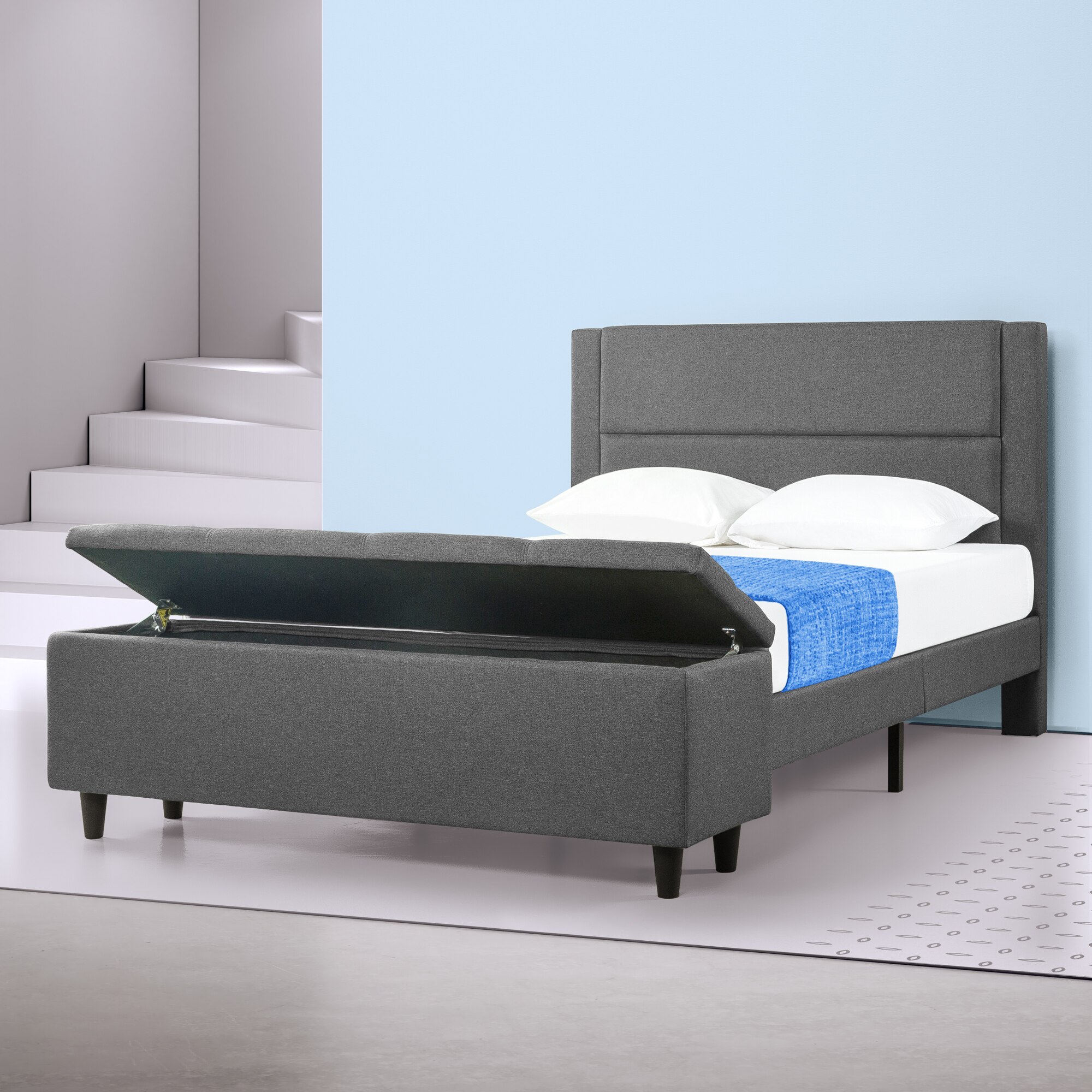
A comfortable bedroom combines a supportive mattress, soft bedding, pillows that suit the sleeper and a calm, uncluttered setting. Each element contributes something different: the mattress provides the underlying feel, bedding adds texture and gentle lighting helps the room feel restful. Comfort is personal, so a plush surface is not automatically a better fit than a firmer one. A mattress should feel welcoming while providing enough support to keep the body from settling into an uncomfortable position. Side sleepers often appreciate cushioning around the shoulders and hips, while back and stomach sleepers may prefer a more supportive feel that limits excessive sinking. Body size, preferred position and individual preferences all influence that balance. Foam contours around the body, spring systems offer a more responsive feel and hybrid constructions combine cushioning layers with coils. The way these materials are arranged matters as much as their names, since thickness, density and construction affect how a mattress feels and holds up over time. For partners sharing a bed, motion isolation and usable space can be especially important when one person turns frequently or follows a different bedtime routine. A comfortable bedroom also needs a bed that fits the room rather than simply filling it. There should be enough space to move around the mattress, open drawers and reach everyday essentials without squeezing through narrow gaps. The combined height of the frame, foundation and mattress affects how easily someone can sit down or get up. A mattress and its supporting base should also be compatible, including any requirements for slat spacing or an adjustable foundation. In a smaller bedroom, a simple bed frame and thoughtfully sized bedding can create a settled look without overwhelming the space. In a larger room, a generously proportioned bed can provide room to stretch while still leaving clear paths around it. These practical details help make the bedroom feel comfortable during ordinary moments, from getting dressed to settling in with a book.
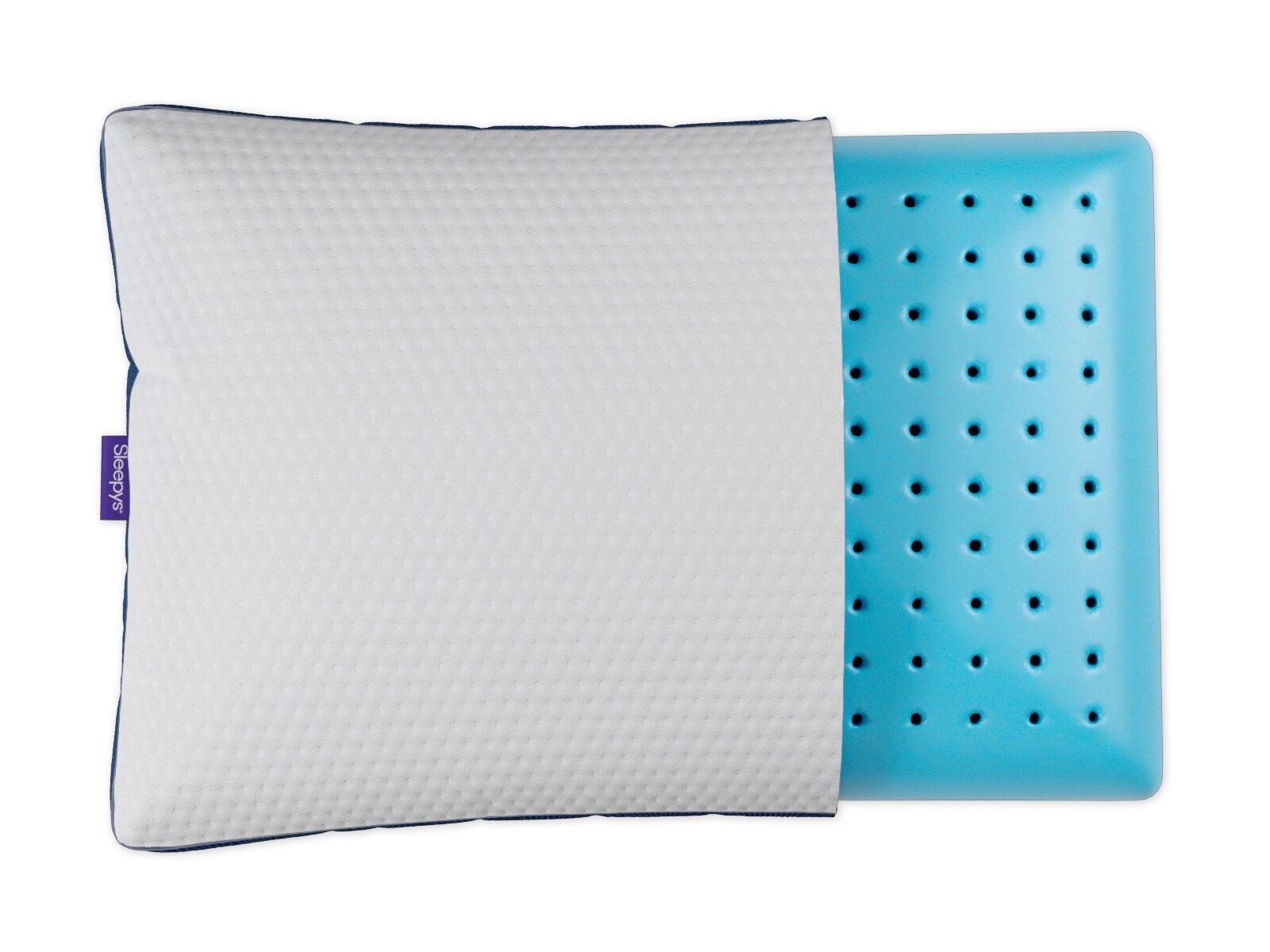
Bedding brings the most immediate texture to a comfortable bedroom, whether that means crisp sheets, a smooth duvet cover or a lightly textured blanket folded within reach. Fabric choice shapes that experience. Cotton can feel smooth and familiar, with the weave influencing its finish: percale generally has a crisp, matte feel, while sateen tends to feel smoother and look more lustrous. Linen has a more textured character and relaxed appearance, while microfiber often offers a soft surface with straightforward care requirements. Fiber content alone does not tell the whole story; fabric weight, weave, stitching and finishing also influence comfort and durability. A higher thread count is not a guarantee of better bedding. Even a beautiful sheet can feel frustrating if it slips off the corners, so mattress dimensions and pocket depth deserve attention, particularly when a topper or thicker protector adds height. A properly fitted sheet should stay secure without pulling tightly across the surface. Top sheets, blankets and duvet covers need enough width and length for the intended bed, especially when two people share the covers. Layers make it easier to adjust the feel of the bed without replacing everything, and a removable duvet cover helps keep an insert protected between cleanings. A mattress topper can change surface cushioning, but it cannot correct a mattress with worn-out support or significant sagging. Pillows deserve the same attention as the larger layers. Their height and firmness should help the head rest comfortably in relation to the shoulders, rather than tipping it sharply upward or letting it drop too far. A side sleeper may need more loft than a stomach sleeper, though shoulder width and mattress cushioning also affect the fit. For someone who reads before turning out the light, an extra pillow can provide temporary support while sitting up, then move aside for sleep. Decorative cushions add visual softness, but the everyday sleeping surface should remain easy to arrange and enjoy.
A comfortable bedroom should feel manageable to care for, not like a display that takes constant effort to maintain. Bedding with clear care instructions, neatly finished seams and suitable closures can make a meaningful difference in everyday use. Frequently washed sheets benefit from fabrics and construction suited to repeated laundering, while removable covers help separate routine cleaning from the care of bulkier layers. Following the care label matters: excessive heat, unsuitable cleaning products or an overloaded washer can affect fabric feel, fit and longevity. Fully drying bedding before putting it away helps keep the linen closet fresh, and storing complete sets together makes changing the bed less of a chore. Mattress protection adds another practical layer, helping shield the surface from everyday moisture and accidental spills without taking the place of regular care. Rotating a mattress when the manufacturer recommends it may help distribute wear; flipping is appropriate only for designs intended to be used on both sides. Beyond maintenance, a restful room benefits from a few familiar comforts: a smooth place to set a glass of water, bedding that does not drag across the floor and enough open space to reach the bed easily. Coordinated colors can bring visual calm without requiring every fabric to match. A textured blanket against smooth sheets or a subtle pattern beside solid pillowcases adds interest while keeping the bed inviting. These same qualities matter in spaces shared with overnight visitors.
Comfortable Guest Room Bedding can complement a welcoming setup with easy-care layers, supportive pillows and an extra blanket placed where visitors can find it. For a housewarming or another thoughtful gift, bedding is most useful when the recipient’s mattress size, fabric preferences and care routine are known. Whether the room belongs to a student, a couple or someone furnishing a first home, the most lasting comfort comes from pieces that suit daily habits. A bed that feels good, fits properly and is easy to maintain makes the whole room more welcoming.