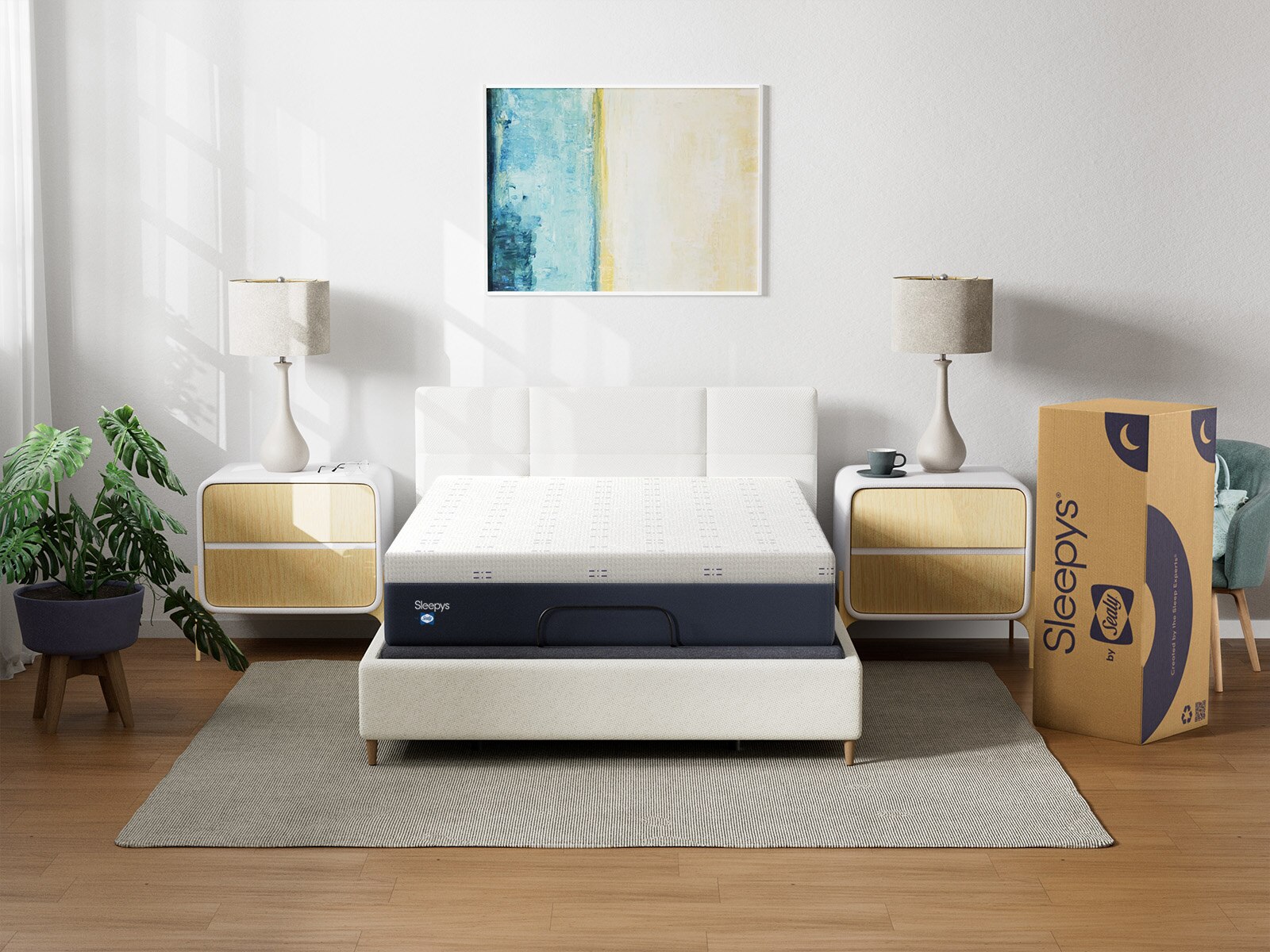
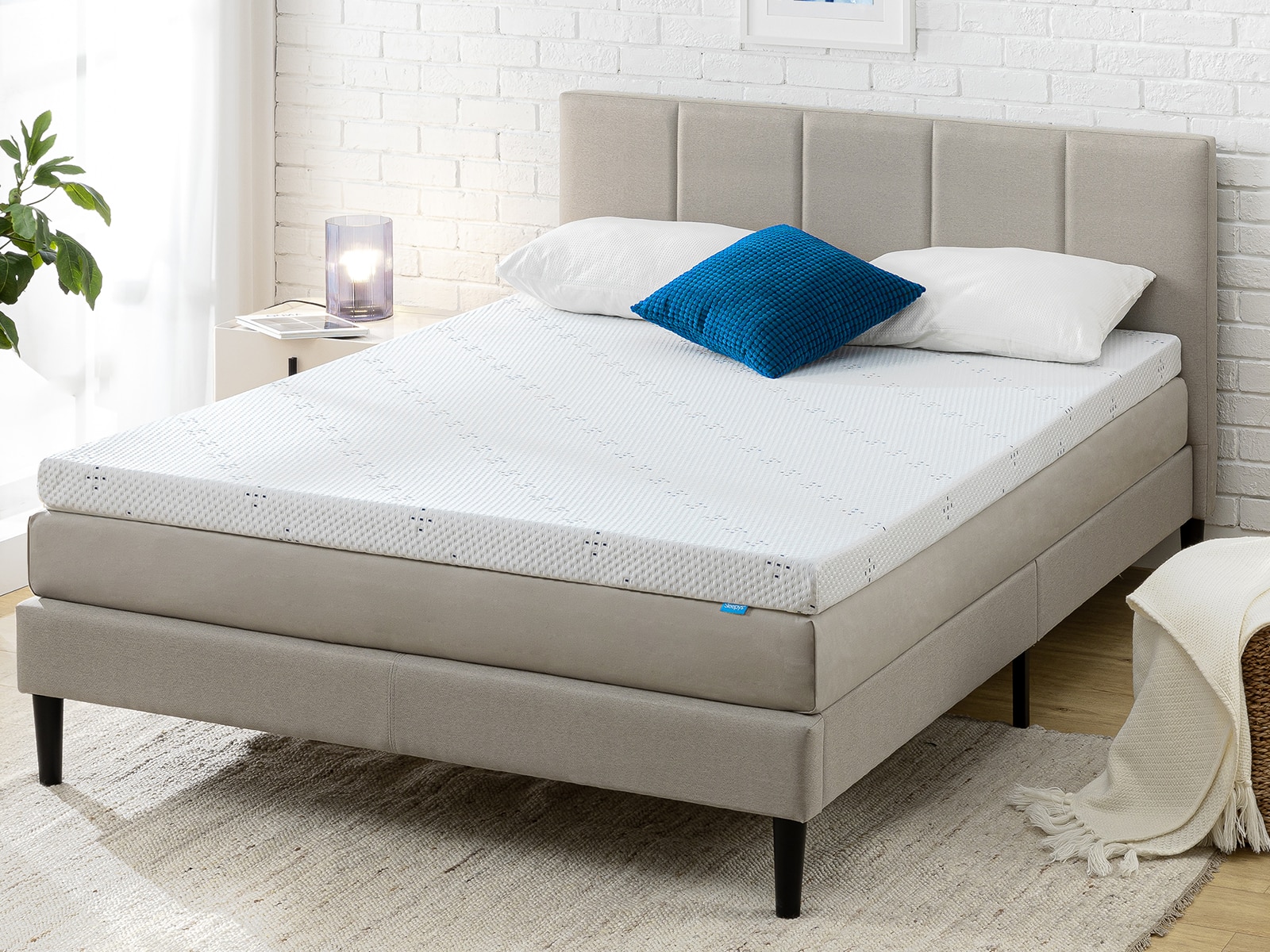
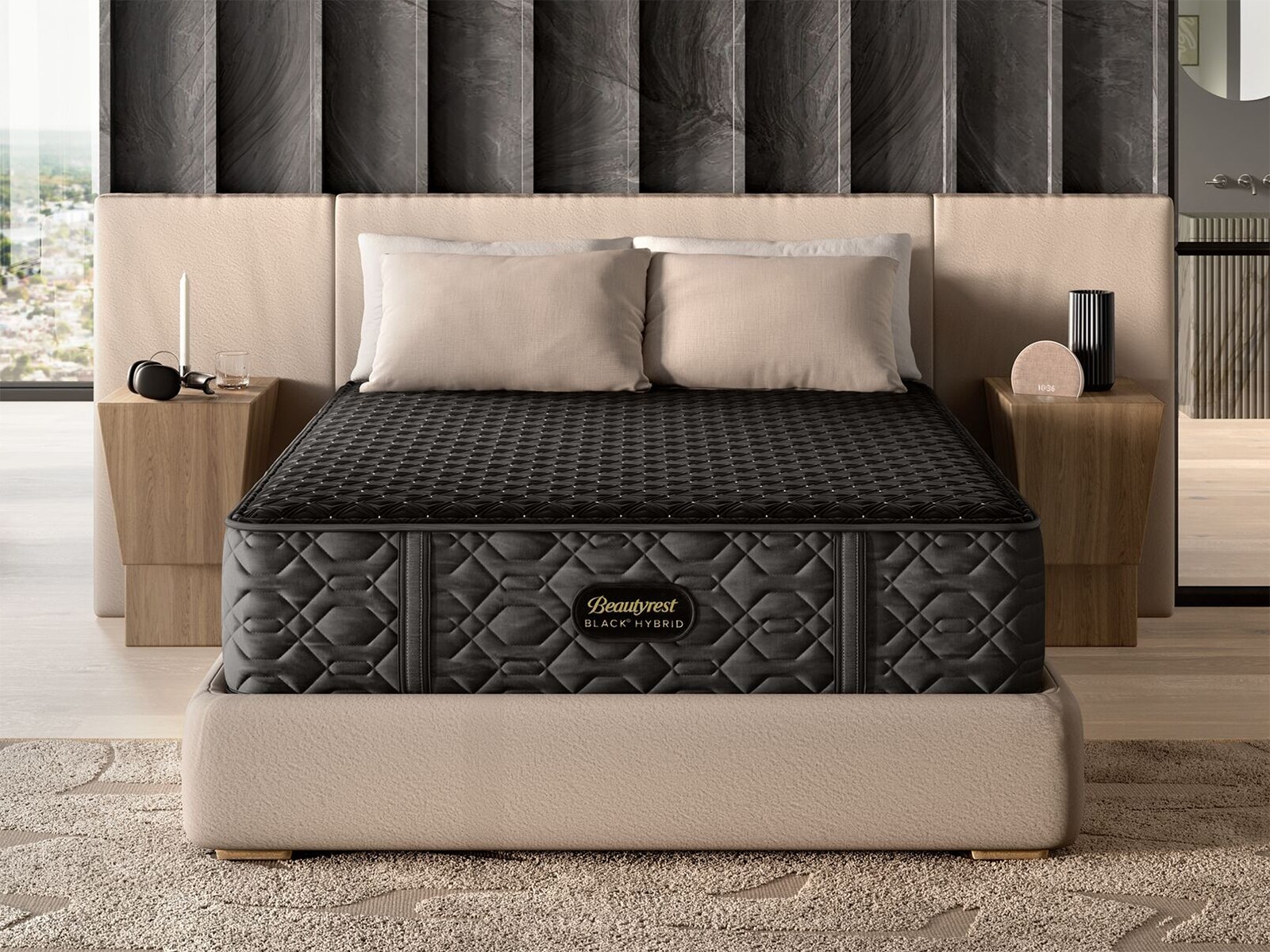
Comfortable mattresses for couples balance motion isolation, pressure relief, dependable support and enough room for both people to rest in their preferred positions. The right combination helps make sharing a bed feel less like a compromise, whether one person turns frequently or both tend to settle into the same spot all night. Motion isolation limits how much movement travels across the mattress, while pressure-relieving comfort layers cushion areas such as shoulders and hips. Support comes from the mattress’s overall construction and helps keep the body from sinking unevenly. These qualities work together, but they are not interchangeable: a soft surface can still have a supportive core, and a firm surface does not automatically provide the best alignment for every sleeper. For couples with similar preferences, a medium feel can offer a useful balance of cushioning and support, although firmness feels different depending on body weight, build and sleeping position. A side sleeper may need more room for the shoulder and hip to settle into the surface, while a stomach sleeper often benefits from less sink beneath the midsection. Someone who sleeps on their back may prefer gentle contouring with steady support beneath the lower back and pelvis. When partners have different needs, the goal is a surface that cushions each person without leaving either one feeling unsupported or restricted. Size matters just as much as feel. A queen mattress may suit couples who like sleeping close together, while a king offers more room to stretch, turn over or maintain a little space between sleepers. A California King provides additional length compared with a standard king but is narrower, an important distinction for taller couples balancing legroom with personal space. Bedroom dimensions, bedside furniture and room to move around the bed also influence the best fit. Even a spacious mattress should leave enough clearance for both people to get in and out comfortably without squeezing past a dresser or nightstand.
Mattress materials shape how a shared sleep surface responds to movement, weight and repeated use. Memory foam typically contours gradually around the body and can help absorb movement, which may be useful when one partner comes to bed later or gets up before the other. Its close-fitting feel can also cushion pressure points, though some sleepers prefer a surface that responds more quickly when they change positions. Other cushioning foams vary in resilience, density and feel, so an all-foam mattress is not necessarily slow-moving or deeply contouring. Latex generally has a buoyant response that makes repositioning easier, with a feel that differs from the gradual hug associated with many memory foams. A hybrid mattress combines cushioning layers with a coil support system, offering a mix of contouring and responsiveness. Individually wrapped coils can move more independently than interconnected coil systems, helping limit some movement transfer, but the comfort layers and overall construction also affect what a partner feels. No mattress eliminates every disturbance, particularly when someone sits down heavily or moves close to the other sleeper. For couples who dislike feeling stuck in one position, a responsive surface can make turning over more comfortable without requiring an especially firm feel. Edge support deserves attention, too. A stable perimeter can make more of the mattress feel usable and provide a steadier surface when sitting to put on socks or getting out of bed. Couples who naturally spread toward opposite sides may notice this feature more than those who sleep near the center. Breathability is another practical consideration when two people share a mattress. Airflow through the support system, the feel of the cover and the amount of body contouring can all influence how much warmth builds up around sleepers. Breathable bedding can complement the mattress, while heavy layers or a less breathable protector may change its feel. A cooling-related feature should be considered alongside the full construction rather than treated as a guarantee of comfort for both partners.
Long-term comfort also depends on how well a mattress fits the bed setup and daily routine. A taller profile is not automatically more supportive or durable; the quality of the materials, the design of the support system and the foundation beneath it matter more than height alone. A mattress needs a compatible base with the support specified by its manufacturer, including appropriate slat spacing and center support where required. Couples who use an adjustable base should confirm mattress compatibility, and those considering a split arrangement should account for separate bedding needs and the space between the two sleep surfaces. A split setup can allow each person to choose a different feel or position, but it creates a different experience from one continuous mattress. For an otherwise supportive mattress that feels a little too firm at the surface,
Medium Comfort Mattress Toppers For Couples can add cushioning without replacing the entire bed. A topper changes surface comfort rather than repairing a sagging support core, and its added height may affect how fitted sheets sit around the mattress. Keeping the sleep surface clean and protected helps preserve everyday comfort. A washable mattress protector can create a barrier against spills and body oils, while sheets that fit securely are less likely to bunch beneath a restless sleeper. Follow the care label for cleaning, allow any cleaned areas to dry thoroughly and rotate the mattress only as recommended by the manufacturer. Most mattresses are not designed to be flipped, so checking the instructions matters before changing their orientation. Over time, persistent impressions, uneven support or a tendency to roll toward the middle may signal that the mattress no longer meets both sleepers’ needs. When comparing comfort, give each person time in their usual sleeping position, then notice what happens when the other partner turns or sits along the edge. Those small, familiar movements often reveal more about a mattress’s suitability for shared sleep than a quick press of the hand.