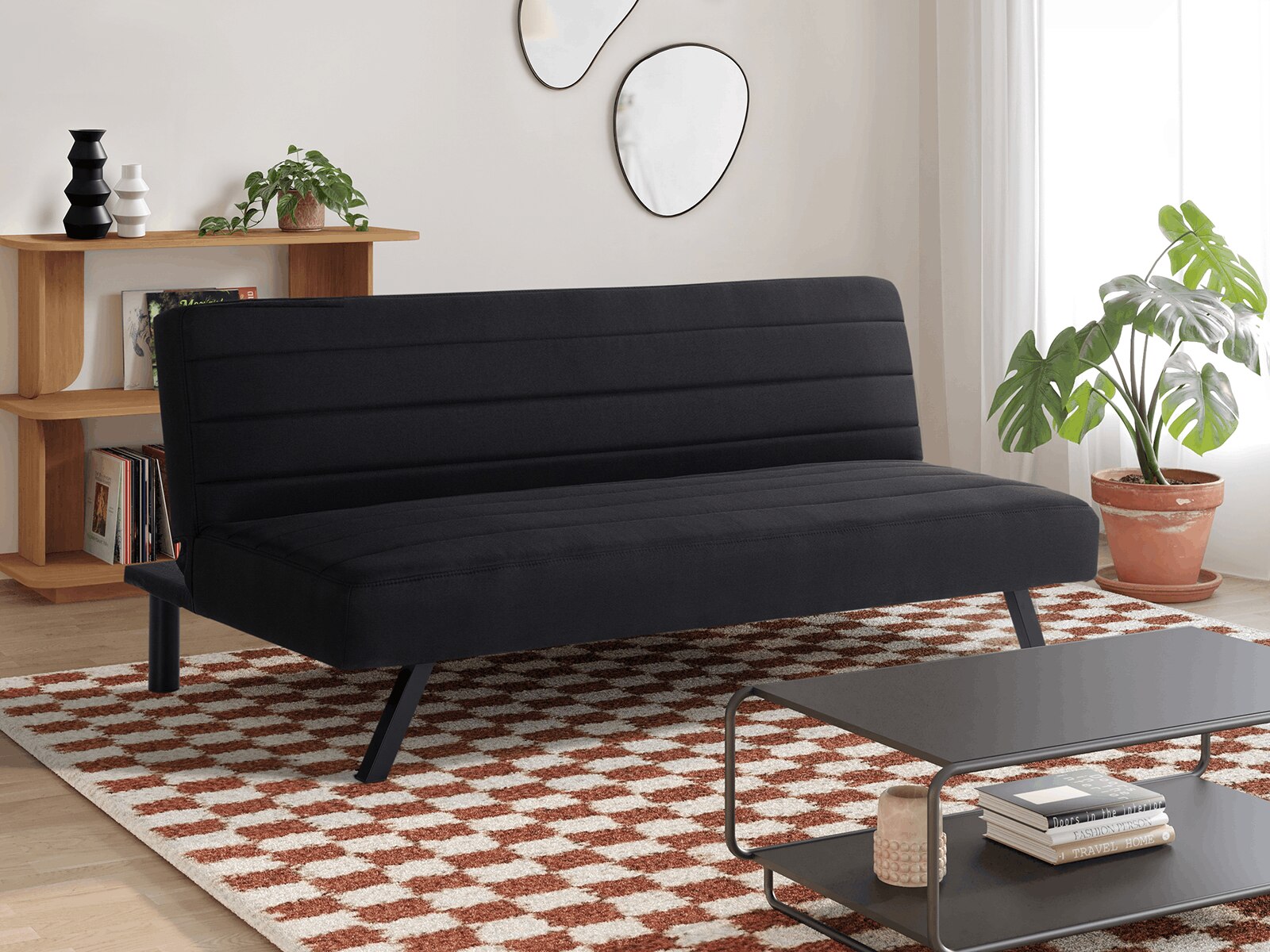
Contemporary living furniture brings clean lines, comfortable proportions and useful details into the spaces where everyday life happens. The look is defined less by a single silhouette than by a balance of simplicity, texture and function: a low-profile sofa beside a wood table, a rounded chair that softens a rectangular room or closed storage that keeps everyday essentials out of sight. Unlike a strictly period-based style, contemporary design can draw from several influences while still feeling cohesive. Straight edges can sit alongside gentle curves, and smooth metal can contrast with woven upholstery without making the room feel busy. Neutral colors often provide the foundation, with character coming from the grain of wood, the depth of a textured fabric or the shape of an open base. The most successful arrangement supports the way the room is actually used. A household that gathers for movies may value generous seating and a place to put feet up, while a smaller apartment may benefit from raised legs, compact proportions and furniture that serves more than one purpose. Modular seating can adapt to different layouts, though the connection system and individual section dimensions affect how easily an arrangement can change. A conversational layout usually works best when seats face one another without blocking the route through the room. Furniture scale matters as much as style: a deep seat can feel inviting in an open living area but overwhelm a narrow room, while a delicate accent chair may look undersized beside a substantial sofa. Measuring the usable floor area, doorways and delivery path helps establish what will fit comfortably. Reclining furniture also needs room to operate, and drawers or cabinet doors need space to open. Leaving clear paths around seating and tables makes a contemporary living room feel open because it functions well, not simply because it contains fewer things. In a shared living and dining area, consistent finishes and a few repeated shapes can connect the spaces without requiring every piece to match.
Materials give contemporary living room furniture much of its personality, but their everyday behavior deserves as much attention as their appearance. Wood contributes visible grain and variation, from the lighter appearance of oak to the deeper tones associated with walnut. Solid wood and wood veneer can both suit contemporary designs; construction quality, surface finish and intended use matter more than either label alone. A veneer is a thin layer of wood applied over a supporting core, and it should not be confused with a printed wood-look surface. Metal frames and legs can create a lighter visual profile, while stone, glass and concrete surfaces introduce different textures and care needs. Glass can help a small room feel less visually crowded, although fingerprints may be more noticeable. Natural stone may require sealing or protection from acidic spills, depending on the material and finish. Upholstery brings another layer of practical choices. A tightly woven fabric generally has a smoother surface, while bouclé and other looped textures create a more pronounced tactile effect. In a home with pets, exposed loops may catch claws, making fabric construction worth considering alongside color. Performance fabric is a broad description rather than a guarantee of identical protection across materials, so care instructions and any stated testing provide more useful detail than the label alone. Leather can develop character with use, but its finish affects how it responds to spills, scratches and routine cleaning. Comfort also depends on what sits beneath the cover. Cushion fill, seat support, back height and arm placement all influence how furniture feels during a brief conversation or a full evening of lounging. Someone who prefers sitting upright may appreciate a shallower seat and supportive back, while a person who curls up with a book may prefer more depth. In a shared household, a mix of seating proportions can accommodate different preferences without sacrificing a consistent look. Removable cushions may make routine upkeep easier, but removable covers are not necessarily machine washable.
Thoughtful storage and straightforward care help contemporary furniture remain useful as daily routines change. Closed cabinets can hold games, electronics and spare throws, while an open shelf keeps frequently used belongings within reach. Storage ottomans and lift-top designs can add function without another cabinet, although moving parts, lid clearance and weight limits deserve attention. A table used for meals or laptop work needs a different balance of height and surface space than one intended mainly for a lamp. Rounded corners can make circulation feel less cramped in a compact layout, but stable construction remains important regardless of shape. For tall storage furniture, following the manufacturer’s anchoring instructions is an essential part of setup. Durability is easier to assess through details such as secure joints, supportive seating construction, finished edges and hardware that operates smoothly than through appearance alone. Care is most manageable when it fits the household’s routine. Regular vacuuming with an appropriate upholstery attachment can remove crumbs and dust before they settle into seams. Spills generally call for prompt blotting rather than rubbing, followed by the cleaning method specified for the fabric. Wood, stone and other hard surfaces each need cleaners suited to their finish; a general household spray is not automatically appropriate for every material. Coasters, felt pads and protection from prolonged direct sunlight can help limit preventable wear. Contemporary style can also carry naturally into adjoining rooms through a repeated fabric texture, wood tone or curved silhouette. For a bedroom connected visually to the living area, a
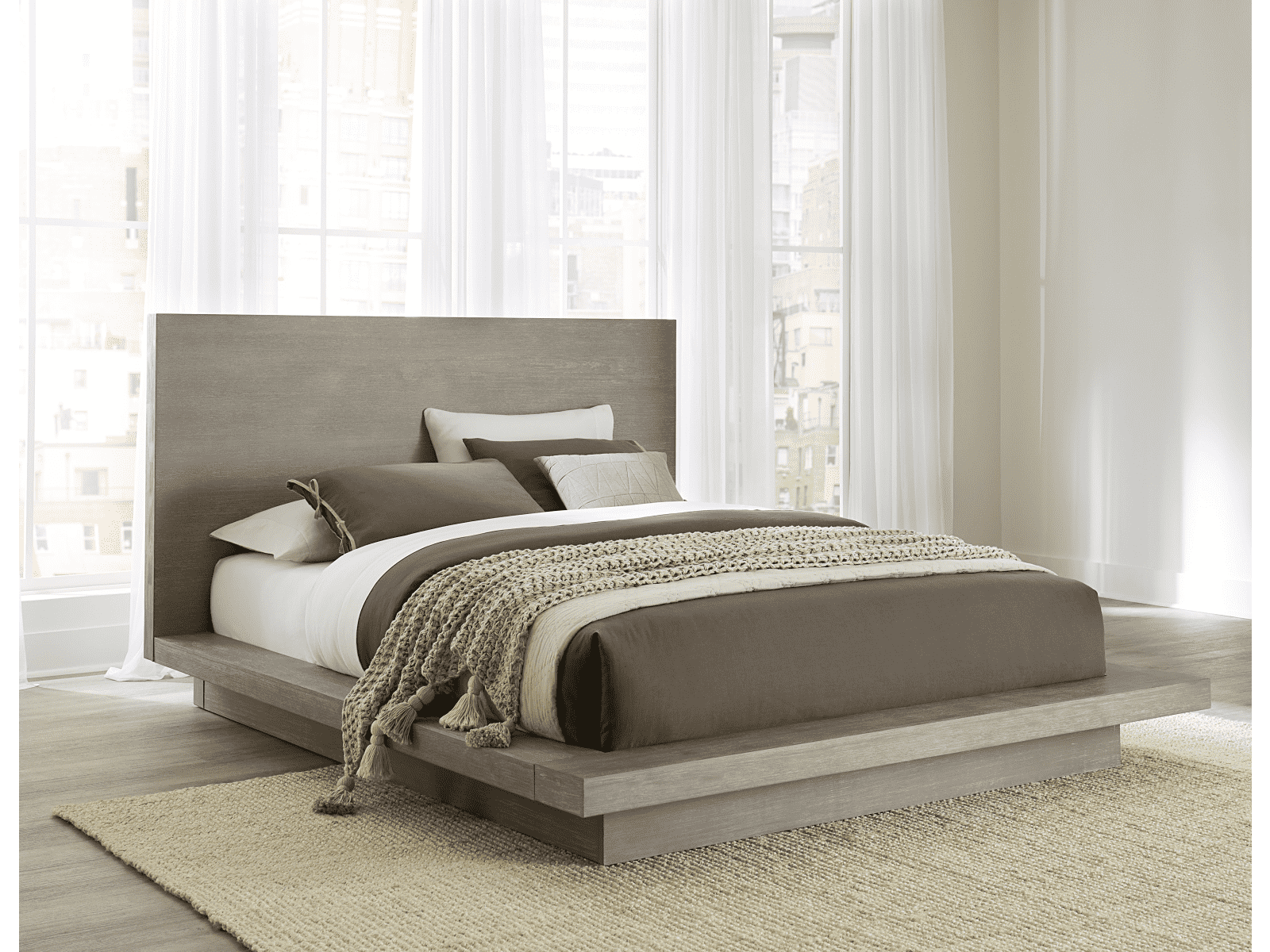
contemporary upholstered bed can extend that softer, streamlined direction without duplicating the living room furniture. Across either space, the goal is a setting that feels comfortable to use and simple to maintain. Furniture earns its place through familiar moments: a supportive seat after a long day, a clear surface beside a favorite chair and enough room for people to settle in without rearranging everything first.