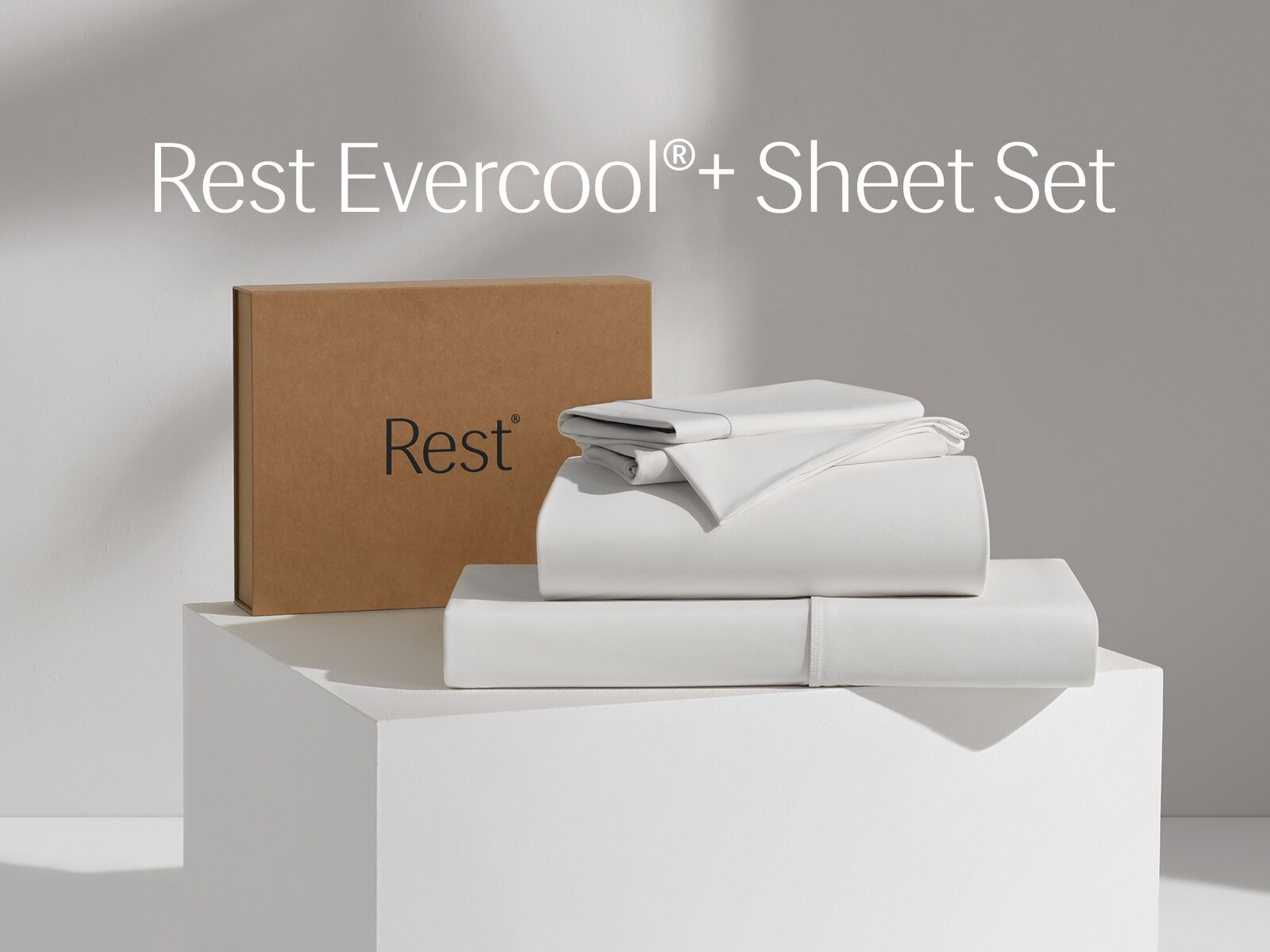
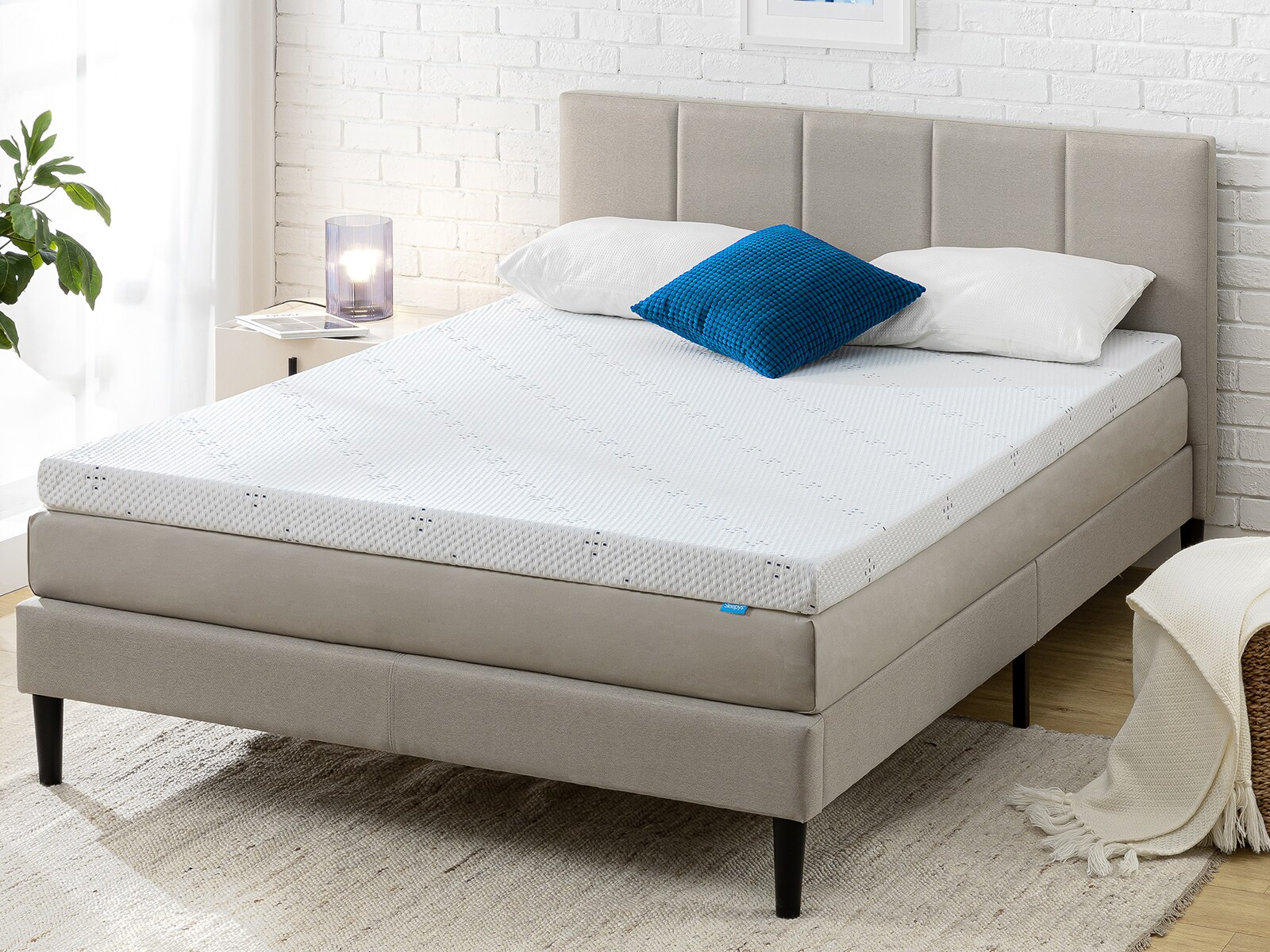
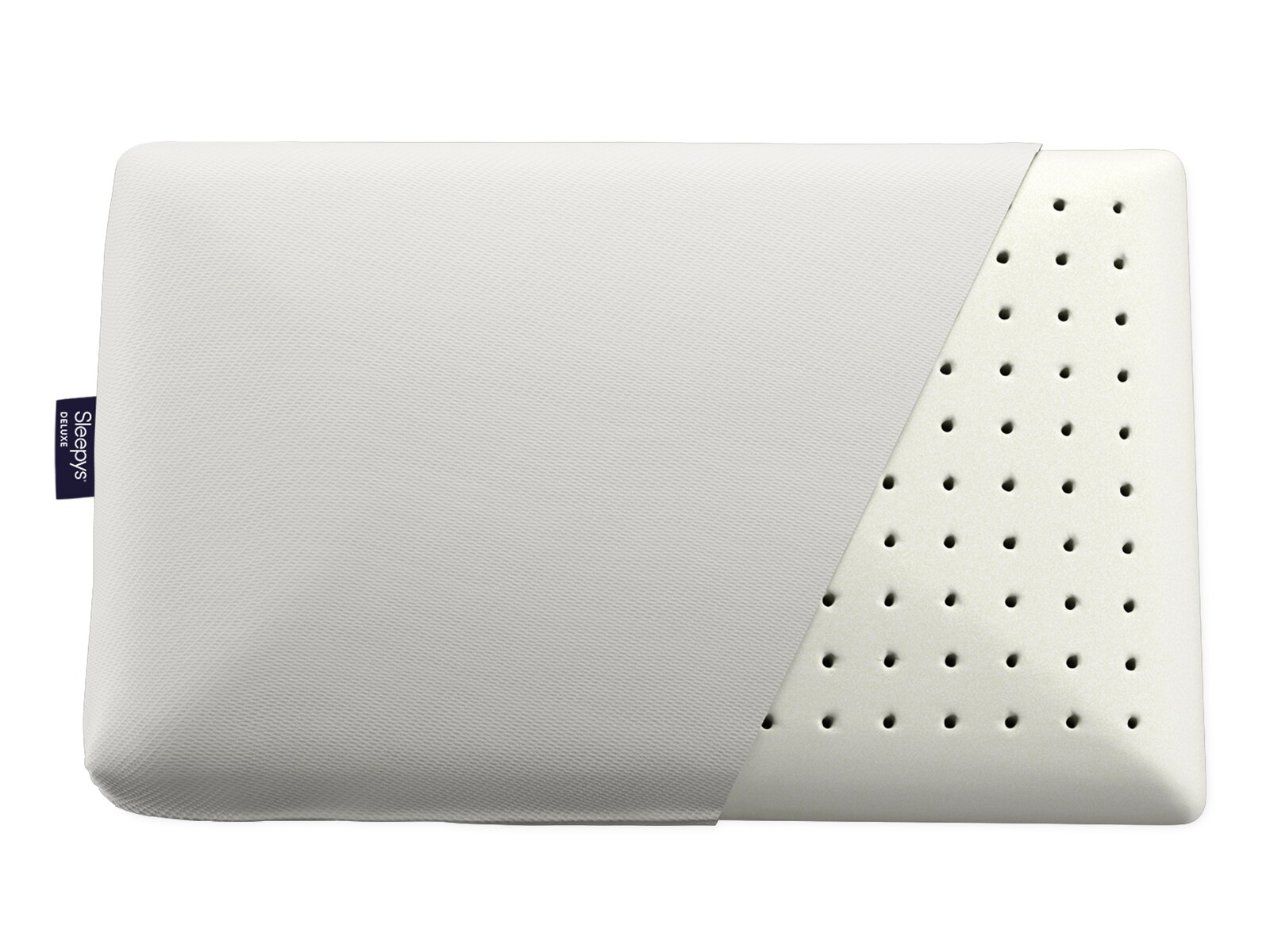
Cooling bedding for back to school helps create a comfortable place to settle in after classes, study sessions and busy days on campus. In a shared dorm room, a bedroom at home or an off-campus apartment, breathable bedding can make it easier to adjust the bed’s warmth without changing the thermostat. Sheets, pillowcases, mattress protectors and lightweight blankets each contribute to how the sleep surface feels. Cooling bedding generally works through breathable construction, moisture management or materials designed to feel cool against the skin; those features serve different purposes and do not necessarily lower the room’s temperature. Breathable fabrics allow air to move through the material, while moisture-wicking fabrics help move perspiration away from the skin so it can evaporate. A cool-to-the-touch finish provides an initial sensation that may become less noticeable as the fabric warms against the body. Cotton percale is a useful consideration for students who prefer a crisp, lightweight feel, thanks to its plain-weave construction. Cotton sateen usually has a smoother, more draped feel, though fabric weight and construction affect warmth as much as the fiber name. Lyocell and viscose made from bamboo can feel smooth and manage moisture, but performance varies by weave, thickness and finishing treatment. Synthetic blends may also offer moisture-wicking features when specifically designed for that purpose. No single fabric is the coolest choice for every sleeper, and a high thread count alone does not establish breathability or quality. For someone who often pushes the covers aside, a lighter fabric with an airy weave may feel more comfortable than a dense sheet paired with a thick comforter. For a student who likes the reassuring feel of a blanket but wakes up warm, a lightweight layer can provide coverage without as much bulk. The most useful combination balances softness, airflow and the amount of coverage that feels comfortable through the night.
Fit matters just as much as fabric, especially when preparing a dorm bed. Many college residence halls use Twin XL mattresses, which are typically about 38 inches wide and 80 inches long, making them roughly five inches longer than standard twin mattresses. Dimensions can vary, so the school’s housing information and the mattress measurements are better references than a room photograph or a general bedding checklist. A standard twin fitted sheet may not reach securely around a Twin XL mattress, even when the widths appear similar. Mattress depth deserves a separate check: the fitted sheet needs to accommodate the mattress plus any topper or pad beneath it. Deep-pocket sheets may list depths such as 18–21 inches, but that measurement describes the intended fit rather than a universal requirement for dorm beds. An oversized pocket can bunch on a thinner mattress, while a pocket that is too shallow may pull loose when a sleeper turns over. Strong elastic and secure corner coverage help keep the surface smooth without constant readjusting. Browsing
cooling bedding for college dorms can help connect these size considerations with the breathable layers used in a campus sleep space. The entire bed matters, not just the top sheet: a thick topper, dense mattress pad or heavy comforter can change how warm the setup feels. A mattress protector adds a barrier against everyday spills and wear, although waterproof construction and breathability vary by material. Its care instructions and stated performance are worth reviewing alongside those of the sheets. Lightweight quilts, blankets and comforters provide different degrees of insulation, and fill weight and construction are more informative than appearance alone. Removable layers make sense in rooms where roommates have different comfort preferences or the building controls the temperature. Pillowcase fit also matters; a case that matches the pillow’s dimensions allows it to settle naturally rather than squeezing it into a tight cover. Together, properly sized layers create a bed that feels comfortable without unnecessary fabric gathering under the sleeper.
Everyday care is a practical part of choosing back-to-school bedding, particularly when laundry involves a shared laundry room, a crowded hamper and a narrow window between classes. Machine-washable fabrics with straightforward care requirements can be easier to maintain than materials that need special handling. Care labels remain the best reference for water temperature, drying settings and whether a particular finish needs extra attention. High dryer heat can affect elastic, shrink some fabrics or shorten the life of certain performance treatments. Fabric softeners and dryer sheets may interfere with moisture management on some textiles, so their use should follow the manufacturer’s directions. Giving sheets enough room to circulate during washing and drying helps prevent tightly twisted bundles with damp fabric trapped inside. Bedding should be fully dry before it goes back on the mattress or into storage. Keeping a second set of sheets makes laundry less disruptive when a dryer is occupied or a study session runs late. Durability also shows up in smaller details, including even stitching, neatly finished edges and elastic that recovers after stretching. Fabric that feels substantial without being unnecessarily heavy can be a useful balance for frequent washing, though no single texture guarantees long wear. Personal habits matter, too: bedding used for sleeping, reading and sitting between classes may experience more friction than bedding reserved for nighttime. Cooling bedding can suit college students, younger students who tend to sleep warm and anyone refreshing a bedroom for a new school routine. It can also make a thoughtful back-to-school gift when the recipient’s mattress size, fabric preferences and laundry needs are known. A student who loves crisp sheets may appreciate a different feel from someone who prefers a soft, fluid drape. Those details make the setup personal rather than simply matching a room’s colors. With breathable materials, a secure fit and manageable care, the bed can remain a comfortable place to put down the textbooks, turn off the desk lamp and settle in for the night.