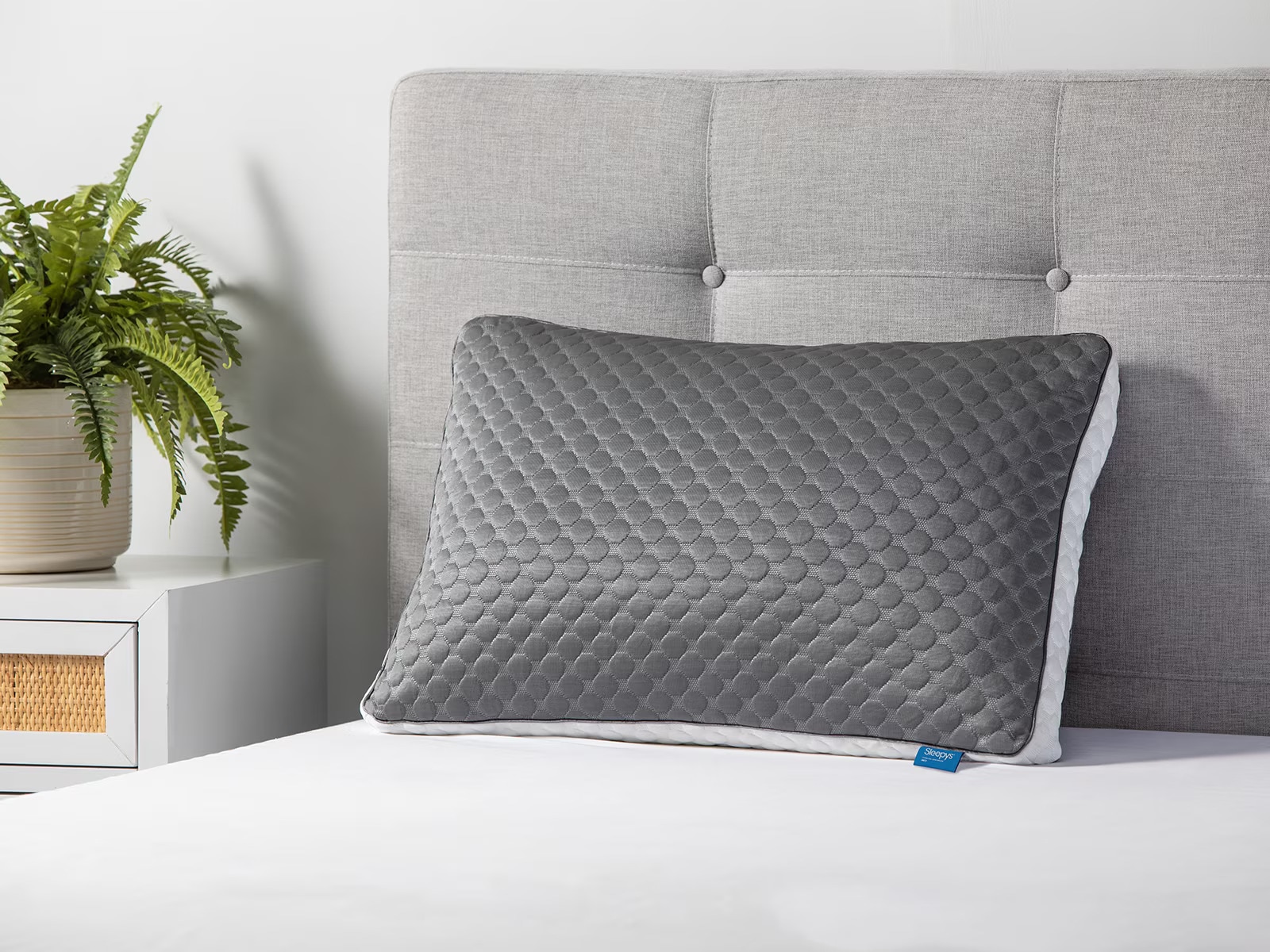
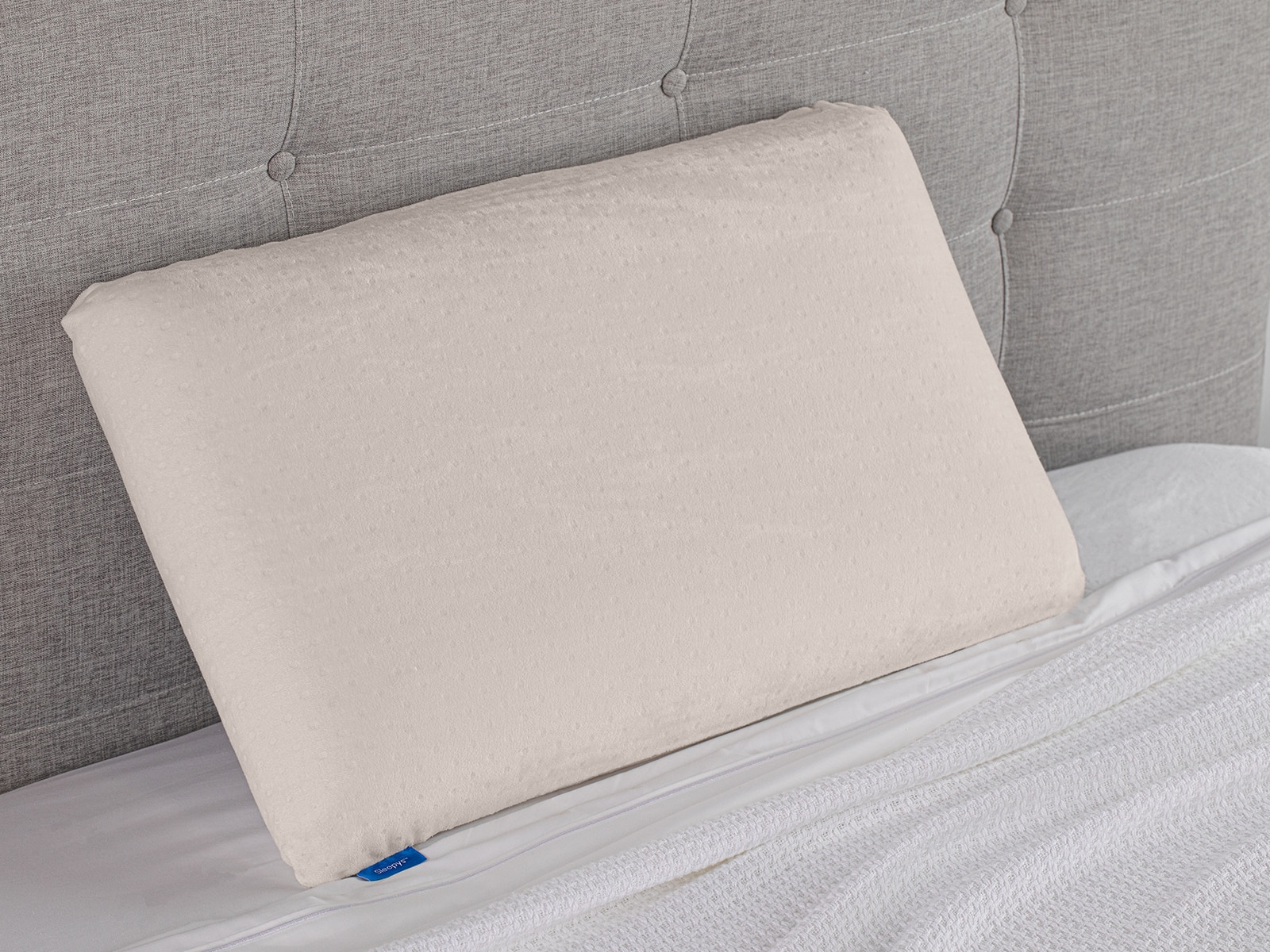
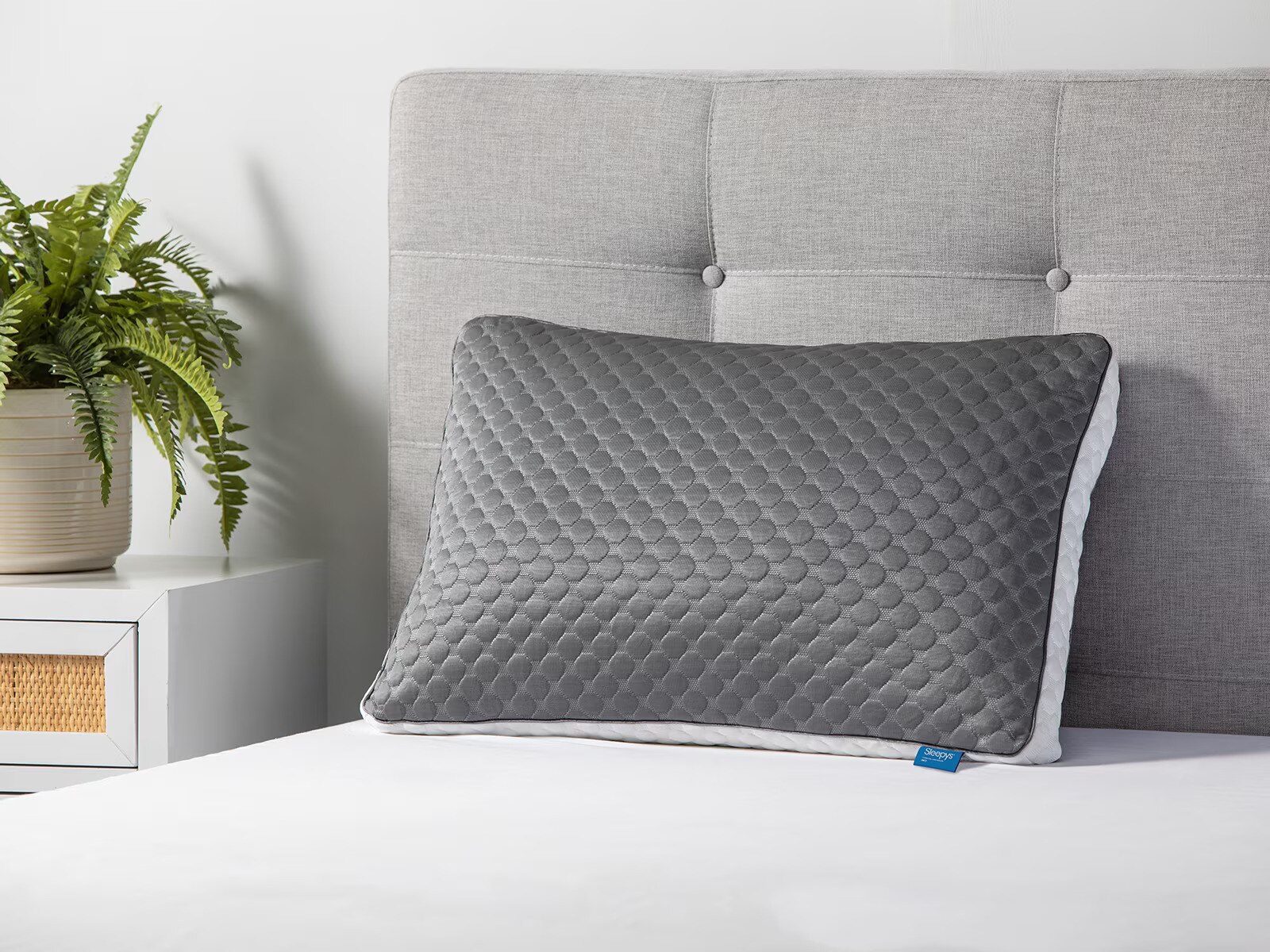
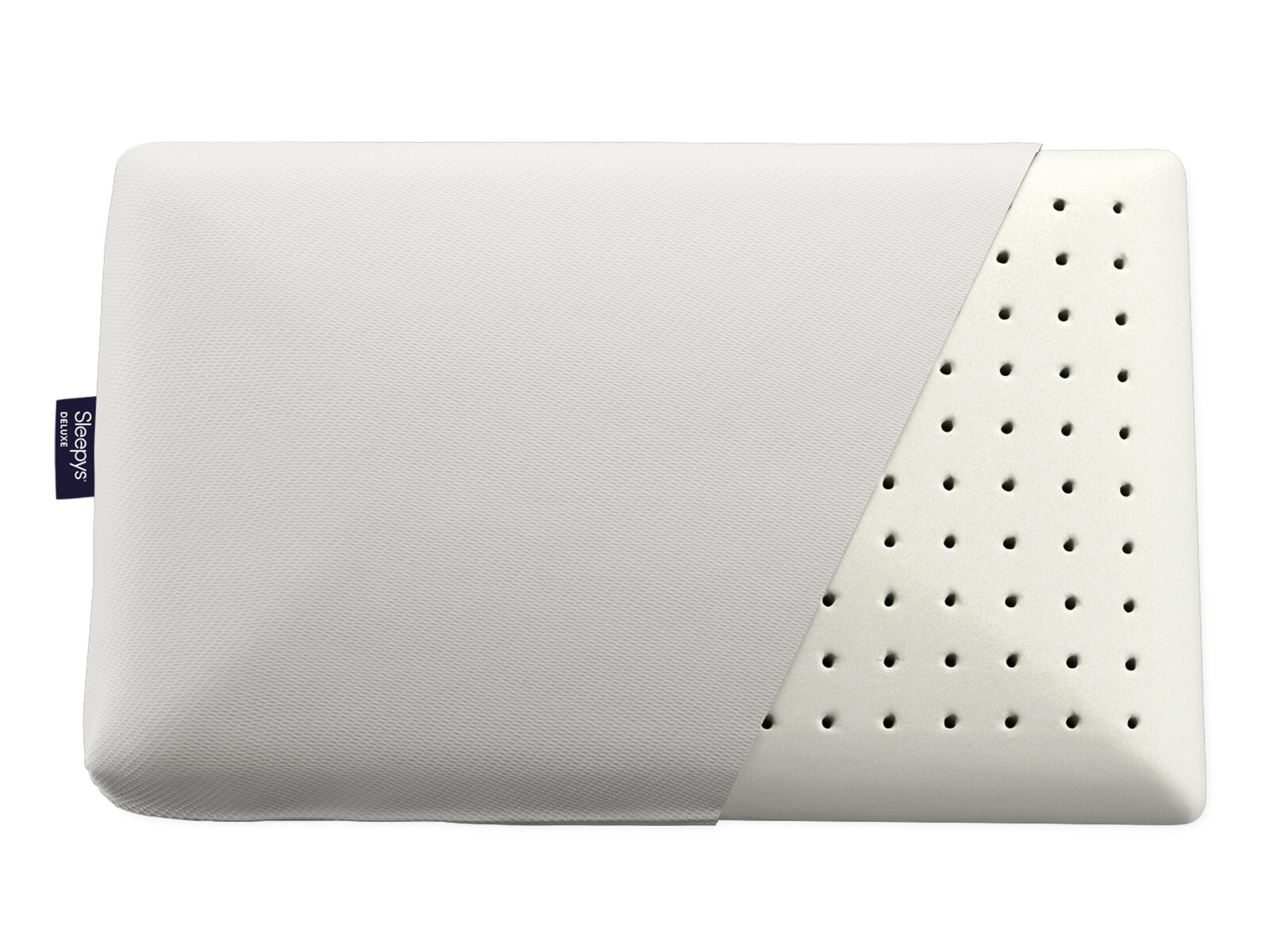
Summer cooling bed pillows are designed to help manage warmth around the head and neck through features such as breathable covers, ventilated fills and materials that absorb or disperse heat. For someone who turns a pillow over looking for a fresh, cool surface, those details can make a meaningful difference in how the bed feels. Cooling is not a single feature, however, and a cool initial touch is different from airflow that continues as a person rests. Some covers use phase-change materials that absorb heat as they change state, then release that stored heat when conditions allow. Their cooling effect has a limit; they do not actively refrigerate the pillow or stay cold indefinitely. Other fabrics focus on breathability or moisture management, helping air move through the surface or moving moisture away from the skin so it can evaporate. Cotton, lyocell and performance-fabric blends can offer different combinations of softness, breathability and moisture handling, depending on their construction. Inside the pillow, shredded memory foam creates spaces between pieces that can allow more airflow than a dense, unventilated foam block. Solid memory foam may include ventilation channels or other design features to support airflow while maintaining a consistent shape. Gel-infused foam is another option, though the presence of gel alone does not establish how cool a pillow will feel throughout the night. Latex can provide a springier surface, while fiber fills often have a lighter, more compressible feel. The useful comparison is the complete construction: cover, fill, ventilation and the way those layers work together. A pillow that feels refreshing against the cheek still needs to be comfortable once its surface adjusts to body temperature. For a closer look at pillows centered on temperature-managing features,
Advanced Cooling Sleep Pillows offers another relevant collection. Across these constructions, cooling performance depends on room conditions, surrounding bedding and individual sensitivity to warmth, not just the description of a single material. That distinction matters for summer sleep, when even a small patch of trapped warmth can make a comfortable pillow feel less inviting.
Support and fit deserve as much attention as cooling, especially when a pillow will be used every night rather than occasionally in a guest room. Loft describes a pillow’s height, but its height under the weight of the head matters more than how tall it looks on an empty bed. A soft, lofty pillow can compress substantially, while a denser fill may hold its shape with less give. Side sleepers often need enough loft to fill the space between the head and mattress without pushing the neck upward. Shoulder width and mattress cushioning influence that space: a shoulder that settles deeply into the mattress may need a different pillow height than one resting on a firmer surface. Back sleepers generally benefit from a profile that supports the neck without tipping the chin toward the chest. Stomach sleepers often find a thinner, softer pillow more comfortable because excessive height can increase the angle of the neck. These are starting points rather than fixed rules, particularly for someone who changes positions several times overnight. Adjustable fills offer flexibility by allowing the amount of material to change, provided the pillow is designed for that purpose. Shredded fills may also be reshaped for a softer center or fuller edge, while molded designs tend to offer a more defined contour. A person who enjoys a cushiony, foldable pillow may prefer a different construction from someone who wants steady support without much repositioning. Pillow dimensions matter, too. A longer pillow can provide more room for turning from side to side, but it should fit comfortably within its pillowcase without being squeezed into a stiff bundle. On a shared bed, separate pillows let each sleeper choose the feel that suits their position and temperature preferences. Summer cooling pillows can also be useful for people who tend to feel warm at bedtime regardless of the season. The goal is a balanced sleep surface: pleasant against the skin, supportive beneath the head and easy to settle into without repeated fluffing or shifting.
Care and everyday bedding choices help determine how well a cooling pillow performs over time. A breathable pillowcase can preserve more of the surface feel and airflow, while a thick cover or several tightly fitted layers may reduce the sensation of a cooling fabric. Pillow protectors remain useful for limiting contact with perspiration, skin oils and everyday spills, but their construction matters; a dense barrier can change how the pillow feels. A lightweight, breathable protector is worth considering when temperature comfort is a priority. Cleaning requirements vary by material, so the care label should guide washing and drying rather than the assumption that every pillow can go into a washing machine. Some fiber-filled pillows are machine washable, while many foam and latex cores require spot cleaning and should not be soaked. Removable covers may have separate instructions from the interior fill. Thorough drying is important whenever washing is permitted, since moisture trapped inside a pillow can lead to odors or damage. Keeping the cover clean also helps maintain a fresh surface without exposing the fill to unnecessary wear. Durability is about more than whether a pillow still looks full: support can change as materials compress, clump or lose resilience. Persistent flattening, uneven areas or a noticeable change in comfort can signal that the pillow is no longer performing as intended. Cooling pillows fit naturally into summer bedrooms, vacation-home bedding and guest spaces where comfort preferences vary, though they work best as part of a comfortable sleep environment rather than a substitute for room ventilation. Lightweight bedding and an unobstructed path for air around the bed can complement a breathable pillow. As a gift, a cooling pillow is most thoughtful when the recipient’s preferred sleeping position, firmness and care routine are known. Someone who loves a soft pillow they can hug may not enjoy a firm contoured shape, even with an appealing cooling surface. Matching those everyday preferences makes the choice feel personal and gives the pillow a practical place in the recipient’s nightly routine.