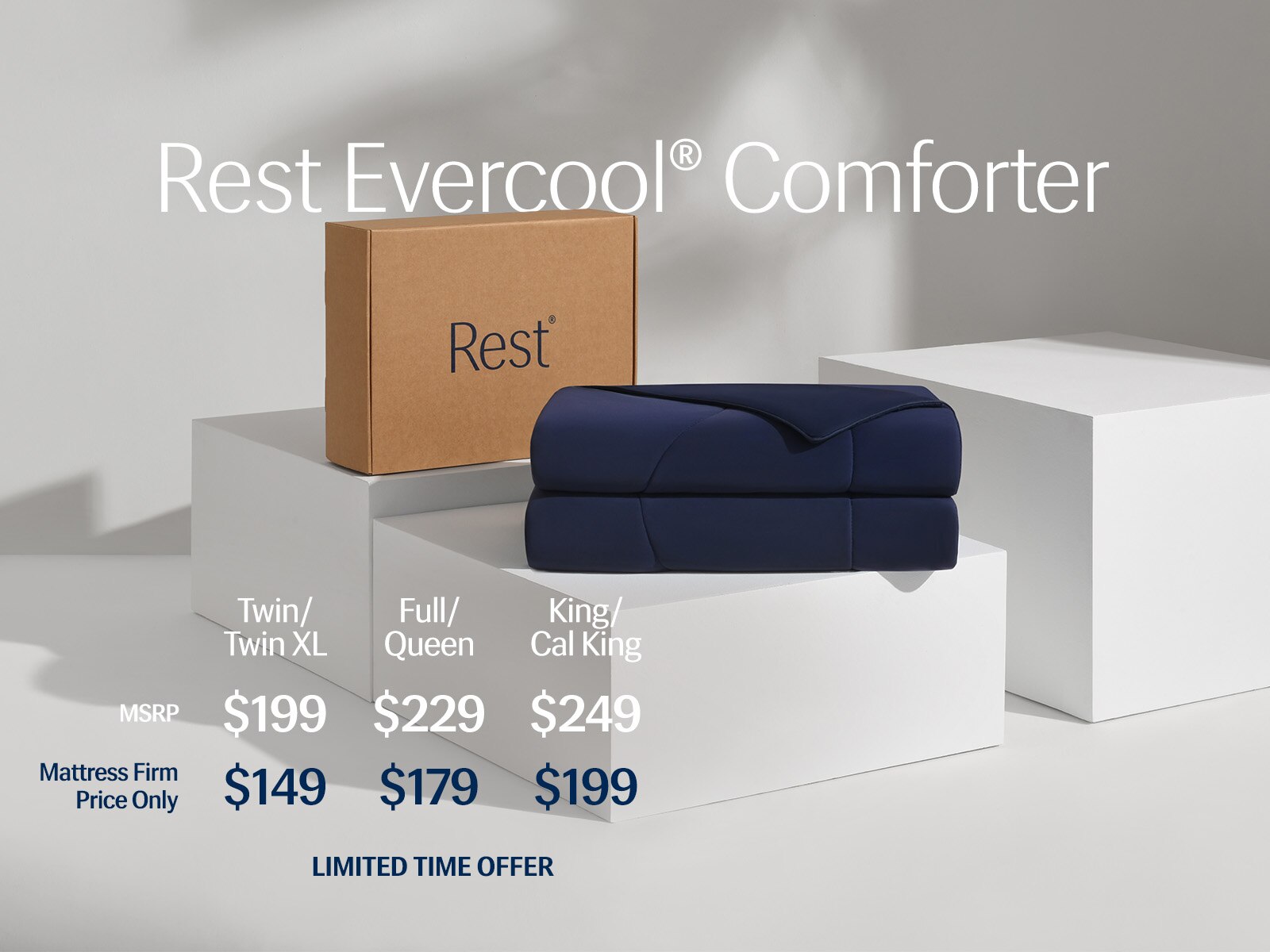
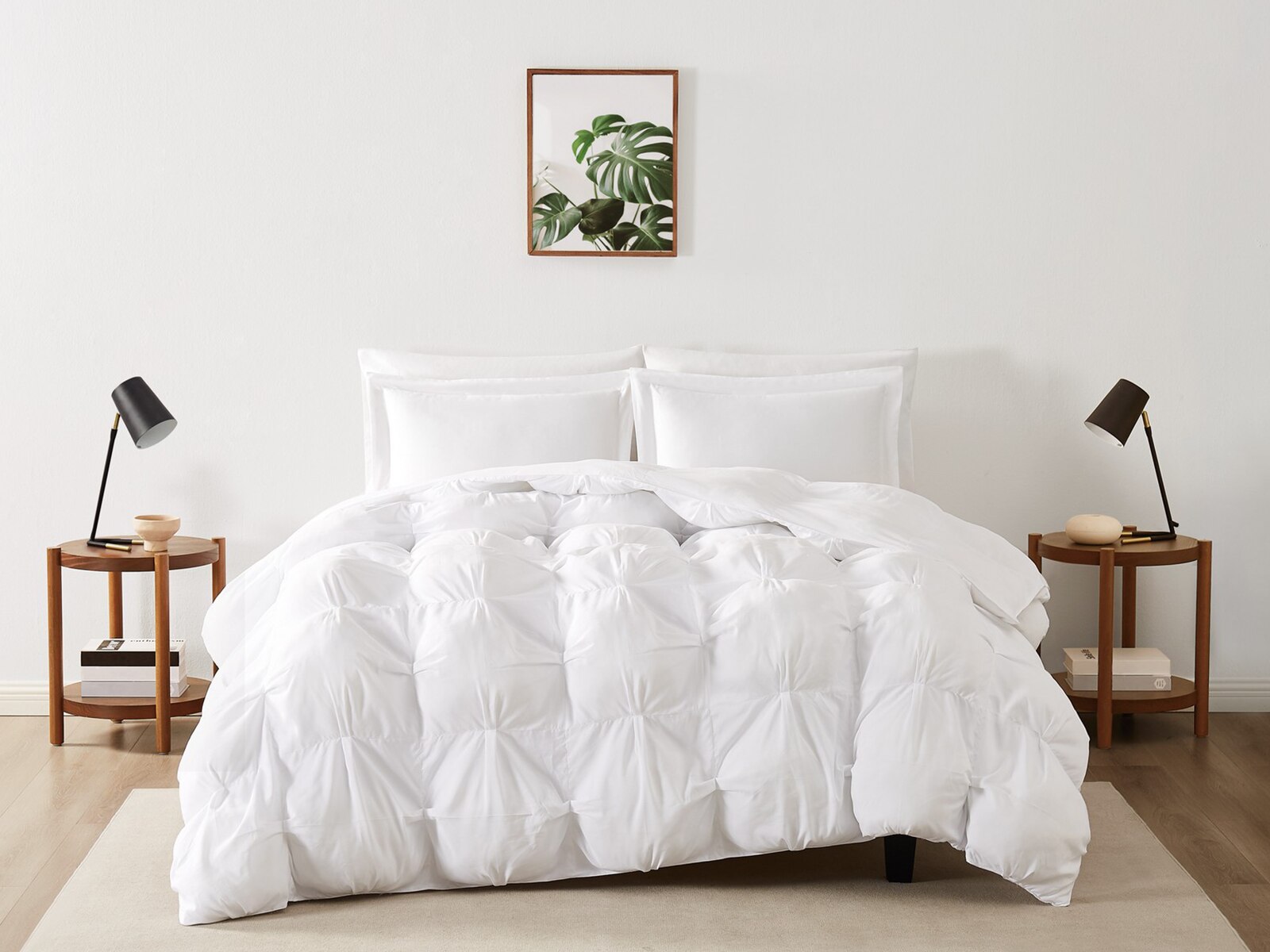
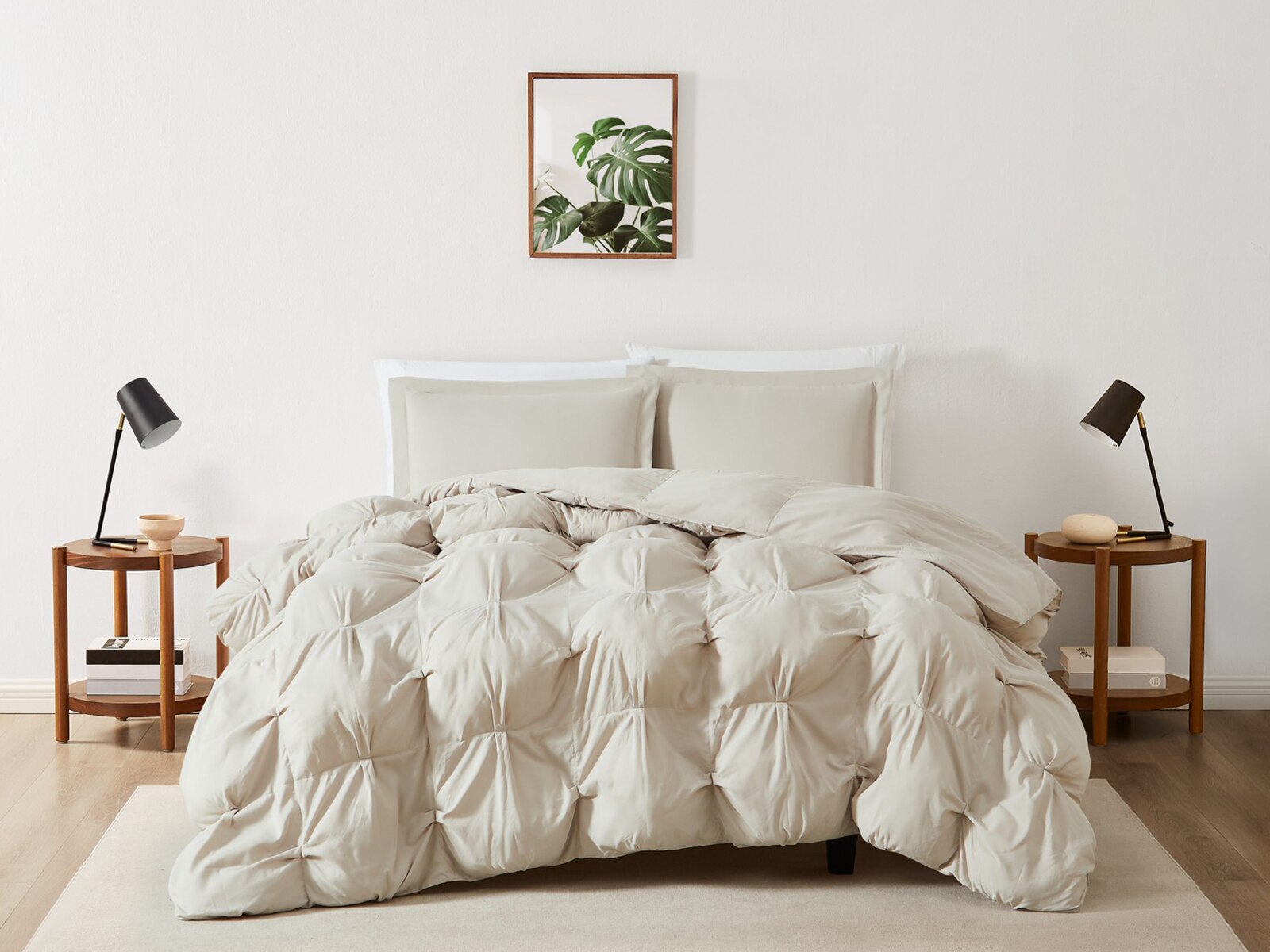
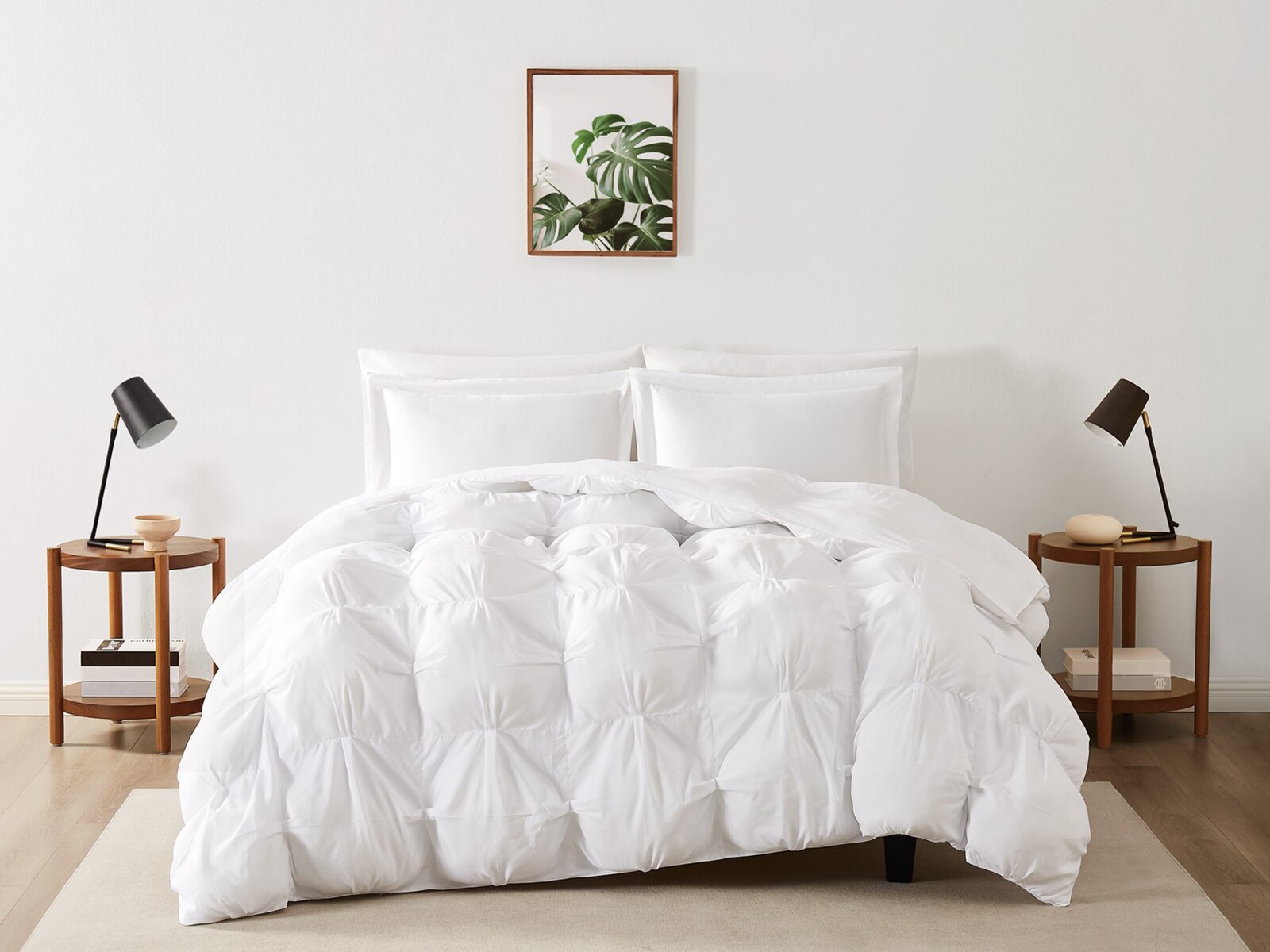
Cooling comforters for early-fall weather offer a comfortable middle ground between a barely-there blanket and a heavily insulated layer. A bedroom can feel warm at bedtime yet noticeably cooler before sunrise, especially with an open window or air conditioning that cycles overnight. Lightweight bedding makes those differences easier to accommodate without piling on warmth that may feel unnecessary. The word “cooling” can describe several features, and each contributes something different to the feel of a comforter. A cool-to-the-touch shell draws heat away from the skin on initial contact, creating that refreshing sensation when a hand or foot reaches a fresh patch of fabric. Breathable construction allows air and water vapor to move through the bedding, while moisture-wicking fabric helps move perspiration away from the skin. These properties can support a more comfortable sleeping environment, but a cooling comforter does not actively refrigerate the bed or lower the room temperature. Its overnight performance depends on the shell, fill, other bedding layers and bedroom conditions. When a Q-max rating is provided, it describes heat transfer at initial contact under test conditions; a higher value generally indicates a stronger cool-touch sensation, not a guarantee of cooler sleep throughout the night. Ratings are most useful when the testing methods are comparable. For someone who falls asleep comfortably but wakes feeling too warm, breathable construction and modest insulation may matter more than the first-touch sensation alone. Someone who dislikes the stuffiness of a thick comforter may appreciate a lighter layer that still feels soft and substantial enough to settle under. The goal is a bed that feels inviting without holding more warmth than the sleeper needs. On a mild autumn evening, that might mean a cooling comforter over a breathable sheet; on a colder night, a separate blanket at the foot of the bed adds flexibility without changing the entire bedding setup.
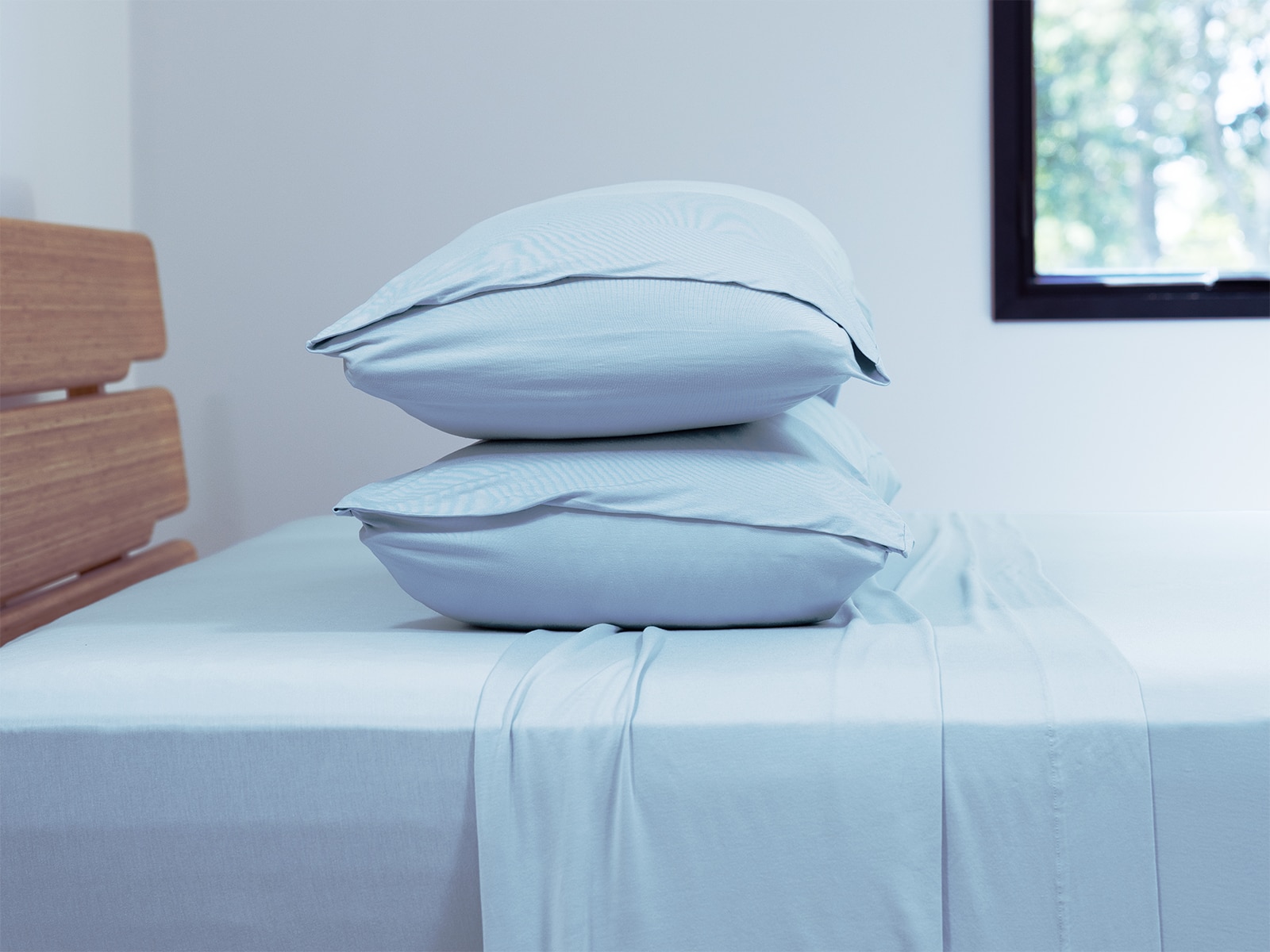
Materials and construction help explain why two cooling comforters can feel quite different, even when both are described as lightweight. Cotton shells can offer a familiar, soft feel and good breathability, although the weave and fabric weight influence airflow. Lyocell fabrics often have a smooth hand and moisture-management properties, while some nylon or polyester blends are engineered for a distinct cool-touch surface. Fiber names alone do not tell the whole story: a dense shell, a thick fill or an extra cover can change how readily warmth escapes. A lower-loft comforter generally provides less insulation than a lofty one, but fill composition and construction also matter. Down-alternative fill can create cushioning without the pronounced volume of heavier bedding, depending on how much fill is used and how it is distributed. Quilted channels or stitched compartments help keep filling from gathering into uneven pockets, which is especially useful for sleepers who turn frequently or pull the comforter from one side of the bed to the other. Reversible construction may offer different textures on each side, giving sleepers a choice between a slicker surface and a softer, more familiar fabric feel. Fit deserves equal attention. Size names are a starting point, but the listed dimensions determine whether the comforter provides enough coverage for the mattress depth and preferred side drape. A queen mattress with a deep profile may need more generous coverage than a shallower mattress of the same size. Twin XL bedding is particularly relevant for many college beds, while California King dimensions require attention to the bed’s longer shape. For couples, adequate width can reduce the tug-of-war over coverage, though separate comforters may be more comfortable when one person prefers less insulation. A duvet cover can make cleaning and styling simpler when the comforter is designed for one, but that added layer may soften a cool-touch sensation or retain extra warmth. An airy cover and a lighter sheet keep the bedding from feeling unnecessarily heavy.
Care requirements are part of everyday comfort, particularly for bedding used by warm sleepers or in bedrooms that retain humidity. The care label should determine the washing method, water temperature and drying approach, since cooling fabrics and fills do not all respond to heat or laundry additives in the same way. Machine-washable construction can simplify regular upkeep, but the comforter needs enough room in the washer to move freely and rinse thoroughly. A tightly packed load may leave detergent behind or clean unevenly. Complete drying is just as important: damp filling can clump, develop odors and lose its inviting feel. Where machine drying is permitted, the recommended setting helps protect the shell and maintain the fill’s distribution. Bleach, fabric softener and high heat should not be assumed safe for specialty cooling finishes. Durability also comes down to practical details such as secure edge seams, even stitching and fabric that holds its shape through repeated care. A smooth shell should feel pleasant against bare arms, while a quiet construction can be welcome for anyone bothered by rustling bedding. Cooling comforters can suit people who tend to feel warm at night, partners with different comfort preferences and households that want a lighter option for guest beds. They can also make thoughtful housewarming or college gifts when the recipient’s bed dimensions and laundry arrangements are known. A soft, manageable comforter is often more useful than one that requires care the recipient cannot easily provide. The mattress underneath contributes to the overall sleep environment, too; exploring
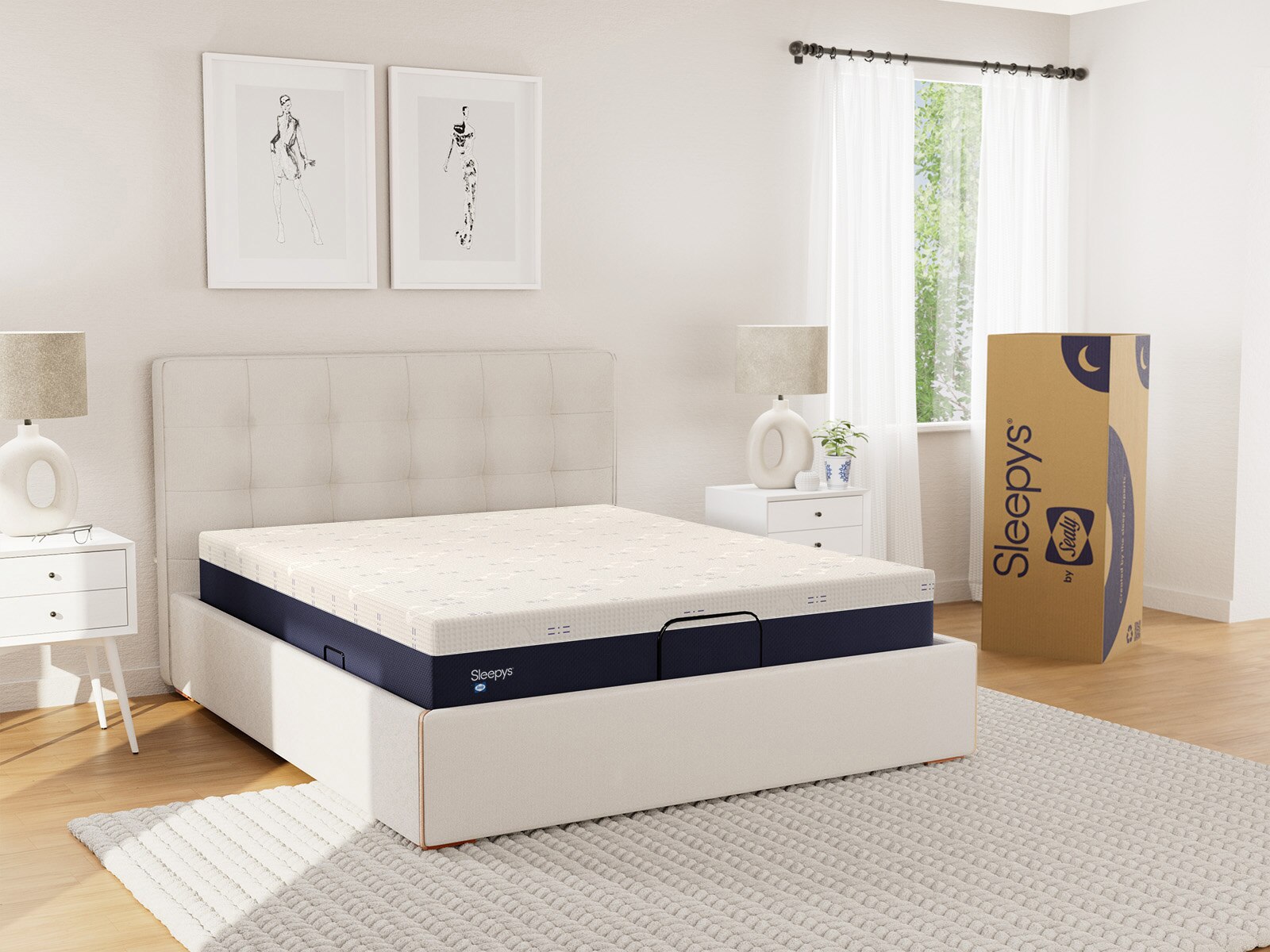
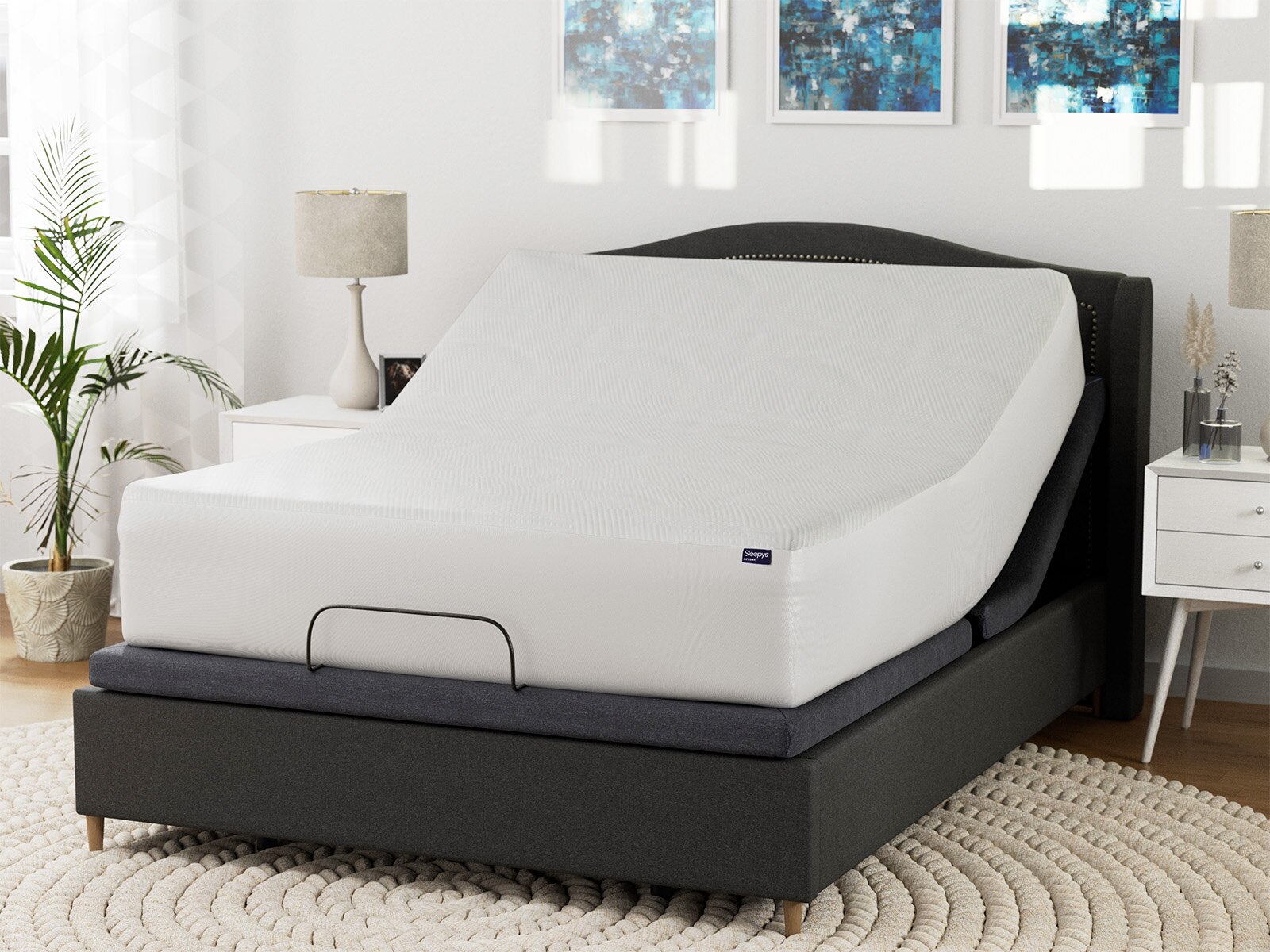
Fall Season Cooling Mattresses can help bring the sleep surface into the same conversation as breathable bedding. Keeping the whole bed in mind makes it easier to balance a refreshing surface with enough coverage for crisp autumn nights, creating a comfortable place to settle in without relying on a thick stack of layers.