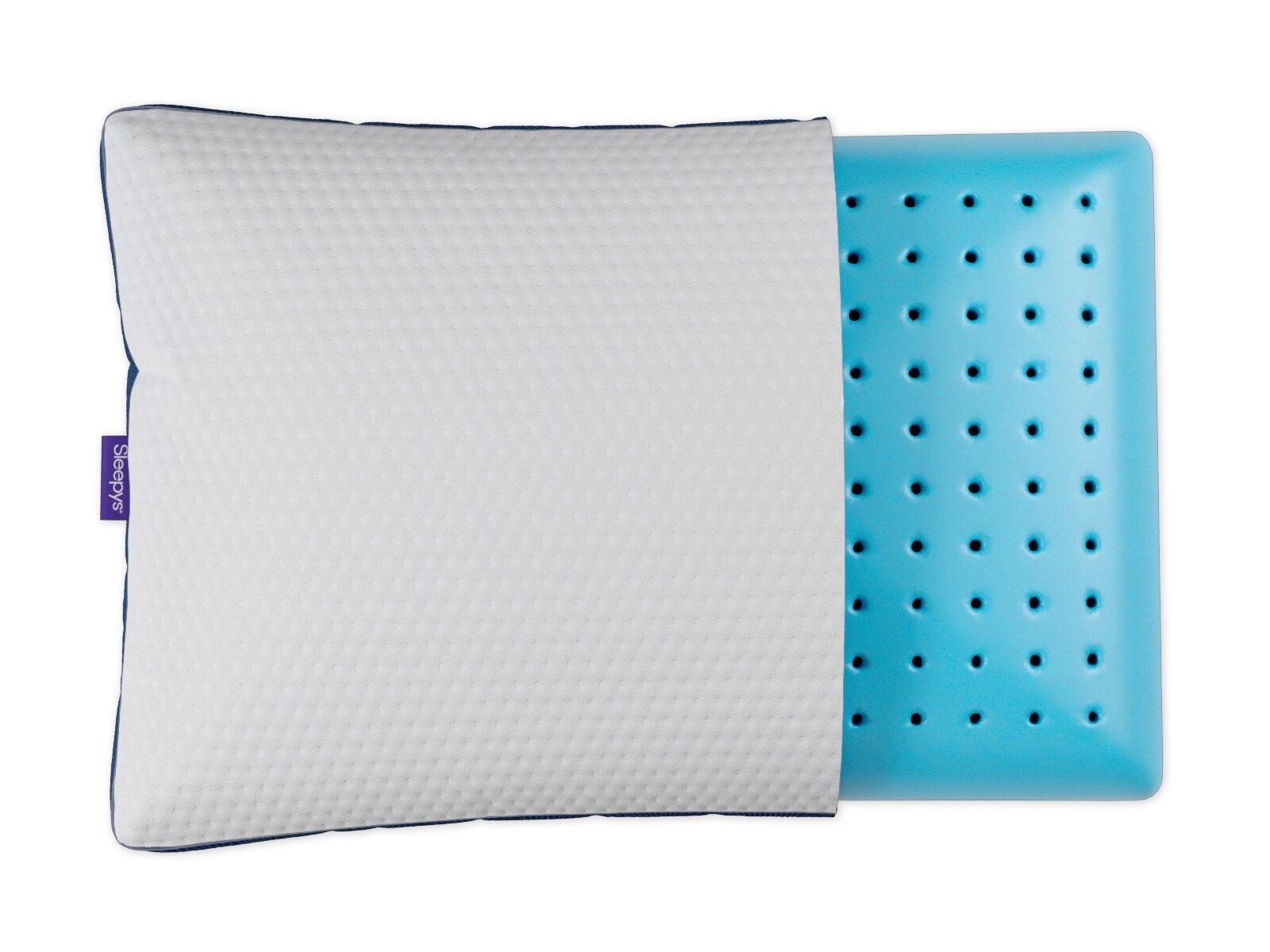
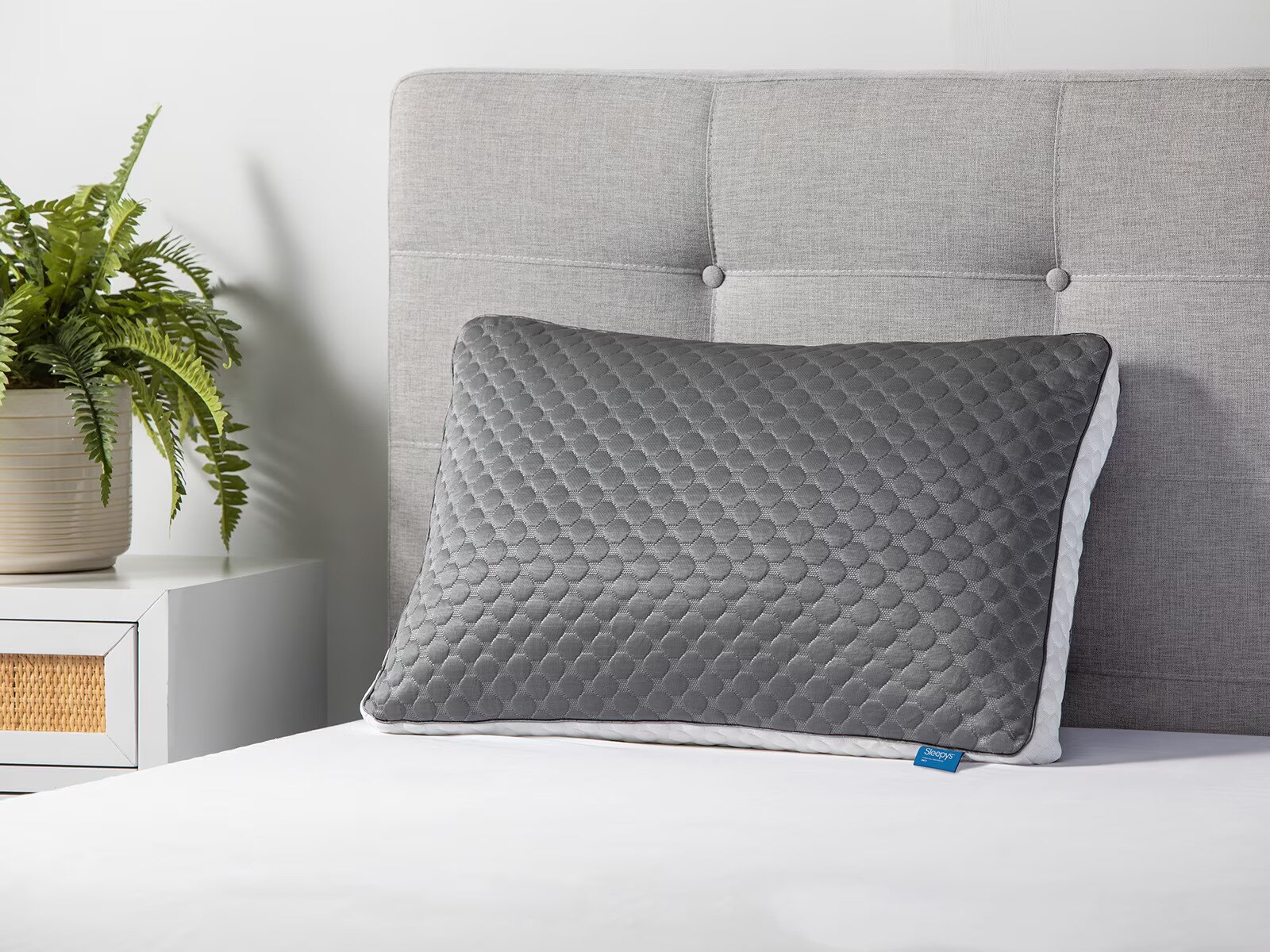
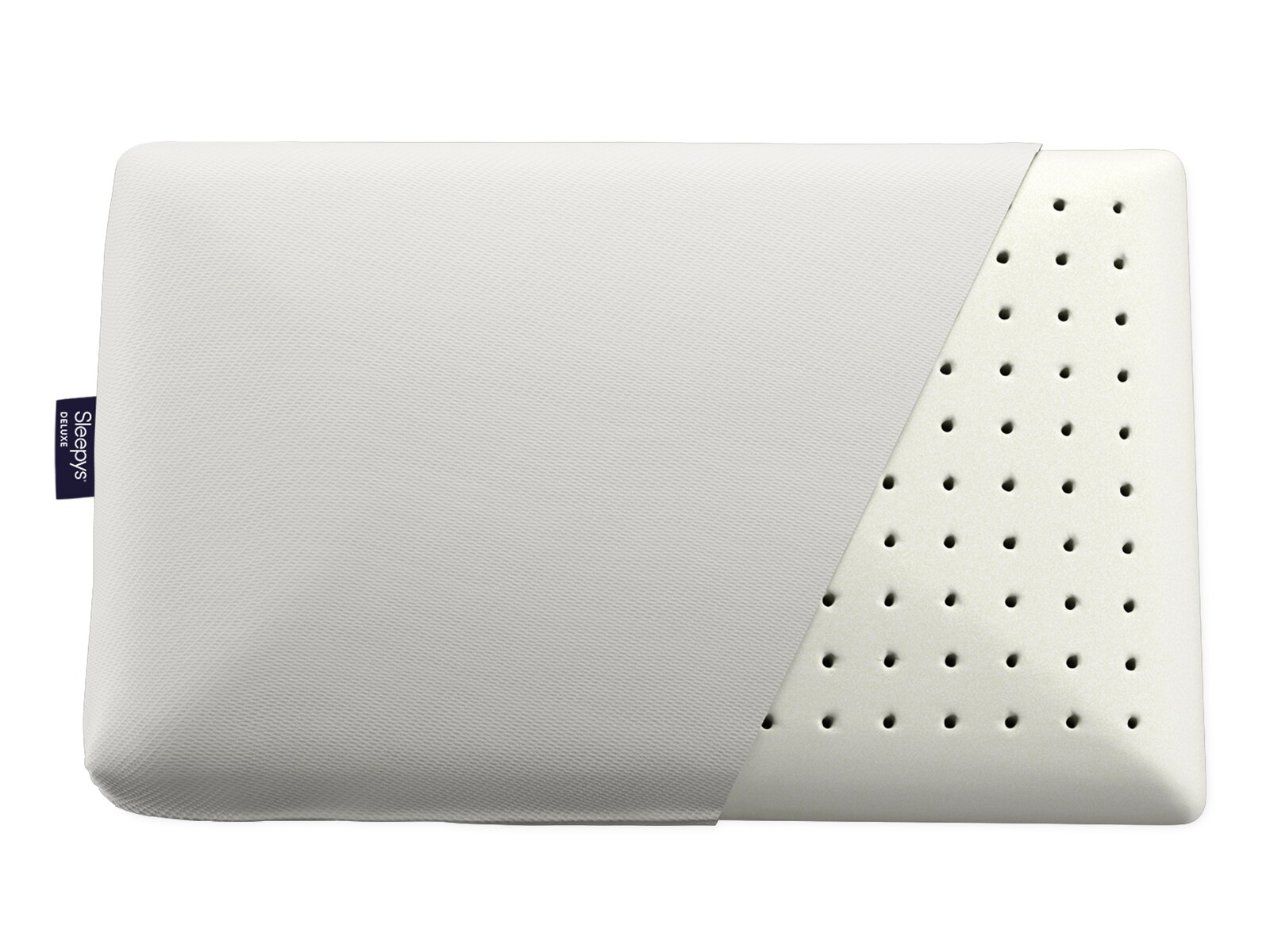
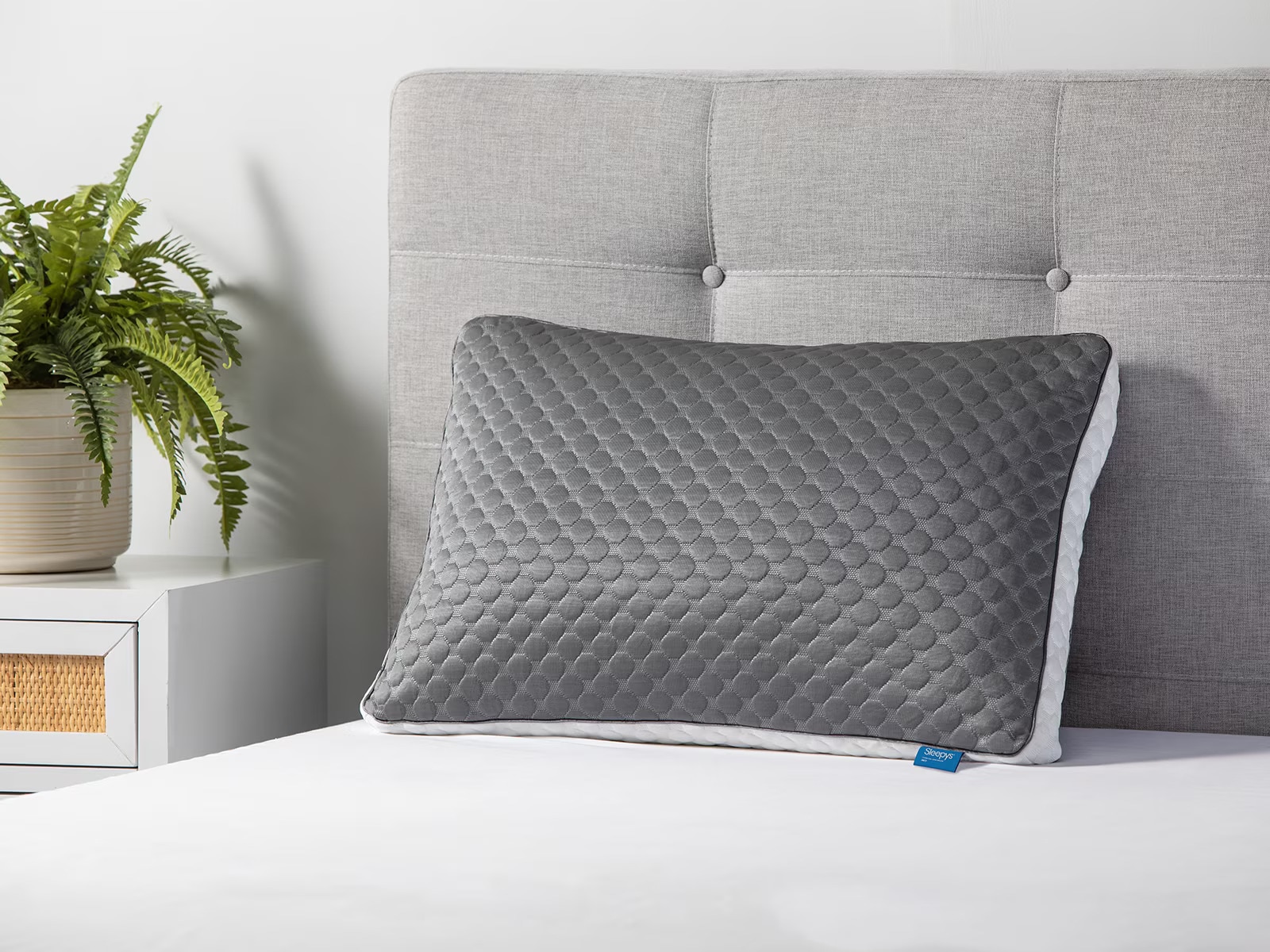
Cooling fill pillows use internal materials designed to help limit heat buildup while supporting the head and neck. Their cooling qualities can come from the fill’s structure, added cooling technology or a combination of both. Shredded memory foam, gel-infused foam, latex and breathable down-alternative fibers are among the materials used in cooling pillow designs, and each offers a different balance of cushioning, airflow and resilience. Shredded foam has spaces between the pieces that can allow air to move through the pillow, while also letting the fill shift around the shape of the head. Memory foam tends to contour gradually under pressure, creating a cradled feel. Latex generally responds more quickly and feels springier, with some constructions using ventilation holes to encourage airflow. Down-alternative fibers typically offer a softer, more compressible feel that suits sleepers who enjoy fluffing and shaping their pillow. Gel infusions may help manage heat within the fill, but gel alone does not guarantee lasting cooling. The amount of fill, its density and the fabrics surrounding it all influence how a pillow feels over several hours. Some designs also incorporate phase-change materials, which absorb and release heat within a particular temperature range rather than providing unlimited cooling. It helps to distinguish cooling technology inside a pillow from cooling features at its surface. Comparing these designs with
Cooling Cover Pillows can clarify whether the feature that matters most is within the fill, in the outer fabric or in both. A cool-to-the-touch cover creates an immediate sensation against the skin, while breathable internal construction helps air move through the pillow. Neither feature tells the whole story on its own. For someone who regularly turns a pillow over to find a more comfortable spot, the most useful combination may be breathable fill, a compatible cover and support that stays comfortable after that first cool touch fades.
The right cooling fill pillow should fit the way the head, shoulders and mattress meet, not simply feel refreshing when first touched. Loft describes a pillow’s height, but its height under the weight of the head matters more than how tall it looks on a shelf. A lofty fiber pillow may compress considerably, while a denser foam pillow may hold more of its original shape. Side sleepers often need enough height and support to fill the space between the head and mattress without pushing the head upward. Shoulder width and mattress cushioning affect that space: a shoulder that sinks farther into the mattress can reduce the height needed from a pillow. Back sleepers generally benefit from a more moderate profile that supports the neck without pressing the chin toward the chest. Stomach sleepers often find a thinner, softer pillow more comfortable because extra height can increase the angle of the neck. These are starting points rather than fixed rules, especially for people who change positions. Someone who begins on their side and wakes on their back may prefer a responsive fill that reshapes easily instead of a deeply contoured surface that feels restrictive when turning. Adjustable cooling fill pillows allow some of the contents to be removed or added, making it possible to fine-tune height and firmness together. Small changes are usually more useful than removing a large amount at once; allow the remaining fill to settle before deciding whether another adjustment is needed. Nonadjustable designs can also work well when their compressed height and feel suit the sleeper. Pillow dimensions deserve attention, too. A pillow should fit its pillowcase without being squeezed tightly, which can change its shape and feel. For a primary bedroom, guest room or shared bed, comfort is individual: two people using the same mattress may need different pillow heights, different fill textures and different levels of cushioning.
Care requirements and shape retention are important parts of choosing a cooling pillow that will remain comfortable with regular use. Check the care label for the entire pillow, not just its removable cover. A washable cover does not necessarily mean the foam or inner fill can go into a washing machine. Some fiber-filled pillows can be machine washed when the manufacturer permits it, while many foam and latex designs require more limited cleaning. Any washable pillow needs to dry completely according to its care directions before returning to the bed. For adjustable designs, keep removed fill clean, dry and stored in a closed container so it can be used for later adjustments. Routine fluffing may help redistribute loose fibers or shredded foam, particularly if the center becomes compressed or fill gathers near the edges. A pillowcase and suitable protector can help keep the pillow cleaner between washes, although thick or less breathable layers may soften the sensation of cooling fabrics. Follow the manufacturer’s recommendations when choosing those layers rather than assuming that every protector will preserve the same feel. Durability depends on the material, construction, care and amount of use, so a single replacement schedule will not suit every pillow. Persistent clumps, uneven support, tears or a shape that no longer recovers are practical signs that a pillow may no longer be doing its job. Cooling features cannot compensate for fill that has become uncomfortable or no longer supports the head consistently. For everyday use, consider how much maintenance fits comfortably into the household routine, especially when choosing pillows for several beds. Cooling fill pillows can also be thoughtful gifts for someone who has mentioned sleeping warm or wanting a different pillow feel. An adjustable design may offer flexibility when preferences are uncertain, but checking the recipient’s usual sleeping position, pillow size and material sensitivities makes the choice more personal. The best match brings together manageable care, dependable cushioning and a comfortable sleep surface without relying on cooling sensation alone.