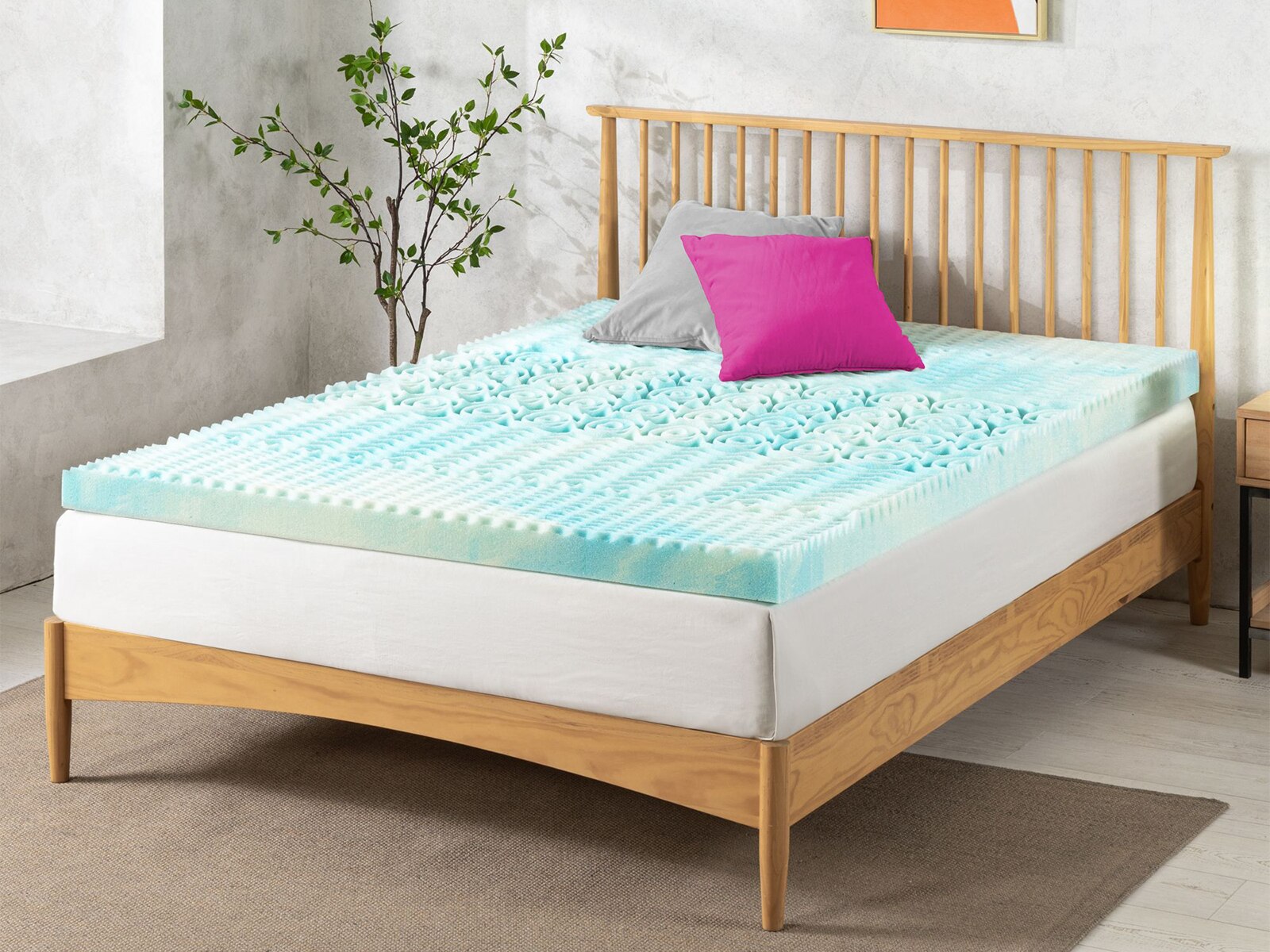
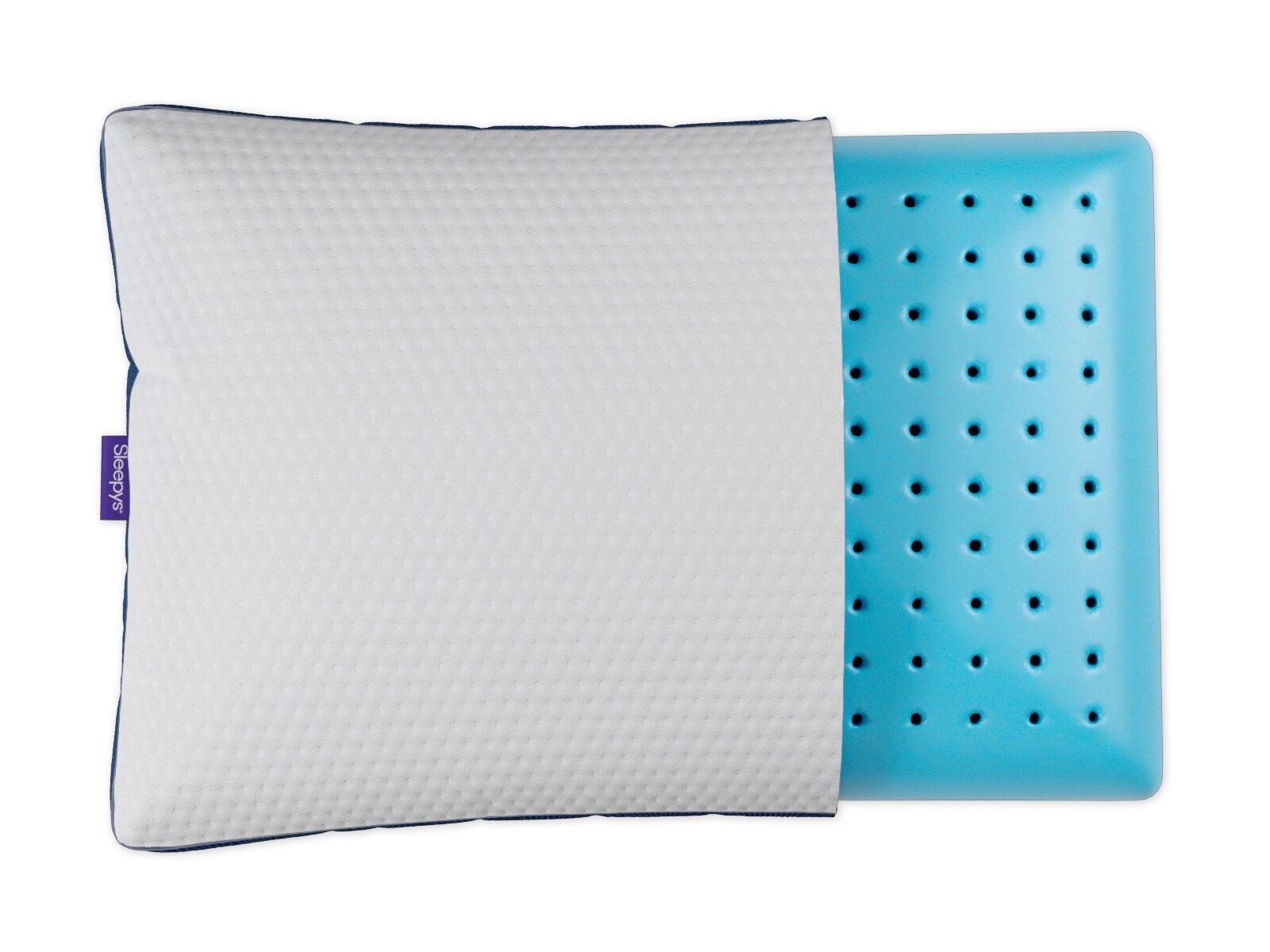
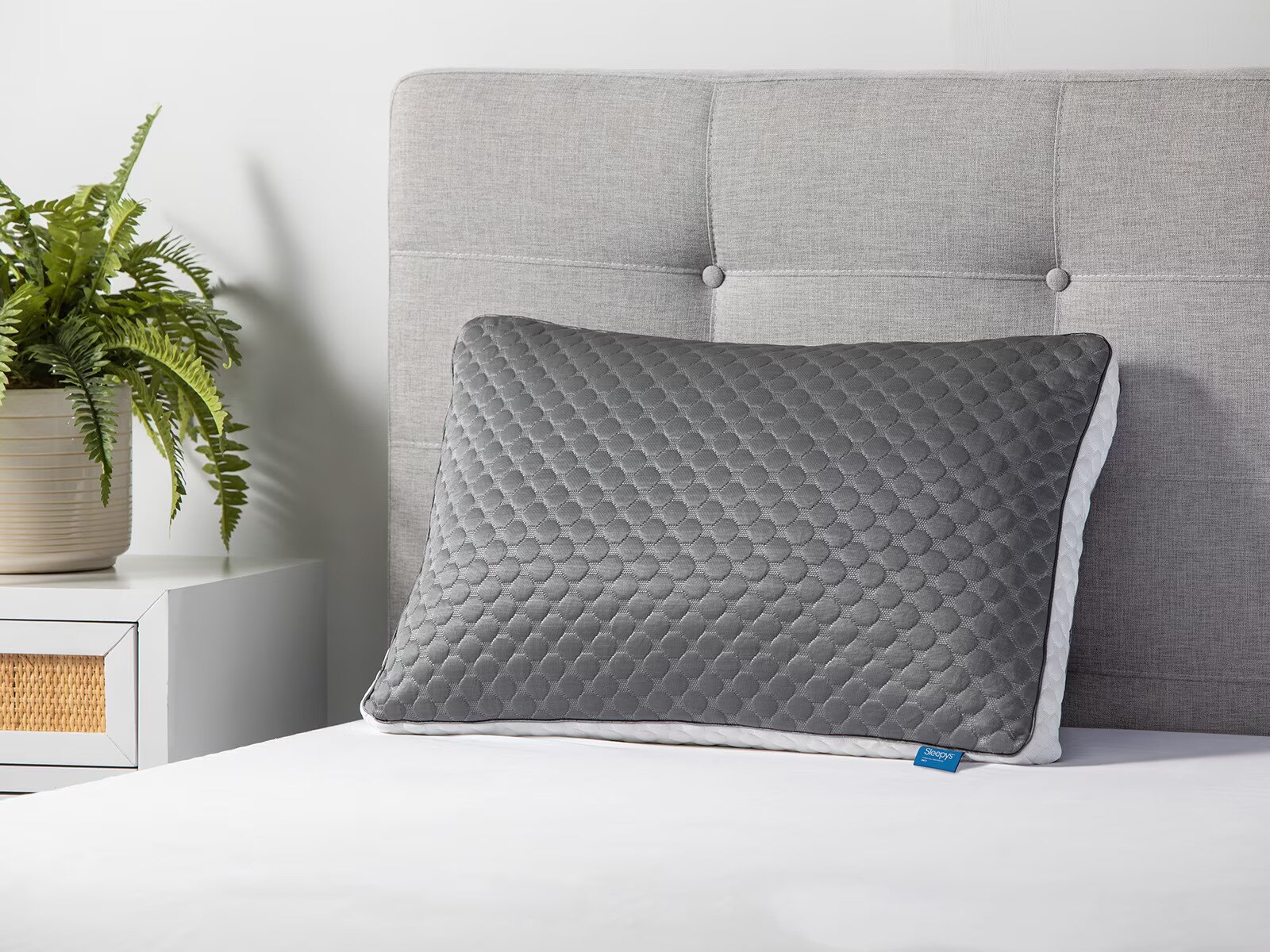
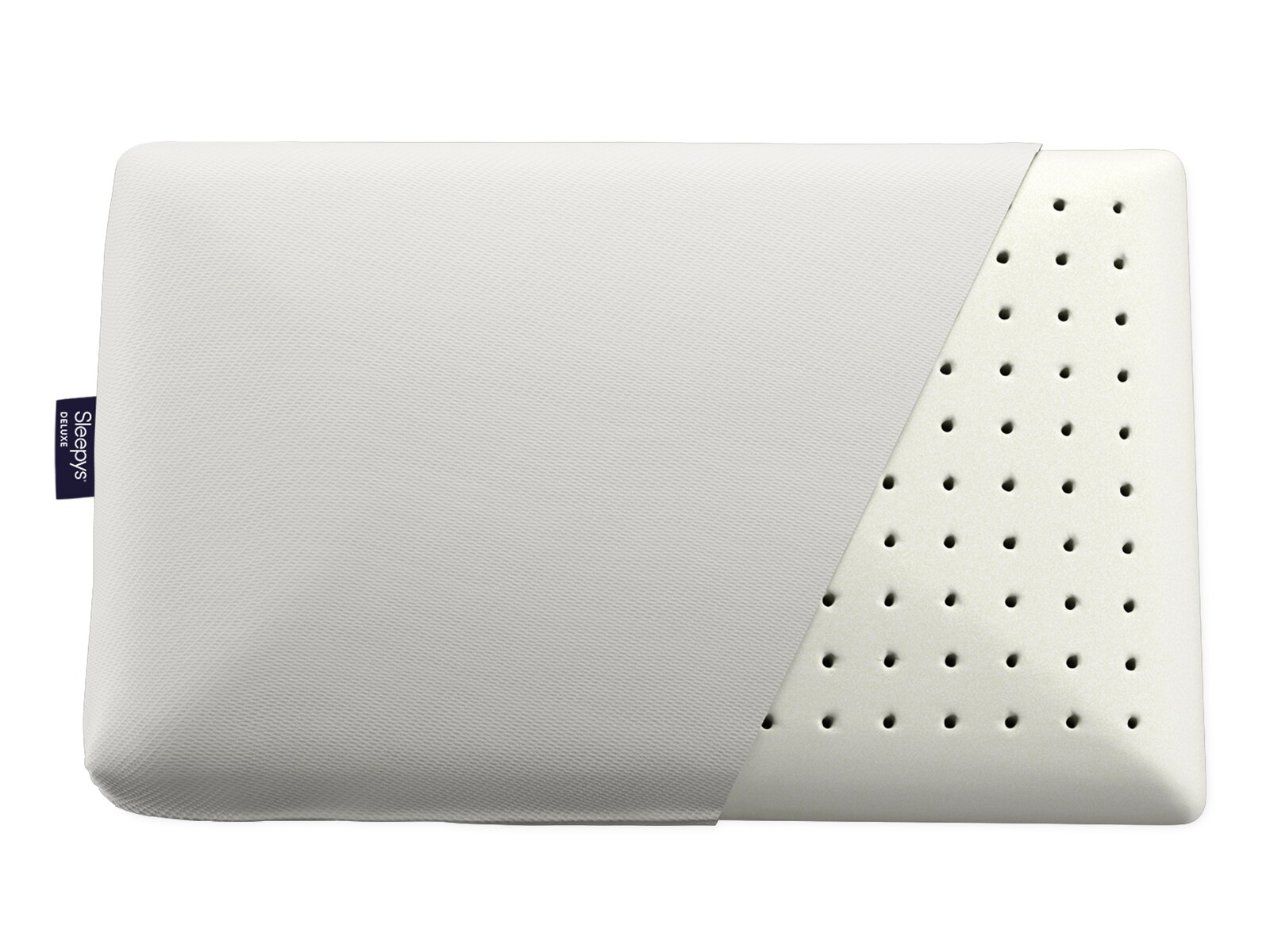
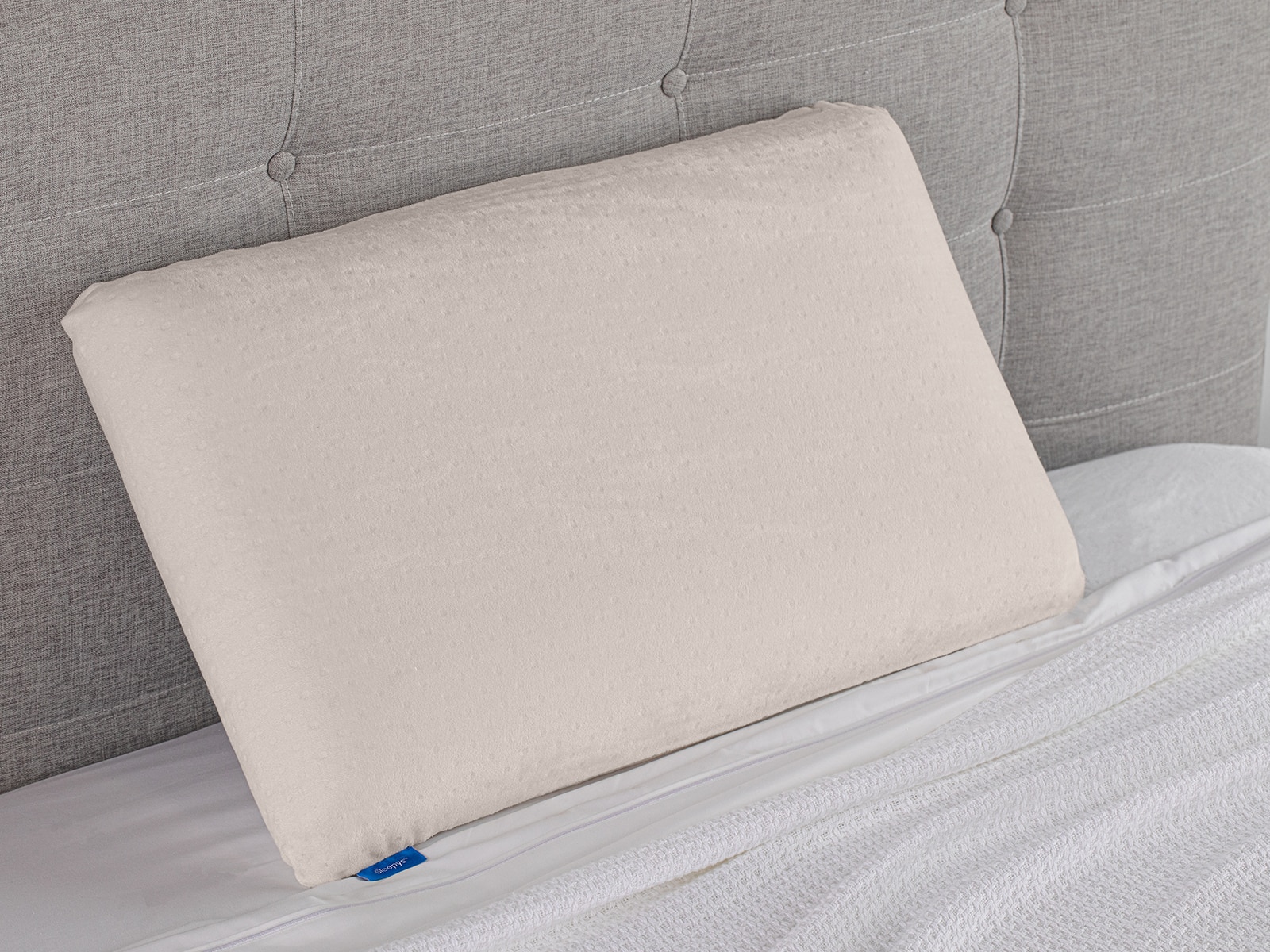
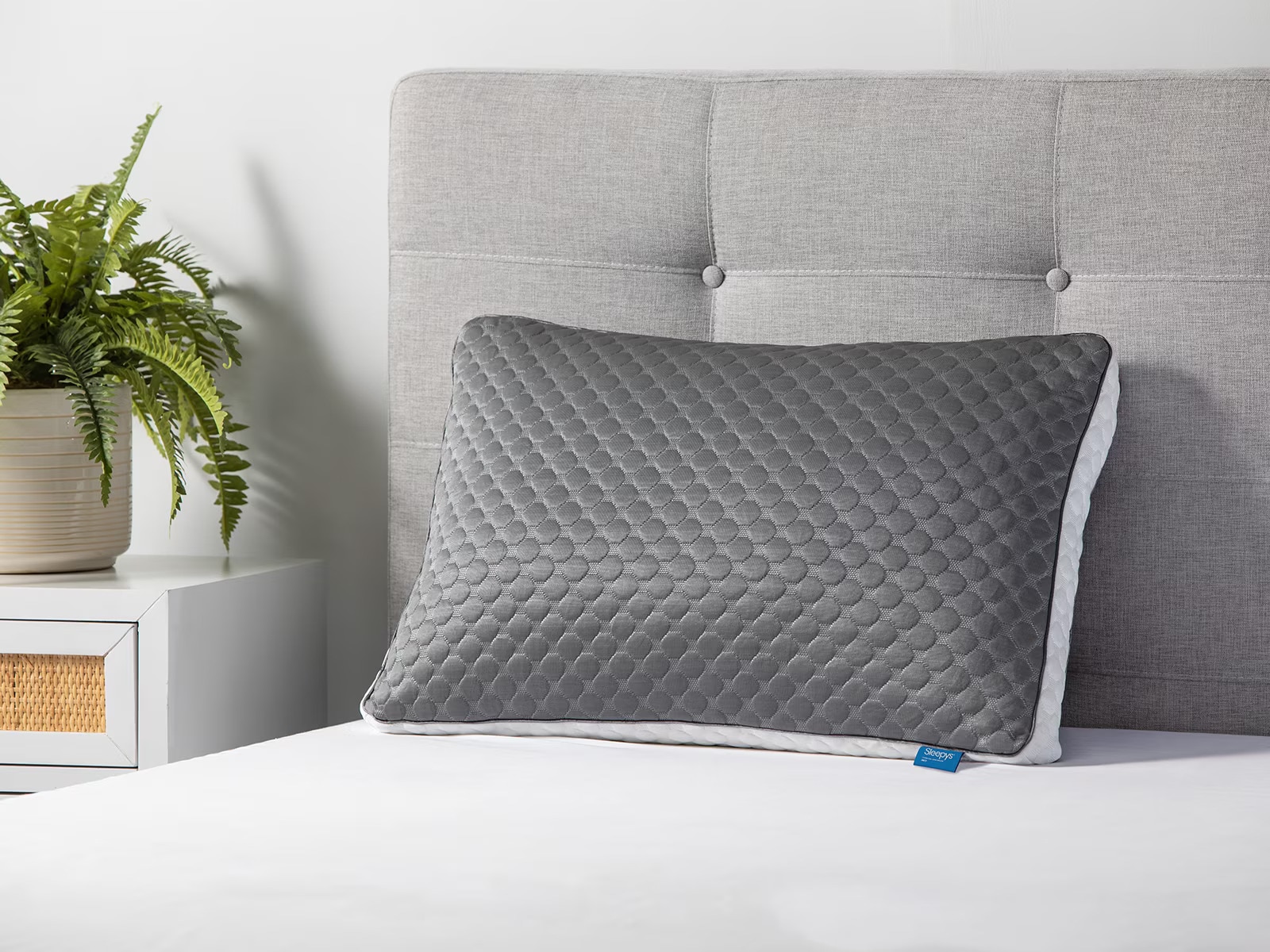
Cooling pillow inserts bring cooling materials into the part of the bed closest to the head and neck, either as a full pillow insert or as a thin layer used with an existing pillow. A full insert provides both cushioning and structure inside a compatible pillowcase or cover, while a cooling pad usually rests beneath the pillowcase to change the surface feel without replacing the pillow underneath. That distinction matters: a thin pad may help someone keep the familiar support of a favorite pillow, but it will not restore fill that has flattened or correct a pillow that is too tall. Depending on their construction, cooling inserts may use gel, ventilated foam, breathable fibers or phase-change materials to manage warmth where the head meets the pillow. Gel and some phase-change materials absorb heat for a time, while open construction and breathable fabrics allow air and moisture to move more easily. These approaches can create different sensations, from an initially cool surface to a less enclosed feel around the face. Passive cooling materials do not continuously produce cold, and their feel can change as they absorb warmth. Someone who regularly turns a pillow over to find a fresh spot may appreciate that initial cooling sensation, while someone bothered by a damp pillowcase may place more value on moisture management and breathability. Cooling pillow inserts can be useful for people who tend to feel warm while sleeping, share a bed with someone who prefers heavier bedding or simply enjoy a cooler-feeling place to rest their cheek. They remain one part of a comfortable sleep setup rather than a treatment for persistent sweating or disrupted sleep. The pillowcase, protector and bedding surrounding an insert also affect its performance, especially when several dense layers separate the cooling surface from the sleeper. A soft, breathable case can preserve more of the intended feel than a thick decorative cover, provided it meets the insert’s care and use requirements.
Materials influence much more than the first cool touch. A solid foam insert generally has a more consistent shape, while shredded foam or loose fiber fill can feel more moldable as the head settles into it. Ventilation channels and spaces between fill pieces may encourage airflow, although actual comfort depends on the complete construction rather than a single material claim. Down-alternative fiber can provide a plush feel, but the density of the fill and the fabric surrounding it affect how readily warmth and moisture move away. Cotton and lyocell covers may offer a breathable surface, while some performance fabrics are designed to move moisture toward the outside of the cover so it can evaporate. None of these materials guarantees the same experience for every sleeper. A tightly packed insert inside a snug case can feel firmer and less airy than expected, even when the fabric itself is breathable. Fit is equally important with a gel pad: one that extends beyond the pillow can bunch at the edges, while a small pad may sit outside the area where the head naturally rests. Length, width and thickness deserve attention alongside size labels such as standard, queen or king. The finished combination should leave enough room for the pillow to compress without pulling the case taut. Sleeping position also changes the balance between cooling comfort and support. Side sleepers often need enough loft to fill the space between the head and mattress, while back sleepers may prefer a profile that supports the neck without pushing the chin forward. Stomach sleepers generally benefit from a lower profile that limits upward tilt. Mattress cushioning and shoulder width influence those needs, so a cooling layer should complement the pillow’s support rather than overwhelm it. A thin pad can still change firmness, surface texture or height, particularly on a low pillow. For someone who frequently changes positions, flexibility and secure placement may matter as much as the cooling sensation.
Care requirements help determine whether cooling pillow inserts fit comfortably into everyday life. A removable, washable cover can make routine upkeep simpler, but a washable cover does not mean the insert itself can go into the washing machine. Some fiber-filled inserts permit machine washing according to their labels, while foam and gel components often require different handling. Water exposure, agitation or high dryer heat can damage certain materials, so the care label should govern cleaning and drying. Any washable fill needs to dry completely before returning to the pillowcase, since trapped moisture can leave it uncomfortable and affect its condition. A compatible protector can help shield the insert from perspiration and spills, though a thick or less breathable barrier may change the cooling feel. Durability depends on the fill, outer fabric, seams and frequency of use. Loose fill may need occasional redistribution if the care instructions allow it; foam should retain enough resilience to support the head without lasting indentations. Gel pads need an intact outer layer, and visible cracks, leaking or damaged seams are reasons to stop using them. Keeping an insert flat or stored as directed can help prevent unnecessary stress on its materials. These practical details are especially useful when considering a pillow insert for a guest room, a shared household or an adult family member who has mentioned feeling warm at night. As a gift, cooling bedding is most thoughtful when the recipient’s pillow size, preferred firmness and cleaning preferences are known; an unfamiliar texture or added height can matter more than expected. When comparing
Cooling Comfort Inserts, dimensions, material descriptions and care requirements provide a clearer picture than the cooling label alone. The strongest match is an insert that works with the pillow already in use, feels comfortable against the face and suits the way its owner sleeps. Cooling comfort is most useful when it comes with dependable support, manageable care and a surface that feels inviting long after the pillowcase is freshly changed.