Cooling pillows for side sleepers combine cushioning for the head and neck with materials designed to manage heat near the sleep surface. A supportive fit matters just as much as a cool feel: when the shoulder rests on the mattress, the pillow needs enough height to fill the space beneath the head without pushing it upward. Many side sleepers prefer a medium-to-high loft, often around four to six inches before compression, although shoulder width, mattress firmness and the way the fill settles all influence the right fit. Broader shoulders or a firmer mattress may call for more height, while a softer mattress that allows the shoulder to sink can make a lower profile more comfortable. The goal is a head position that follows the natural line of the spine rather than tilting toward the mattress or ceiling. Firmness and loft describe different qualities, so a tall pillow is not necessarily a supportive one. A loosely filled pillow may compress substantially beneath the head, while a resilient core can maintain its shape with less height. Adjustable fill offers room to fine-tune that balance, especially for someone who likes a plush surface but needs steady support underneath. Contoured shapes can provide a raised area beneath the neck, and a curved shoulder cutout can let the pillow sit closer without crowding the shoulder. A traditional rectangular shape may suit sleepers who frequently turn over, hug a corner or reposition the pillow during the night. Gusseted edges add depth around the perimeter, though the fill and construction determine how well that depth holds up under pressure. For someone who falls asleep on one side and wakes on the other, consistent support across the pillow can be more useful than a deeply sculpted shape. These distinctions make cooling pillows for side sleepers a category defined by both temperature-related features and the practical fit of the pillow against the body.
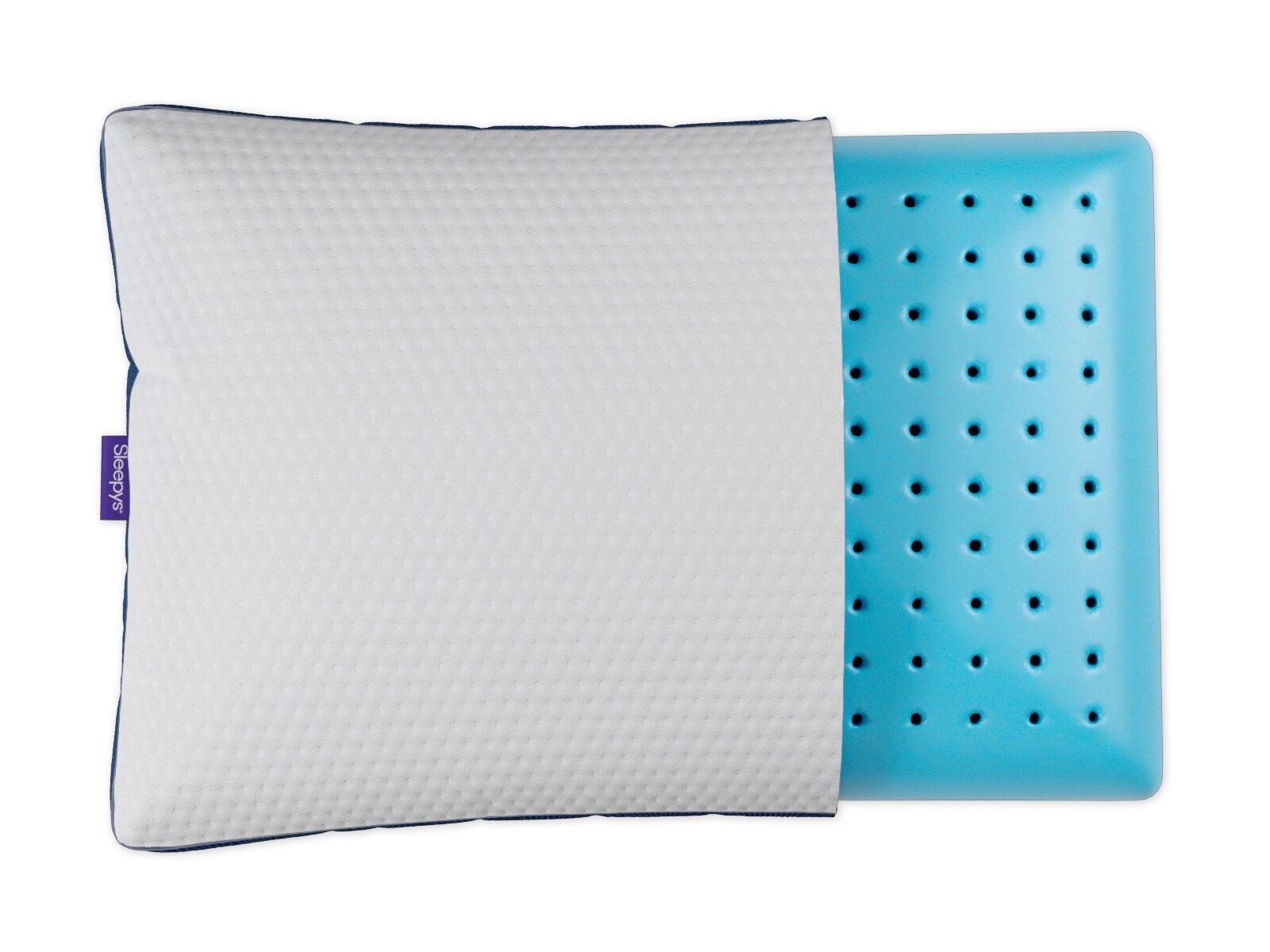
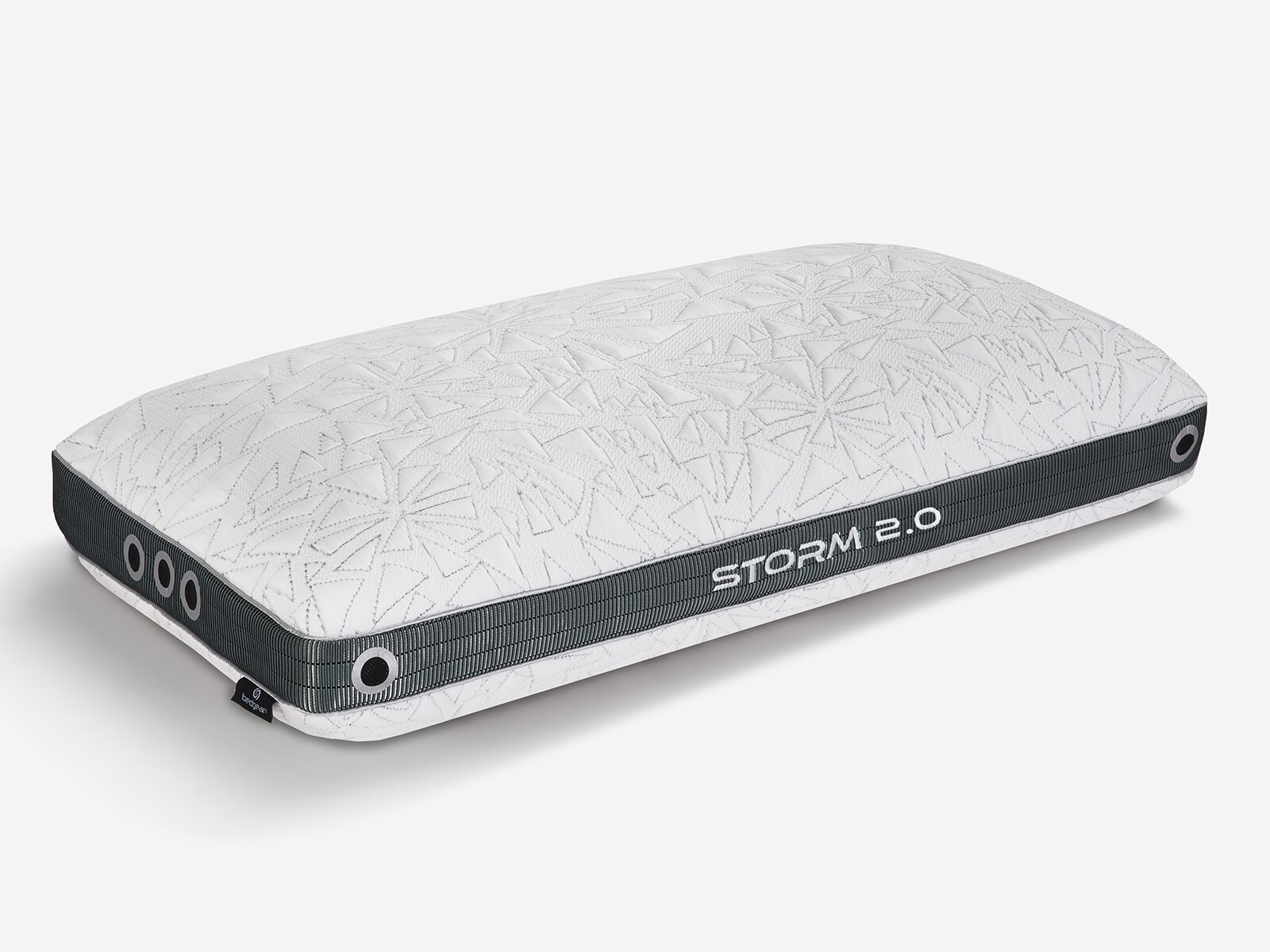
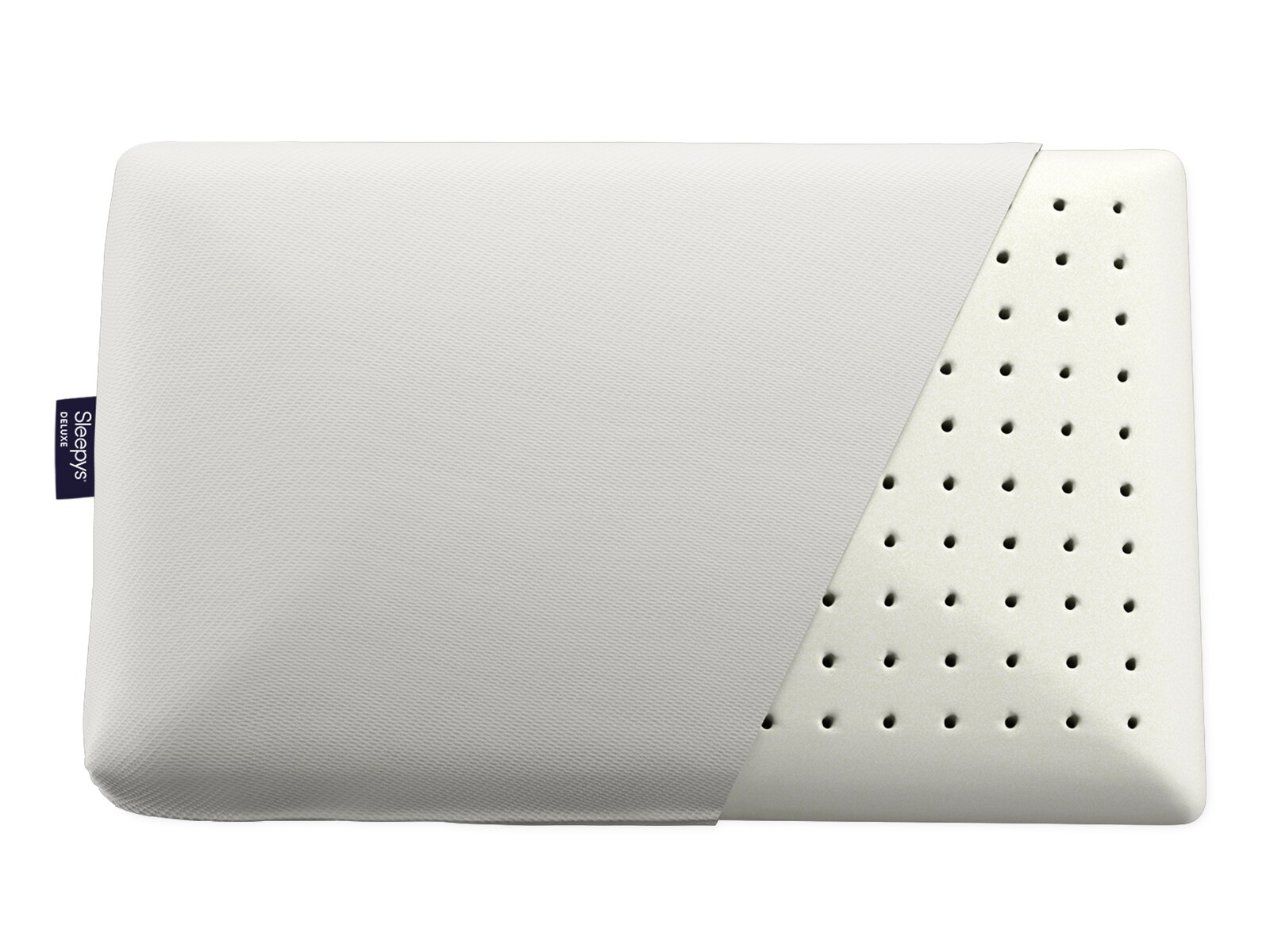
The cooling experience depends on how the cover, fill and surrounding bedding work together. Cool-touch fabrics can feel refreshing when the cheek first meets the surface, while breathable construction helps air move through the pillow as the sleeper changes position. Phase-change materials absorb and release heat within a particular temperature range, helping moderate the feel of the surface rather than actively refrigerating it. Gel-infused foam is another common construction, but the presence of gel alone does not establish how cool a pillow will feel through the night. Ventilation channels, an open structure and a cover that allows heat and moisture to move away from the skin can all contribute to comfort. Solid memory foam typically offers a close, slowly responding cradle, which may appeal to a side sleeper who prefers a stable resting place for the head. Shredded foam has a more moldable feel, with pieces that can be shifted to change the cushioning beneath the neck. Latex tends to respond more quickly to movement and offers a buoyant feel; perforations can create additional pathways for airflow. Fiber-filled pillows often feel softer and more compressible, although they may need fluffing to restore their shape. Each material brings a different balance of contouring, resilience and ease of adjustment, so cooling features work best when paired with a feel the sleeper already finds comfortable. Moisture-wicking covers can help move perspiration away from the skin, but they do not eliminate perspiration or guarantee a dry surface. A breathable pillowcase also matters because it sits directly between the sleeper and the pillow’s cooling fabric. Thick layers can soften a noticeable cool-touch sensation and change the overall feel. The broader
Cooling Pillows collection provides context for these varied constructions, while side-sleeper designs place particular emphasis on maintaining enough support beneath the head and neck. No passive cooling pillow stays cold indefinitely, and individual experiences depend on body heat, bedding and construction.
Everyday use and care influence how well a cooling pillow continues to perform. A removable, washable cover can be especially practical for someone whose face rests closely against the fabric, but the care label should determine how each component is cleaned. Some covers can be machine washed, while many foam or latex cores require spot cleaning rather than soaking or machine washing. Thorough drying is important before a cover goes back on or a pillow returns to the bed, since trapped moisture can affect freshness and material condition. A compatible protector can add a useful barrier against everyday moisture and spills, although its thickness and fabric may change airflow or the sensation of the cooling surface. Adjustable pillows also benefit from careful handling: removable fill needs clean, dry storage, and closures should be fully secured before use. For loose-fill designs, occasional fluffing or redistribution can help prevent a hollow from developing where the head usually rests. With any construction, lasting comfort depends on the pillow recovering enough shape to support the sleeper night after night. Persistent flattening, uneven clumps, torn seams or a core that no longer rebounds can signal that the fit has changed, even when the outer cover still looks tidy. Size is another practical consideration. Standard, queen and king pillows differ in width, and the pillowcase needs to fit without tightly compressing the fill or leaving excessive loose fabric near the face. Someone who keeps an arm beneath the pillow may notice that a very firm or tall design creates more pressure than expected, while a sleeper who turns onto the back may prefer an adjustable profile that does not feel overly high in that position. Cooling pillows can also make thoughtful gifts when the recipient’s sleeping position, preferred firmness and material sensitivities are known. For regular use, the most satisfying combination is a comfortable surface, dependable support and care requirements that fit naturally into the sleeper’s routine.