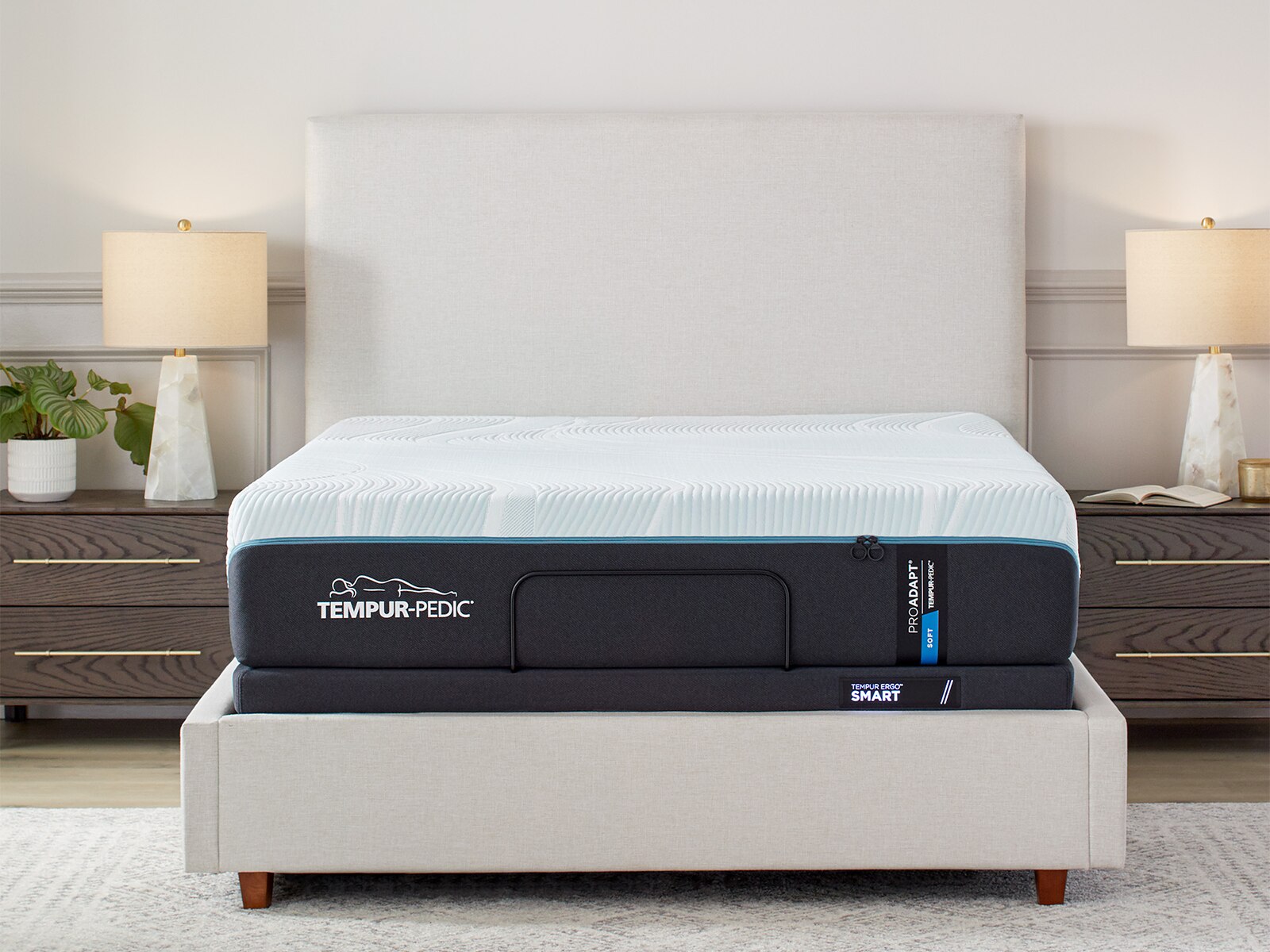
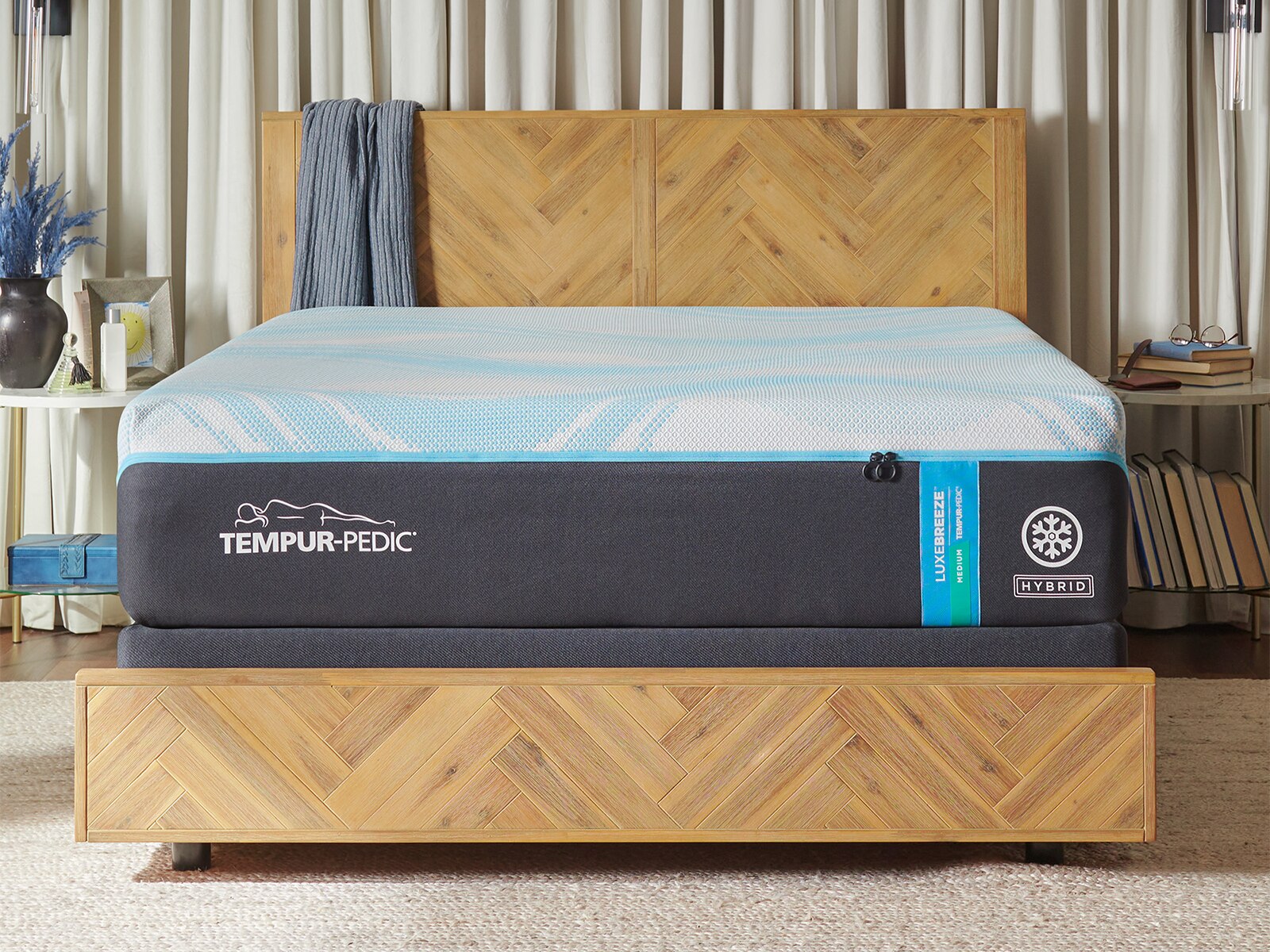
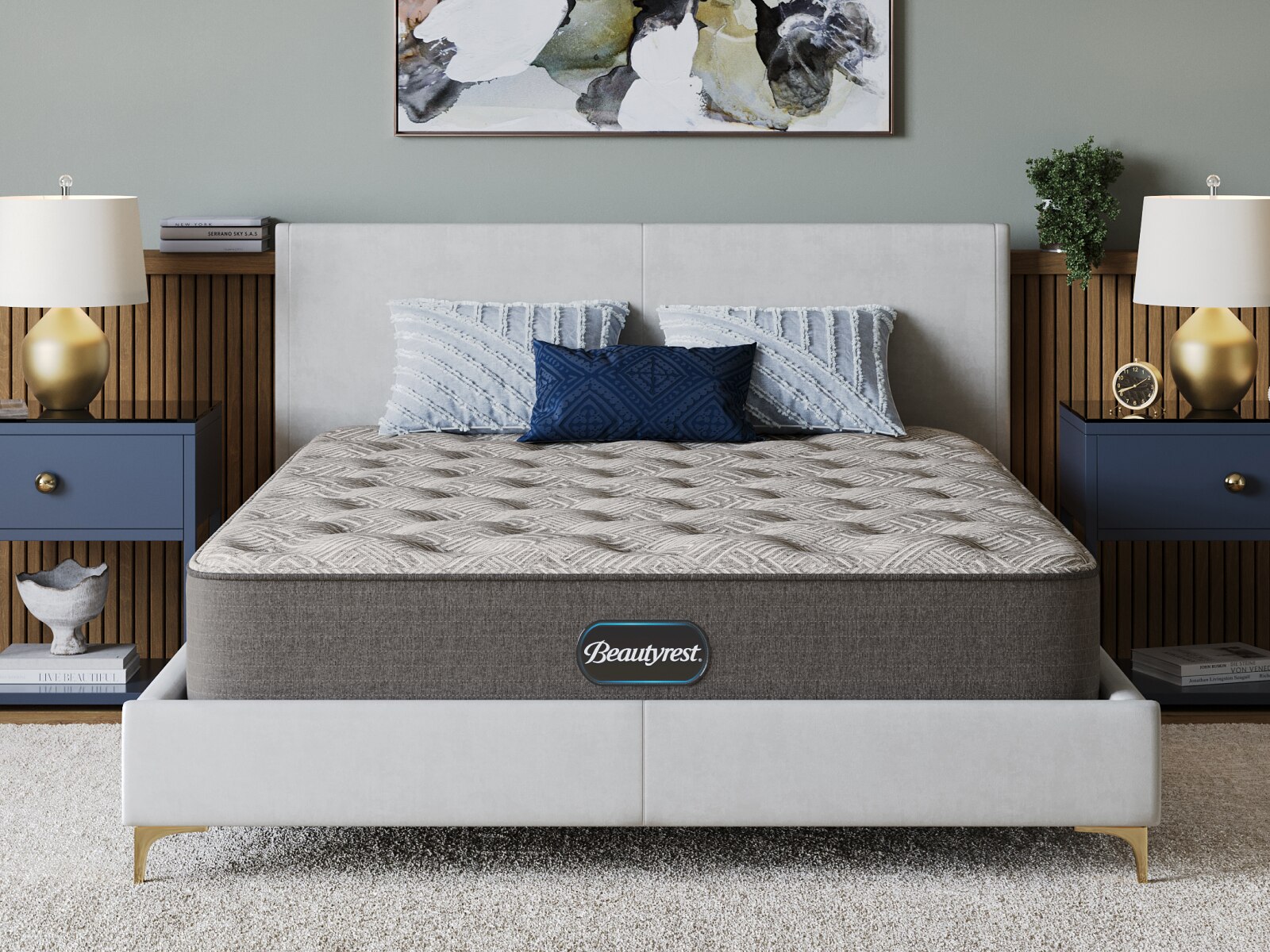
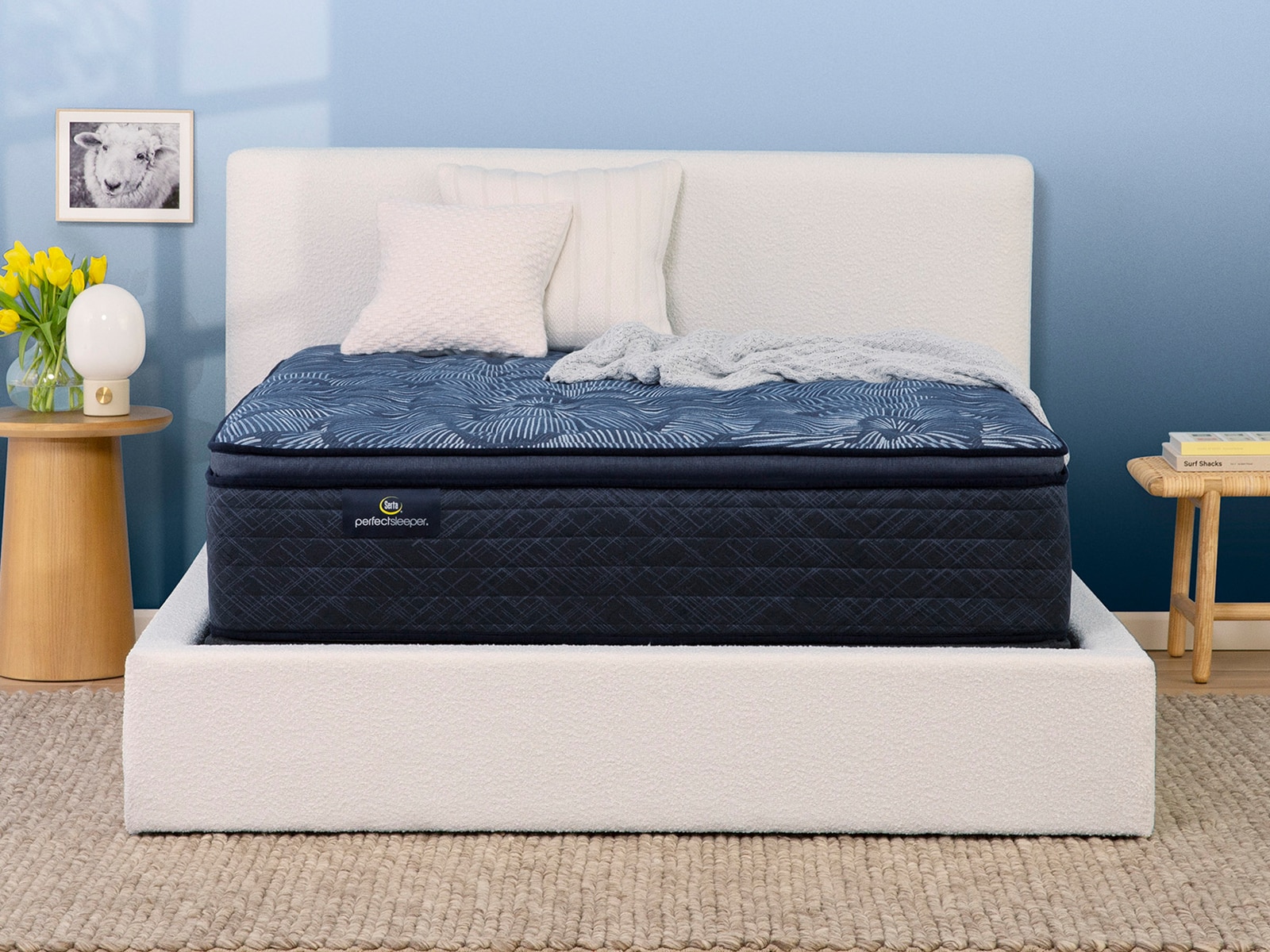
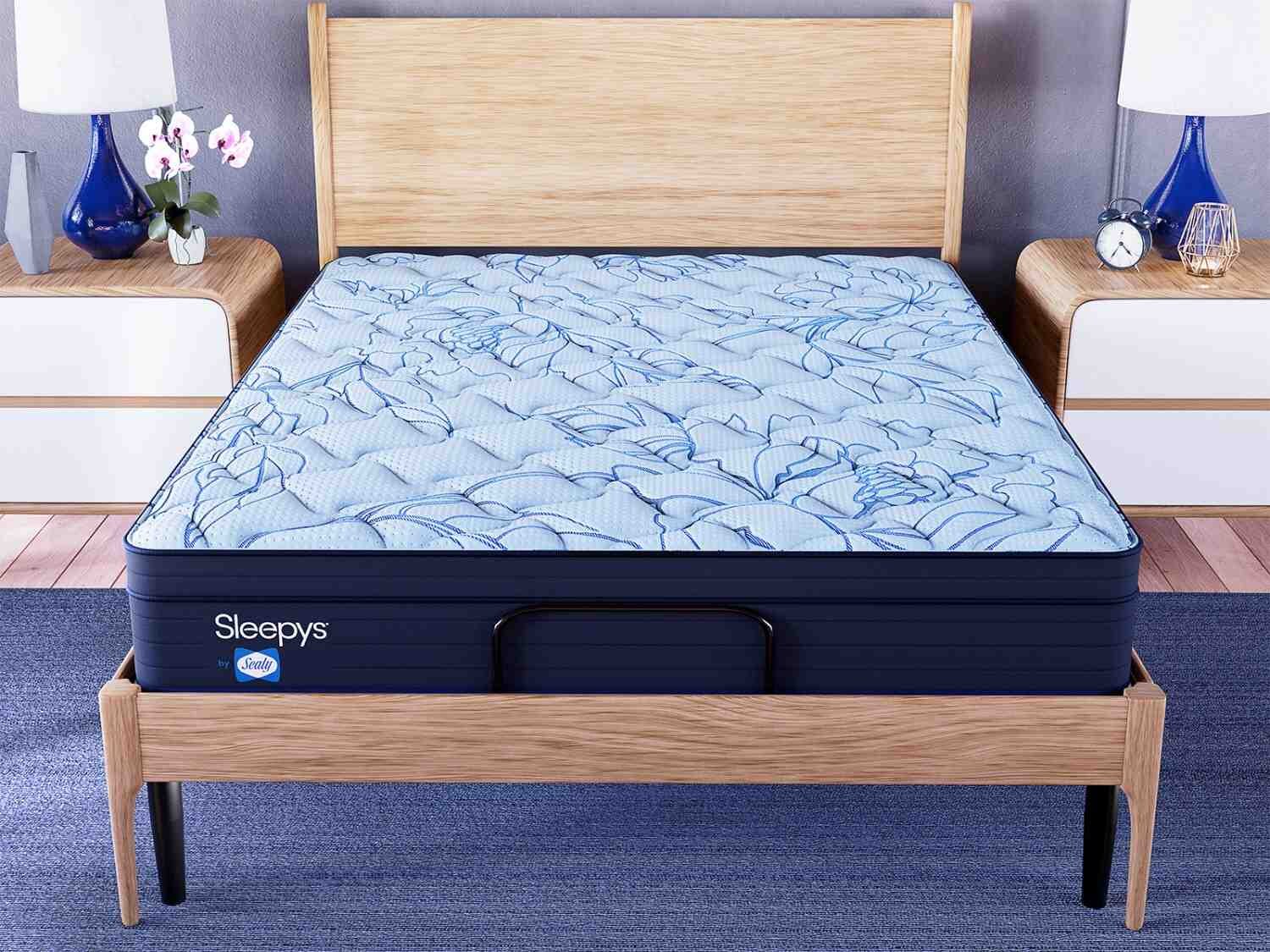
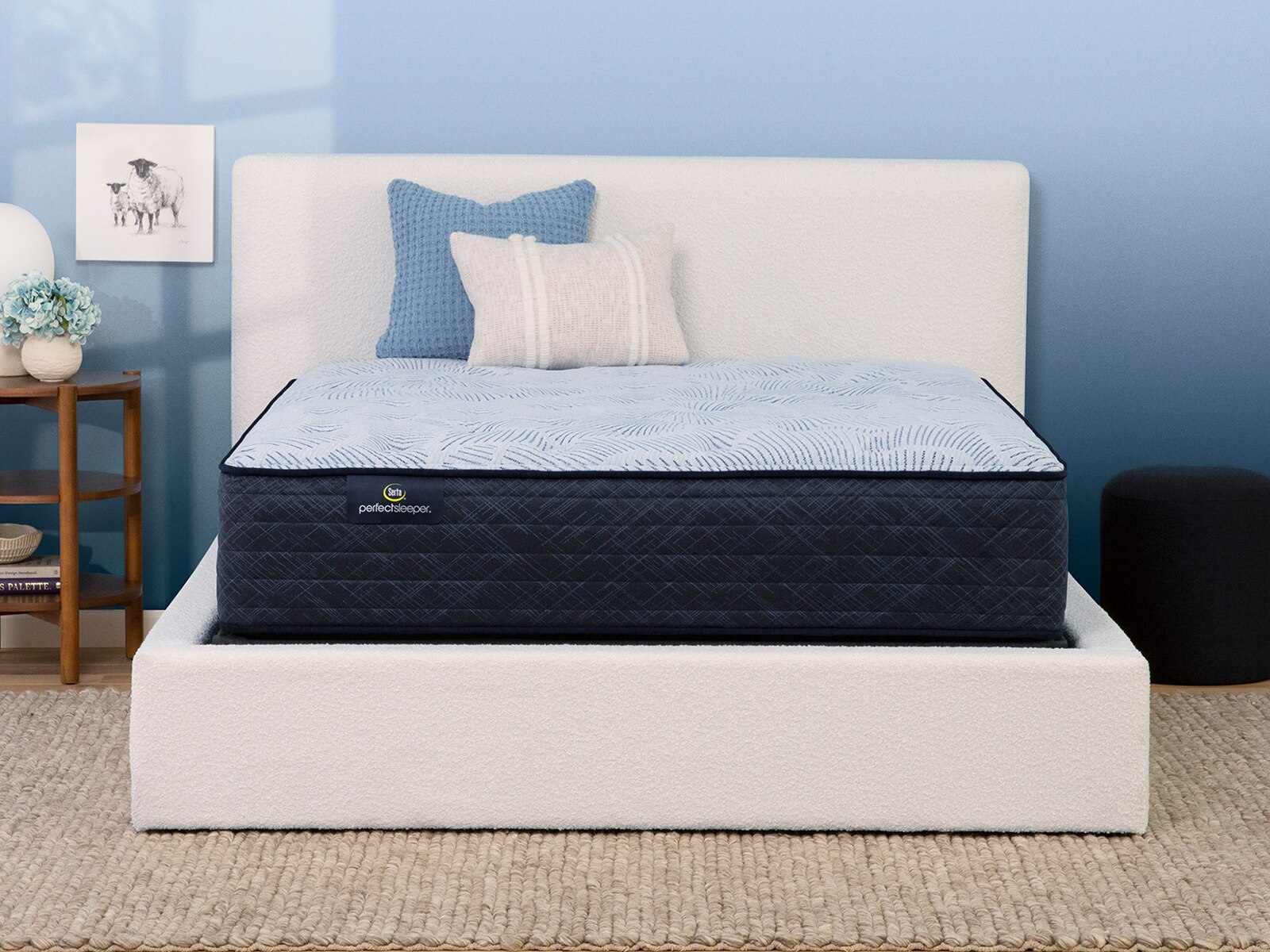
Medium cooling mattresses for side sleepers combine a gently cushioning feel with materials designed to help manage heat near the sleep surface. For someone who settles onto one shoulder with knees slightly bent, the right balance allows the shoulder and hip to ease into the comfort layers while supporting the waist between them. That contouring matters because side sleeping concentrates more body weight over a smaller area than back sleeping. Pressure relief comes from spreading that weight more evenly, rather than leaving the shoulder or hip pressed against a surface with too little give. A medium feel generally falls near the middle of a firmness scale, often around five or six on a 10-point scale, but ratings are not standardized across manufacturers. Body weight, proportions and personal preference can make the same mattress feel noticeably different from one sleeper to another. A lighter person may need more responsive cushioning to settle comfortably into the surface, while a heavier person may need a stronger support system beneath the comfort layers to avoid sinking too deeply. The goal is comfortable alignment, with the head, torso and pelvis resting in a reasonably neutral position instead of the waist dipping or the shoulder being pushed upward. Cushioning depth also matters: a soft initial touch does not necessarily mean the mattress has enough room for the shoulder to settle without meeting a much firmer layer underneath. Medium mattresses can also suit people who begin on their side and turn onto their back overnight, provided the surface makes repositioning comfortable. For couples, this balanced feel may offer useful middle ground when sleep preferences differ, although each person’s comfort still matters. Motion isolation can soften the disturbance of a partner turning over, while stable edges can make more of the mattress surface feel usable. A familiar sleeping position, rather than a brief sit on the edge, gives a more meaningful sense of how the cushioning and support work together.
Cooling performance depends on the full mattress construction, not just a cool first impression. A cover that feels cool to the touch can make settling into bed more comfortable, while breathable fabrics and airflow through the layers help manage the heat and moisture that build up around a sleeping body. Some covers incorporate phase-change materials that absorb heat as they change state, helping buffer temperature changes near the surface. Their effect depends on the material, surrounding conditions and the rest of the bedding; a cooling label does not guarantee that a mattress will stay cool throughout the night. Memory foam offers close contouring that can cushion the curves of a side sleeper, though its heat retention and responsiveness vary with its formulation and construction. Open-cell foam structures can encourage airflow, and gel or other heat-conducting additions may help distribute warmth within the comfort layers. Latex generally has a springier response, allowing the surface to adjust quickly as a sleeper moves rather than holding a deep impression. Hybrid mattresses pair comfort layers with a coil support system, creating space for air to move beneath the cushioning. Individually wrapped coils can also respond locally to body weight, and some constructions use distinct support zones beneath different parts of the body. Zoning is most useful when those areas suit the sleeper’s height and proportions; extra firmness beneath the wrong spot may not feel supportive. Within the broader selection of
Medium Cooling Mattresses, the details of the cover, cushioning and support system help distinguish a close, enveloping feel from a more buoyant surface. Neither sensation is automatically better for side sleeping. Someone who likes a gentle cradle may appreciate slower-response foam, while someone who frequently changes sides may prefer cushioning that rebounds more quickly. The most useful cooling design is one that works alongside comfortable pressure relief, rather than requiring a choice between a comfortable shoulder position and a less enclosed feel.
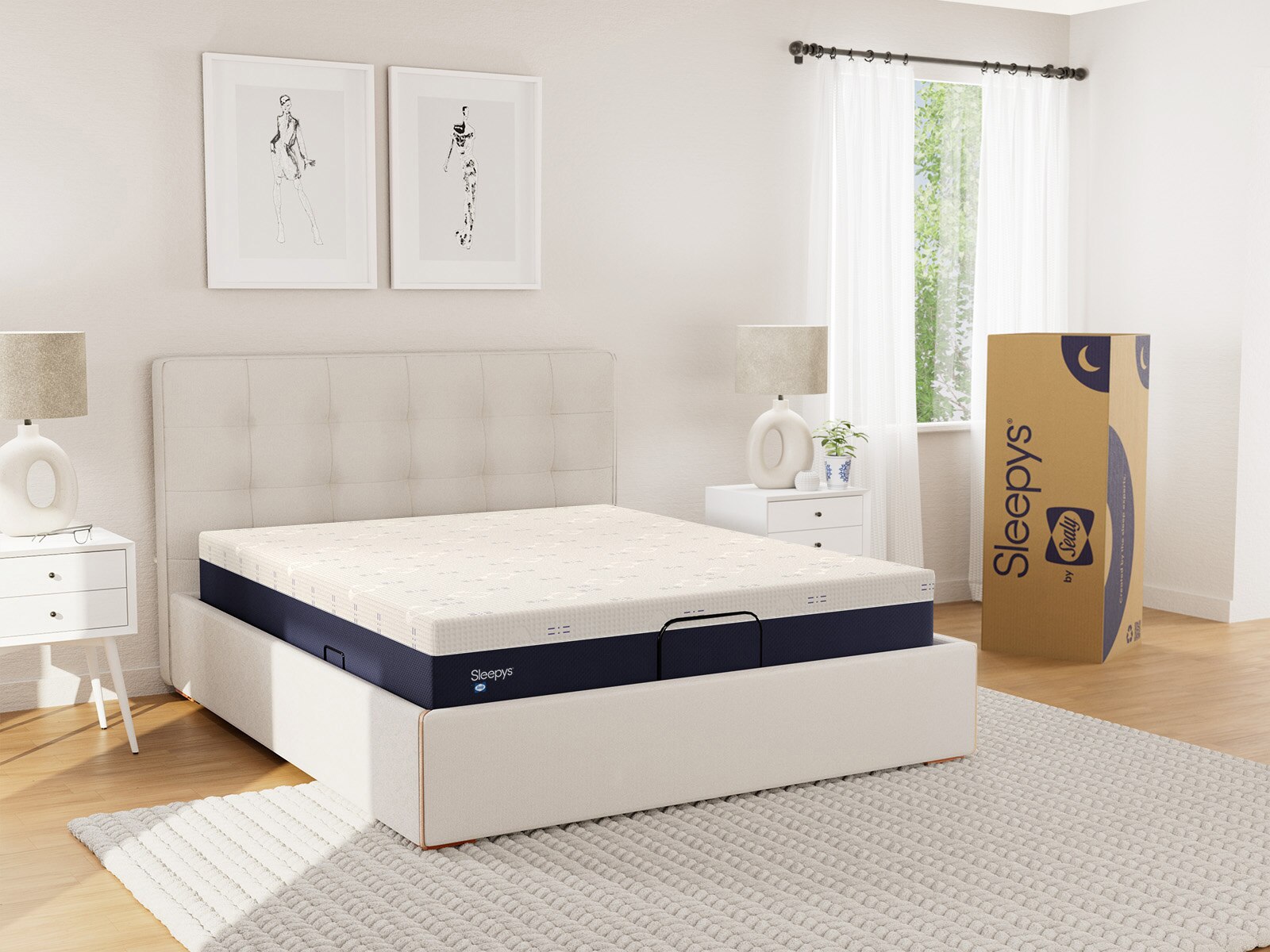
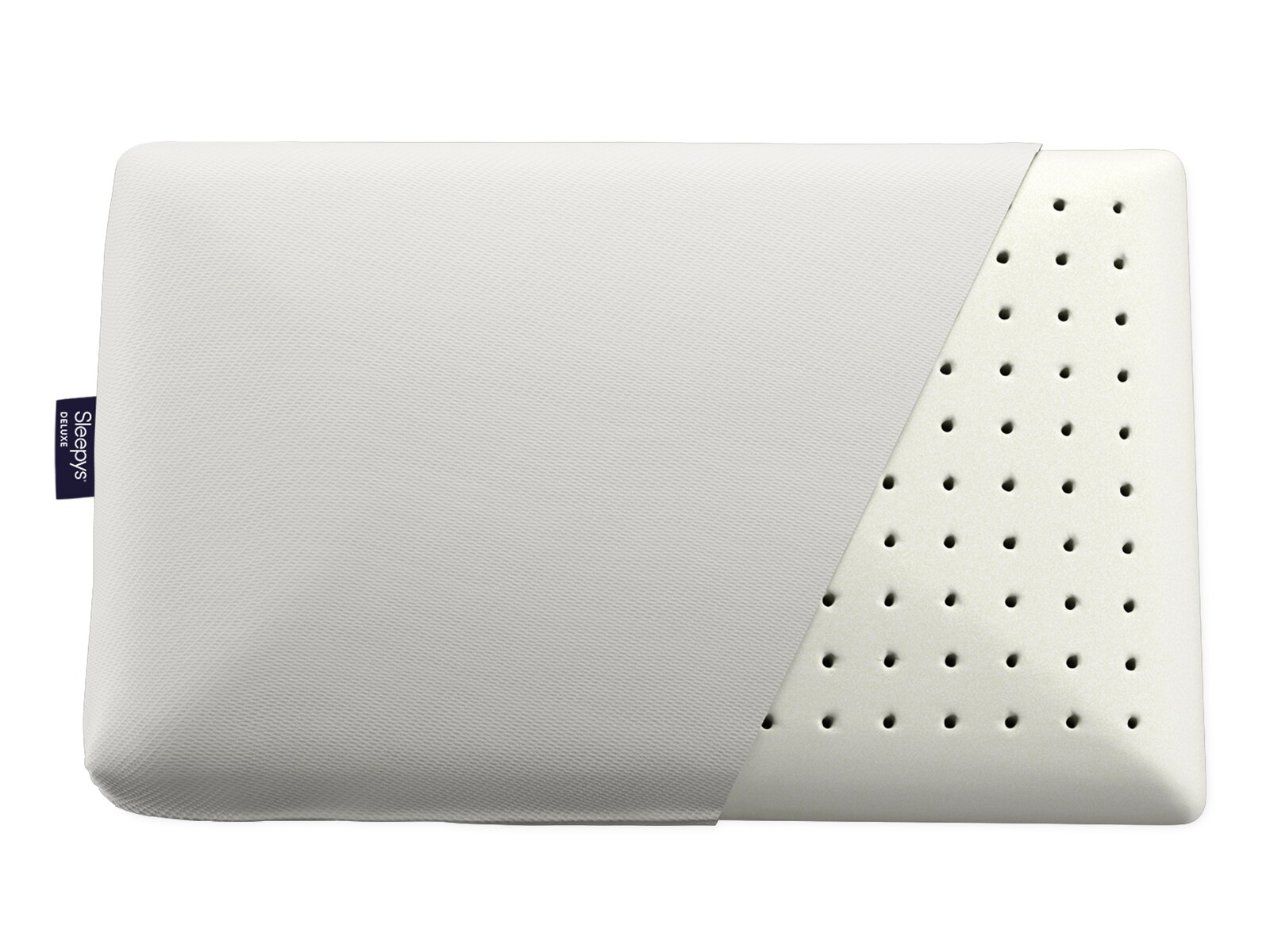
Everyday fit and care help a medium cooling mattress perform as intended over time. Mattress size should leave enough room for a natural side-sleeping posture, including bent knees and an arm resting in front of the body. A queen may provide comfortable space for many couples, while a king offers more room for partners who spread out or shift positions frequently. Mattress height also affects the finished bed: a taller profile changes how easily someone gets in and out and may require deeper fitted sheets. Beneath the mattress, a compatible foundation or platform provides consistent support, so checking the manufacturer’s requirements for slat spacing, center support and adjustable-base use is important. A pillow that fills the space between the head and mattress can complement the mattress’s contouring without tilting the neck sharply upward or downward. Because the shoulder settles into the surface, pillow height may need to change when moving from a firmer mattress to a medium feel. Lightweight, breathable sheets and a protector designed to allow airflow can help preserve the surface feel; a thick topper or heavily padded protector may change both contouring and temperature comfort. For upkeep, follow the care label for removable covers, address spills promptly and avoid soaking the foam or internal layers. Rotate the mattress only as directed, and do not flip a one-sided design unless the manufacturer specifically permits it. Durability depends on material quality, construction, suitable support and regular use, not firmness alone. Dense foam is not necessarily firm foam, and a high coil count by itself does not establish lasting comfort. Look instead at how the layers work together and whether the support requirements suit the bed frame. As a mattress settles with use, a change in surface feel can occur, but persistent sagging or a loss of support warrants attention. Thoughtful pairing with bedding and a sound foundation helps maintain the balanced cushioning that makes this category appealing to side sleepers.