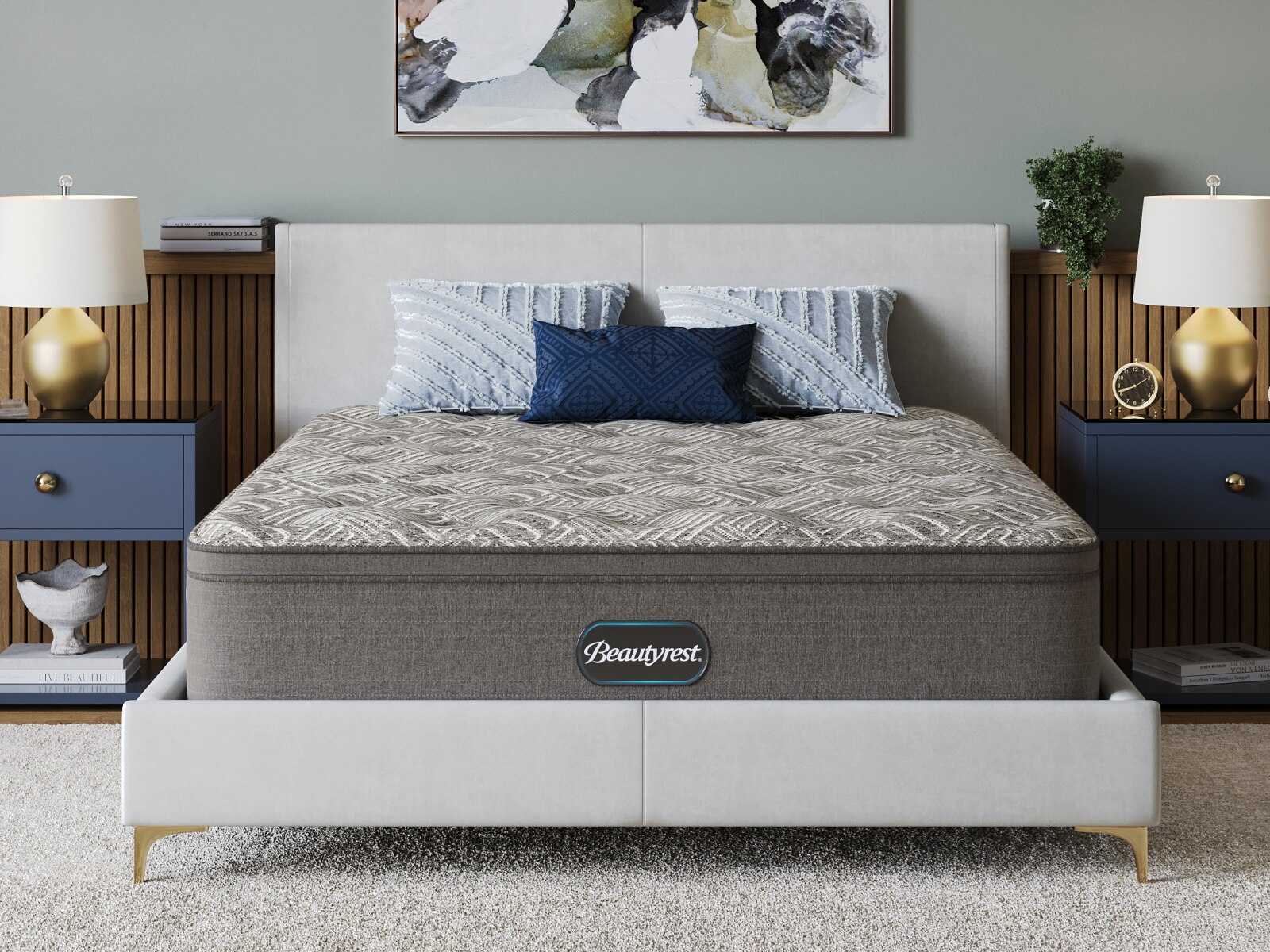
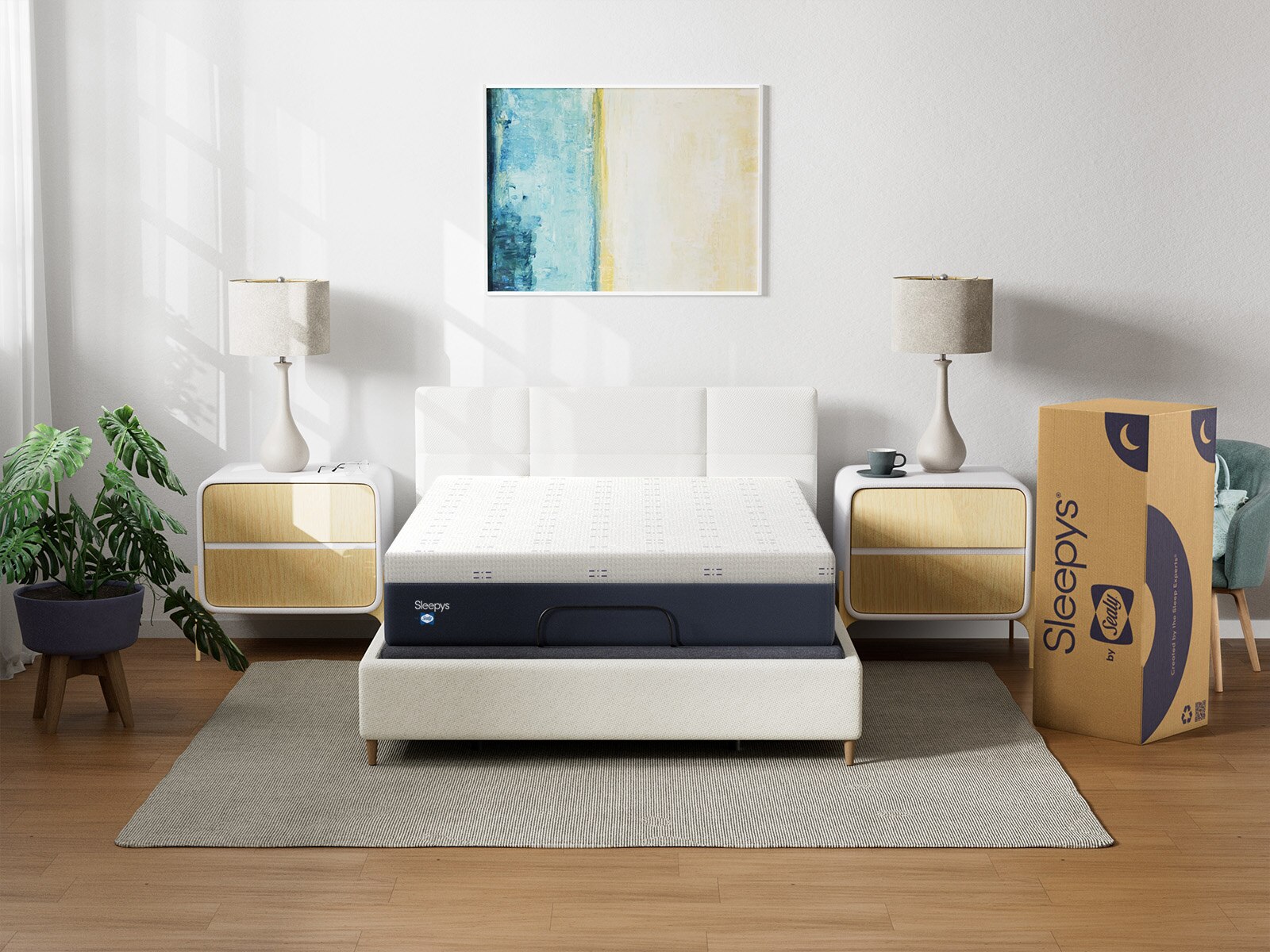
Cooling Twin XL mattresses with coil support combine a spring-based support core with comfort layers and covers designed to help manage warmth at the sleep surface. The open space within a coil system allows air to move through the mattress, while the layers above it shape how closely the bed cushions the body. This construction often appears in hybrid mattresses, which pair coils with memory foam, responsive foam or latex. Some designs use individually wrapped coils that compress more independently than connected springs, helping the mattress respond beneath the shoulders and hips while limiting some movement across the surface. Others emphasize a more buoyant feel, with an easier pushback when changing positions. Cooling features may include breathable knit covers, ventilated foam, gel-infused materials or phase-change treatments that absorb and release heat within a particular temperature range. These features work differently: a cool-to-the-touch cover creates an immediate surface sensation, while airflow through the mattress helps heat and moisture move away over time. Neither effect means the mattress actively refrigerates the bed or guarantees a particular sleeping temperature. Sheets, protectors, blankets and individual sleep habits also influence comfort. A sleeper who enjoys the contouring feel of foam but dislikes feeling deeply enclosed may appreciate a thinner comfort layer over responsive coils. Someone who prefers a more cushioned surface may gravitate toward a thicker comfort system with breathable components. The balance matters more than any single material name, since a cooling cover cannot describe how the entire mattress will feel through a full night. Coil count alone is not a reliable measure of comfort or durability, either. Coil design, wire thickness, the quality of the cushioning and the way those components work together all contribute to the finished feel. The most useful distinction is how a mattress combines pressure relief, steady support and heat management for the person sleeping on it.
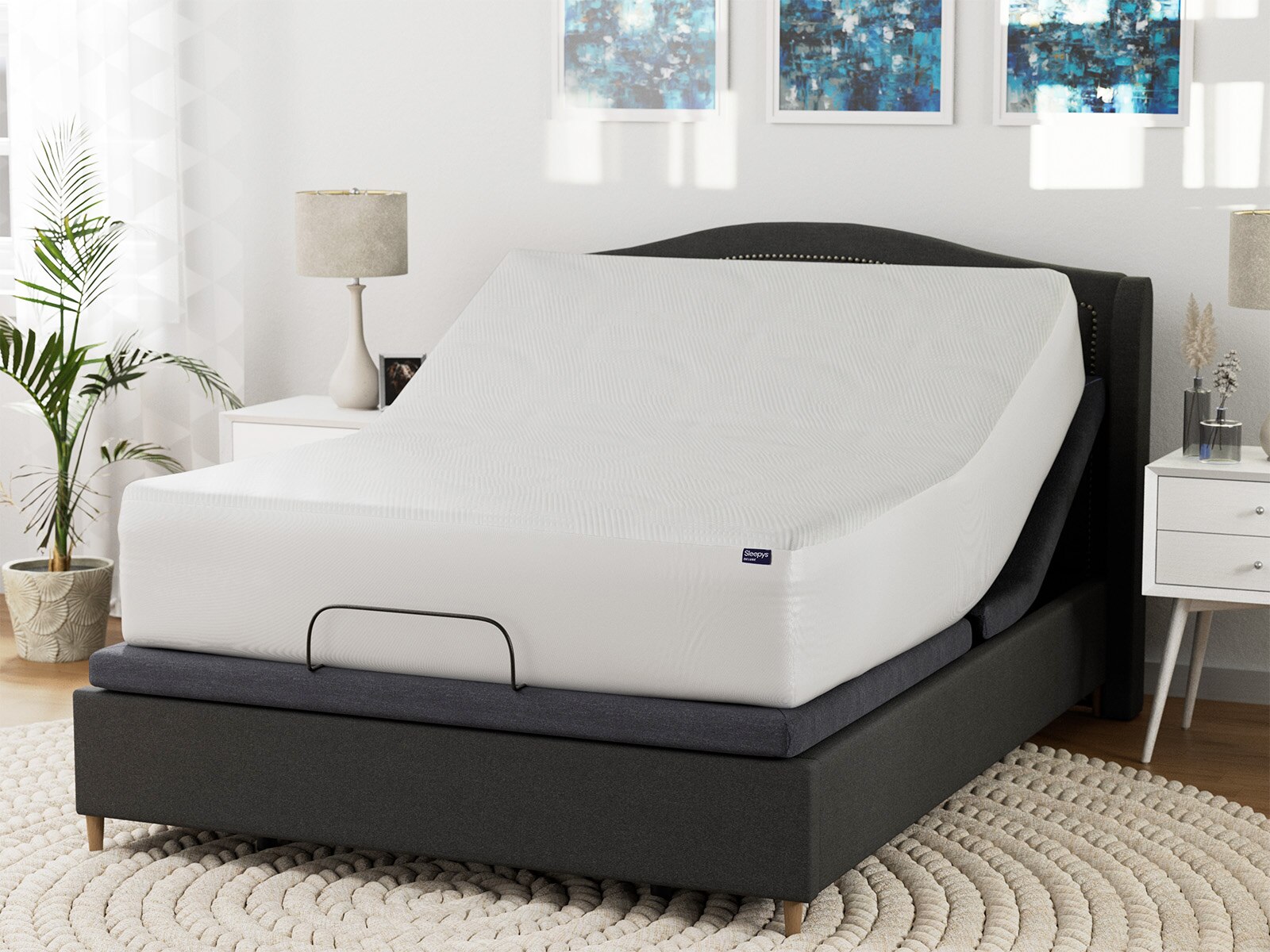
A standard Twin XL mattress measures approximately 38 inches wide by 80 inches long, making it five inches longer than a standard twin while keeping the same narrow footprint. Exact dimensions can vary slightly by manufacturer. That extra length can be helpful for taller teens, college students and adults who want room to stretch without moving to a wider mattress. In a compact bedroom, the size leaves more floor space for a desk, dresser or clear walking path. It can also suit a guest room intended primarily for one sleeper. Two Twin XL mattresses placed side by side form the standard footprint of a king mattress, a configuration often used when partners prefer separate comfort levels. With compatible adjustable bases, each side may also move independently, although mattress and base compatibility should always be confirmed. For an individual sleeper, firmness and cushioning deserve as much attention as dimensions. Side sleepers often appreciate enough give beneath the shoulder and hip to avoid a concentrated, hard feeling in those areas. Back sleepers may prefer a surface that cushions the body without allowing the pelvis to settle too deeply, while stomach sleepers commonly need a steadier feel through the midsection. These are starting points rather than fixed rules; body weight, proportions and personal preferences affect how the same mattress feels. A person who changes positions frequently may value responsive coils and comfort layers that make turning easier. Reinforced edges can make more of the narrow surface feel usable, particularly for someone who tends to sleep near the side or sits there while getting dressed. Edge firmness still varies, and even a reinforced mattress will usually compress under seated weight. When a mattress is being given to a student or family member, confirming the recipient’s preferred feel, bed dimensions and bedding needs helps make the gift practical as well as thoughtful.
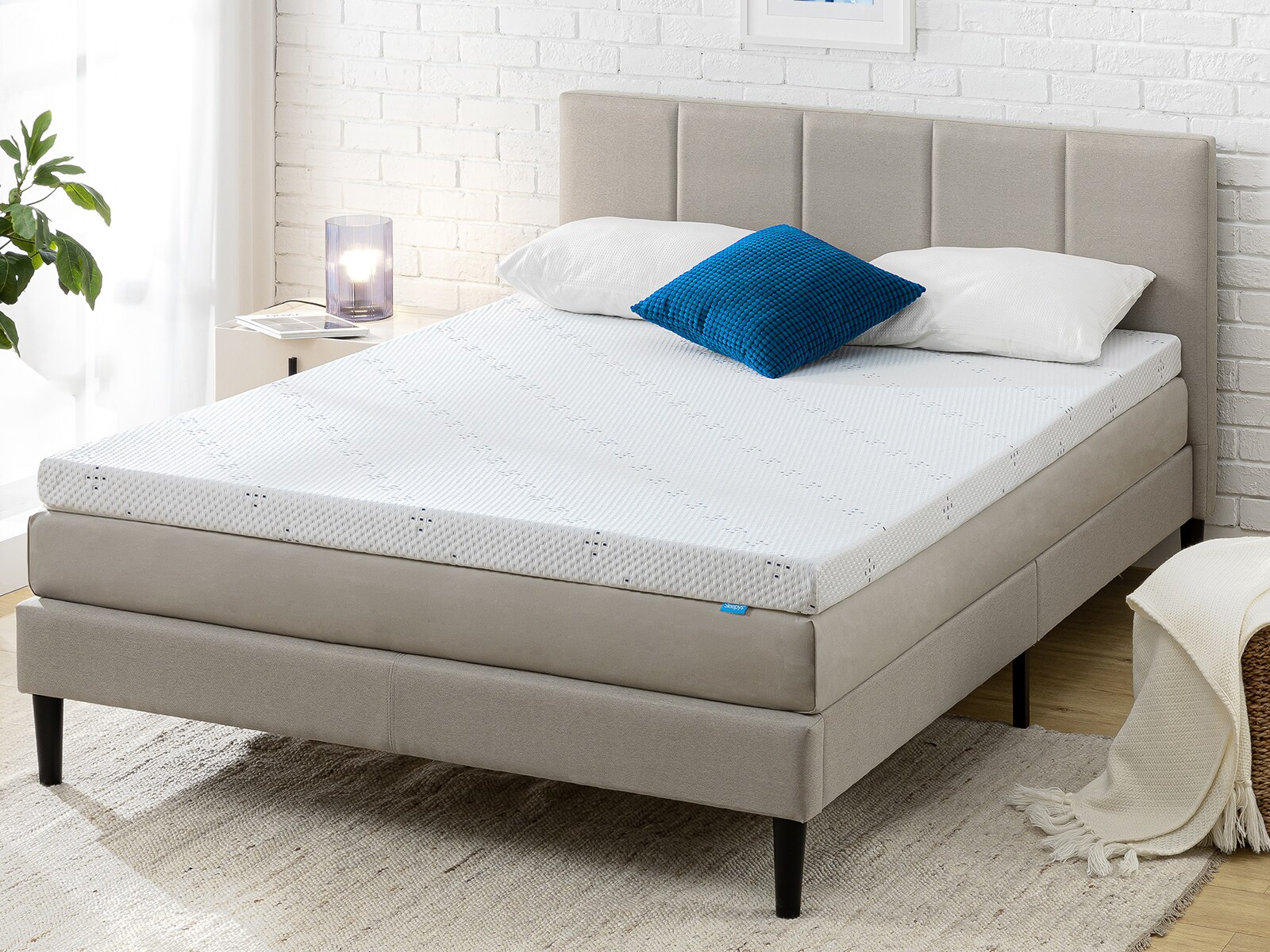
The surrounding sleep setup can either complement or interfere with a cooling Twin XL mattress with coil support. Breathable sheets and a properly fitted protector help preserve the intended surface feel, while a thick topper can noticeably change both cushioning and heat retention. Standard twin fitted sheets are generally too short for the extra length, so Twin XL sizing matters even when the mattress looks similar at a glance. Mattress depth matters, too: a deep comfort system or pillow top may require a fitted sheet with a larger pocket. A lightweight, breathable protector can help shield the surface from spills and everyday moisture without adding unnecessary bulk, though waterproofing materials vary in feel and breathability. The related
Summer Cooling Mattresses Twin Xl collection provides another place to explore cooling-focused options in this longer, space-conscious size. For everyday care, the mattress label and manufacturer’s directions should take priority over general cleaning advice. Many mattress covers are not removable or machine washable, even when a zipper is present. Spot cleaning with an approved method, avoiding saturation and allowing the surface to dry completely can help protect the internal materials. Rotation may help distribute wear when the manufacturer recommends it, but most one-sided mattresses should not be flipped. A supportive foundation is equally important: slat spacing, center support requirements and adjustable-base suitability depend on the mattress construction. An older frame with loose hardware or uneven support can affect how a new mattress performs. Durability reflects the whole system, including the resilience of the comfort layers, the coil construction and consistent support underneath. Normal softening can occur with use, and body impressions should be evaluated according to the manufacturer’s care and warranty information rather than appearance alone. Paired with suitable bedding and a stable base, a well-matched cooling Twin XL mattress can bring together space-efficient dimensions, responsive support and a comfortable surface for everyday rest.