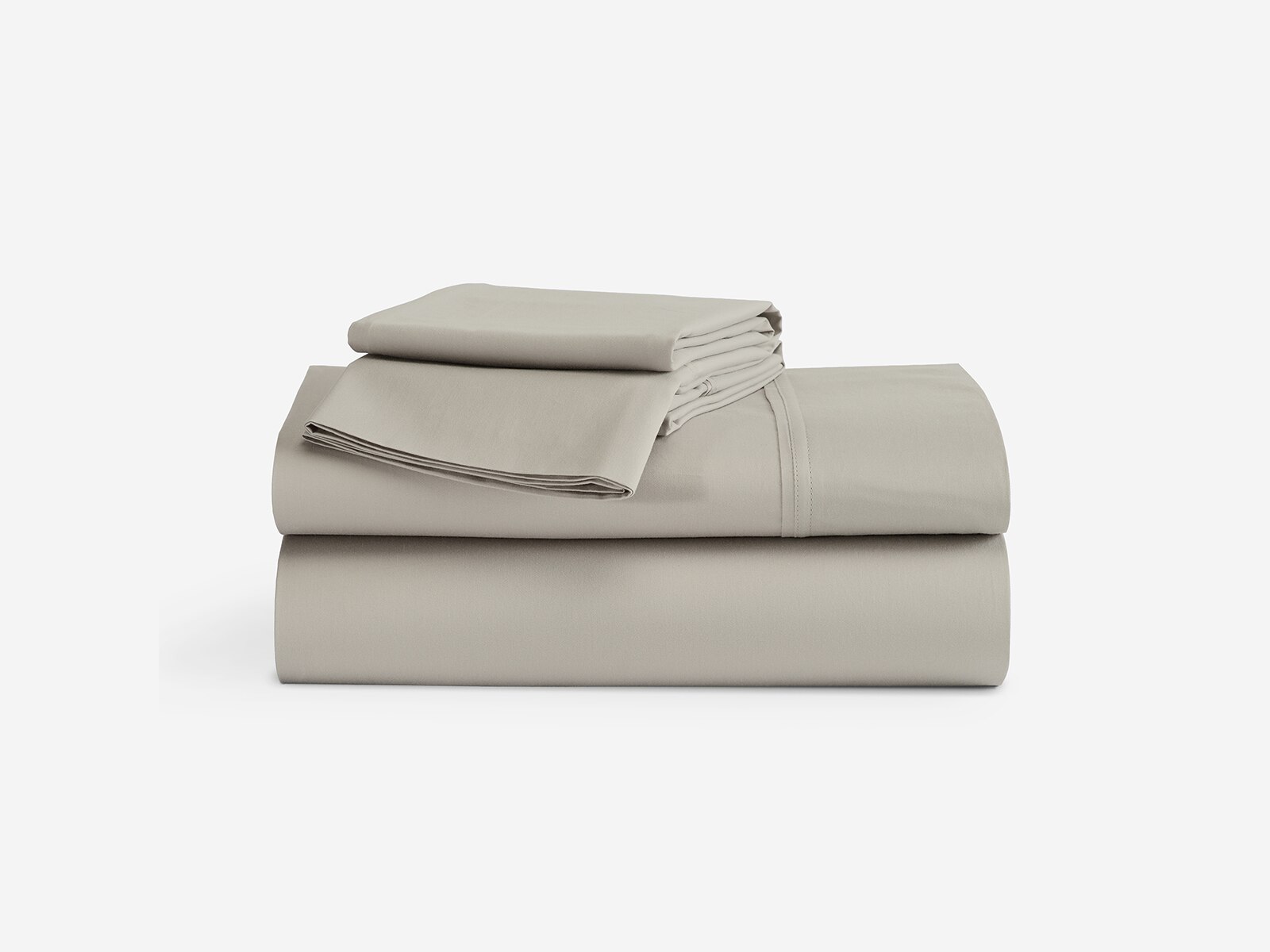
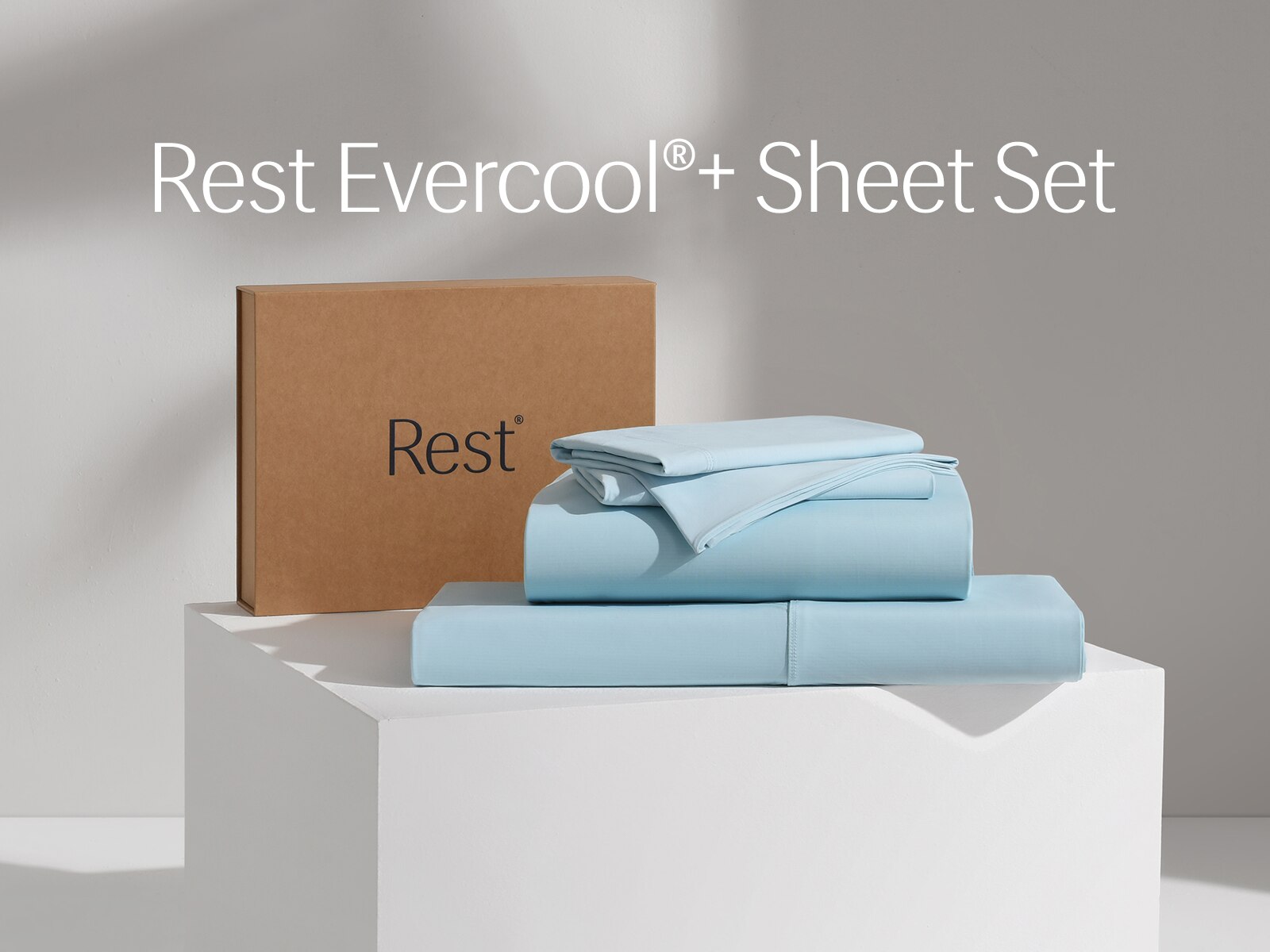
Cotton sheets for sensitive skin offer a breathable, familiar fabric for the bedding that touches the body most closely. The most useful qualities to consider are a smooth surface, a comfortable weave, clear fiber information and care requirements that fit everyday life. Cotton can absorb moisture and allow air to move through the fabric, although the finished sheet’s construction affects how it feels and performs. A label that specifies 100% cotton distinguishes an all-cotton fabric from a blend, but fiber content alone does not guarantee that a sheet will suit sensitive skin. Texture, dyes, finishes and laundry residue can all influence comfort. Percale and sateen offer two distinct cotton textures: percale uses a balanced weave with a crisp, matte finish, while sateen has a smoother, more lustrous surface and a fluid drape. Someone who likes the feeling of a freshly pressed pillowcase may prefer percale; someone who notices every rough spot against an elbow or cheek may appreciate sateen’s gentler-feeling surface. Neither weave is universally better, and softness should not be confused with a promise to prevent irritation. Longer cotton fibers can support smoother yarns with fewer exposed fiber ends, which may help reduce fuzzing and pilling over time. Thread count provides another detail, not a complete measure of quality. Many cotton sheets in the 200–400 range balance a smooth feel with a relatively light construction, but yarn quality, weave and finishing deserve equal attention. A higher number does not automatically mean a softer or more skin-friendly sheet. For shoppers concerned about textile testing, a certification such as OEKO-TEX STANDARD 100 indicates testing against established limits for certain harmful substances, rather than a guarantee that the fabric will never cause a reaction. White, pale and undyed fabrics can appeal to people who prefer simpler-looking bedding, but color alone does not establish whether a sheet will be comfortable. Even light-colored cotton may have undergone finishing treatments, so product descriptions and care labels remain useful sources of information.
A comfortable sheet should stay smooth across the mattress without pulling tight at the corners or gathering into folds beneath the sleeper. Fit matters especially when skin is sensitive to rubbing: a loose fitted sheet can bunch under a hip, while one that is too shallow may slip free and leave an uneven sleeping surface. Mattress size is the starting point, but mattress depth matters just as much. A queen fitted sheet needs to match both the mattress dimensions and the combined height of the mattress and any topper beneath it. Deep pockets can accommodate a taller setup, though extra depth is not necessarily helpful on a thinner mattress if it leaves excess fabric. Elastic placement and the stated pocket depth help clarify how a fitted sheet is designed to stay in place. Twin XL and California King beds also need their corresponding sizes rather than a close substitute. Pillowcase dimensions deserve the same attention, particularly when the fabric rests against the face for much of the night. A case that fits without stretching tightly or leaving bulky folds can make the sleep surface feel more consistent. Flat sheets add another layer of cotton between the body and a blanket or duvet, which may be useful when the outer bedding has a textured surface. Cotton sheets can work well for adults, teens and guest bedrooms, including households that prefer washable bedding with a familiar feel. For someone whose skin reacts to fragranced laundry products or coarse textiles, smooth cotton may be a comfortable preference, not a treatment for an underlying skin condition. Shoppers comparing different fabric textures can also explore
Soft Sheet Sets For Sensitive Skin, paying attention to fiber content, surface feel and laundering needs rather than softness claims alone.
Care is part of the everyday comfort of cotton sheets for sensitive skin. Washing before the first use can remove packaging dust and some residual processing substances, while also revealing how the fabric feels after laundering. The care label should set the washing and drying routine, since cotton fabrics can vary in shrinkage, finishing and construction. For skin that is easily irritated, fragrance-free detergent may be worth considering, especially if scented bedding has caused discomfort before. Using the detergent amount recommended for the load helps limit residue; adding more does not necessarily make sheets cleaner. An extra rinse may be useful if detergent remains in the fabric, provided the care instructions allow it. Fabric softeners and scented dryer products can leave coatings or fragrance behind, so their effect on personal comfort matters as much as the softness they add. Drying according to the label and avoiding unnecessary overdrying can help preserve the fabric and reduce wear. Remove sheets promptly when the cycle finishes to limit heavy creasing, and make sure they are completely dry before folding or storing them. Cotton often becomes more relaxed with repeated washing, but rough patches, thinning areas and persistent pilling can change how a sheet feels against the skin. Strong seams, neatly finished hems and resilient elastic contribute to durability alongside the quality of the cotton itself. Rotating between two sets allows time for thorough washing and drying without rushing the bedding back onto the mattress. Regular laundering also helps remove perspiration, body oils and other everyday buildup from sheets and pillowcases. A fresh pillowcase can be particularly welcome when facial skin is sensitive to fabric texture or laundry residue. As a gift, cotton bedding is most thoughtful when the recipient’s mattress size, preferred weave and laundry habits are already known. A person who loves crisp bedding may not enjoy a silky drape, even if both fabrics feel soft. The best match is a sheet that feels comfortable through ordinary nights, fits securely and stays pleasant through repeated washing. Persistent irritation deserves advice from a healthcare professional rather than a change of bedding alone.