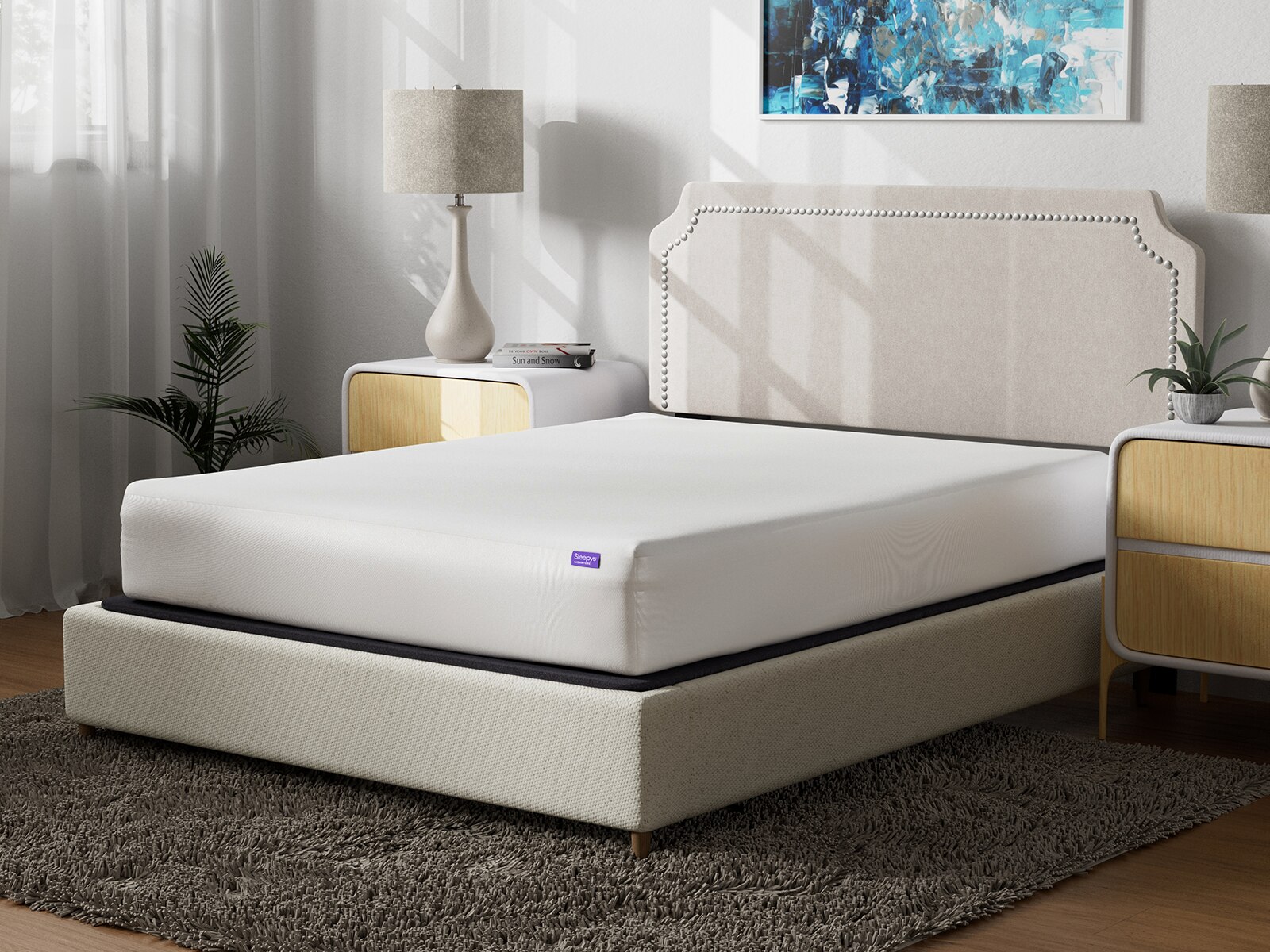
Cushioned cooling mattress protectors combine a lightly padded sleep surface with materials designed to help manage warmth and moisture close to the body. They sit beneath a fitted sheet, adding a softer feel while helping shield the mattress from everyday perspiration and surface soil. The cushioning is typically more subtle than the thickness of a mattress topper, making this category a practical choice for someone who likes the underlying feel of a mattress but wants a gentler surface against the shoulders, hips or knees. Quilted fiberfill can soften the first impression of a firm bed without creating the deep contouring associated with a substantial foam layer. Cooling features vary, and the fabric’s initial feel is only part of the picture. A cool-to-the-touch surface draws heat away from the skin on contact, although that refreshing sensation may become less noticeable as the material warms. Breathable constructions allow air and water vapor to move through the fabric, while moisture-wicking fibers help spread perspiration so it can evaporate more readily. Some protectors incorporate phase-change materials that absorb and release heat within a particular temperature range, helping buffer fluctuations rather than continuously chilling the bed. Cotton, lyocell, polyester and nylon may appear alone or in blends, with the weave, knit and overall construction influencing how the finished protector feels. A smooth stretch knit can feel supple beneath a sheet, while a quilted surface adds a more pillowy texture. Neither a cooling label nor a particular fiber guarantees the same experience for every sleeper. Sheets, blankets, sleepwear and the mattress itself all affect how easily body heat escapes. For someone who wakes with a damp patch beneath the shoulders or regularly pushes aside the covers, a breathable cushioned protector may be a useful part of a lighter, less heat-retaining bedding setup. It is not a treatment for persistent night sweats or a substitute for addressing an uncomfortable mattress.
The right balance of cushioning, cooling and protection depends on what the bed needs to handle. A lightly padded protector may preserve more of a mattress’s original responsiveness, while a fuller quilted layer creates a softer surface and can slightly change the feel of close-contouring comfort materials underneath. More fill does not automatically mean better cooling; the density of that fill, the surface fabric and any backing all influence heat and moisture movement. Waterproofing is a separate feature from cooling, so a protector described as breathable or moisture-wicking should not be assumed to block spills. For beds that need both softness and a liquid barrier,
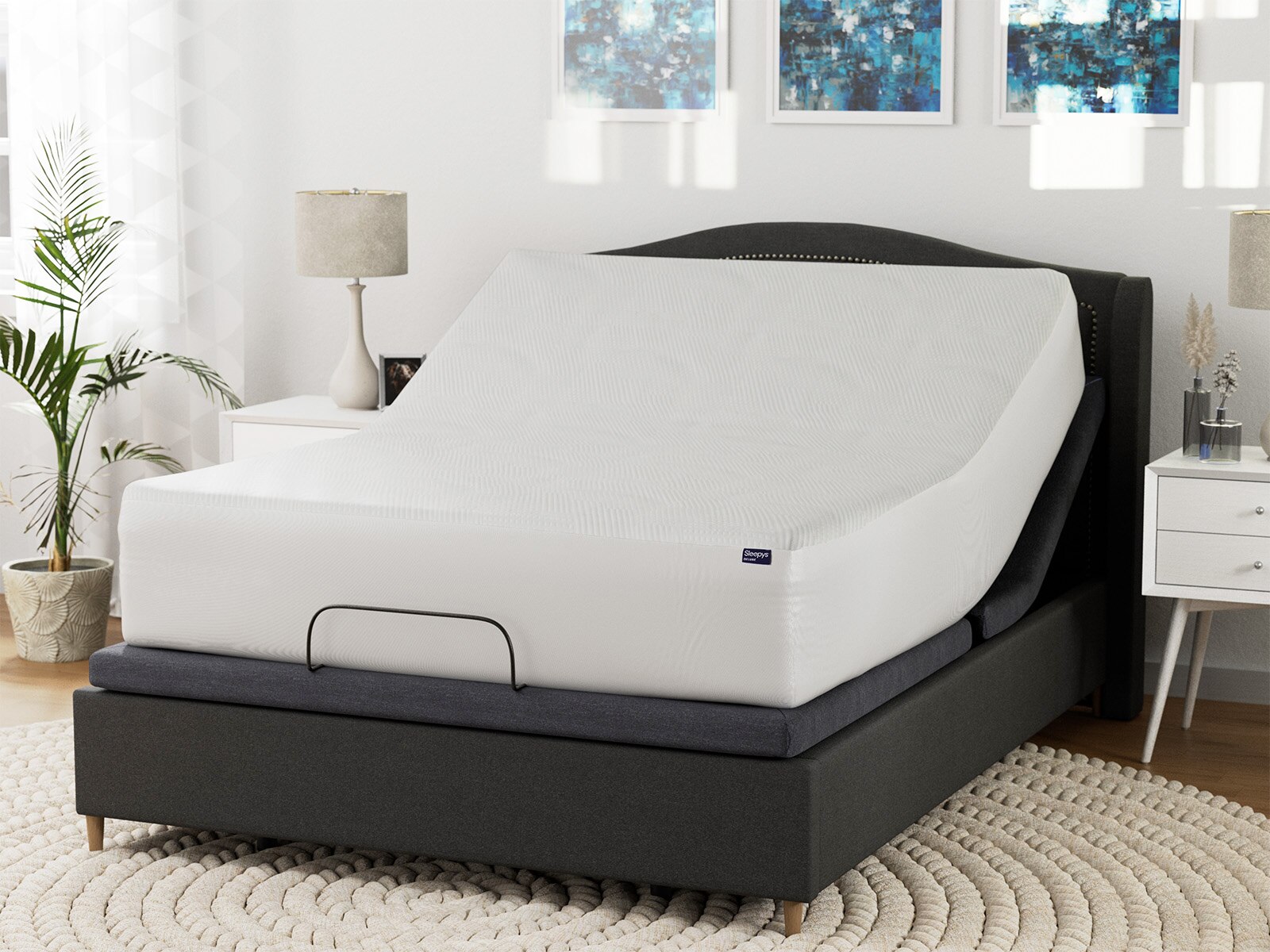
cushioned waterproof mattress protectors offer a related option, with coverage and cooling features varying by construction. A waterproof backing helps prevent liquid from reaching the mattress through the protected area, while a water-resistant finish may only slow penetration. Top-surface protection also does not necessarily extend to the sides, seams or zipper. These distinctions matter when a bedside drink tips over, a child has an overnight accident or a pet settles onto the bed with damp paws. Fit deserves just as much attention as the surface fabric. Mattress size identifies the length and width, but pocket depth determines whether a fitted skirt can reach securely beneath the bed. Measuring the full height of the mattress, including any topper that will sit under the protector, helps avoid stretched corners and edges that creep upward. A skirt that is too loose can bunch beneath the fitted sheet, while one pulled beyond its intended depth may strain elastic and seams. Deep pockets are useful only when they match the bed’s dimensions and stay snug. On an adjustable base, a flexible construction and secure fit help the protector move with the mattress as the head or foot rises. For partners with different comfort preferences, a modest amount of cushioning can add surface softness without making as dramatic a change as a thick topper.
Everyday care plays a large part in how comfortably a cushioned cooling mattress protector performs over time. Machine-washable construction can simplify cleanup after perspiration, a spill or an overnight guest, but washing and drying directions still depend on the materials. Some fabrics tolerate warm water, while others require a gentler cycle or lower drying heat to protect stretch fibers, cooling finishes and waterproof membranes. Fabric softener, bleach and high heat may be restricted by the care label; adding them automatically can affect moisture handling or shorten the life of certain components. Thorough drying matters, especially in quilted sections where fill can hold moisture after the outer fabric feels dry. The protector should be completely dry before it goes back beneath the fitted sheet. Durability is often visible in small construction details: evenly distributed fill, secure quilting, finished seams and elastic that returns to shape after stretching. Stitching helps keep cushioning from collecting in lumps, although no quilt pattern alone guarantees long-term comfort. Regularly checking for thinning fabric, loose seams, peeling backing or stretched corners can reveal when protection or fit has begun to change. A protector should lie smooth enough that its edges and quilted sections do not become distractions beneath the sheet. Lightweight, breathable sheets can also help preserve its intended feel, while several dense layers may limit the benefit of a cooling surface. These protectors suit primary bedrooms, guest beds and children’s rooms where a washable layer can make routine bedding care easier. They can also be a thoughtful housewarming gift when the recipient’s mattress dimensions and care preferences are known. The most useful choice is one that fits securely, offers the needed level of liquid protection and adds an amount of cushioning that feels comfortable night after night. Cooling performance is best considered alongside those practical details, rather than as a promise of a cold sleep surface, so the finished bed feels soft, dry and easy to maintain.