Daybeds with a mattress included

Daybeds with a mattress included offer a place to lounge by day and sleep at night, making them a practical choice for guest rooms and multipurpose spaces. Compare overall dimensions, mattress size and what’s included with each option to find a setup that fits your room and needs.

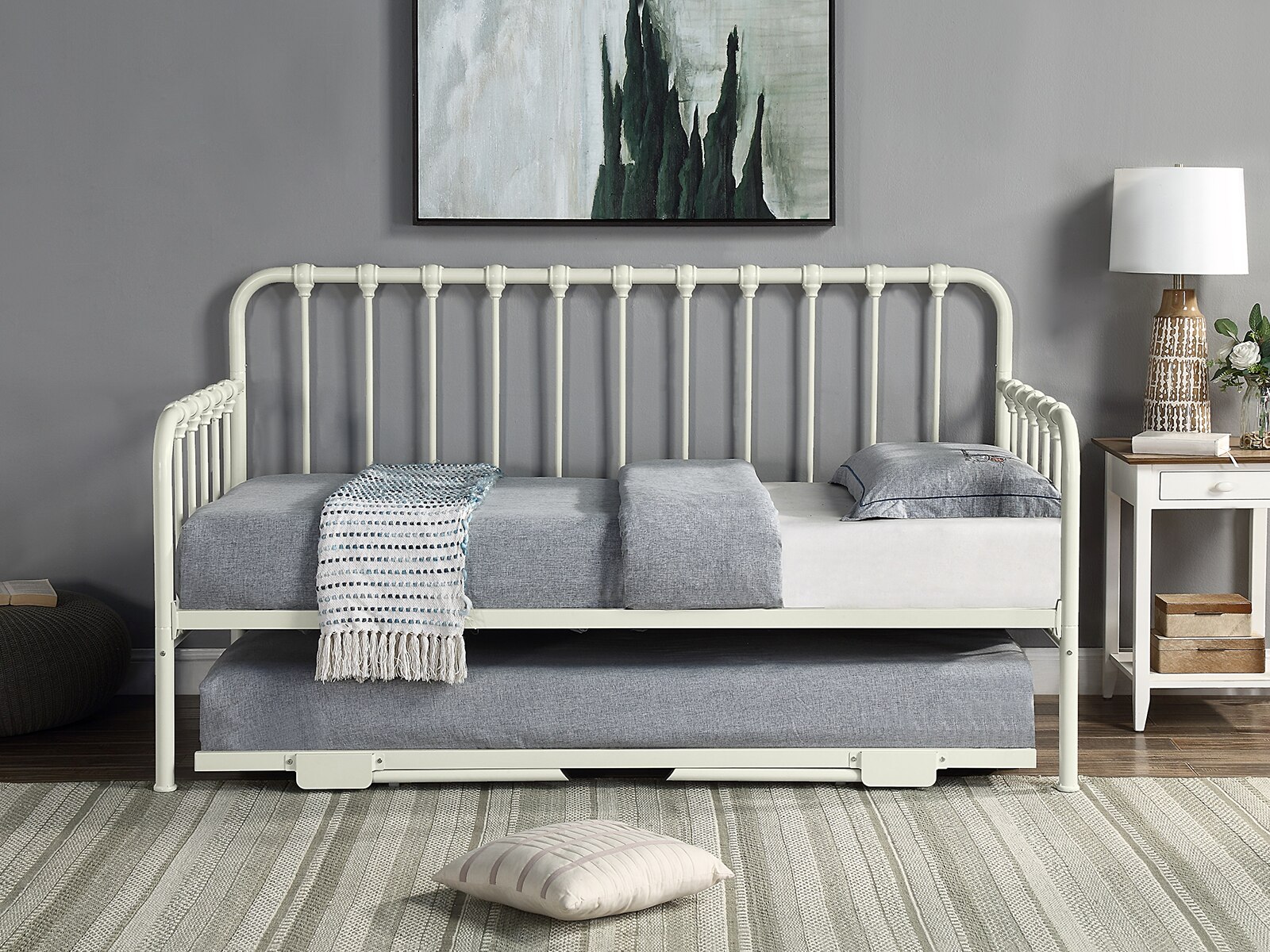
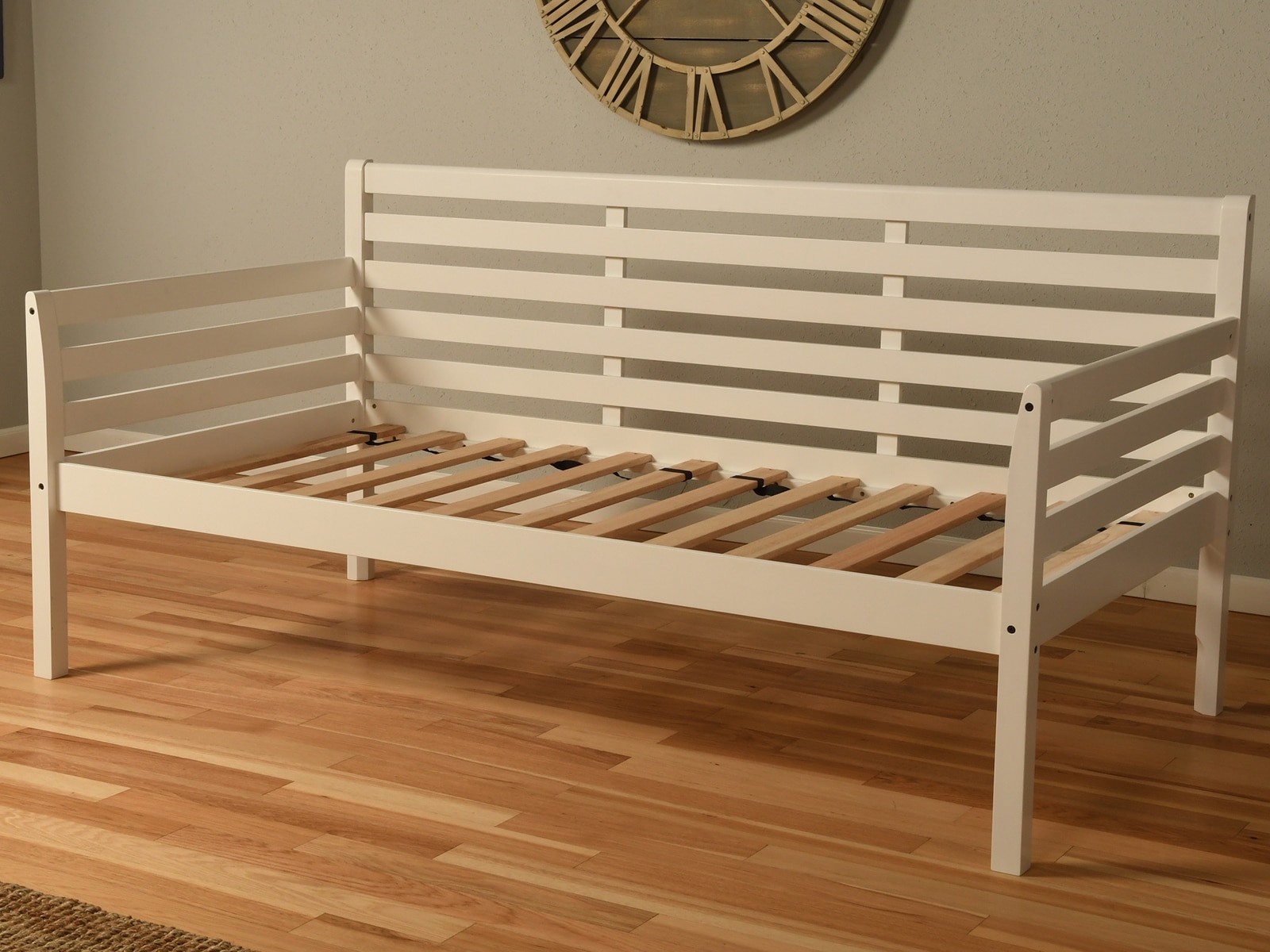
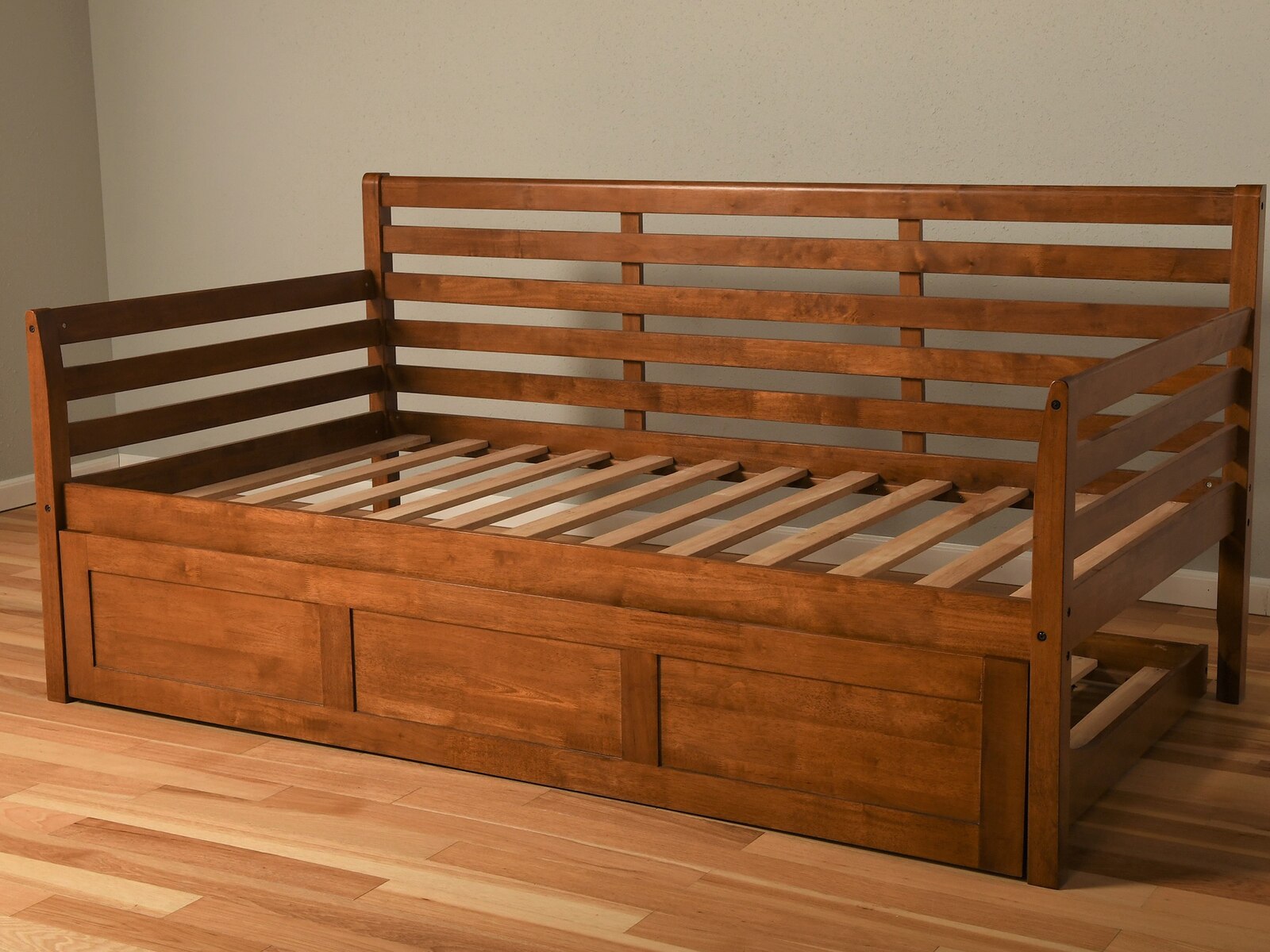
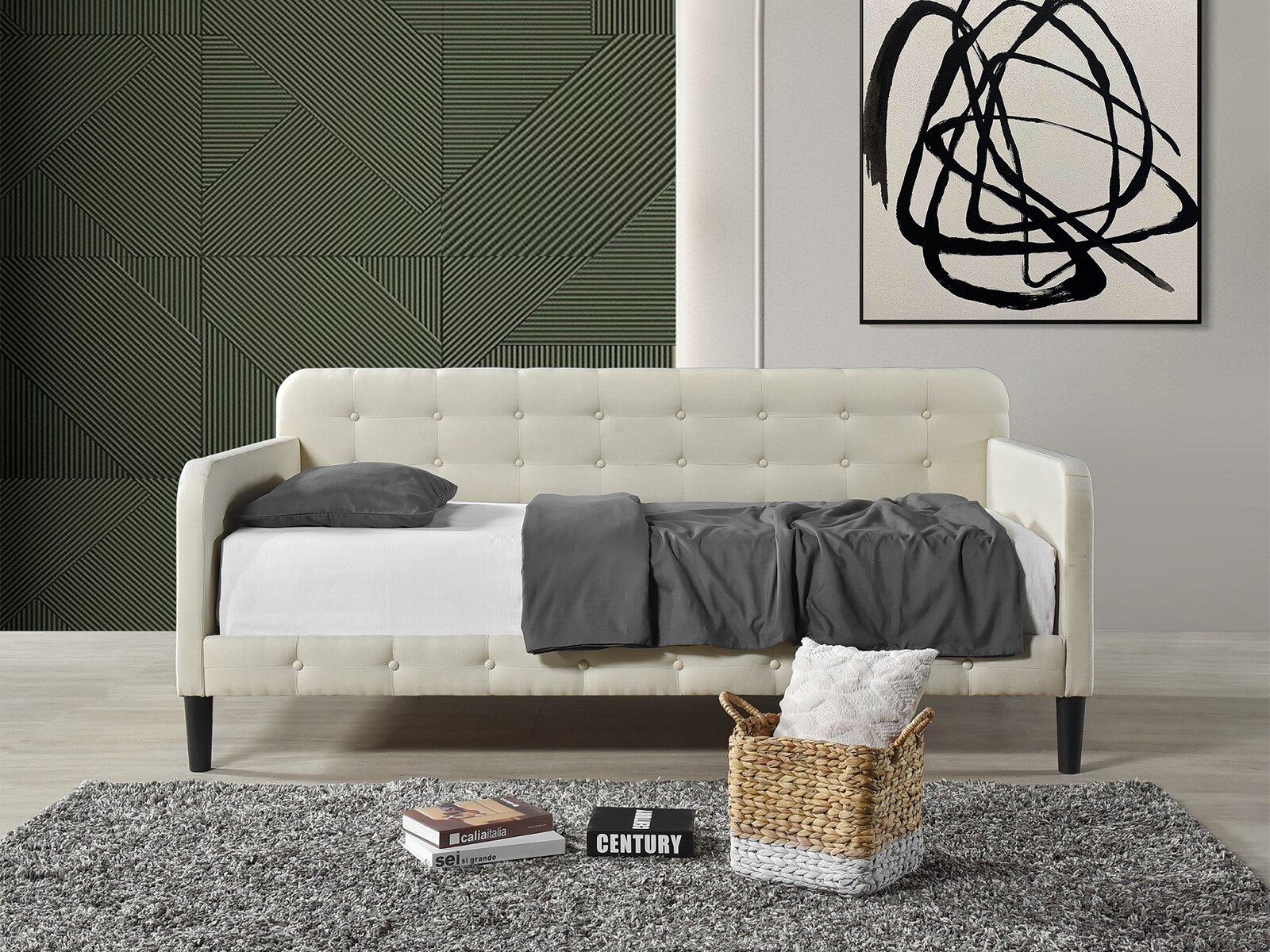
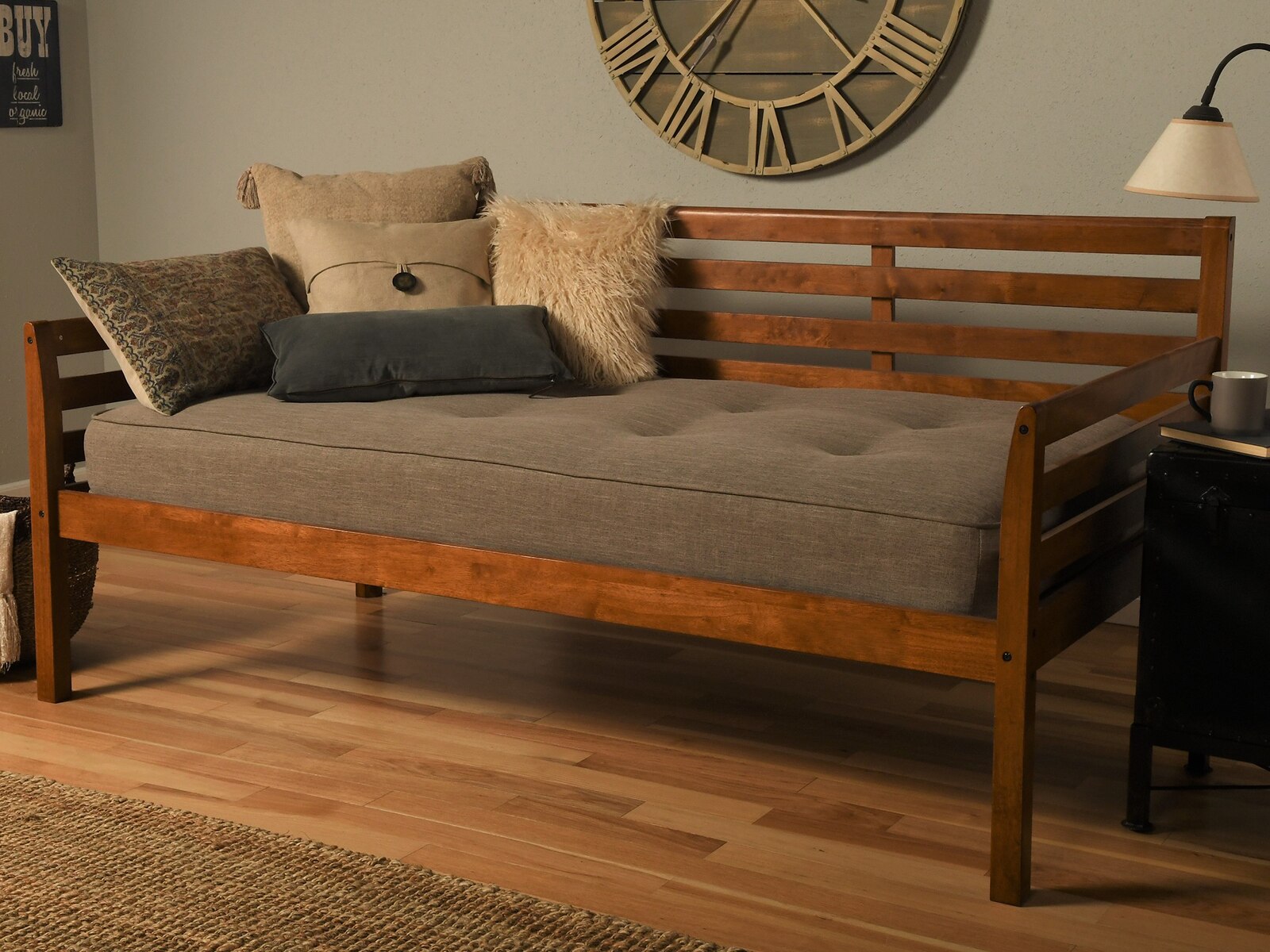
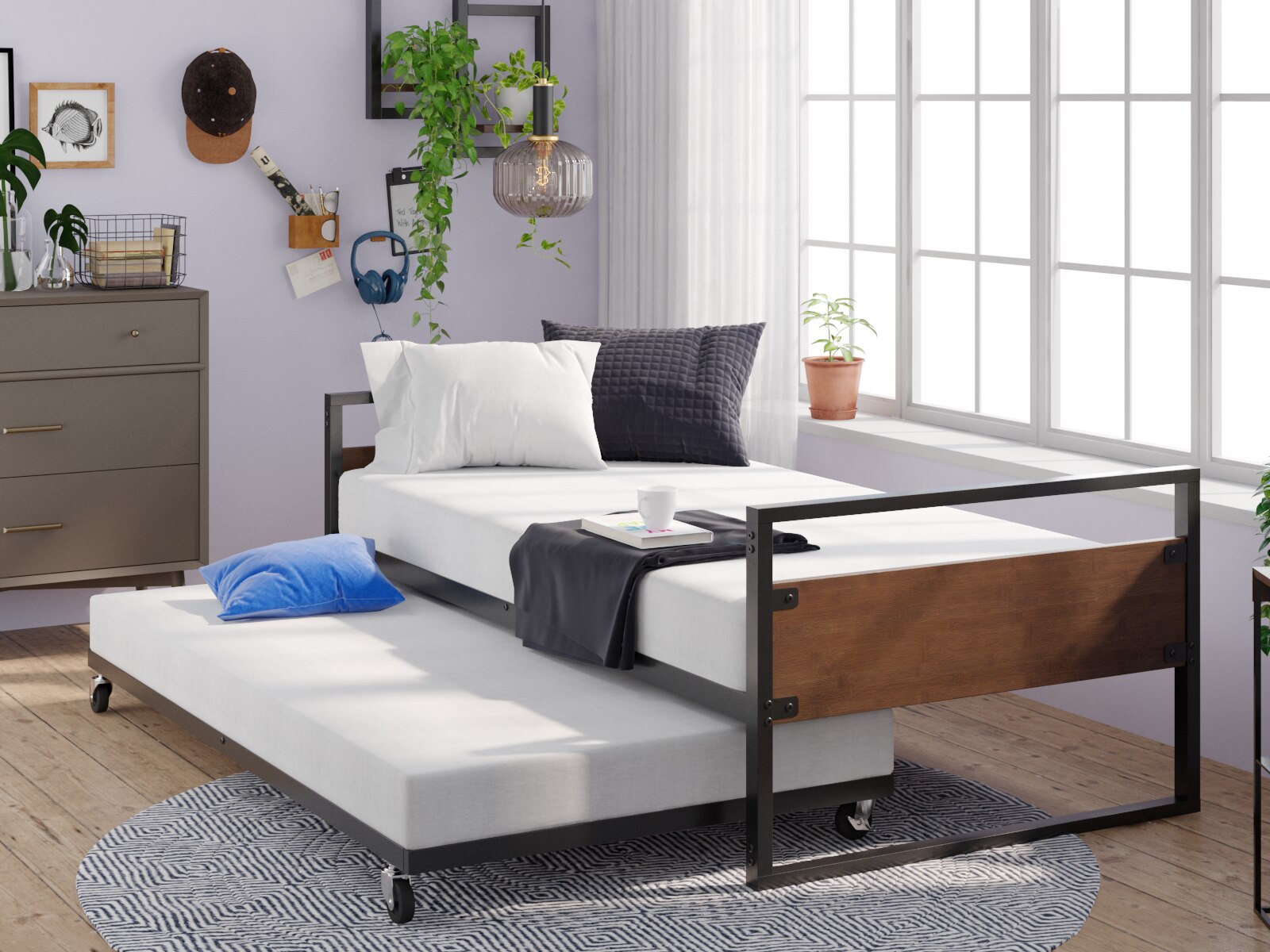
Daybeds with a mattress included combine a daytime seating area and a sleeping surface in one coordinated setup. A typical daybed has a mattress supported by a frame with a back and two sides, giving it a sofa-like shape while leaving room to stretch out. Including the mattress simplifies the process of matching these essential pieces, although the dimensions, support requirements and contents of each configuration still matter. This type of furniture fits naturally into a home office that occasionally welcomes overnight guests, a studio where every piece needs to serve more than one purpose or a bedroom with space for reading as well as sleeping. During the day, a fitted cover and a few substantial back cushions can create a comfortable spot for a book or a conversation. At bedtime, removing the decorative pillows leaves a familiar mattress surface ready for sheets and a pillow. Twin is a common daybed size, with a standard mattress typically measuring 38 inches wide by 75 inches long. A Twin XL mattress adds five inches of length, which can make a meaningful difference for a taller sleeper. The frame extends beyond the mattress, so its overall measurements provide a more useful picture of how it will fit against a wall or beneath a window. Arms, curved edges and upholstered panels can all add to the footprint. Some daybed designs also incorporate a pullout trundle for a second sleeping surface. A trundle is distinct from a drawer intended only for storage, and a mattress included for the main bed does not necessarily mean a second mattress is included below. For a room shared by visiting siblings or friends, that distinction helps clarify how many people the setup can accommodate. Comparing Daybeds With Frames can also help clarify differences in frame shape, support construction and the space needed around the bed. The most useful arrangement leaves enough room to walk comfortably, reach nearby storage and open doors without moving furniture each time someone stays over.

The frame and mattress contribute different things to a daybed’s comfort and durability. Wood frames can bring visible grain and a substantial furniture feel, while metal frames often have slimmer rails and a more open profile. Upholstered frames provide a fabric-covered surface around the back or sides, with texture and padding that can soften the look of a room. The material alone does not determine strength; secure connections, a suitable support system and use within the stated weight capacity matter more than appearance. Closely spaced slats or a platform support the mattress from beneath, and their spacing should meet the mattress manufacturer’s requirements. A separate foundation is not always needed, but the frame’s instructions should determine the correct setup. Mattress height deserves equal attention. A thick mattress can cover more of the daybed’s back or arms, while a thinner one may leave a lower sitting surface and more exposed framing. On a trundle, height is especially important because the mattress must clear the underside of the main frame when stored. Foam mattresses can provide close contouring, innerspring mattresses tend to have a more responsive feel and hybrid constructions combine coils with cushioning layers. Each construction can feel different depending on its materials and firmness, so the mattress type is only part of the comfort picture. A person who sleeps on their side may appreciate cushioning around the shoulders and hips, while someone who sleeps on their back may prefer a surface that balances cushioning with steady support. For a daybed used every night, those preferences deserve as much attention as they would on a primary bed. For occasional guests, a balanced feel may accommodate different preferences, though no single firmness suits everyone. Edge support can also matter when the mattress doubles as seating, particularly for someone who sits along the front edge to read, put on shoes or get ready for the day. Large back cushions help shorten the effective seat depth without changing the mattress itself.

Everyday details make a daybed easier to live with long after it becomes part of the room. Standard mattress dimensions generally make sheets easier to match, but the fitted sheet’s pocket depth still needs to accommodate the mattress height and any protector. A washable mattress protector helps shield the surface from everyday spills and moisture, while a removable daytime cover can keep bedding tucked away from routine seating. For an office that becomes a guest room, storing a folded blanket and an extra pillow nearby makes the transition less disruptive. Drawers beneath the frame can hold linens, provided they are designed for storage and remain within their weight limits. A trundle needs unobstructed floor space to roll out, and a thick rug or uneven flooring can affect how smoothly it moves. Leaving bedding on a stored trundle may also change its clearance, so the permitted mattress height and storage instructions remain important. Care depends on the materials: upholstery may require vacuuming and spot cleaning with an approved method, wood finishes often need a soft cloth and prompt attention to spills, and metal connections benefit from periodic checks for looseness. Mattress rotation should follow the manufacturer’s directions, and a one-sided mattress should not be flipped unless its care instructions allow it. These small habits help preserve both the furniture and the sleeping surface. Intended use also shapes the choice. An adult who will sleep on the daybed nightly needs adequate length and a comfortable mattress, while a guest space may place greater emphasis on easy setup and flexible seating. For a child’s room, follow age recommendations and remember that decorative side panels are not a substitute for approved safety features. As a practical housewarming gift for someone furnishing a first apartment, a daybed with its mattress included can support several routines, but room measurements, personal comfort preferences and delivery access are worth confirming before choosing such a substantial piece.
Tap into more savings! Text MATTRESS to 766693 to get text alerts for online exclusives & more. Text STOP to cancel. Msg & data rates may apply.
View our privacy policy