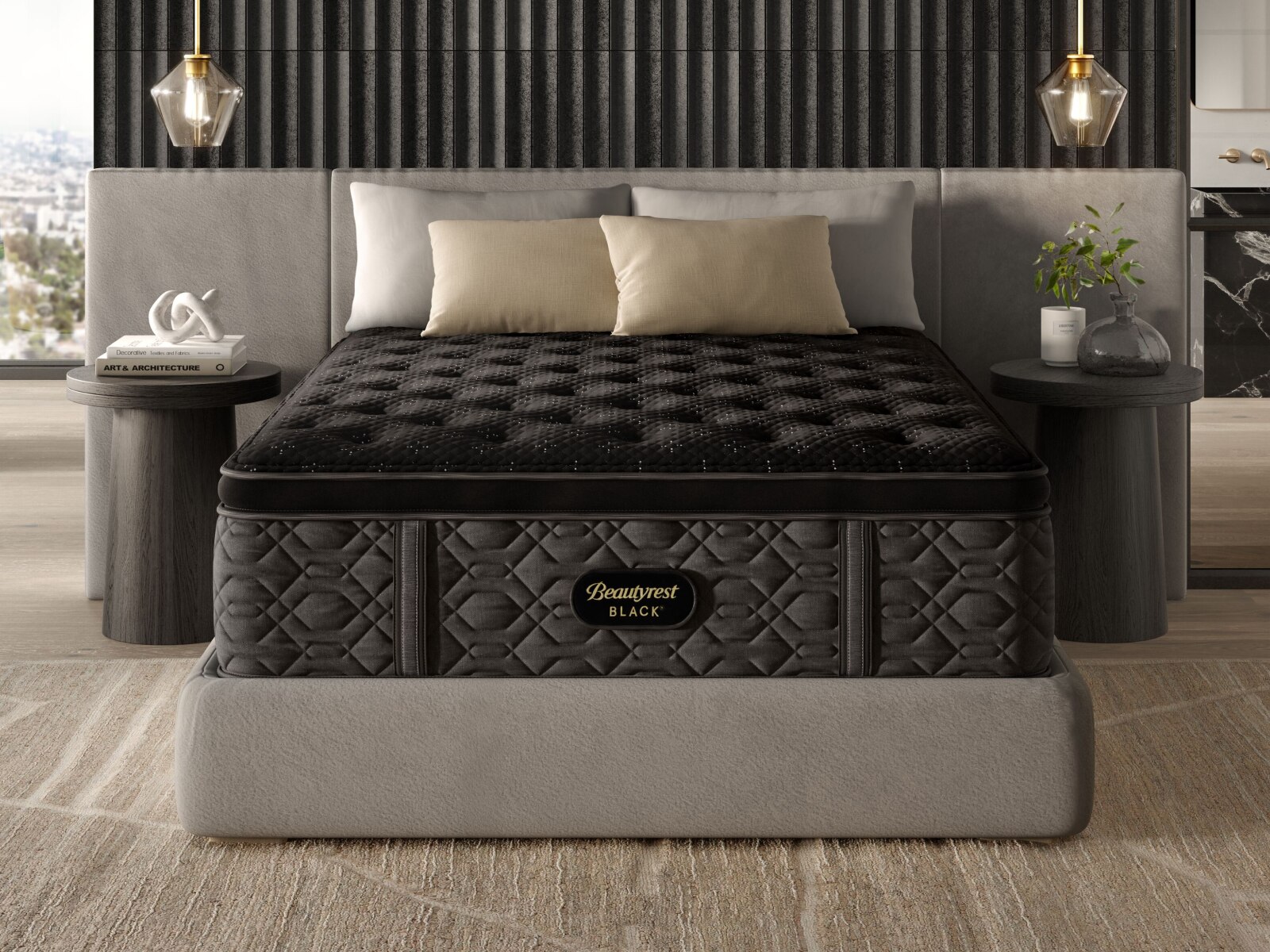
A tall bed frame gives a bedroom a substantial, elevated look, but the best mattress fit depends on more than height alone. When comparing deep pocket mattresses for tall bed frames, it helps to separate three measurements: mattress thickness, fitted-sheet pocket depth and the height of the finished bed. Deep pocket generally describes a fitted sheet, not a distinct type of mattress. Mattress thickness, also called profile, measures the mattress from its bottom surface to its highest point. Many mattresses measure approximately 10–14 inches thick, while thicker designs with substantial cushioning layers may reach 15–18 inches or more. A tall frame does not necessarily need a thick mattress; a moderate-profile mattress may create a more comfortable overall bed height. For an accurate picture, measure from the floor to the surface that supports the mattress, then add the thickness of the mattress, any required foundation and any topper. That combined measurement determines how high the sleeping surface will sit. A frame that looks balanced with a slim mattress can feel surprisingly high once a foundation and plush pillow top are added. In everyday use, a suitable height makes sitting down, getting into bed and standing up feel manageable rather than requiring a climb or an awkward slide. Someone who prefers an elevated sleeping surface may enjoy a taller combination, while someone with limited mobility may find a lower profile easier to use. Frame height also differs from mattress length: a higher bed does not provide additional legroom. Taller sleepers may appreciate the length of a Twin XL or California King, depending on their space and sleeping arrangements. Headboard proportions matter, too. A deep mattress can cover decorative panels or leave less room for pillows beneath an upholstered headboard. Checking those relationships helps create a bed that feels comfortable to use and looks intentional, with enough visible headboard and a sleeping surface that suits the room.
The materials inside a mattress determine how it feels and supports the body, while its overall thickness tells only part of that story. Memory foam typically contours closely around the shoulders and hips, creating a cushioned surface that can also help limit movement felt from a partner. Latex often has a more buoyant, responsive feel, making changes in sleeping position feel less enveloping. Innerspring mattresses rely on a coil support system, while hybrids combine coils with comfort layers made from materials such as foam or latex. Individually wrapped coils can respond to pressure in different areas of the mattress, although the finished feel also depends on the cushioning above them. A pillow top or Euro top adds upholstery near the surface and may increase the mattress profile without making the underlying support system firmer. Greater thickness does not automatically mean greater firmness, durability or suitability for a particular body type. Side sleepers often appreciate cushioning that allows their shoulders and hips to settle comfortably, while back and stomach sleepers may prefer a surface that helps keep their midsection from sinking too deeply. Personal preference, body weight and the way each mattress is constructed all influence that balance. For couples, motion isolation and usable space near the perimeter can be as important as the initial feel. Edge support deserves particular attention on an elevated bed, especially for someone who sits at the side while getting dressed. A stable perimeter can make that area feel more secure, though it cannot compensate for a loose or incompatible frame. Responsive cushioning may also appeal to sleepers who change positions frequently. For a guest bedroom, a balanced feel and an approachable finished height can accommodate different preferences. In a primary bedroom, the combination can be more closely matched to everyday habits, whether that means reading against a headboard, sharing the bed or stretching out across a supportive surface.
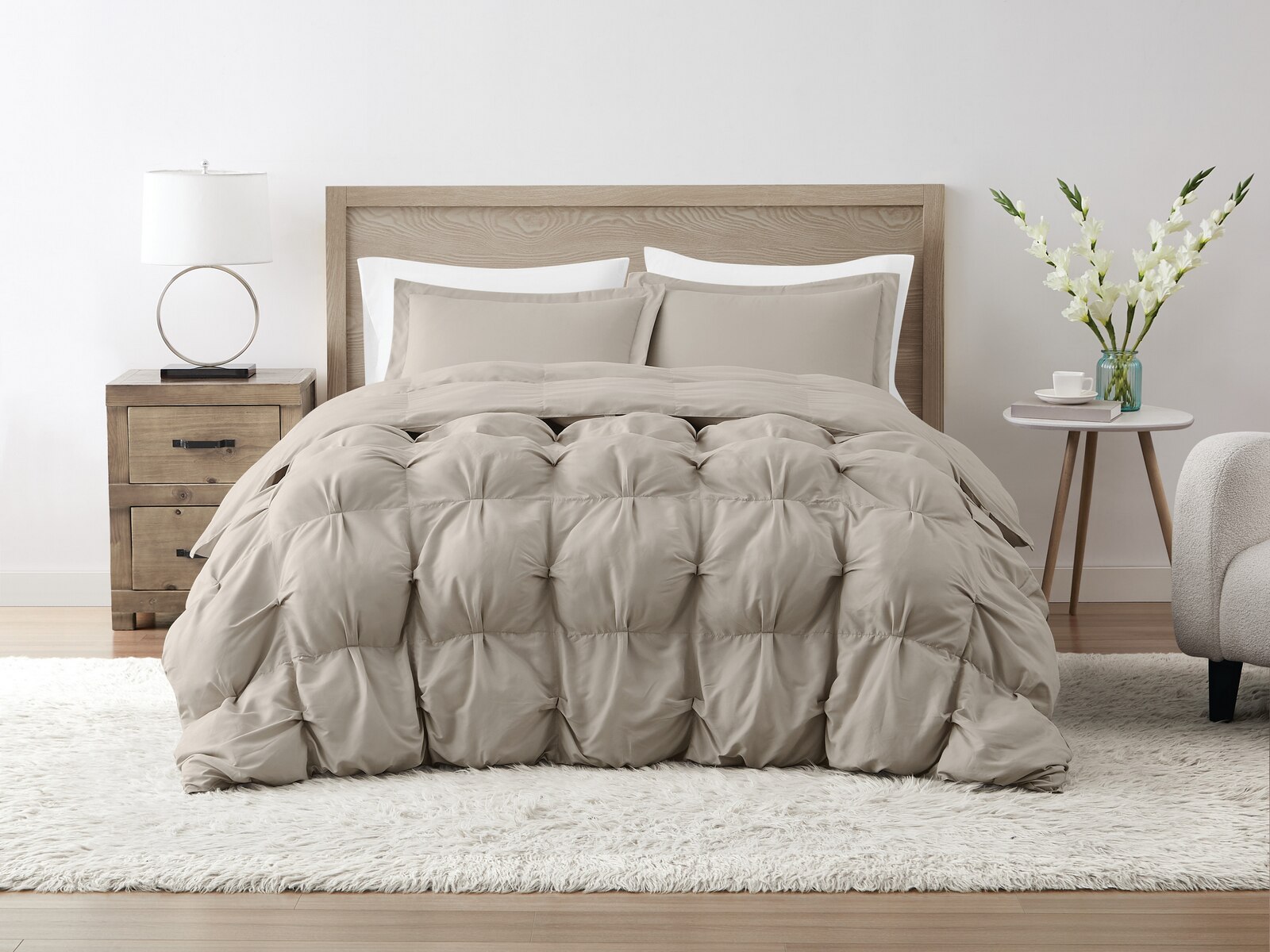
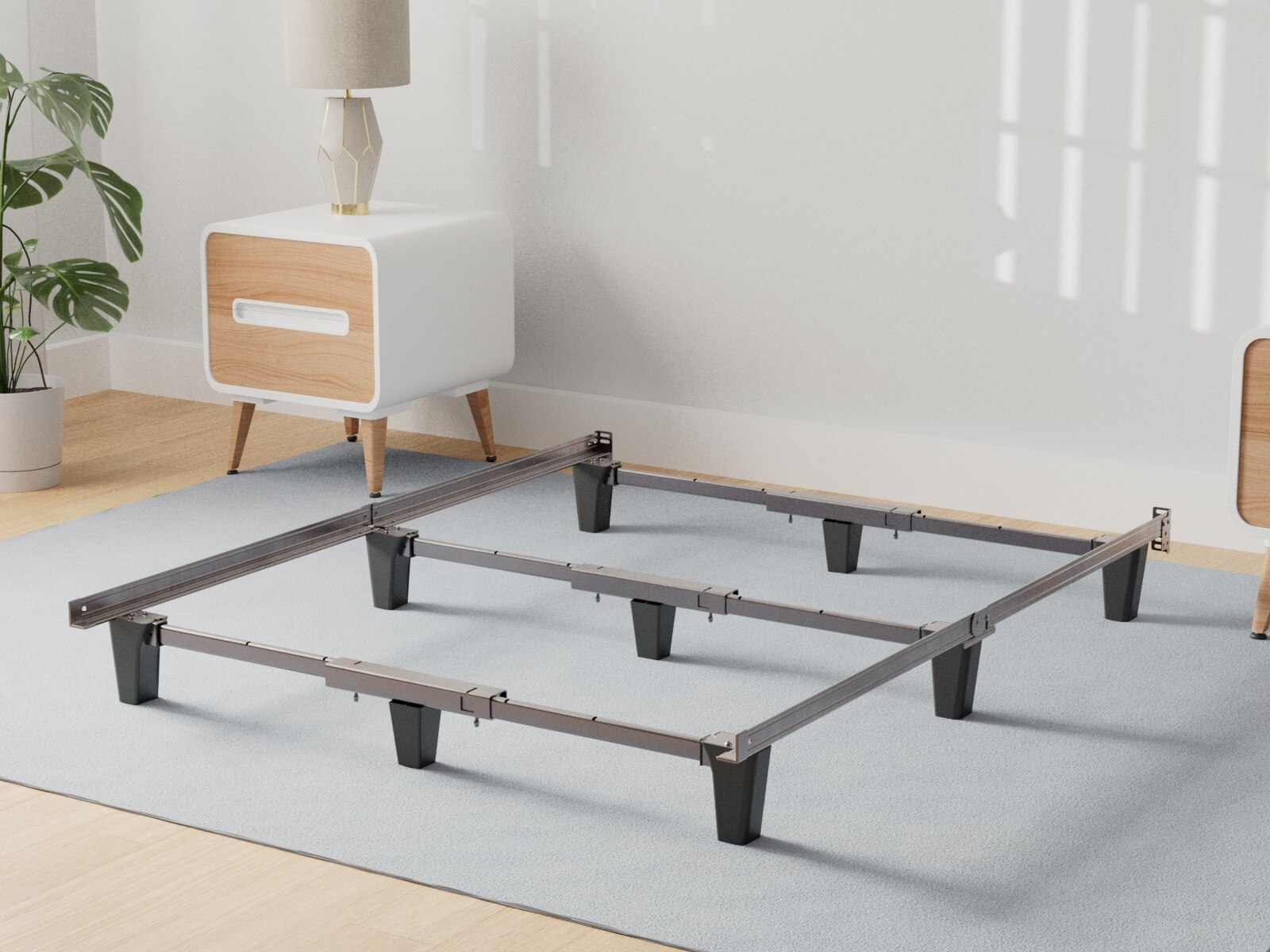
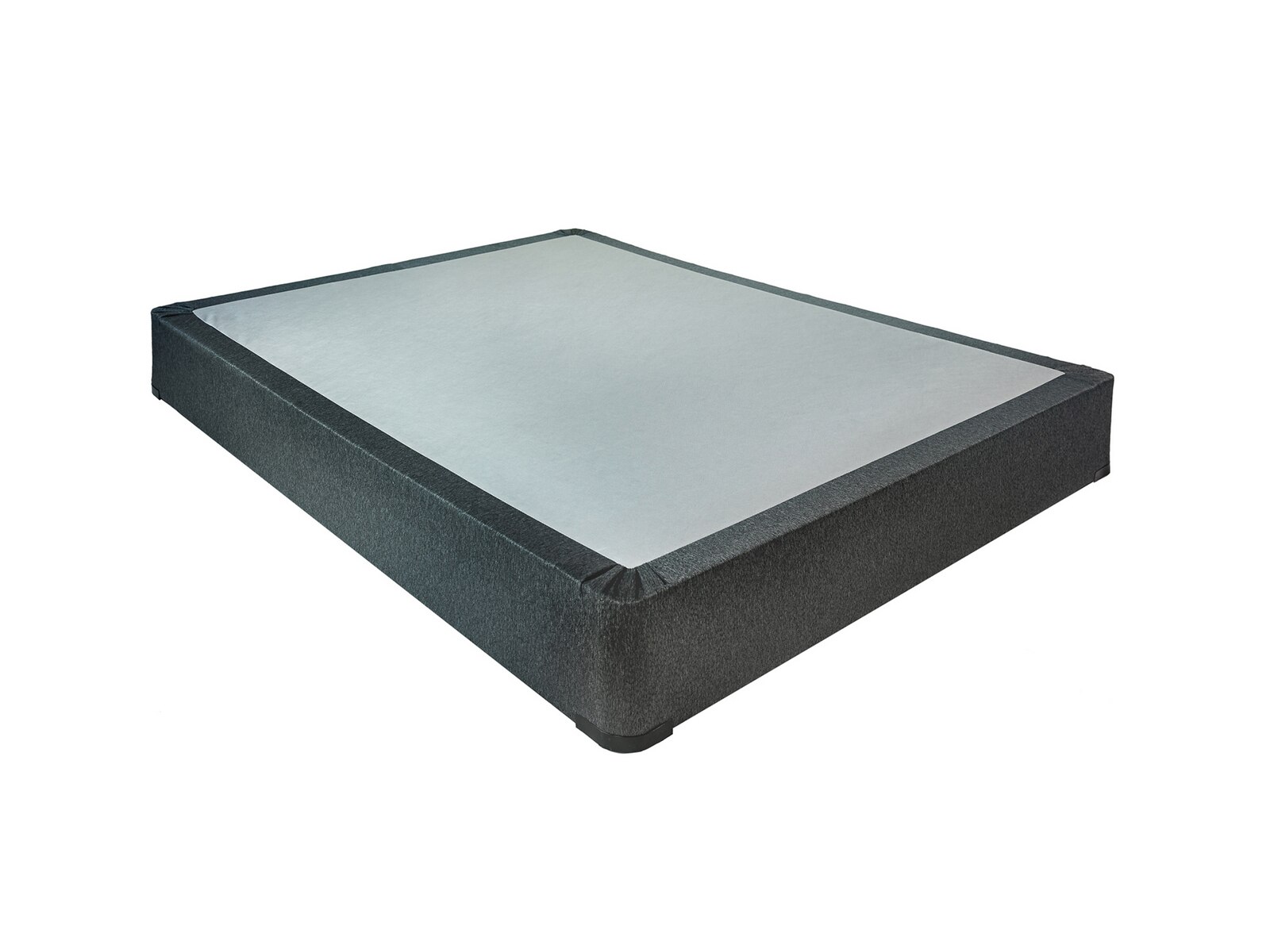
Bedding fit becomes especially noticeable with a thick mattress on a tall frame. A fitted sheet needs enough pocket depth to reach around the entire mattress and tuck securely beneath its lower edges. Measure the mattress with any topper that will remain underneath the sheet, then compare that measurement with the sheet manufacturer’s stated fit range. Deep-pocket and extra-deep-pocket labels are not standardized, so the actual dimensions matter more than the name. A sheet stretched beyond its intended depth may pull free at the corners, while an overly generous fit can leave loose fabric across the sleeping surface. Cotton, linen and other bedding fabrics offer different textures and care requirements; secure elastic and appropriate dimensions are just as important as softness. Washing according to the care label helps preserve fit, particularly with fabrics that can shrink. A mattress protector should also accommodate the full profile without compressing the comfort layers or bunching beneath the fitted sheet. Beneath the mattress, follow the manufacturer’s requirements for slat spacing, center support and any foundation. Some mattresses can rest directly on a compatible platform, while others need an additional support component. The frame’s stated weight capacity should accommodate the mattress, sleepers and other supported components, and its connections should remain secure. For a spacious setup, explore
King Size Bed Frames For Tall Mattresses with those height and support measurements in mind. Ongoing care helps protect the finished setup: use a suitable protector, address spills promptly and allow cleaned areas to dry fully before replacing bedding. Rotate the mattress only as its care instructions recommend, and do not flip a one-sided design. Adequate ventilation around the base and periodic checks for loose frame hardware also support everyday upkeep. With compatible support, well-fitting bedding and a comfortable overall height, a tall bed can feel as thoughtfully put together as it looks.