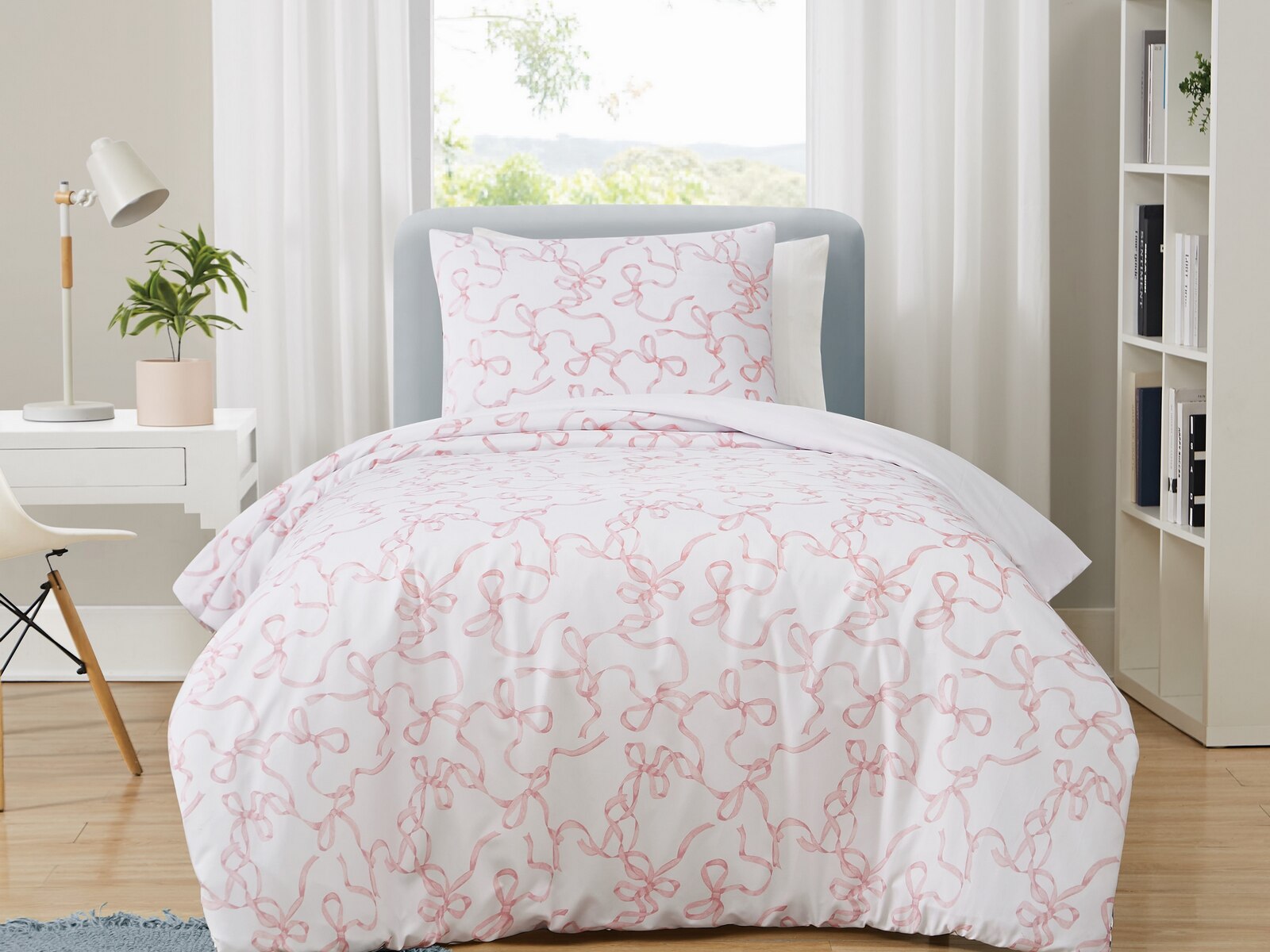
Dorm room furniture brings together compact sleeping, studying, seating and storage solutions for a space that often serves several purposes throughout the day. The most useful choices make those activities easier without crowding the floor or blocking the path between the bed, desk and door. In a shared room, that can mean furniture with a small footprint, storage that uses vertical space and surfaces that serve more than one purpose. A place to sit may also hold extra linens, while a narrow bedside surface can keep glasses, a phone and a water bottle within reach. Good fit starts with the room itself: floor dimensions, door clearance, window placement and the location of outlets all affect how comfortably furniture works in the space. Furniture supplied by the school matters just as much. A room with a built-in desk and dresser has different needs from one with an open layout, so checking the housing description before adding anything helps prevent unnecessary duplication. Measurements should account for everyday movement, not just whether a piece fits against a wall. Desk drawers need room to open, chairs need space to pull back and storage should remain accessible when both roommates are home. For furniture that needs assembly, the route into the room also deserves attention, especially when narrow stairways or small elevators are involved. School housing rules may limit furniture dimensions, bed adjustments, wall attachments or electrical features, making those requirements an important part of choosing a workable setup. Within those boundaries, a coordinated room does not need to look overly matched. Similar proportions, a restrained mix of finishes and a few personal touches can create a settled feel while leaving each roommate room to express a different style. The goal is a room where a backpack has a place to land, study materials stay organized and getting ready for bed does not require rearranging the furniture.
The bed often occupies the largest share of a dorm room, making its dimensions and surrounding space central to the furniture layout. Twin XL mattresses are common in college housing, but sizes vary, and a standard twin mattress is shorter than a Twin XL. Confirming the assigned mattress size and bed configuration helps ensure that bedding fits correctly and that nearby furniture sits at a useful height. An elevated bed may create space below for permitted storage, but any adjustment should follow housing rules and the bed manufacturer's directions. Added height can also change how easily a student gets into bed or reaches a bedside surface, so convenience and stability deserve equal consideration. When the school provides the mattress, changes to the sleep surface should stay within housing requirements. A permitted comfort layer can alter cushioning, though its thickness also affects overall bed height and sheet fit. For coordinating the sleep space,
Dorm Room Bedding connects the furniture layout with the linens and protective layers that make the bed comfortable and easier to maintain. In a small room, washable bedding and an accessible place for spare linens help simplify everyday routines. The space around the bed should also support the way the student actually lives. Someone who reads before sleeping may value a reachable surface for a book and glasses, while someone sharing a room with a different study schedule may need a layout that keeps late-night activity away from the sleep area. Charging cords should not cross walking paths, and furniture should not obstruct vents, doors or required access points. A dorm room feels more comfortable when the bed remains a dependable place to rest rather than becoming the only surface for laundry, meals and coursework. Even modest separation between sleeping and studying areas can help the room function more smoothly throughout a busy academic schedule.
Materials, construction and care requirements influence how dorm room furniture holds up to repeated use and eventual moves. Solid wood can provide a substantial feel, though its weight may make carrying and repositioning more demanding. Engineered wood can offer a consistent finish and practical dimensions, but exposed edges and damaged surfaces may be vulnerable to moisture. Metal frames can suit compact layouts, with stability depending on sound connections, appropriate support and correct assembly. Regardless of material, stated weight limits matter, and furniture should only be used for its intended purpose. Storage furniture is not a substitute for a step stool, and a surface designed for books should not be treated as seating. For upholstered furniture, fabric texture and maintenance instructions are worth considering alongside appearance. A removable cover may simplify care if its label permits washing, while other fabrics may require spot cleaning with a specified method. Spills are easier to manage when addressed promptly according to the manufacturer's instructions, and protective pads can help limit scratches where furniture rests on the floor. Durability also includes details that become noticeable after weeks of daily use: drawers that move smoothly, handles that are easy to grasp and joints that remain secure when assembled correctly. Furniture that can be disassembled according to its instructions may be easier to transport between campus housing and home, especially when the hardware stays labeled and together. For students moving into a first dorm, useful furniture reflects actual routines rather than a picture-perfect room. An art student may need clear workspace for projects, while a student with frequent reading assignments may prioritize supportive seating and reachable storage. Furniture can also be a thoughtful college send-off gift when the recipient has confirmed the room dimensions, housing rules and shared-space arrangements. Choosing around those real needs helps create a room that feels personal, stays manageable and supports both focused work and a comfortable place to rest.