Duvets for Mother's Day make thoughtful gifts for mothers, grandmothers and other mother figures who appreciate bedding that feels comfortable and suits their everyday routines. A duvet pairs a filled insert with a removable cover: the insert provides loft and insulation, while the cover adds a washable outer layer with its own color, texture and finish. That combination makes a duvet a personal gift without requiring a complete bedroom makeover. For someone who loves sinking into a softly layered bed at the end of a busy day, a lofty insert can bring a welcoming, cushioned feel. For someone who prefers less bulk, a lighter fill may feel easier to settle beneath and simpler to arrange each morning. Down, feather blends and down alternative fills offer different experiences, so the material matters as much as the appearance. Down is valued for its loft and insulating properties, while feather blends can have a more substantial feel. Down alternative fills, often made from polyester fibers, provide another option for someone who prefers to avoid animal-derived fill. The shell surrounding the fill also contributes to the experience; its weave, softness and construction affect how the insert feels beneath a cover. Cotton shells are often chosen for their breathability, while tightly woven fabrics help contain fine fill. Fill power, when listed for down, describes loft rather than the duvet's total weight, so it is most useful when considered alongside fill weight and construction. A higher number alone does not tell the whole comfort story. The most meaningful Mother's Day choice reflects how the recipient actually likes to rest, whether that means a lofty layer for a leisurely morning in bed or something less substantial that is easy to fold back. Familiar preferences, such as a love of crisp sheets, a dislike of heavy bedding or a favorite soft cotton blanket, offer useful clues without taking away the surprise of the gift.
Fit helps a duvet feel finished rather than fussy. Mattress size is a starting point, but the insert's actual dimensions determine how much fabric extends over the sides and foot of the bed. A deep mattress, an added topper or a preference for generous coverage can change the amount of drape that looks and feels comfortable. On a shared bed, sufficient width can also make a difference when each sleeper likes to pull the bedding closer. The duvet cover should correspond closely to the insert's measurements; too much extra fabric can leave empty edges, while a cover that is too small can compress the fill and make the surface look crowded. Corner loops on an insert and ties inside a cover, when present, help keep the layers aligned. Secure closures can make routine use easier, especially for someone who adjusts the bedding often or shares the bed with a pet that likes to nest near the foot. Construction inside the duvet matters, too. Stitched compartments help limit fill movement, while baffle-box construction uses internal fabric walls to give the fill room to loft. These details support a more consistent feel across the bed, although occasional fluffing may still be needed. Coordinating
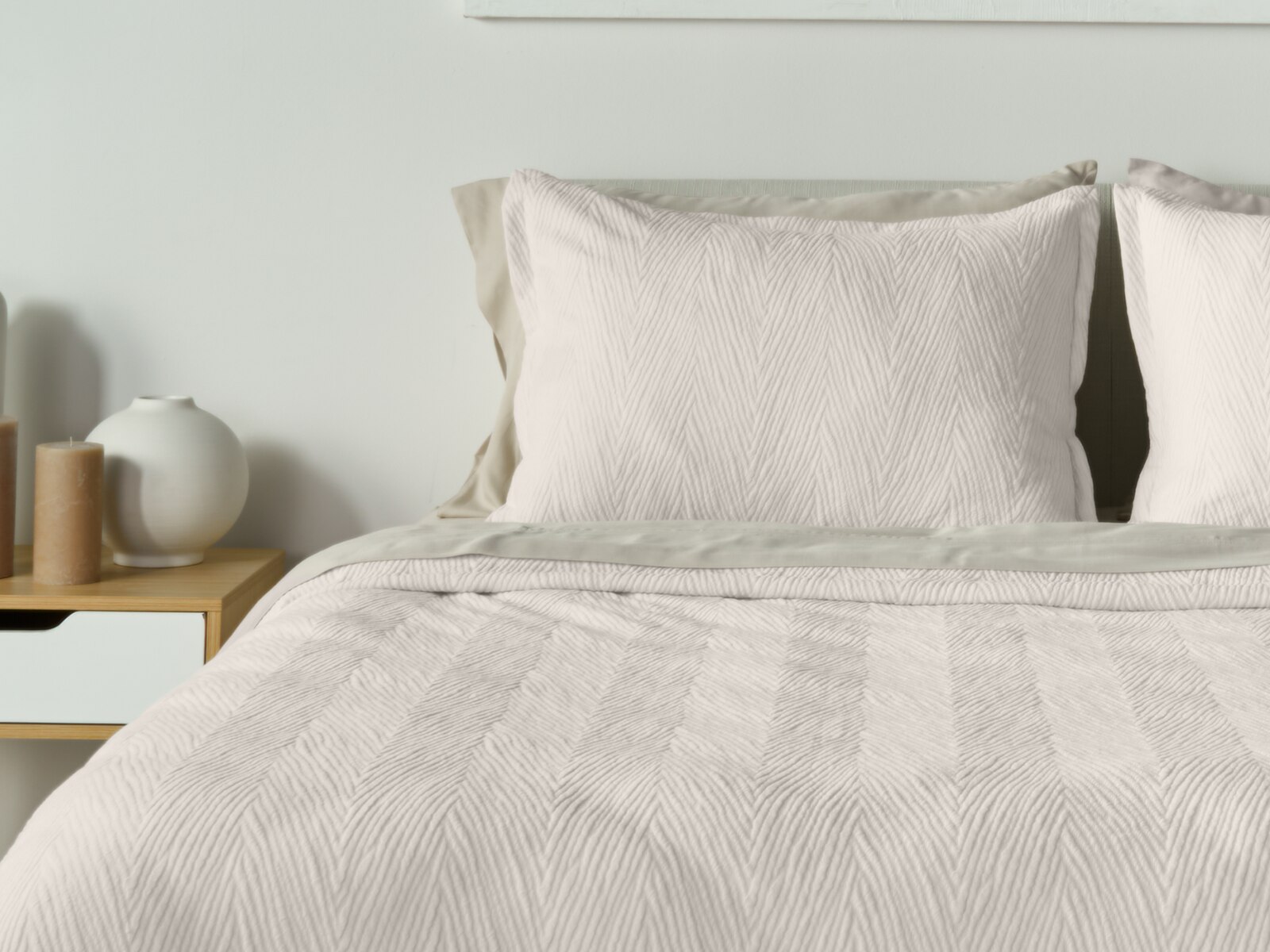
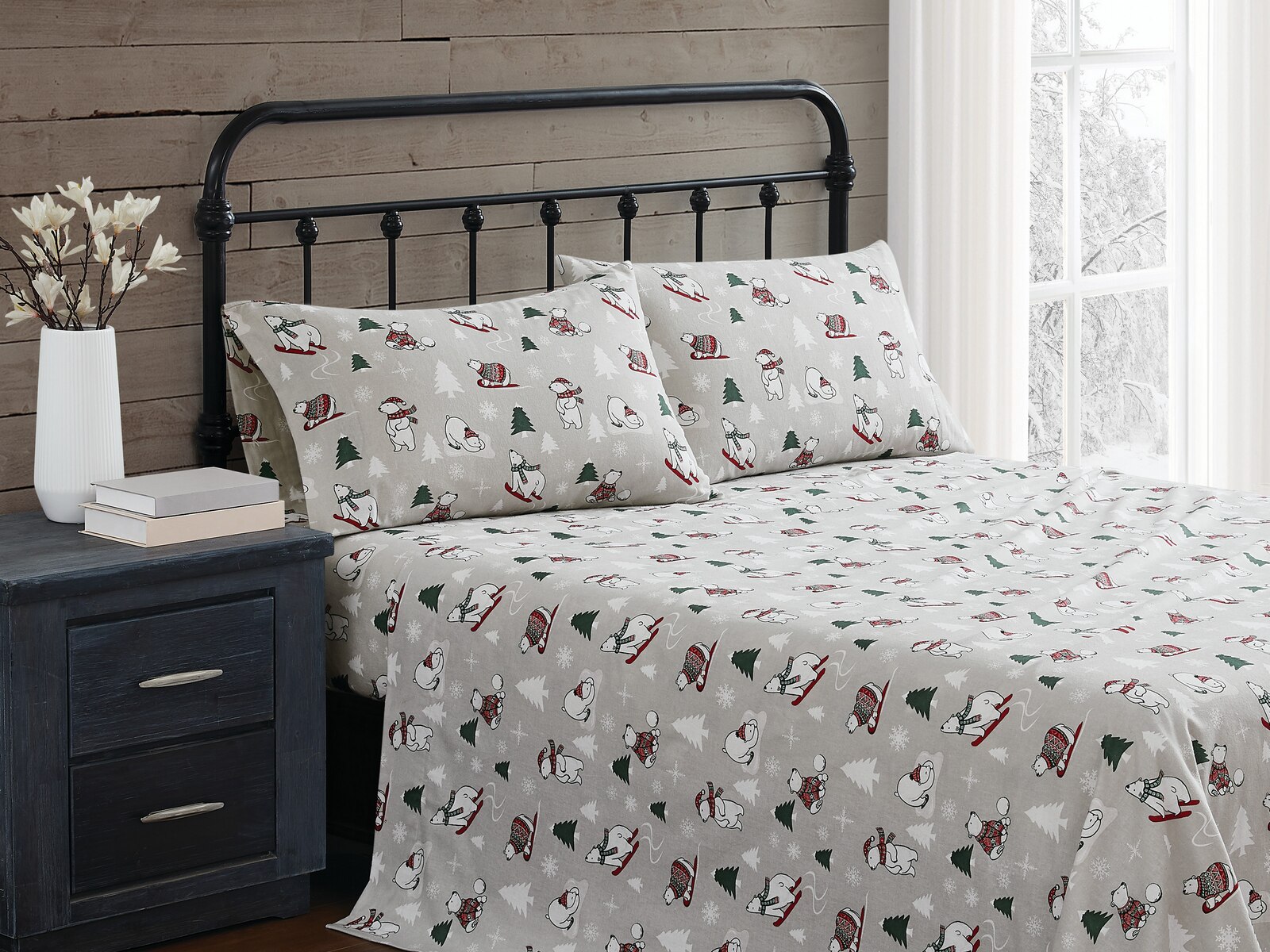
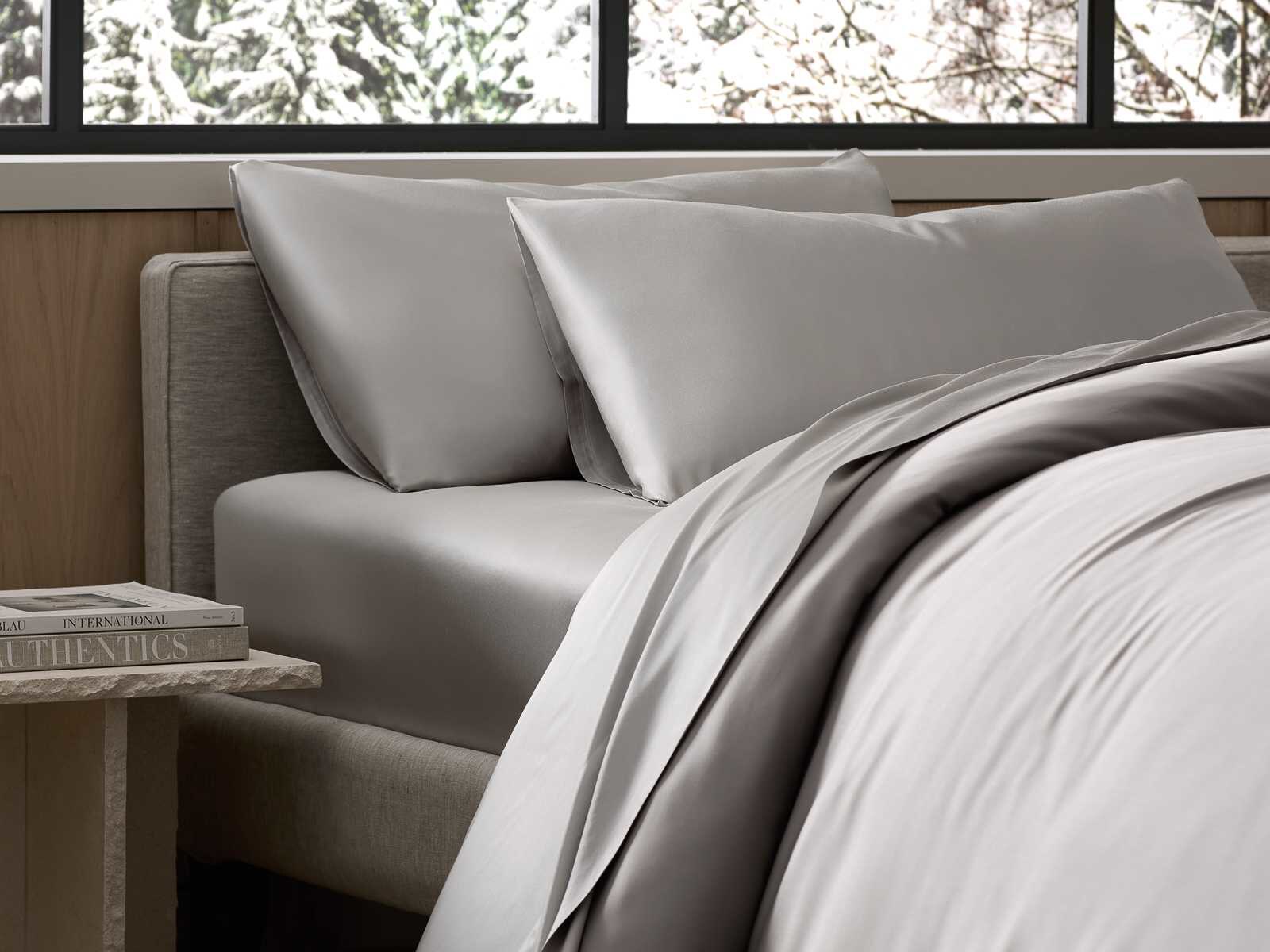
Duvet Covers can give a familiar bedroom a refreshed look without replacing its other layers. Cotton percale typically has a crisp, matte finish, while cotton sateen tends to feel smoother and have a subtle sheen. Linen brings visible texture and a relaxed appearance, and microfiber often offers a soft, smooth surface. A recipient who enjoys a neatly arranged bed may appreciate a restrained pattern or solid color that works with existing pillowcases. Someone who favors a more relaxed space may prefer a textured weave that looks inviting with a few natural wrinkles. For gifting, the distinction between an insert, a cover and matching pillow shams is important: each serves a different purpose, and a cover alone does not provide the filled layer that gives a duvet its loft.
Care requirements are part of what makes a Mother's Day duvet a lasting, useful gift. A beautiful layer is easier to enjoy when its upkeep fits the recipient's household, whether bedding is washed at home or taken for professional cleaning. Care labels should guide washing, drying and spot treatment because fill materials, shell fabrics and decorative finishes do not all tolerate the same methods. A machine-washable duvet still needs enough room to move freely in the washer, and a bulky insert may need equipment larger than a household machine. Thorough drying is especially important for filled bedding; moisture left inside can encourage odors and clumping even when the outer fabric feels dry. Any drying aids or heat settings should follow the manufacturer's directions rather than a general routine. A removable cover helps protect the insert from everyday contact with skin, body oils and spills, making it possible to wash the outer layer separately as directed. That can be particularly helpful for someone who reads in bed, enjoys breakfast on a tray or has a pet that claims a favorite spot on the bedding. Durable seams, securely attached closures and fabric suited to repeated care are useful details beyond the first impression of softness. Gentle handling when changing the cover can reduce strain on ties and stitching, while fluffing according to the care instructions helps redistribute fill. Between uses, bedding should be clean and completely dry before being stored in a suitable, breathable space without prolonged compression. For a recipient who manages a busy household, straightforward care may be just as welcome as a plush feel. For someone who enjoys making the bedroom a retreat, the pleasure may be in the quiet details: a smooth cover, comfortable weight and enough drape to tuck around the shoulders while reading. A thoughtfully chosen duvet brings those preferences together in a Mother's Day gift designed for everyday comfort, not just the moment it is opened.