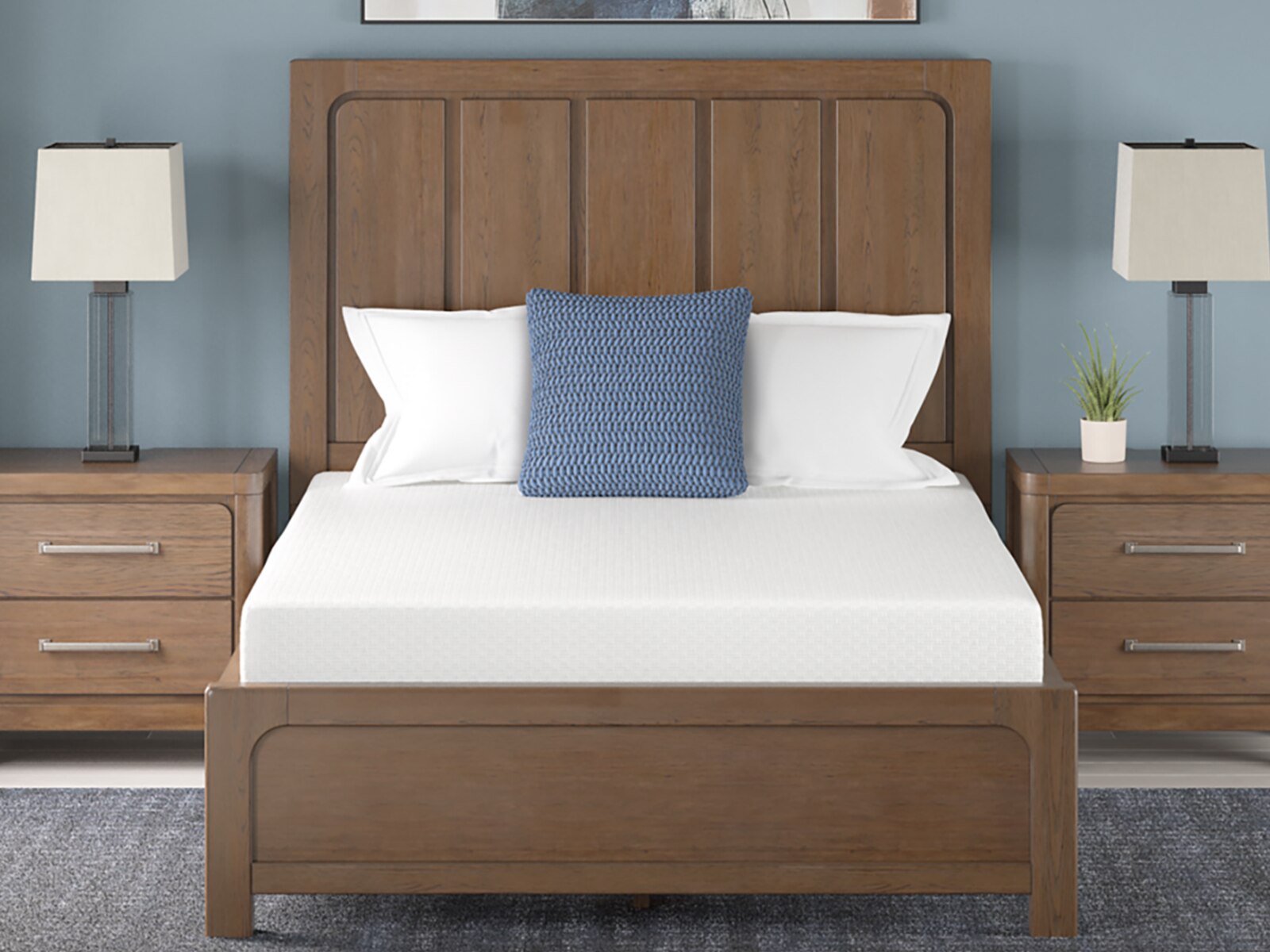
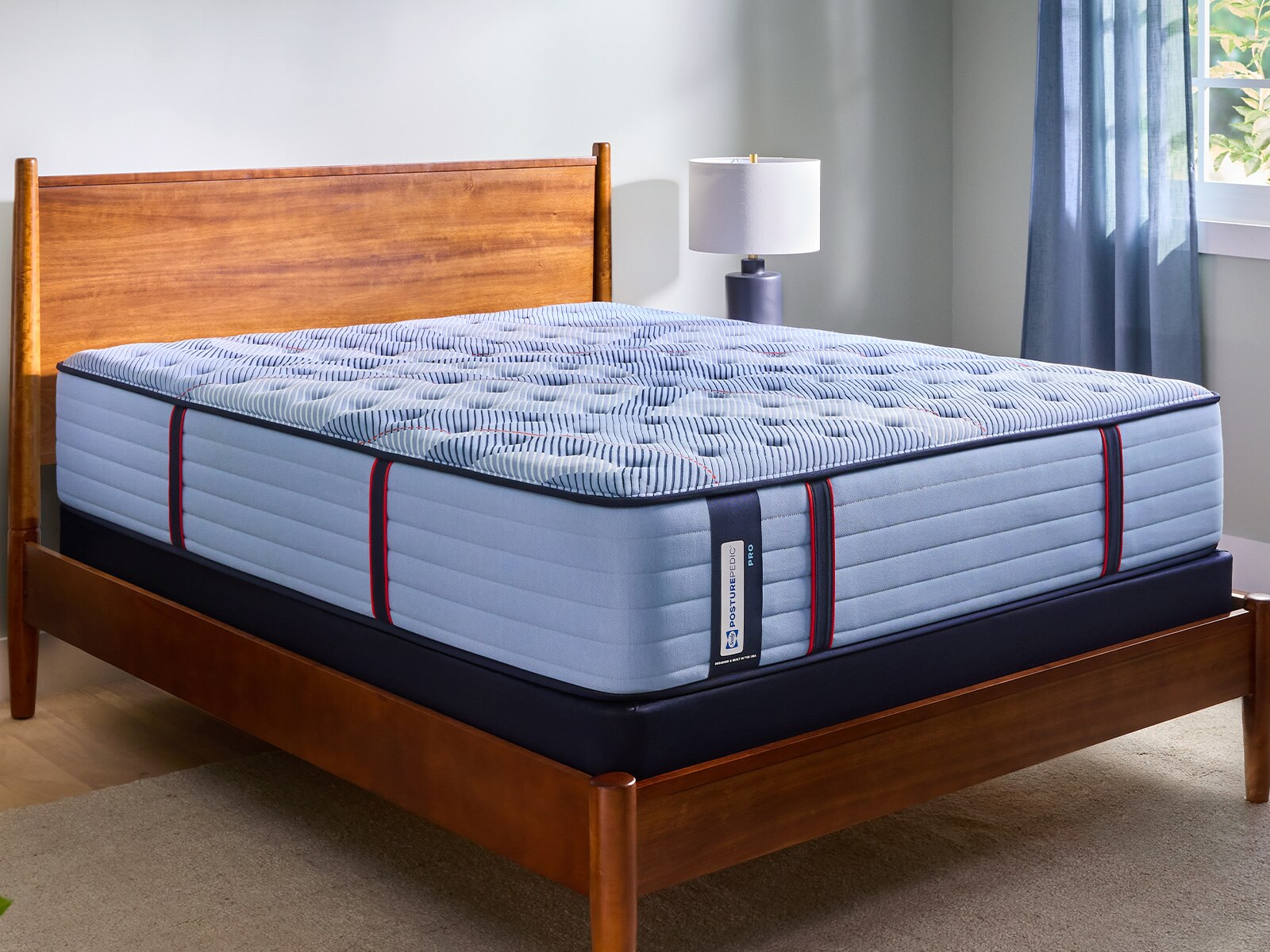
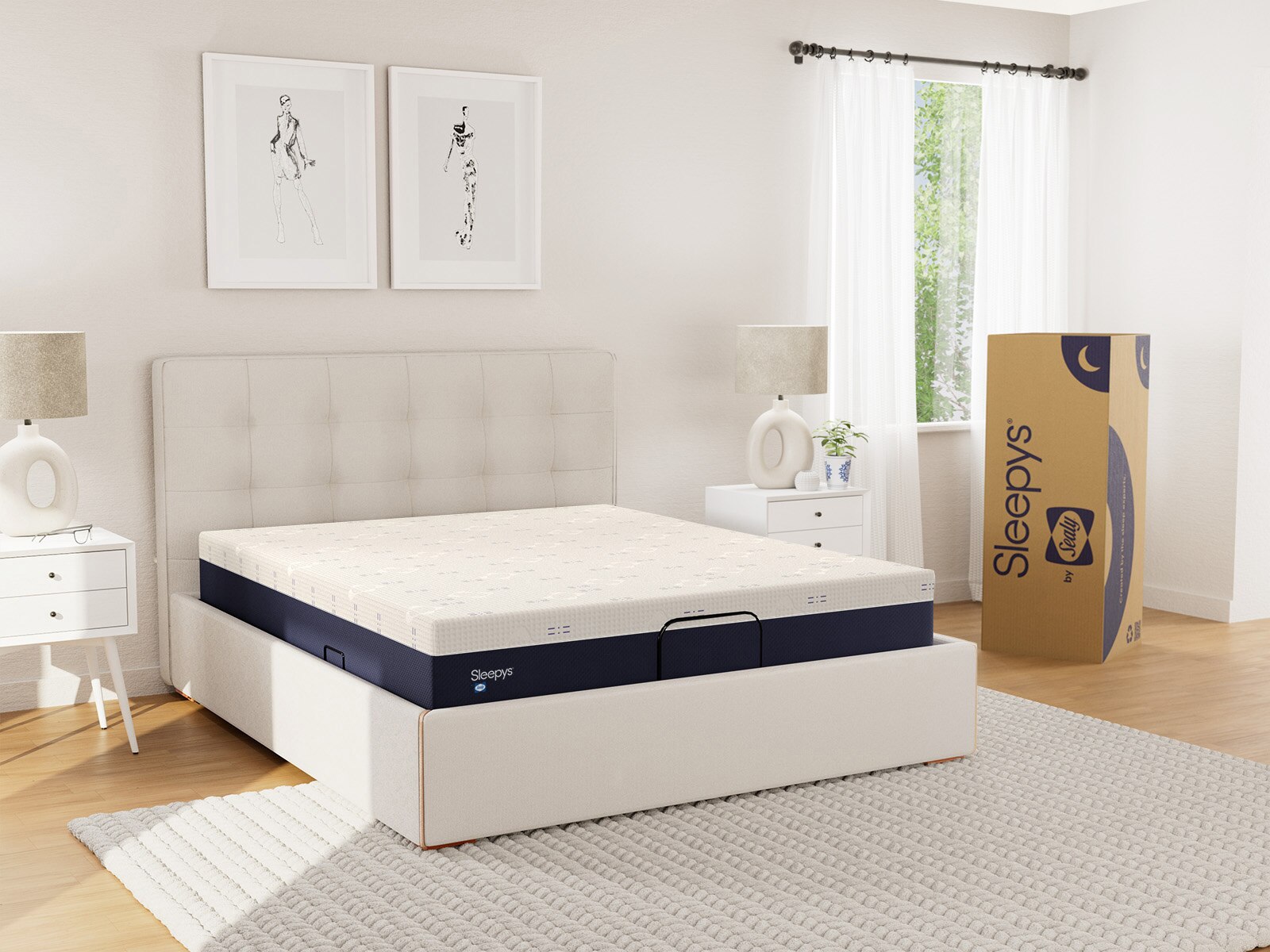
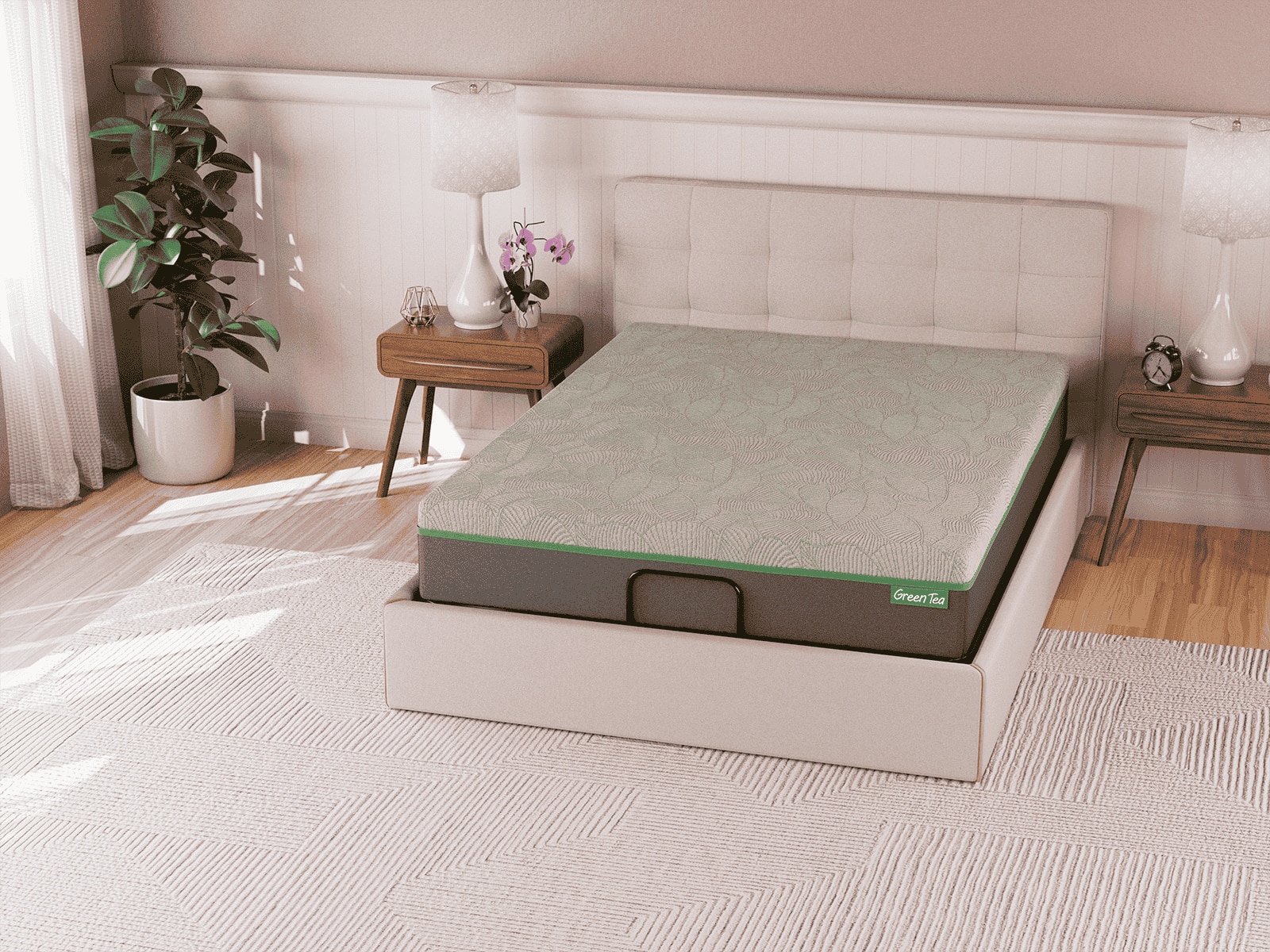
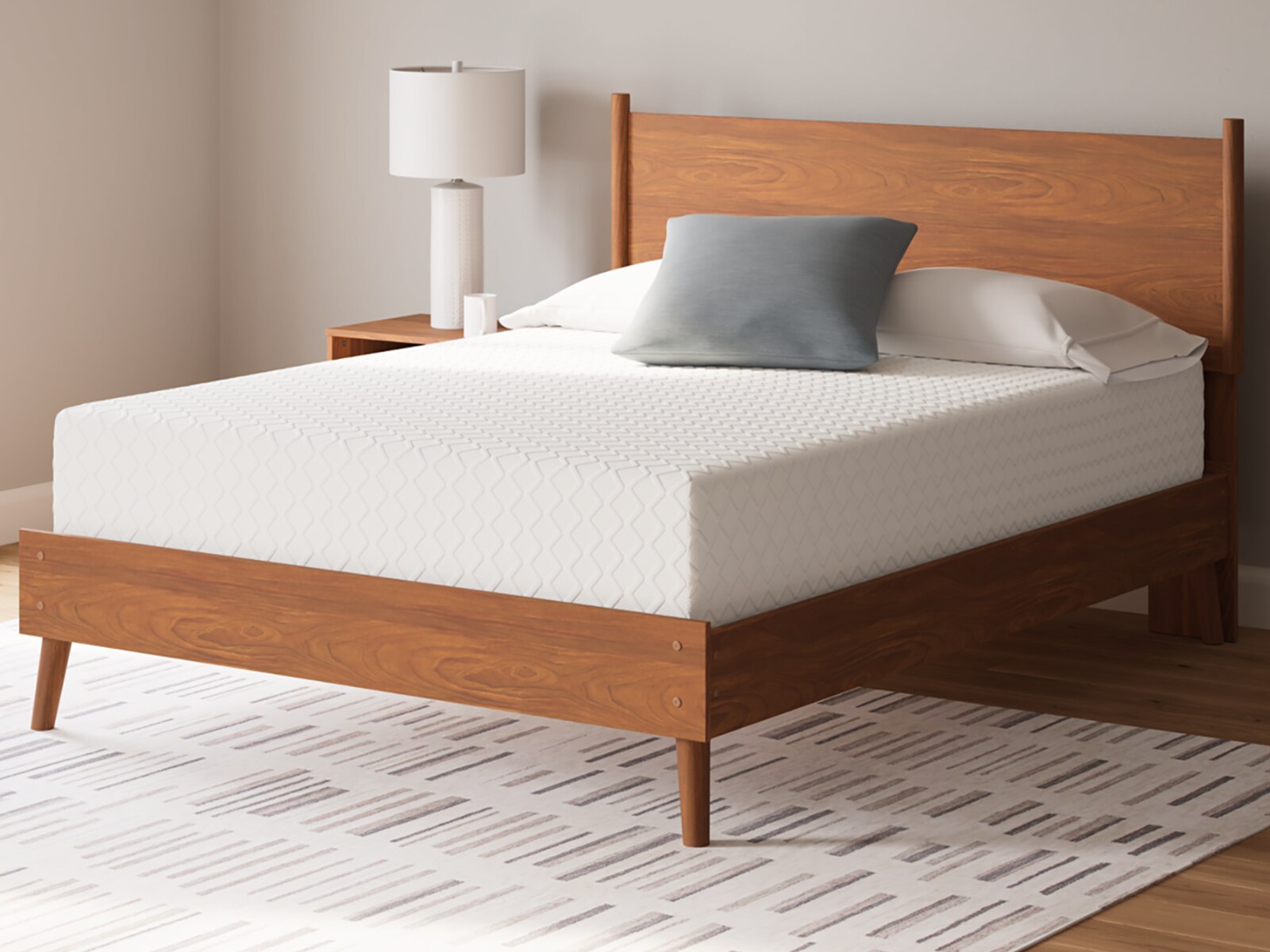
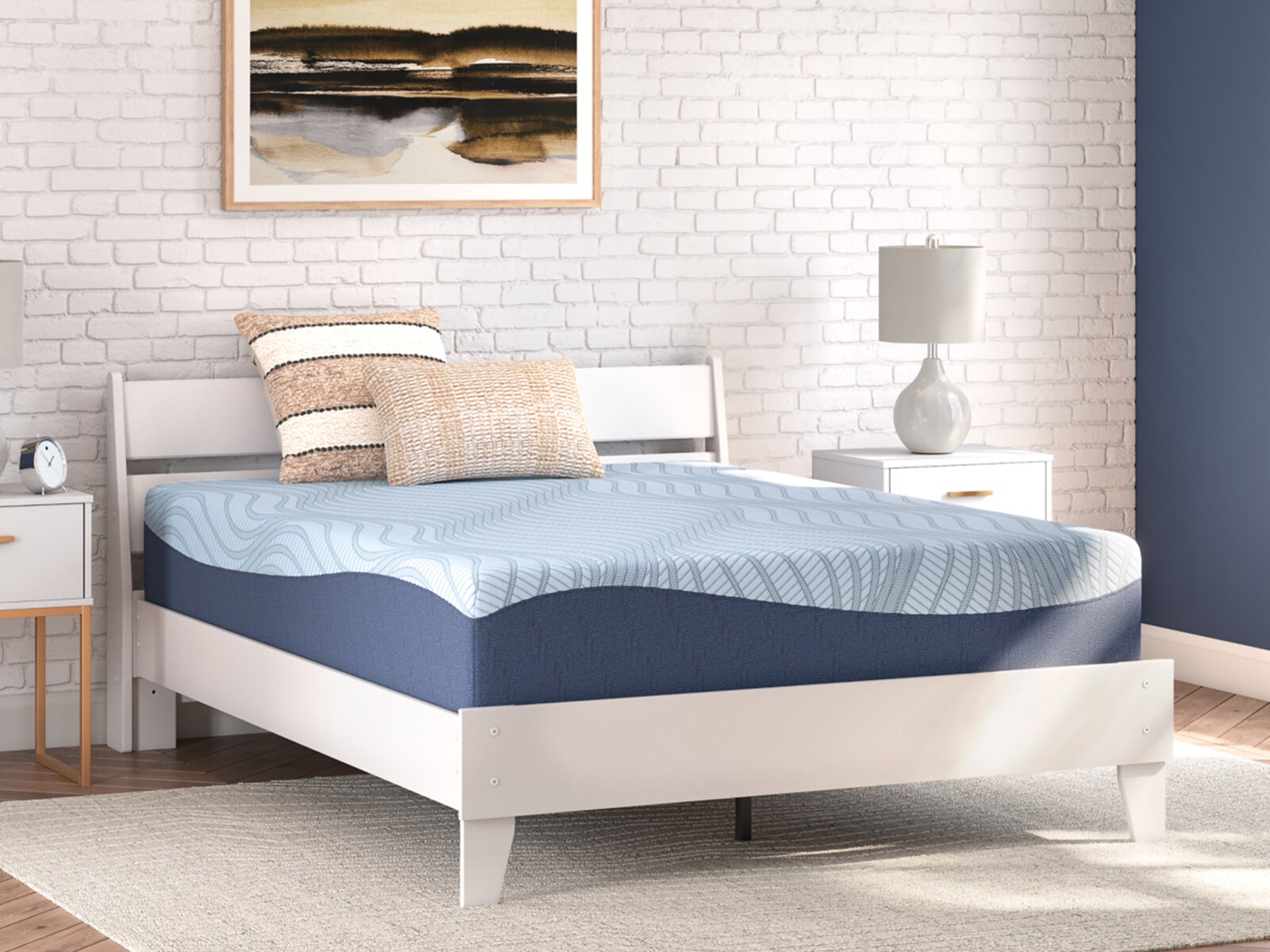
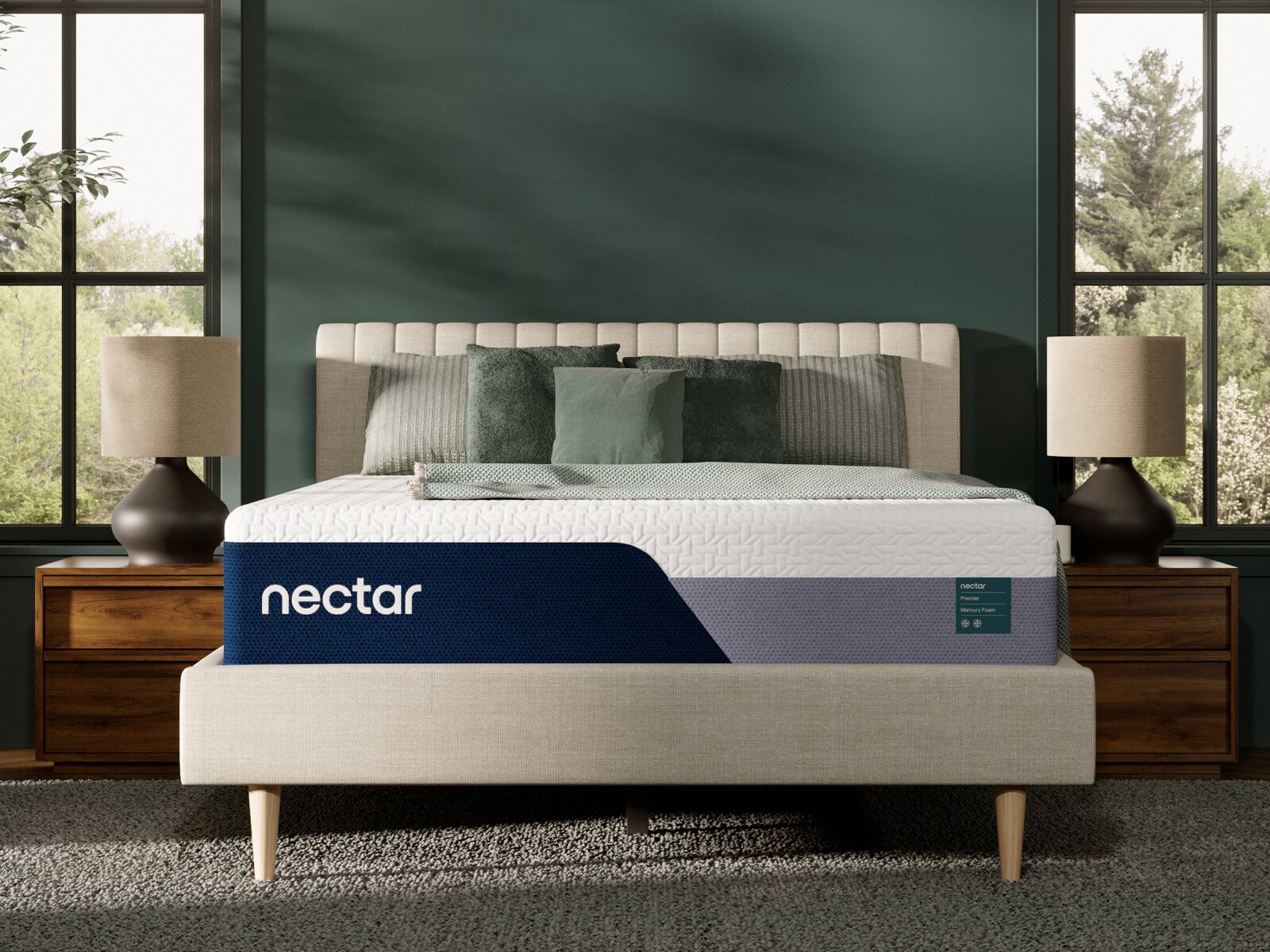
Easy setup mattresses make bringing a new sleep surface into a bedroom more manageable, often through compressed, rolled packaging that takes up less space than a fully expanded mattress. Many arrive as a mattress in a box, making the package easier to maneuver through doorways and around tight corners before opening. Once unpacked on a suitable base, the mattress gradually expands toward its intended shape and height. That convenience is useful when furnishing a first apartment, refreshing a guest bedroom or replacing a mattress in an upstairs room with a narrow staircase. Compact packaging does not necessarily mean a lightweight mattress, though, and larger sizes may still require two adults to move safely. Beyond the packaging, these mattresses deserve the same thoughtful consideration as any other sleep surface. All-foam construction typically combines a supportive base with comfort layers that contour around the body. Memory foam often has a close, cushioning feel, while other foams may feel more responsive when changing positions. Hybrid construction combines foam or other comfort materials with a coil support system, offering a different balance of cushioning, movement and edge support. Neither construction automatically determines firmness, and mattress height alone does not establish comfort or durability. A side sleeper may appreciate cushioning around the shoulders and hips, while a back or stomach sleeper may prefer a surface that limits excessive sinking through the middle. Body weight and personal preference also influence how firm a mattress feels. For a shared bed, motion isolation can help reduce the movement felt when a partner turns over, while responsiveness can make repositioning easier. Edge support is worth considering for anyone who regularly sits along the side to put on shoes or uses the full width of the bed. The most useful choice combines manageable setup with a feel that suits the person sleeping on it, rather than treating convenient packaging as the only deciding factor.
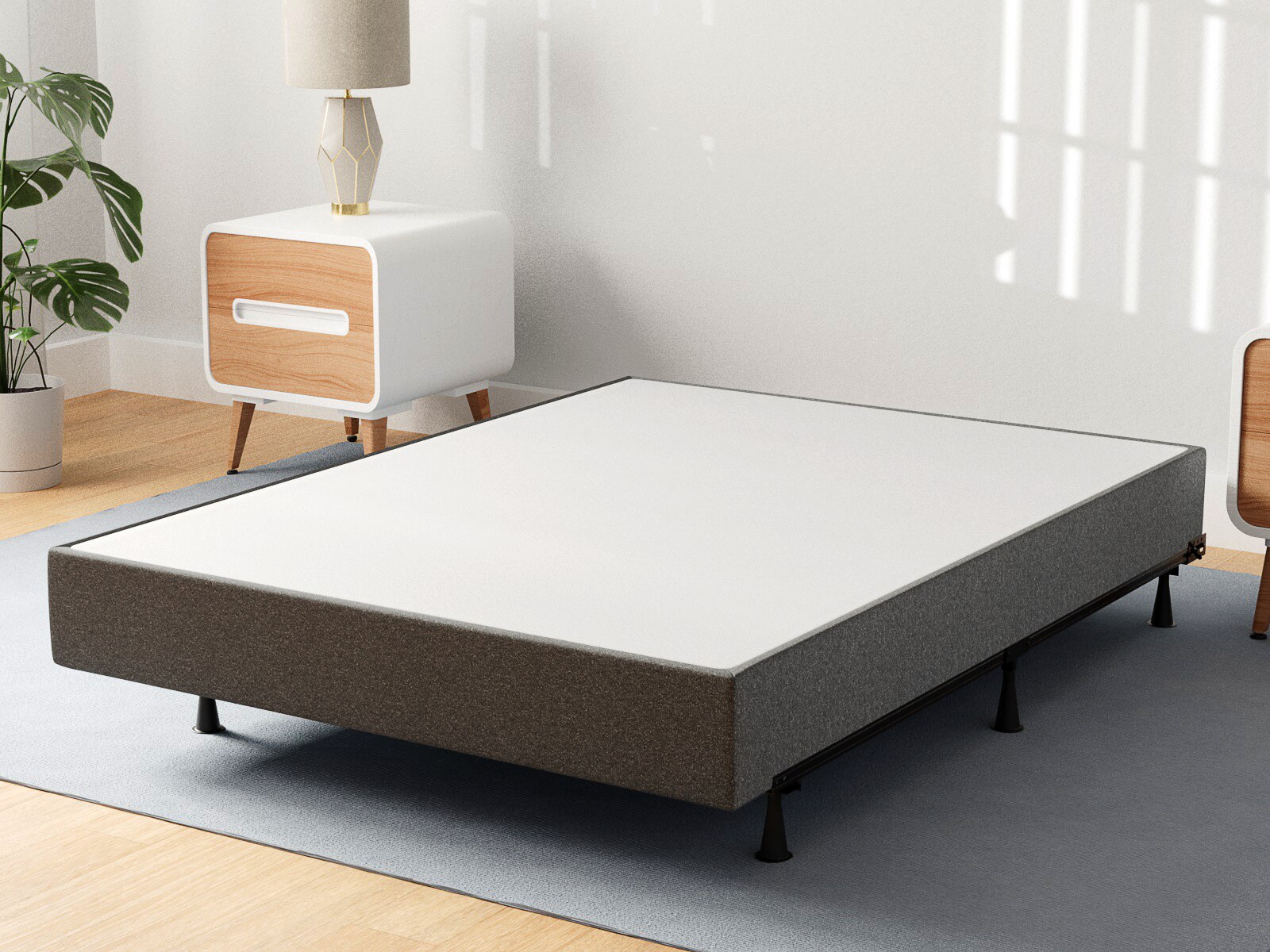
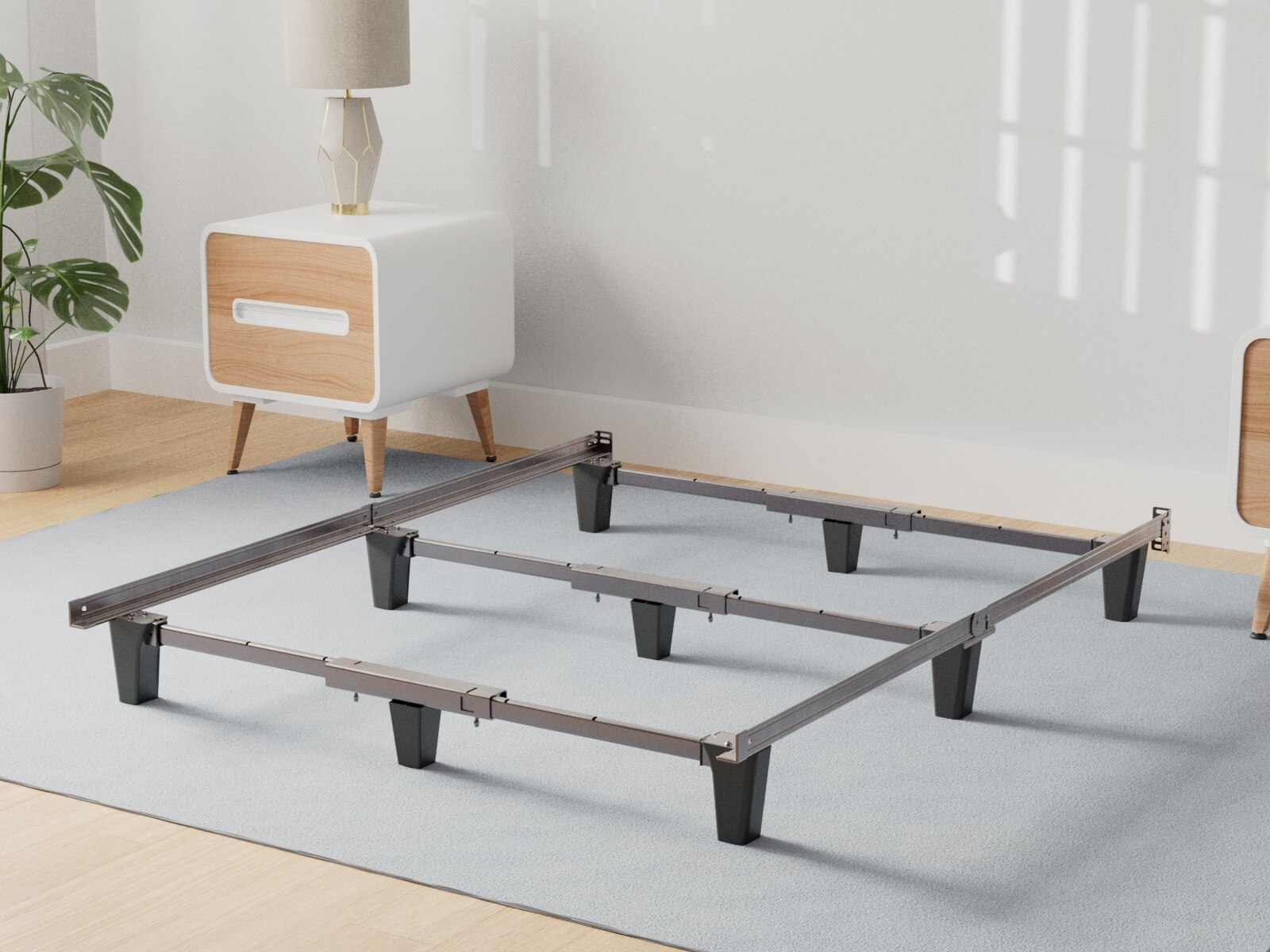
A smooth setup starts with a mattress that fits both the room and its intended support system. The measurements that matter include the expanded mattress dimensions, the packaged dimensions and weight, and the space along the delivery path. A box that fits through the front door may still be awkward on a stair landing, and a mattress that looks proportionate in an empty room can leave little clearance once a dresser and nightstands are in place. Twin and Twin XL sizes can work well in smaller bedrooms, with Twin XL offering additional length. Full, queen, king and California King sizes provide different combinations of sleeping space and room fit, so checking actual dimensions is more reliable than choosing by size name alone. The base underneath matters just as much. Depending on the mattress construction, an appropriate foundation, platform or slatted frame can help maintain even support and reduce the likelihood of sagging caused by an unsuitable surface. Requirements for slat spacing, center support and adjustable-base compatibility vary by manufacturer. A closer look at
Easy Setup Mattress Supports can help connect the mattress choice with the foundation beneath it. Compressed mattresses generally need to be opened near their final position because they become harder to move as they expand. Keeping sharp edges away from the cover during unpacking helps protect the fabric and comfort layers. Expansion time varies by construction and packaging, so the manufacturer's instructions should determine when the mattress is ready for use and when it should reach its expected dimensions. Some mattresses take longer than others to finish expanding, and looking fully opened is not always the same as being ready to sleep on. A clear floor area, enough room around the frame and another adult for lifting can make the process more manageable without assuming that every boxed mattress is a one-person task.
Everyday comfort and care help determine whether an easy setup mattress remains a good fit after the packaging is gone. For a primary bedroom, think about nightly sleep habits, including whether one person changes positions frequently or both sleepers prefer a similar level of cushioning. In a guest room, a balanced feel may accommodate a range of preferences, but the mattress should still provide dependable support rather than serve only as an occasional-use surface. A mattress for a growing child's room needs to suit the child's size, the frame and any applicable bed safety requirements; compressed packaging alone does not indicate suitability for a particular age. For someone setting up a first home, a mattress can also be a thoughtful gift when the recipient has a say in firmness, dimensions and delivery arrangements. Comfort is personal, and a surprise is less helpful if the mattress does not fit the room or the sleeper. Mattress height affects everyday details, too: a thicker profile may call for deeper fitted sheets, and the combined height of the frame and mattress influences how comfortably someone can sit down and stand up. Durable performance depends on the quality of the materials, the support underneath and appropriate use, not simply the number of layers or the ease of unpacking. A properly fitted mattress protector can help shield the surface from spills and everyday moisture while keeping routine upkeep simpler. Covers should be cleaned only as directed; a zippered cover is not necessarily removable or machine washable. Rotation may help distribute wear when recommended, but many mattresses are designed for use on one side and should not be flipped unless the manufacturer allows it. Keeping the mattress supported, addressing spills promptly and checking the base periodically are practical ways to care for it. With those details considered, easy setup becomes more than a convenient arrival: it is a straightforward beginning for a mattress chosen around the room, the sleeper and everyday life.