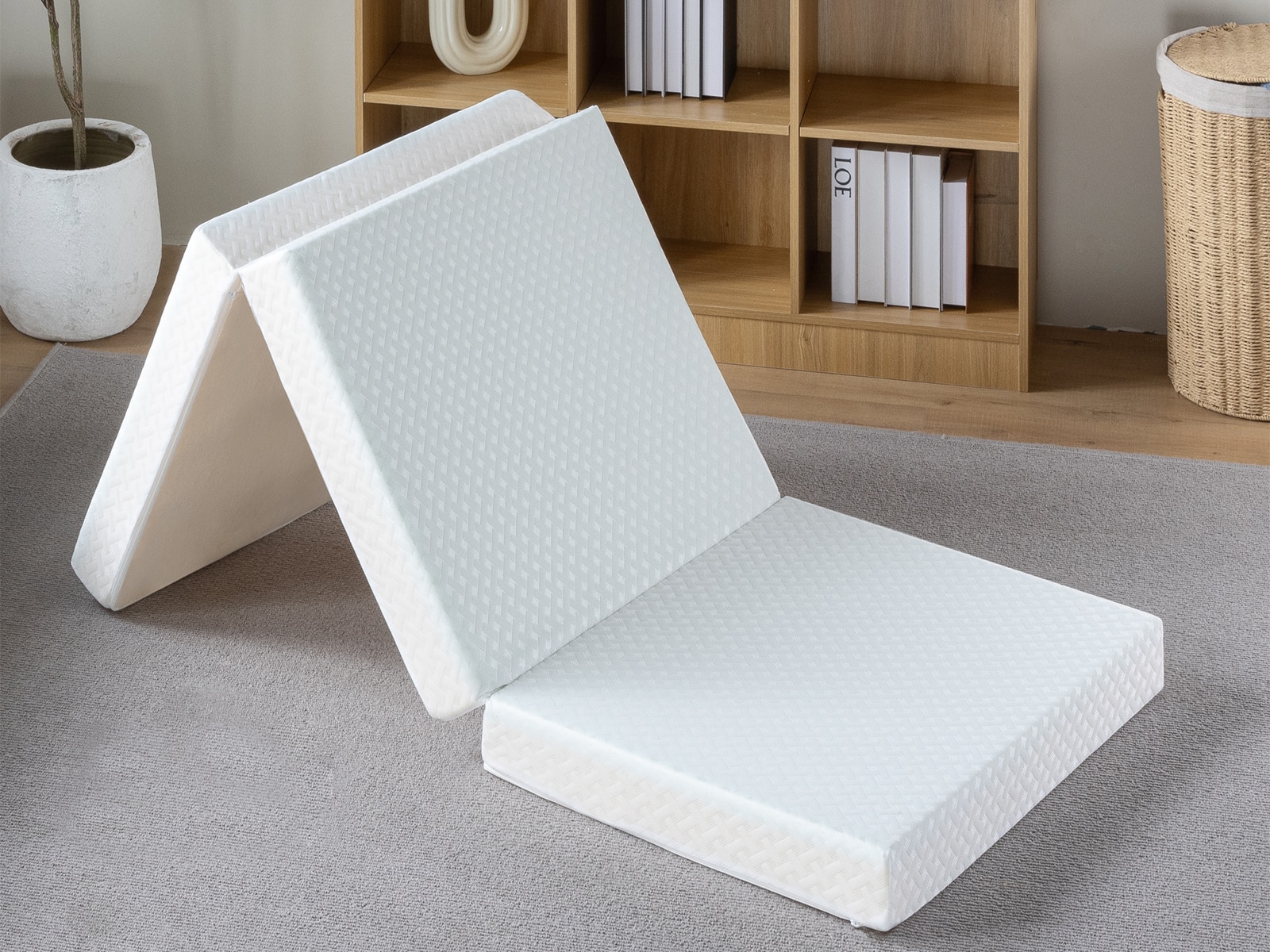
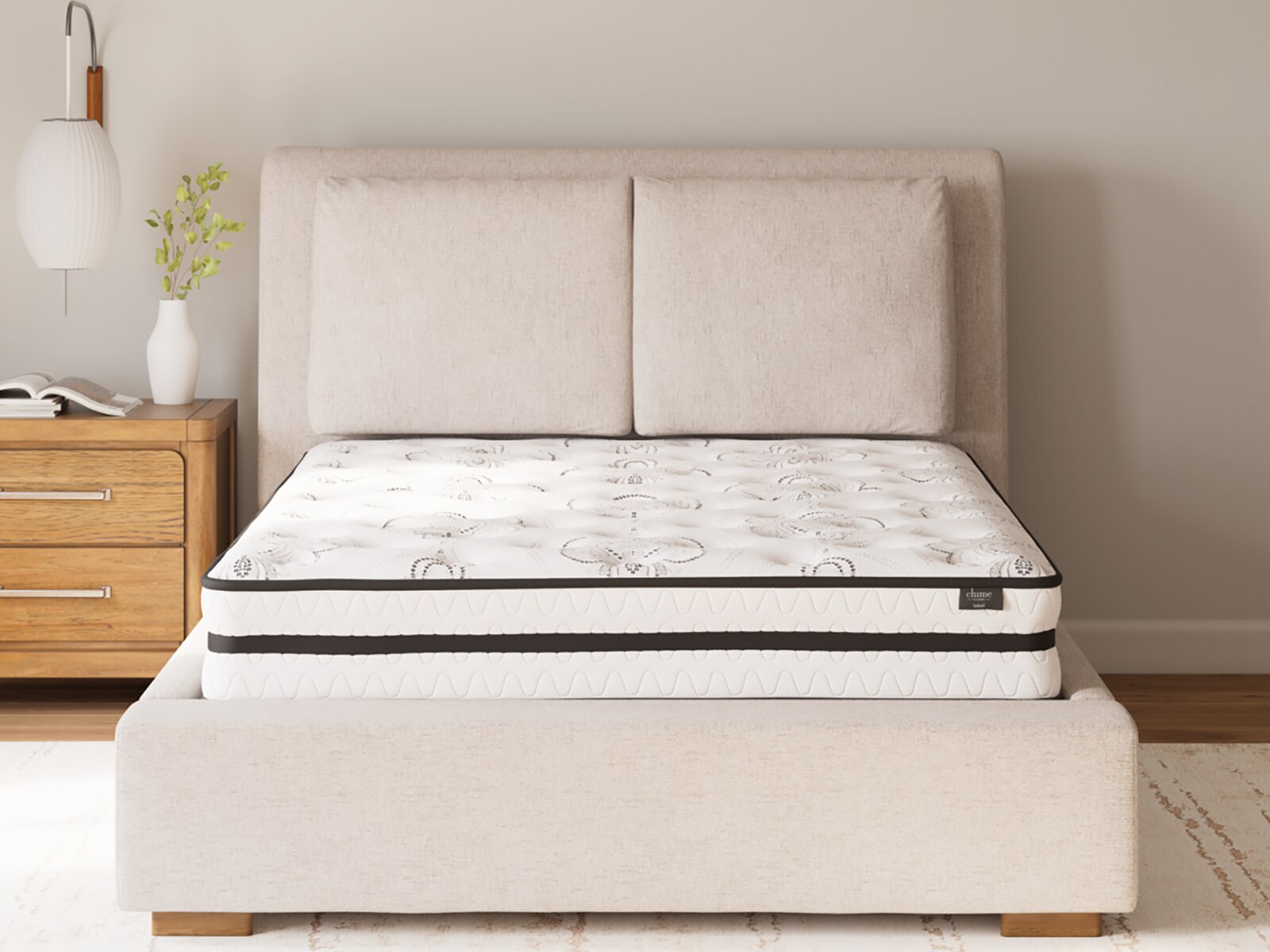
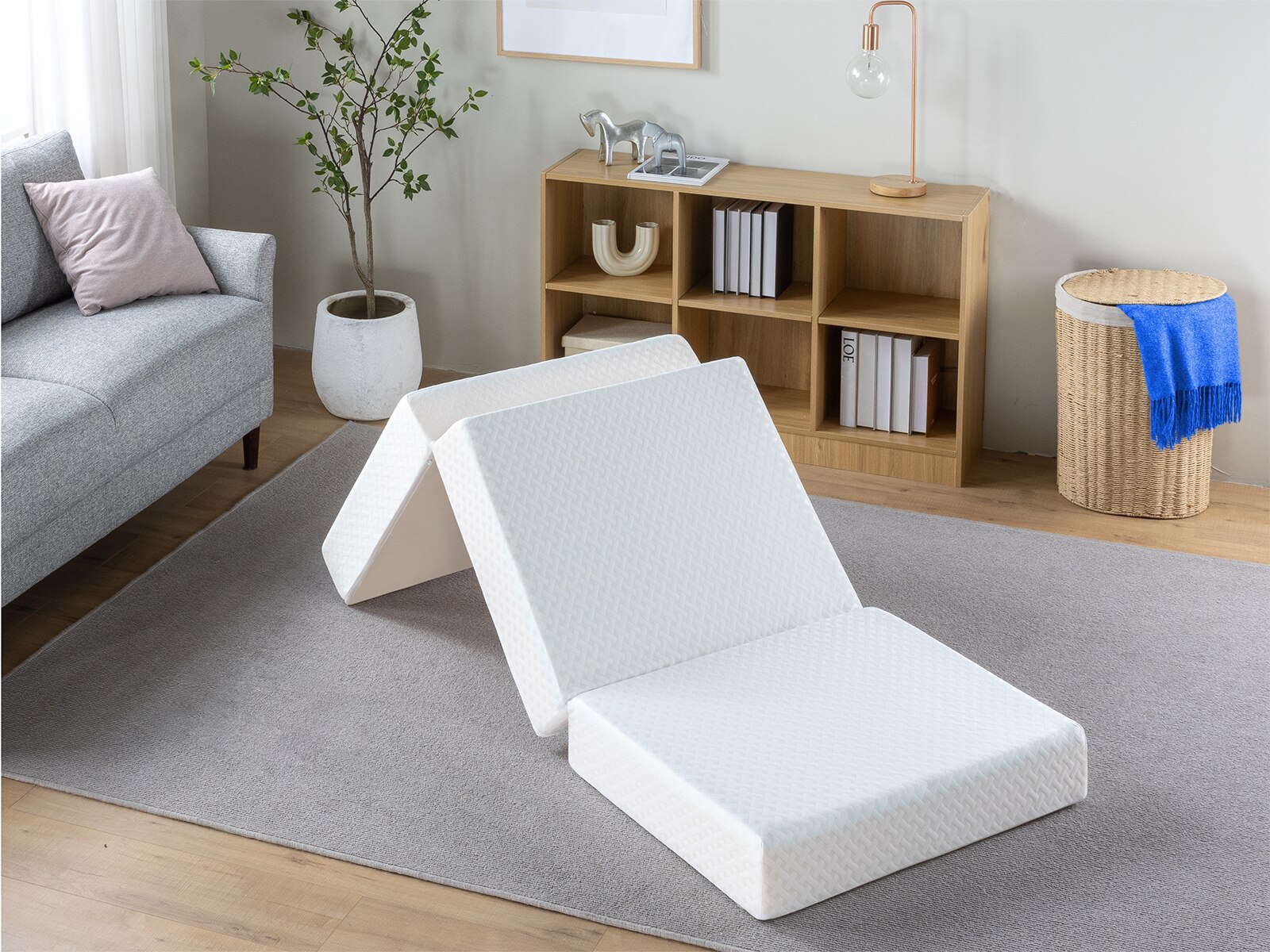
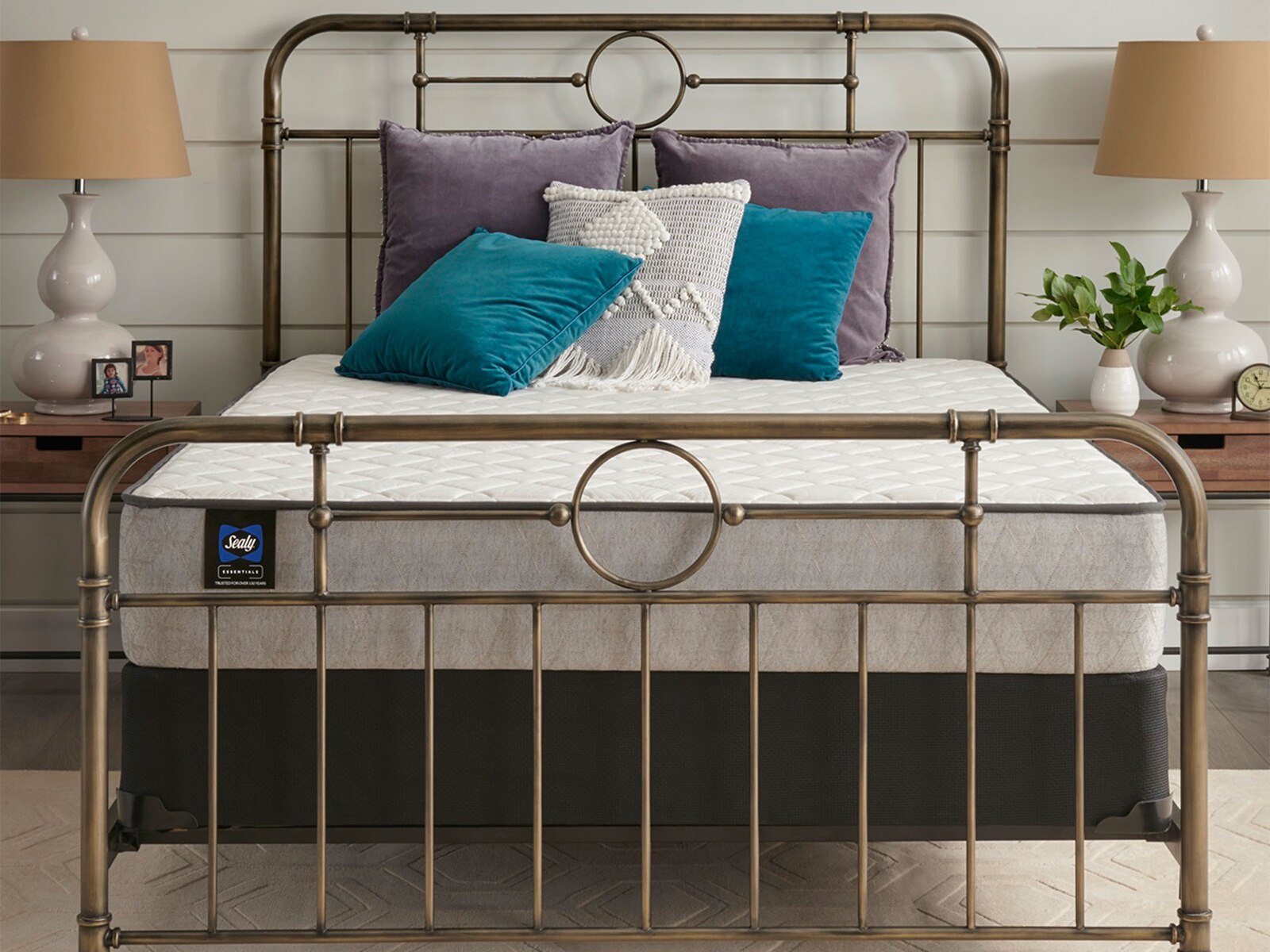
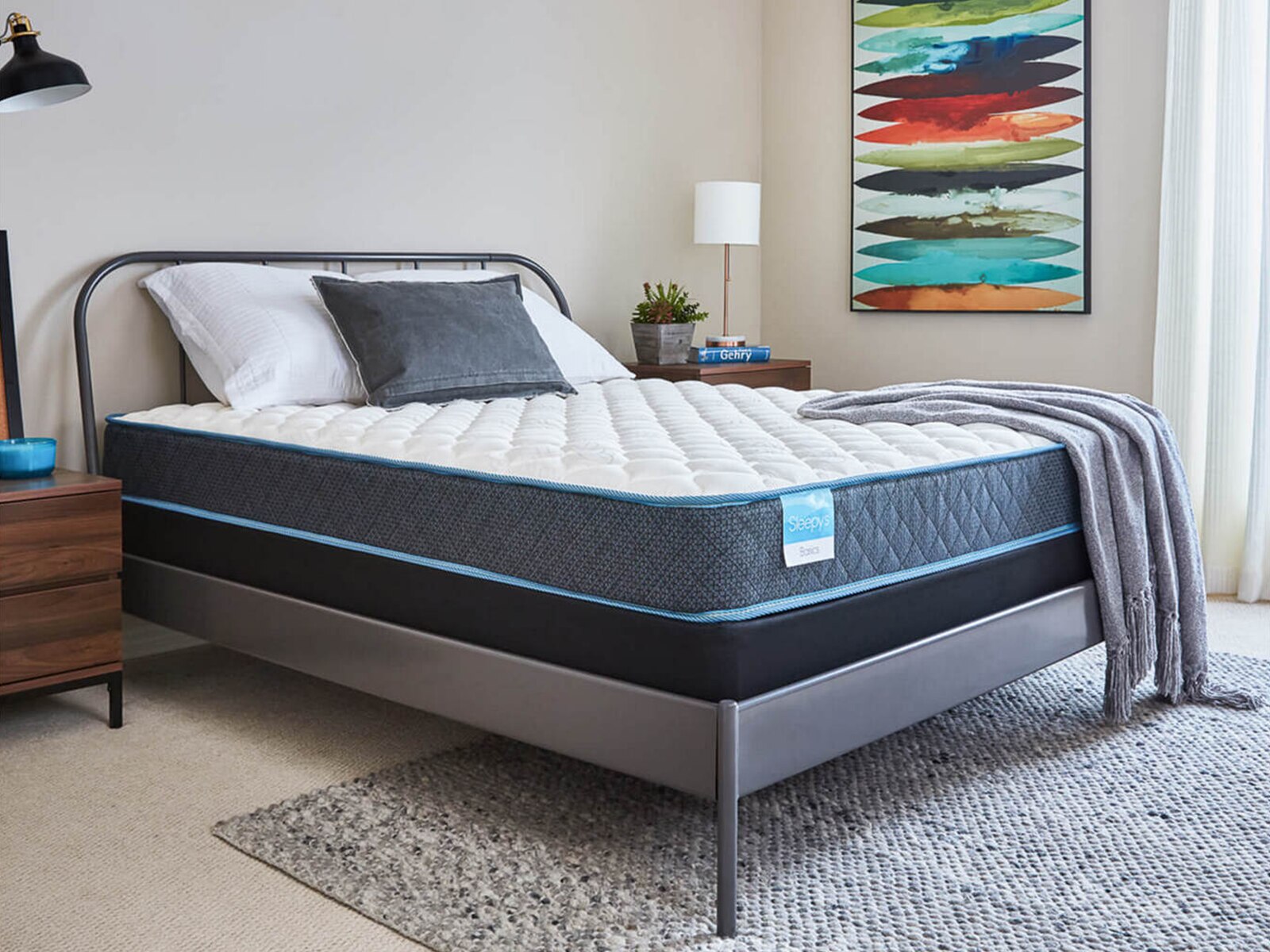
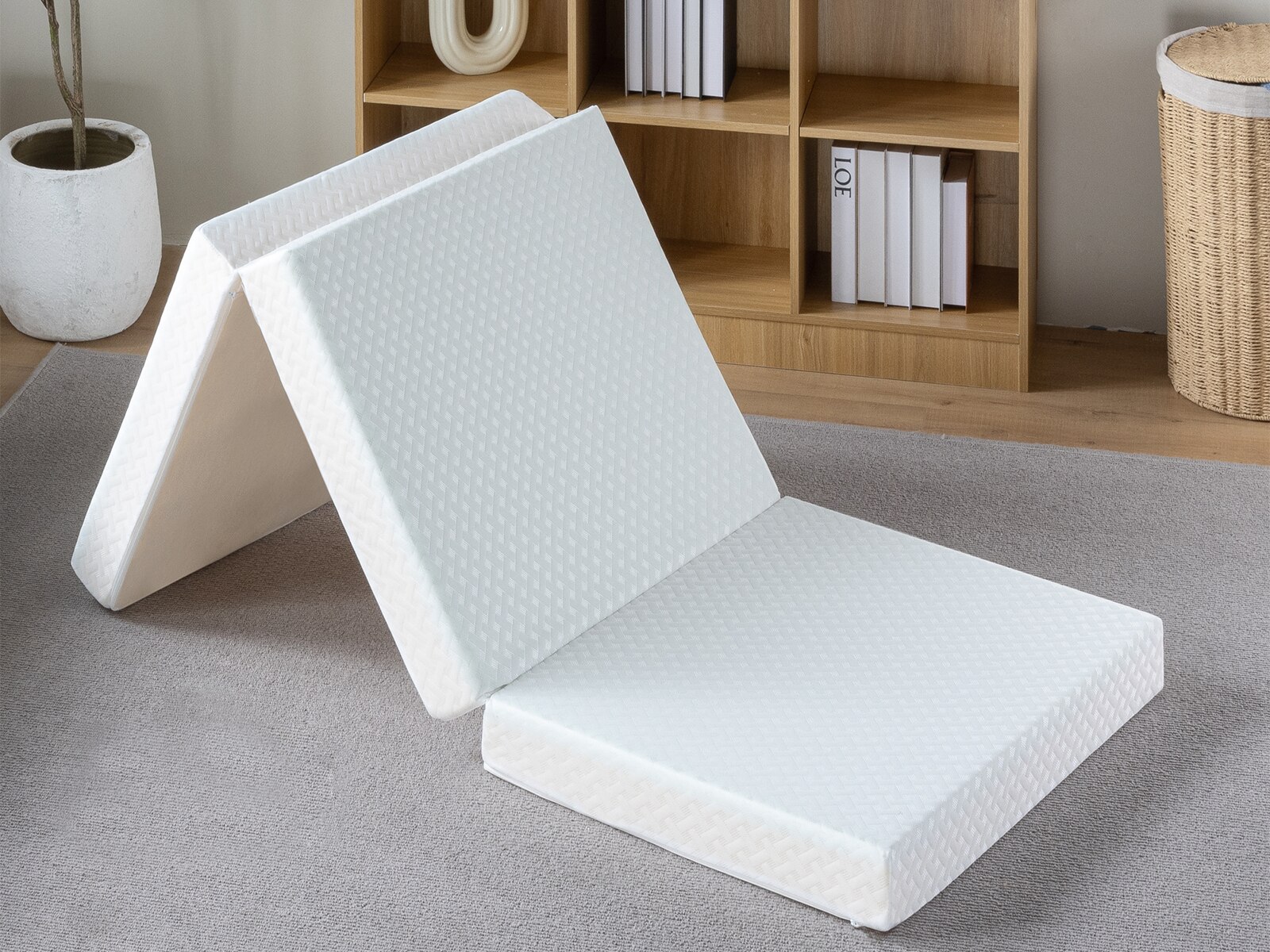
Easy storage guest mattresses give overnight visitors a dedicated place to sleep without keeping a permanent bed in the room. Common designs include folding mattresses, roll-up sleep mats and mattresses paired with folding rollaway frames. The right format depends on how much space a mattress needs when open, where it will go between visits and how often guests stay. A tri-fold mattress typically has three connected sections that fold into a compact stack, making it practical for a closet floor or a storage area with enough height and depth. A roll-up design forms a cylinder that may fit inside a carrying bag, although its packed size varies with the material and thickness. A rollaway bed combines a compatible mattress with a folding frame, helping keep the sleep surface off the floor; the folded frame still needs enough clearance to move through doorways and into storage. Wall beds offer another way to make a room serve two purposes, but they are furniture systems rather than portable guest mattresses and require a mattress that meets the bed manufacturer’s specifications. These differences matter in everyday spaces. In a home office, a folding mattress can leave room for a desk and chair after visitors head home. In an apartment, a lightweight roll-up mattress may be easier to carry from a closet to an open living area. For grandparents hosting adult children or friends staying after a celebration, a mattress with a stable feel and a manageable setup can make the visit more comfortable. Portability is especially useful when the sleeping area changes from one visit to the next. Carry handles, a fitted storage bag and a shape that one person can reasonably manage may matter as much as compact dimensions. A mattress should be easy to put away without requiring an awkward lift, a tight bend or pressure that could damage its construction.
Comfort depends on more than whether a guest mattress folds or rolls. Its materials, thickness and support structure all influence how it feels beneath the shoulders, hips and back. Memory foam contours in response to body weight, while other cushioning foams may have a more responsive feel that makes changing positions easier. For visitors who enjoy conforming cushioning,
Memory Foam Guest Mattresses offer a category worth considering alongside the space needed for storage. Some designs combine a softer comfort layer with a firmer support layer, while others use a single type of foam throughout. Foam density and firmness describe different characteristics, so a denser material is not automatically firmer. Thickness also needs context: a thicker mattress usually takes up more room when packed away, but thickness alone does not determine comfort or durability. An adult who sleeps on their side may appreciate cushioning around the hips and shoulders, while someone who changes positions frequently may prefer a surface that does not feel deeply cradling. Intended use matters, too. A compact sleep mat for a brief overnight visit may feel different from a guest mattress intended for repeated stays. For folding designs, the feel of the joints between sections can also be worth considering, particularly for sleepers who move around. Mattress width and length should suit the person using it, not just the space left on the floor. A twin size can work for one sleeper, while a Twin XL provides additional length compared with a standard twin. Two adults generally need a wider surface, with enough surrounding room to get in and out comfortably. Standard bedding sizes are not universal across portable designs, so the listed dimensions are more useful than the size name alone. For a mattress used on a frame, its dimensions, thickness and flexibility must also match the frame’s requirements.
Storage fit is easiest to judge from the mattress’s folded or rolled measurements rather than its open dimensions. A closet shelf may have enough width but too little depth, and an under-bed space may be lower than the packed mattress. Access matters just as much: a storage opening, narrow hallway or nearby furniture can make a bulky shape difficult to move even when the final space is large enough. Product weight deserves attention, particularly when the mattress will be carried upstairs or lifted onto a shelf. Folding and rolling should follow the manufacturer’s directions; a mattress that arrives compressed is not necessarily designed to be compressed again at home. Likewise, a conventional mattress should not be bent simply because a closet seems large enough to hold it folded. Thoughtful care helps preserve both cleanliness and comfort between visits. A removable cover can simplify cleanup, but washing instructions vary, and not every cover is machine washable. Spot cleaning may be required for the cover or foam core, with time for all materials to dry completely before storage. A compatible protector can help shield the sleep surface from everyday spills, while clean sheets provide a fresh layer for each guest. When floor placement is permitted, a clean, dry surface and the ventilation recommended by the manufacturer are important; a mattress should not remain against a damp surface or be packed away while moisture is trapped inside. Zippers, seams, hinges and carrying handles also deserve attention because frequent setup places stress on these areas. Handles should be used only as intended, and a storage bag should not be overloaded with extra bedding. For longer visits, a guest mattress that is straightforward to unfold, dress and put away makes the room easier to share. The most useful choice balances a comfortable sleeping surface with storage dimensions and care needs that fit naturally into the home.