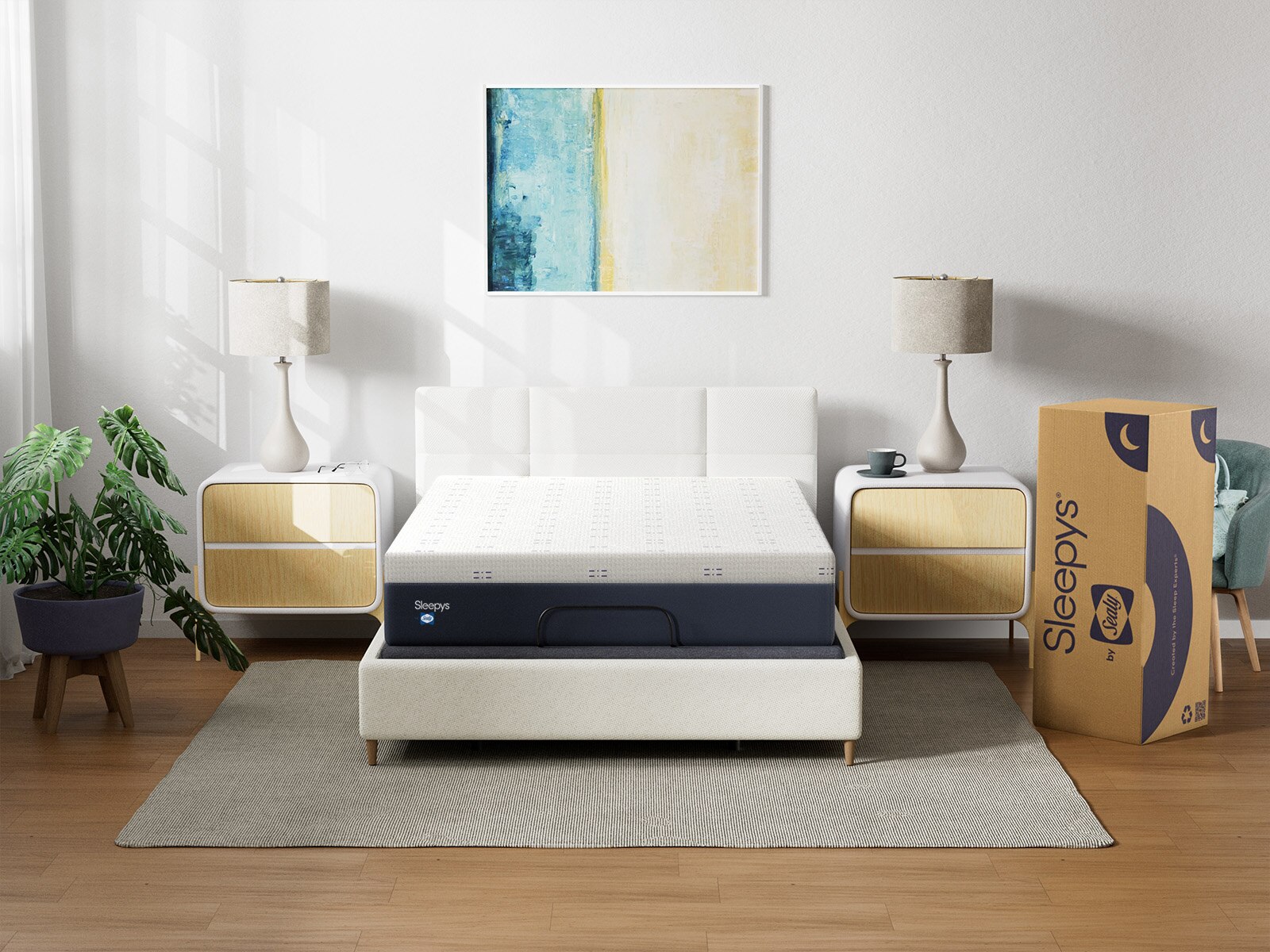
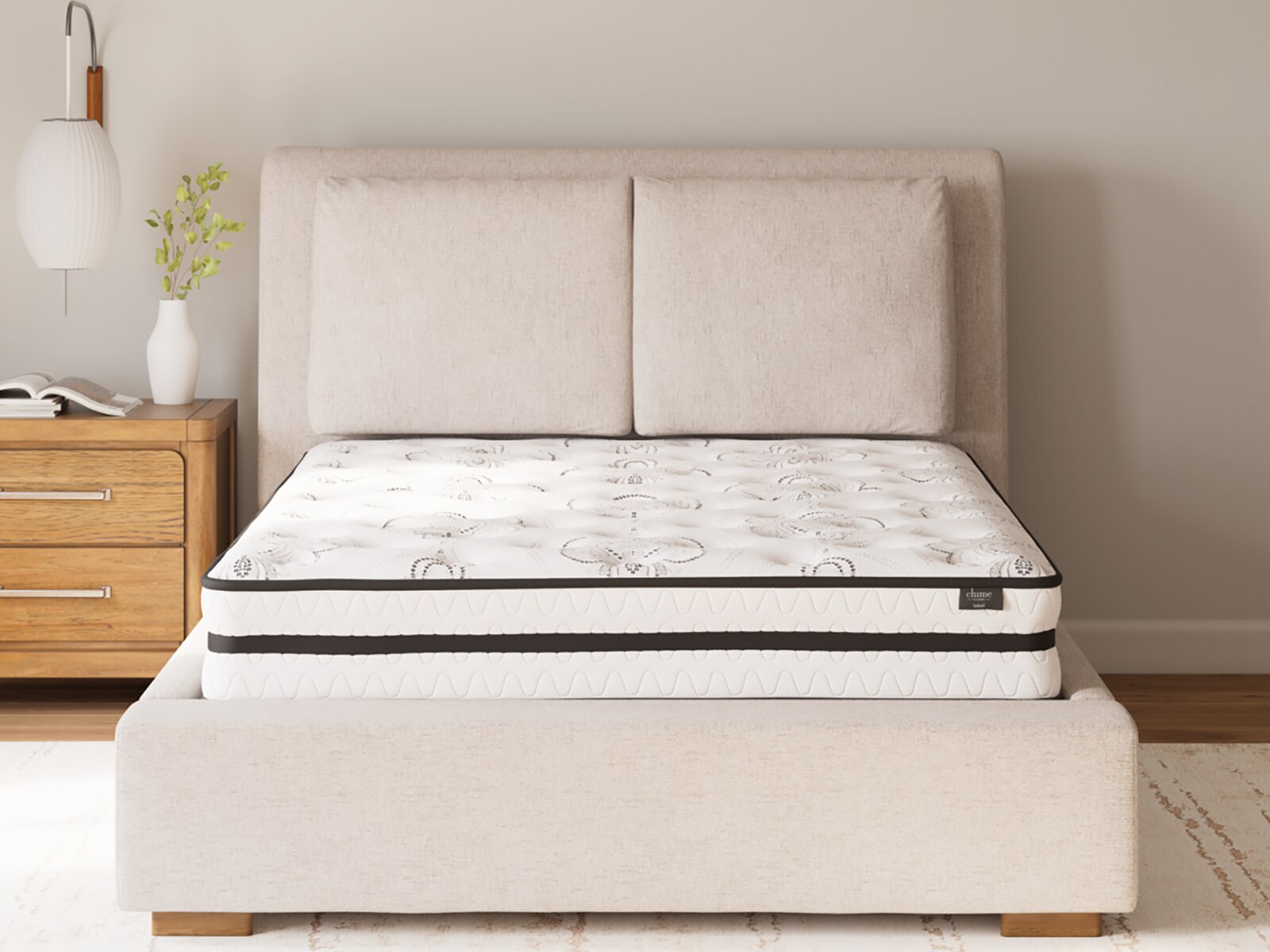
Plush guest bed mattresses bring a cushioned, welcoming feel to a room reserved for overnight visitors, with soft comfort layers supported by a stable mattress core. That balance matters more than softness alone: guests should be able to settle into the surface without feeling as though their hips sink much farther than the rest of their body. Plush describes the feel of a mattress, not a single construction, so memory foam, innerspring, hybrid and latex designs can all have a softer surface. Memory foam typically contours closely around the body, cushioning areas such as shoulders and hips, while latex tends to feel more buoyant and responsive. A hybrid combines foam or latex comfort layers with a coil support system, offering cushioning above a spring-based foundation. Traditional innerspring designs may have a more noticeable bounce, with padding and quilting helping determine the surface feel. Pillow tops and Euro tops add cushioning, but neither term alone tells the whole story about firmness or support. For side sleepers, a plush surface can give the shoulders and hips room to settle instead of pressing against a flatter, firmer surface. Back sleepers may appreciate gentle contouring with enough underlying support to keep the torso from dipping too deeply. Stomach sleepers and people who prefer sleeping on top of the mattress rather than in it may find a less enveloping feel more comfortable. Body size also affects the experience: the same mattress can feel relatively firm to a lighter visitor and noticeably softer to someone who applies more pressure to its layers. Because a guest room may welcome people with very different preferences, a plush mattress with a supportive core and responsive surface can be a practical middle ground. Firmness descriptions are not standardized across mattress designs, making the construction, depth of cushioning and intended sleep positions useful considerations alongside the plush label. A gently cushioned surface can feel inviting without requiring an exceptionally thick pillow top or a deep, slow-moving embrace.
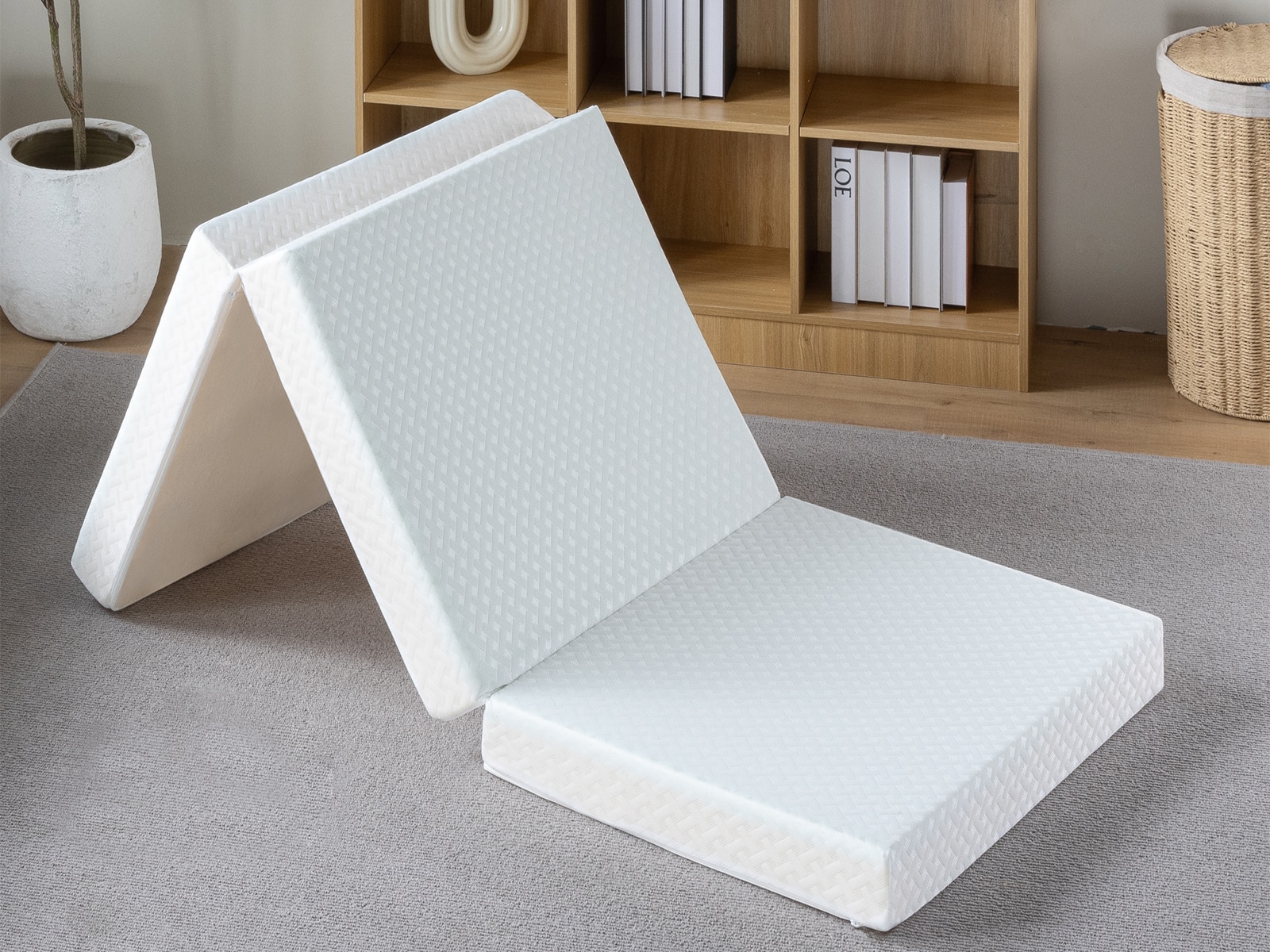
The best fit for a guest room includes both the people sleeping there and the space around the bed. A twin mattress can work well for one visitor in a compact room, while a Twin XL adds length for a taller sleeper without increasing the bed’s width. A full provides more room for one person to stretch out, though two adults may find it a close fit. A queen gives couples more space to change positions and often suits a dedicated guest bedroom; a king requires a larger footprint and enough clearance for everyday movement. Room dimensions matter beyond whether the bed frame fits between the walls. A visitor needs somewhere to open a suitcase, reach a bedside lamp and walk to the door without squeezing past furniture. Mattress height also changes how the bed functions. A thick plush mattress on a tall foundation can create a higher sleeping surface than expected, while a low platform paired with a thinner mattress may feel quite different when sitting down or standing up. The combined height of the frame, foundation and mattress is more useful than mattress thickness alone. Support requirements deserve equal attention, including whether the mattress needs a foundation, a platform with closely spaced slats or another compatible base. For visitors sharing a bed, motion isolation can help limit how much movement travels across the surface when one person turns over. Support around the perimeter may make the usable sleeping area feel more consistent and provide a steadier place to sit while putting on shoes. Multipurpose spaces have another set of needs. For rooms furnished with a compatible futon frame,
Plush Futon Mattresses provide a related option for overnight comfort. Fit and flexibility are especially important in that setting, since a mattress used on a folding frame must be designed for that movement rather than simply match the frame’s sleeping dimensions.
Comfort also depends on how the mattress holds up between visits and how easily the bed can be refreshed. Occasional use does not eliminate the need for sound construction: comfort layers should recover after pressure is removed, and the support system should remain stable through repeated stays. Foam density, coil construction and reinforced edges can offer useful clues about a mattress’s build, although no single feature establishes its overall durability. A thicker mattress is not automatically more supportive, just as a softer surface is not automatically less durable. Protective bedding helps preserve the sleep surface without changing the room’s welcoming feel. A properly fitted mattress protector can help shield against spills, while sheets with the correct pocket depth stay more secure over a plush top. An overly tight sheet or protector can compress the cushioning and make the surface feel firmer than intended. Pillows matter, too, because a guest’s shoulders may settle farther into a plush mattress than into a firm one, changing the amount of loft that feels comfortable beneath the head. Keeping pillows with different lofts nearby gives visitors a simple way to adjust their setup without changing the mattress. Routine care should follow the mattress’s own instructions, especially for spot cleaning, drying and rotation. Many layered mattresses are designed for sleeping on one side and should not be flipped unless their construction specifically allows it. A clean, dry surface and a properly supported base help keep the bed ready for its next visitor. Removable bedding that is straightforward to wash is particularly useful when relatives stay for several nights or friends visit in quick succession. For a guest who reads in bed, moves frequently during sleep or prefers to stretch out near the edge, the details beneath the plush surface can make a noticeable difference. A well-matched guest mattress combines that inviting first impression with dependable support, practical room fit and manageable care, creating a comfortable place to settle in whether the visit lasts one night or several.