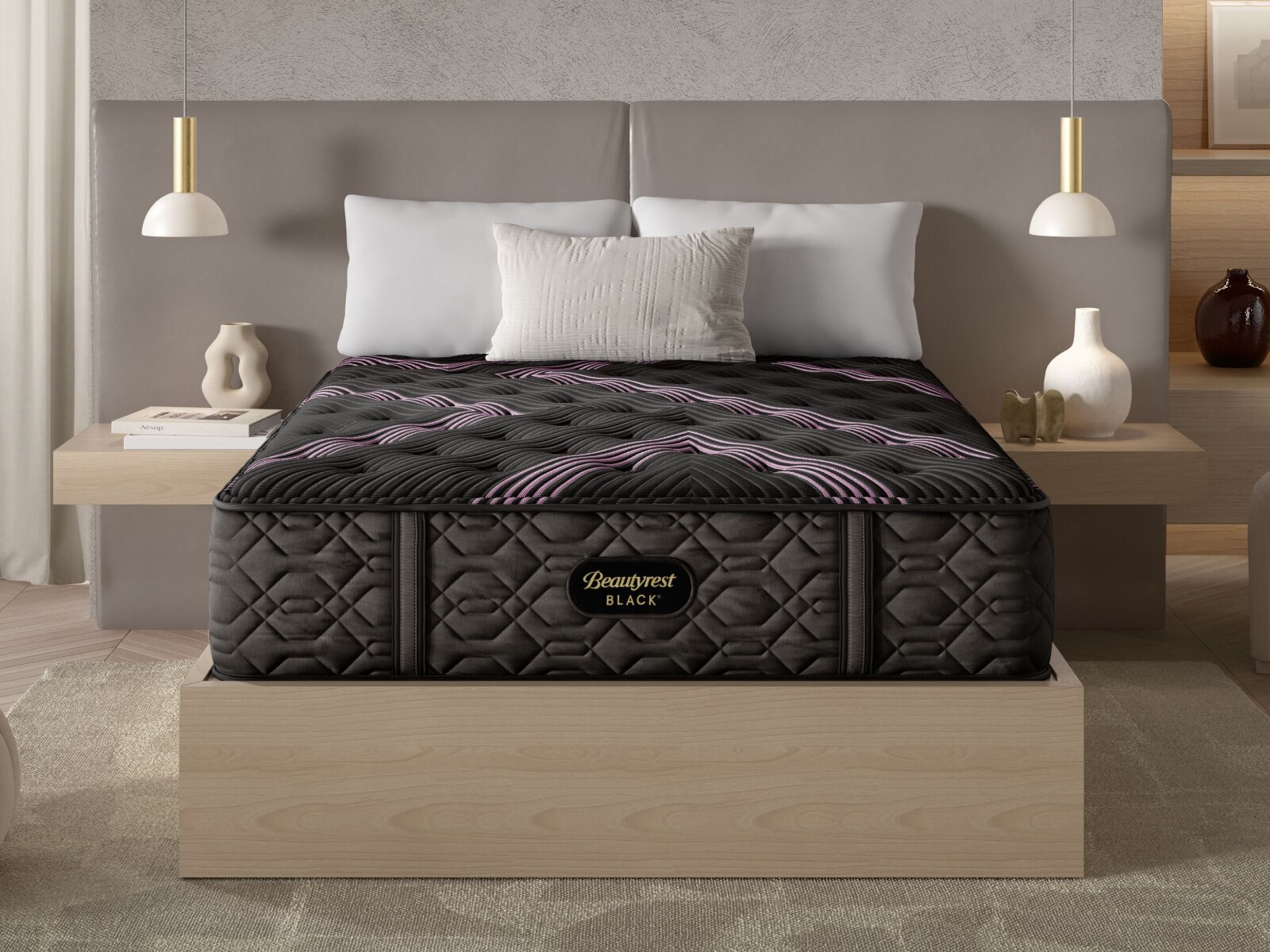
Firm mattresses with a foam divider combine a firmer sleep surface with a foam component that separates sections of the mattress. The divider’s role depends on the construction, so its presence alone does not mean a mattress offers different firmness levels for each sleeper. In a design with separate left and right comfort cores, a foam divider may help keep those sections distinct beneath a shared cover. This arrangement can be useful for couples who want to share one bed but have different comfort preferences, provided the mattress actually supports independent firmness choices. One partner might prefer a dense, steady feel beneath the hips, while the other needs more cushioning around the shoulders. A dual-firmness design can accommodate those preferences without requiring both people to settle on the same surface feel. That is different from a flippable mattress, which changes firmness when the entire mattress is turned over rather than offering separate comfort levels across its width. It is also different from a foam bridge placed between two separate mattresses to fill a center gap. These distinctions matter in everyday use, especially for couples who tend to stretch across the middle of the bed rather than stay on separate sides. The cover, comfort layers and placement of the divider all influence how noticeable the center transition feels. A continuous upper layer may help create a more consistent surface, while other constructions may make the separation easier to feel. Motion transfer is another consideration, but a divider alone does not establish how well a mattress absorbs a partner’s movements. The foam layers, support core and connections between the two sides all contribute. For someone whose partner turns over frequently or gets out of bed earlier, the overall construction matters more than any single component. Firmness, center comfort and movement absorption work together to shape how comfortably two people can share the same sleeping space.
The feel of a firm mattress comes from the relationship between its cushioning layers and the structure underneath them. Firmness describes how resistant the surface feels when weight is applied; support describes how the mattress holds the body. A firmer surface is not automatically more supportive for every sleeper, and a mattress can feel firm while still providing some contouring. Memory foam typically responds gradually to pressure and follows the curves of the body, while other polyurethane foams may have a quicker response and a less enveloping feel. Latex often feels more buoyant, although the finished feel depends on its formulation, thickness and placement. A foam support core provides a different foundation from a hybrid construction that combines cushioning with coils. Individually wrapped coils can respond to pressure in localized areas, while the layers above them influence how much of that movement reaches the surface. For shoppers comparing foam constructions,
Firm Gel Foam Mattresses offer another related category to explore; gel content alone does not determine firmness, support or durability. Sleep position and body build remain important considerations across these materials. Back sleepers often look for a surface that supports the pelvis without leaving the lower back feeling unsupported. Stomach sleepers may prefer enough resistance beneath the midsection to limit excessive sinking. Side sleepers generally need sufficient cushioning at the shoulders and hips, even when they enjoy an overall firm feel. The same mattress may feel more yielding to a heavier sleeper and substantially firmer to someone with a lighter build. For a couple, those differences can explain why an identical surface feels comfortable to one person but too rigid to the other. A few quiet minutes lying in a usual sleep position can reveal more than pressing a hand into the top. Notice whether the shoulders can settle, whether turning feels natural and whether the center remains comfortable when moving between sides.
Fit and construction details become especially important when a mattress contains separate internal sections. The overall dimensions need to suit both the room and the people sleeping in it, with enough space for each person to change position comfortably. A queen may suit some couples, while a king provides more width for sleepers who prefer greater separation. The dimensions and proportions of a California King differ from a standard king, so the frame, foundation and bedding need to match the exact size. A divided interior does not necessarily make a mattress compatible with independently moving adjustable bases; that requires a design specifically intended for that use. The manufacturer’s foundation requirements also matter because inadequate support beneath the mattress can affect its feel and performance. Slat spacing, center supports and weight limits deserve attention alongside the mattress itself. For daily care, a well-fitting protector can help shield the surface from spills and everyday moisture without bunching over the center section. Sheets should accommodate the full mattress depth, including any integrated cushioning, so tight corners do not pull or distort the cover. Cleaning methods vary by material, and a zippered cover should not be assumed to be removable or washable unless the care instructions expressly allow it. Internal foam sections and dividers should remain in their intended positions rather than being trimmed, rearranged or supplemented with improvised inserts. Rotation and flipping are separate practices: some mattresses can be rotated head to foot, but only constructions designed for use on both faces should be flipped. Over time, durability depends on foam quality, layer thickness, support beneath the bed and patterns of use, not simply on how firm the mattress feels at first. A mattress used every night by two adults experiences different demands from one in an occasional guest room. Consistent care and a suitable foundation help preserve its intended performance. For a primary bedroom, the most useful combination is a comfortable firmness, a center transition that suits shared sleeping habits and construction that accommodates both sleepers without unnecessary compromise.