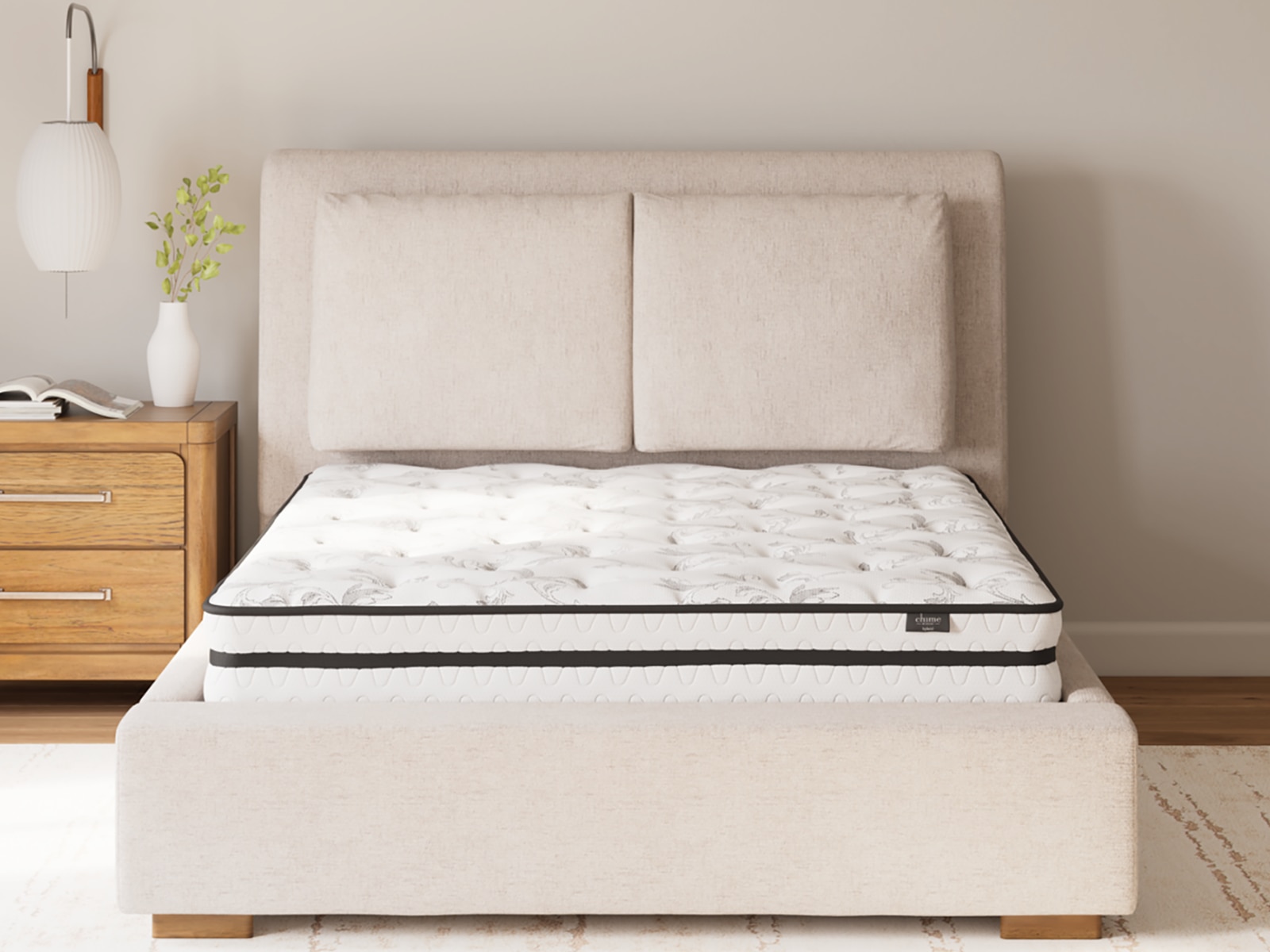
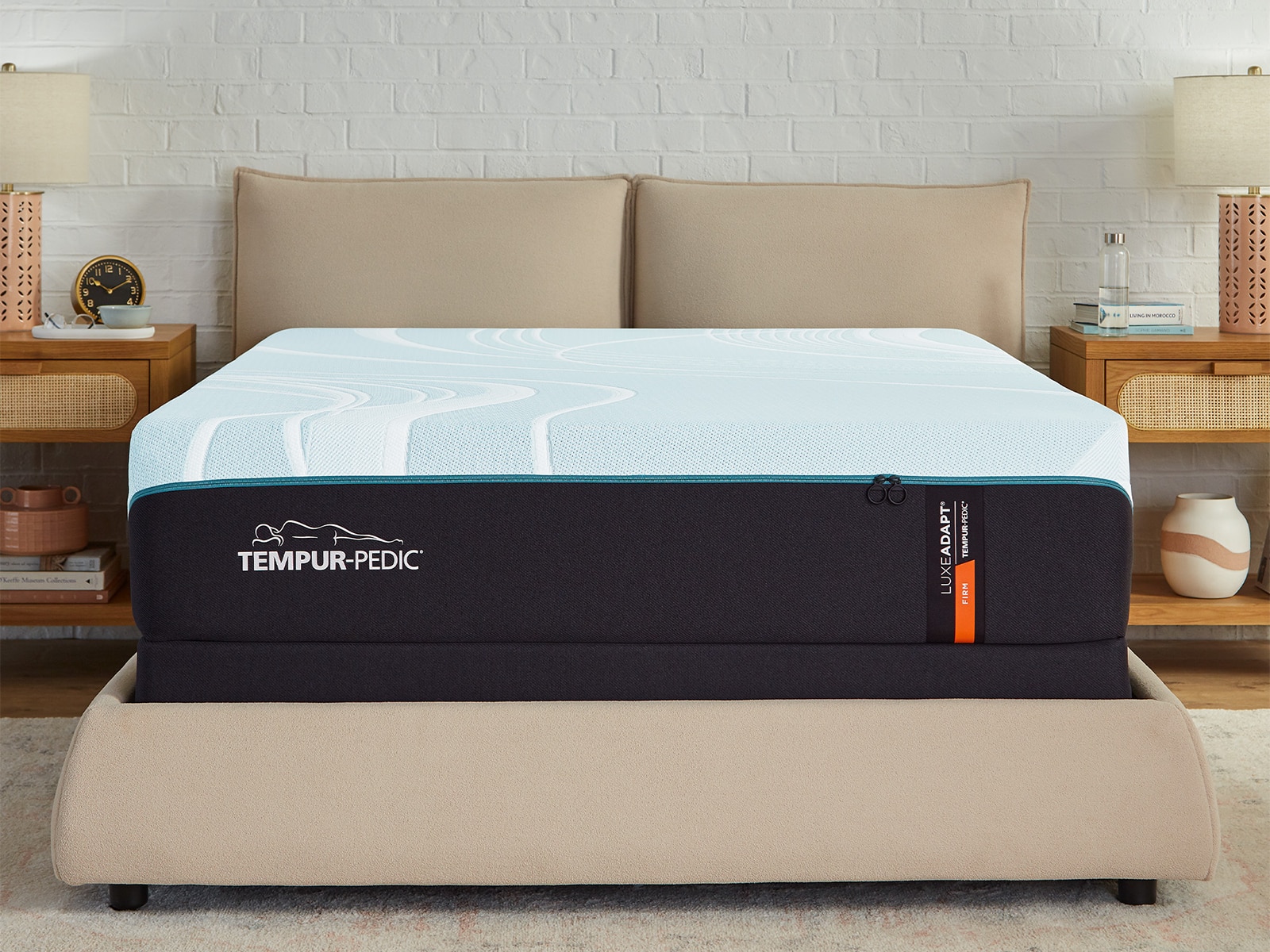
Mattresses with firm support offer a stable, less deeply cushioned feel for sleepers who prefer to rest more on top of the bed than sink into it. A well-matched firm mattress can help keep the body comfortably aligned while allowing enough cushioning for the shoulders, hips and other pressure points. Firmness and support describe different qualities: firmness is how soft or hard the surface feels, while support is how the mattress holds the body under its weight. A firm surface still needs an effective support core, and supportive construction can appear beneath a range of comfort layers. The right combination depends on sleeping position, body size and personal preference rather than a firmness label alone. Back sleepers may appreciate a steady surface that supports the pelvis without leaving the lower back feeling unsupported. Stomach sleepers often prefer less give beneath the midsection, since pronounced sinking there can pull the body out of a comfortable resting position. Side sleepers who enjoy a firmer feel may still need enough contouring at the shoulder and hip to avoid concentrated pressure. Body weight also changes the experience: the same mattress may feel quite firm to a lighter person and more yielding to someone who places greater weight on the surface. For a sleeper who changes positions throughout the night, a responsive firm mattress can make rolling from back to side feel easier than a surface with a deep cradle. Someone who likes to stretch out flat may favor a broad, even feel, while another person may want a firm base with a gentler layer directly beneath the body. These differences make comfort more useful than the assumption that the hardest mattress provides the strongest support. Firm mattresses are not a guaranteed remedy for back discomfort, and a surface that creates soreness or pressure is not a better fit simply because it feels substantial. The goal is a balanced resting position that feels comfortable without requiring the sleeper to brace, shift repeatedly or stack pillows to compensate for the mattress.
Construction shapes how that balance feels from the first moment of lying down through a full night of rest. Innerspring mattresses use a coil system for support and often have a buoyant feel, with cushioning above the springs influencing how closely the surface conforms. Hybrid mattresses combine a coil support system with foam or other comfort materials, bringing together responsiveness and varying degrees of contouring. For sleepers drawn to this combination,
Firm Hybrid Mattresses offer a way to explore firm comfort with a spring-based foundation. All-foam mattresses use layered foams to create their support and surface feel, and some provide a firm, close-conforming experience without the bounce of springs. Memory foam generally responds to pressure with a more gradual contour, while latex often has a springier response that makes position changes feel more immediate. Neither material guarantees a particular firmness; the complete construction matters. Comfort-layer thickness, foam characteristics and the design of the support core all influence the finished feel. Zoned construction may provide different levels of resistance beneath different areas of the body, though its usefulness depends on how those zones line up with the sleeper. Reinforced edges can make the perimeter feel steadier when someone sits to put on socks or sleeps near the side, but edge performance varies by design. Couples may also notice differences in motion transfer. Individually wrapped coils and certain foam layers can help limit how much movement travels across the bed, although no construction eliminates every disturbance. A firm surface does not automatically mean strong motion isolation, just as a high coil count does not establish overall quality by itself. Durable support comes from materials working together, including the comfort layers that absorb repeated use and the core beneath them. Clear construction details are more informative than an extra-firm label alone, especially for sleepers who want substantial support without a rigid, unyielding surface.
Fit extends beyond the feel of the mattress to the space around it and the foundation underneath it. A queen can suit many shared bedrooms, while a king provides more room for two people to spread out without crowding each other. A twin or Twin XL may suit a smaller room or an individual sleeper, and a California King offers additional length compared with a standard king. Room dimensions, sleeper height and space to move around the bed all matter alongside mattress size. Mattress height also affects daily use: a thick mattress on a tall foundation can make getting into bed awkward, while a low setup may make standing up less comfortable. For someone who sits at the edge before getting up, the combination of a manageable bed height and dependable perimeter support can be especially useful. The base must be compatible with the mattress, whether that means a platform, an approved foundation or an adjustable base. Slat spacing, center support and weight limits should follow the manufacturer's requirements; an unsuitable base can undermine an otherwise supportive sleep surface. Adjustable-base compatibility should be confirmed rather than assumed, particularly when comparing different spring constructions. Everyday care helps preserve comfort and keeps the sleep surface ready for regular use. A properly fitted mattress protector helps guard against spills and everyday moisture, while sheets with suitable pocket depth stay in place without pulling tightly across the corners. Rotation may help distribute wear when the manufacturer recommends it, but a one-sided mattress should not be flipped unless it is specifically designed for that use. Cleaning methods should also follow the care instructions, avoiding excess moisture that can be difficult to remove from interior layers. Over time, a lasting body impression, noticeable sagging or a change in comfort can signal that the mattress deserves closer attention. No fixed lifespan applies equally to every mattress because materials, use, sleeper weight and foundation quality all play a role. A firm mattress that fits the sleeper, rests on appropriate support and receives consistent care can provide a dependable place to settle in night after night.