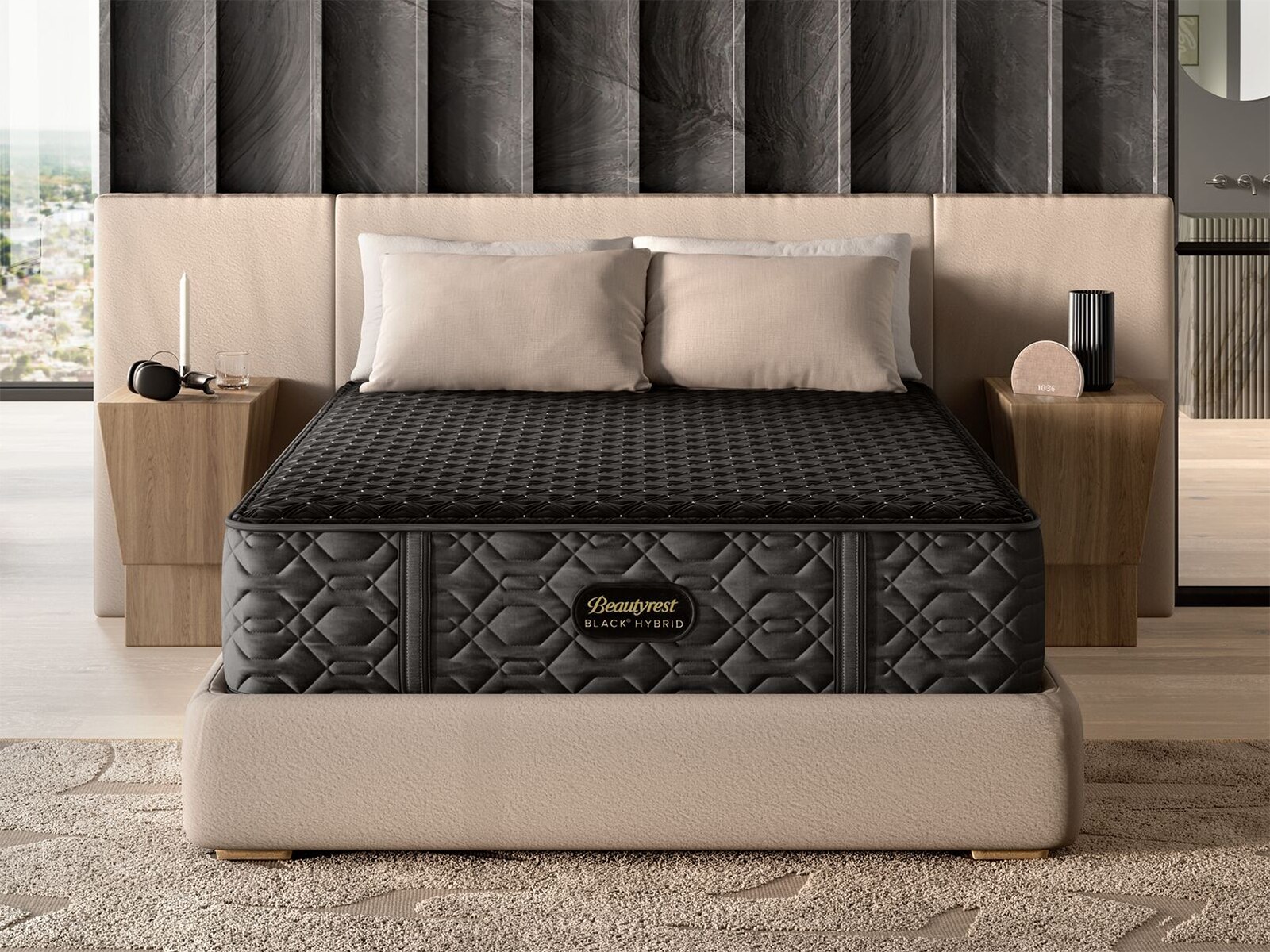
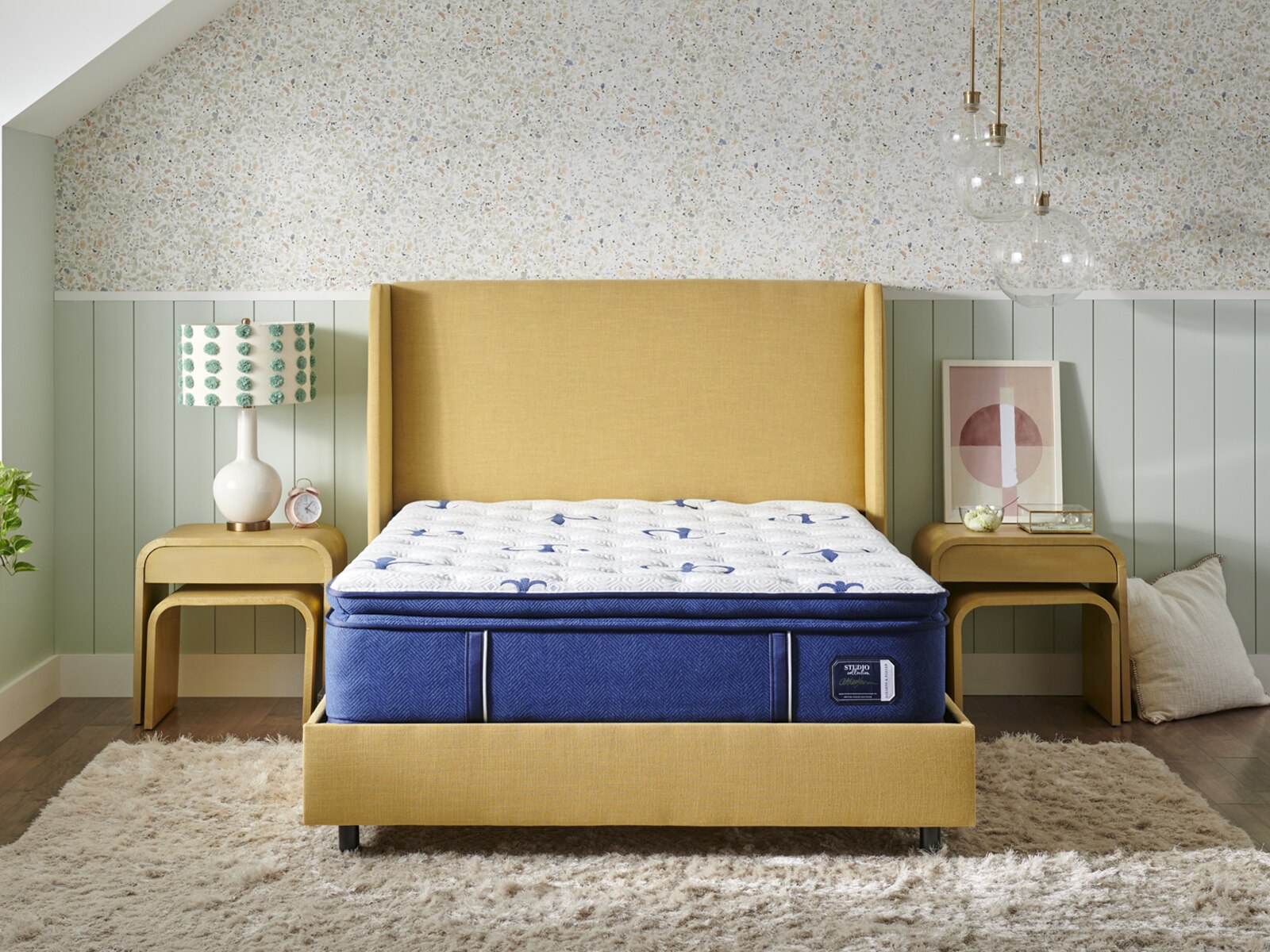
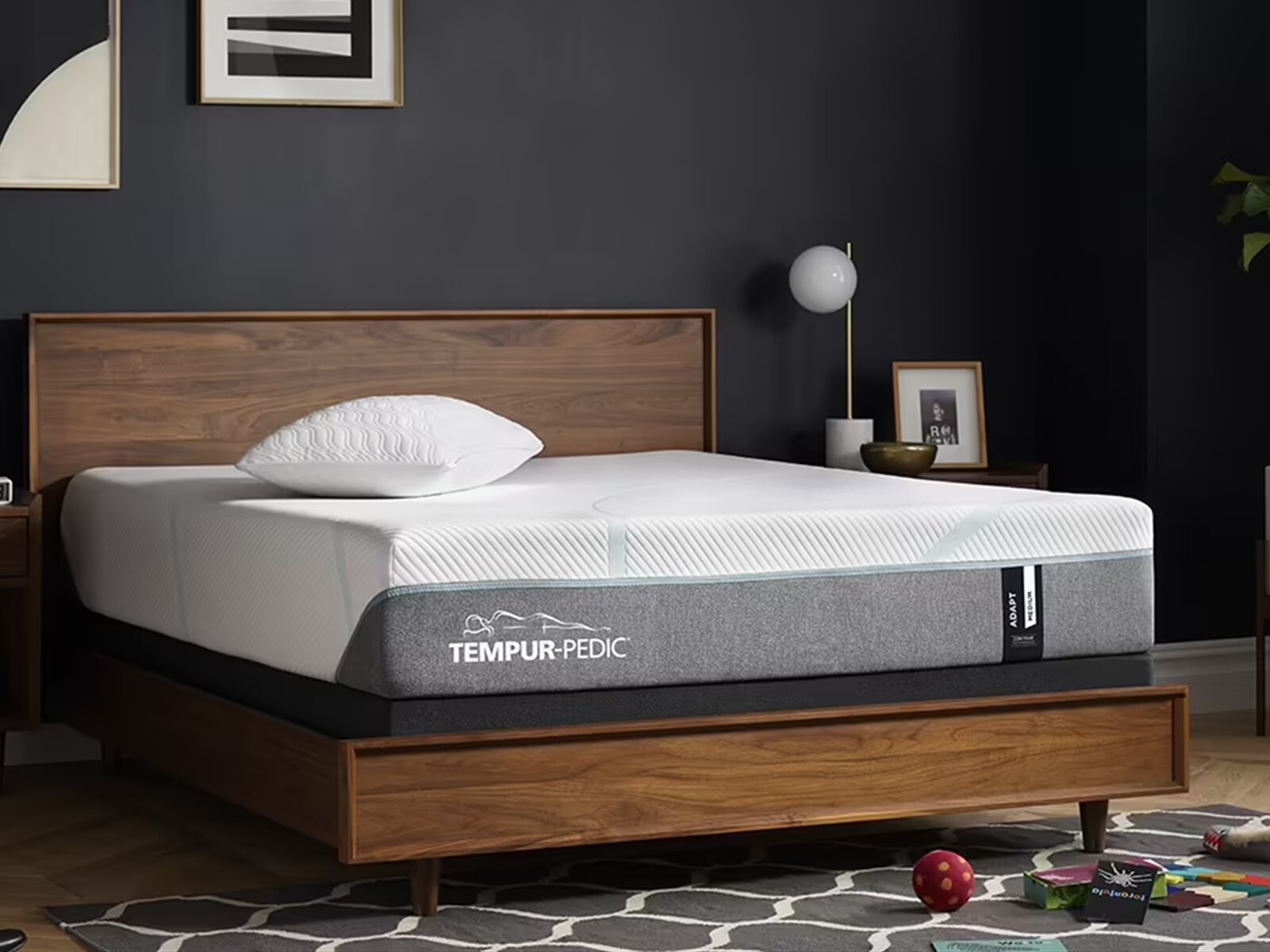
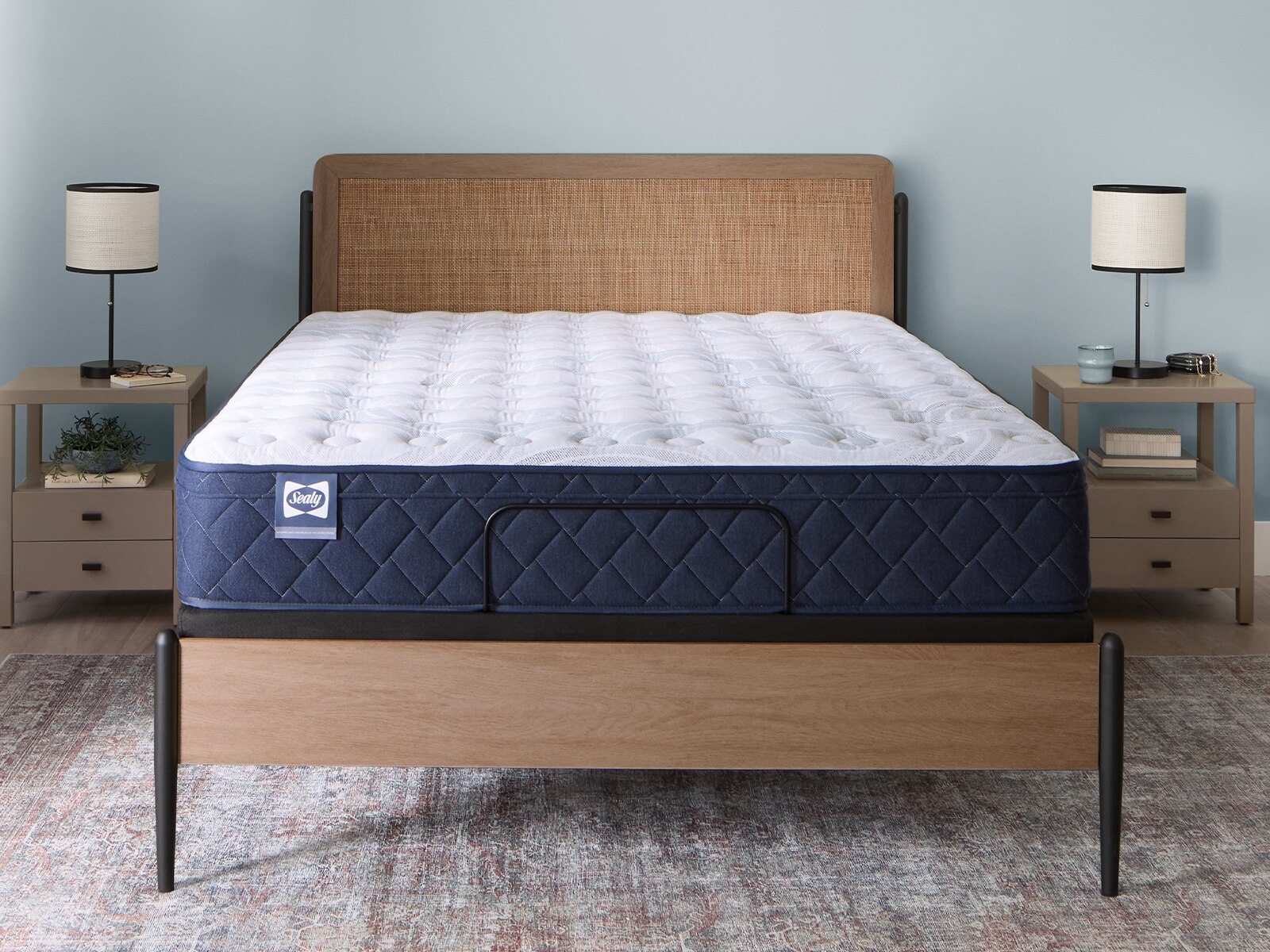
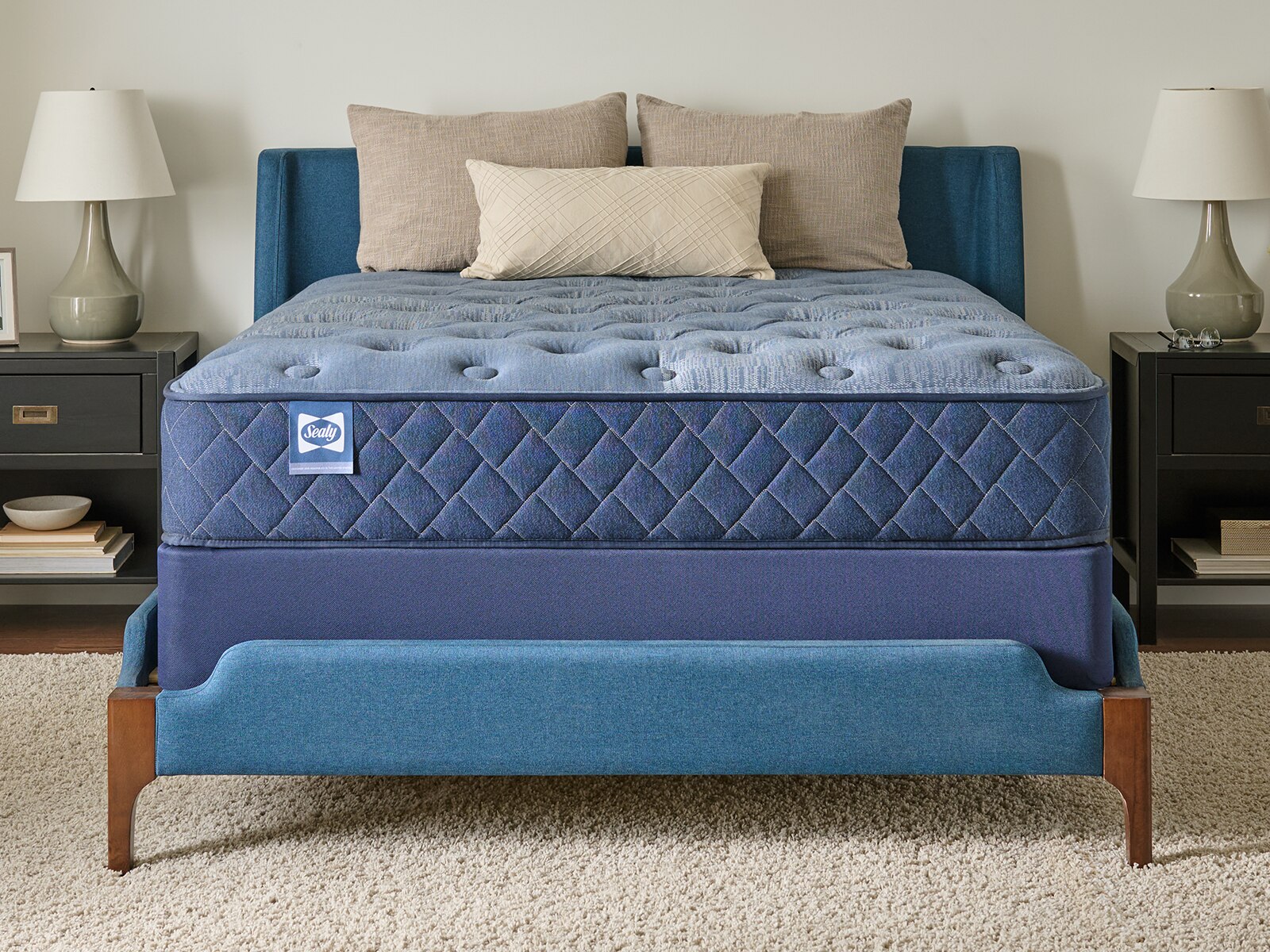
Flexible support point mattresses are designed to respond to pressure in different areas of the sleep surface, allowing cushioning where the body presses down while maintaining support beneath it. The goal is a balanced feel: shoulders and hips have room to settle without the rest of the body feeling unsupported. Rather than describing one universal material or firmness level, flexible support points refer to how a mattress adapts to the sleeper. That responsiveness can come from individually wrapped coils, contouring foam, resilient latex or other flexible cushioning structures, depending on the construction. Individually wrapped coils can compress separately, helping the surface respond beneath a shoulder or hip without pulling the entire mattress downward. Memory foam typically contours more gradually, creating a close, cradling sensation, while latex generally responds more quickly when pressure changes. Other flexible materials may bend or compress under greater pressure while retaining their shape beneath lighter areas. In a hybrid construction, cushioning layers work above a coil support system, combining surface contouring with a more buoyant foundation. Each approach can create a distinct experience, even when two mattresses have similar firmness descriptions. A deeply cushioning surface may feel like settling into the mattress, while a more responsive surface can make it easier to shift from one side to the other. Layer thickness, material density and the design of the support core all influence that difference. Some constructions also use zones with different levels of resistance, although zoning is not a feature of every mattress with adaptable support. The useful distinction is between softness at the surface and support underneath: a plush comfort layer can still sit above a substantial support system. For shoppers comparing flexible support point mattresses, the most meaningful details explain how those layers work together, where the mattress yields and how readily it returns to shape after movement. These details offer more context than a single descriptive label and help connect the construction to the way a mattress may feel through a full night of rest.
The right balance depends on sleeping position, body shape and the amount of cushioning that feels comfortable. A side sleeper with broad shoulders may appreciate enough surface flexibility for the shoulder to settle, with steady support through the waist. A back sleeper may prefer a gentler cradle around the hips that does not create a pronounced dip beneath the middle of the body. Stomach sleepers often need a more resistant surface to help keep the pelvis from sinking too far relative to the chest. These are starting points rather than fixed rules, because the same mattress can feel firmer to a lighter sleeper and softer to someone who places more pressure on its layers. For combination sleepers, responsiveness matters alongside pressure relief. Turning over should not require working against a deep impression, especially for someone who changes positions several times a night. On a shared mattress, flexible support can also influence how distinctly each person experiences the surface. Individually responding components and motion-absorbing foams may help limit movement traveling across the bed, though motion isolation varies by construction. Someone who sleeps beside a restless partner may value that quality more than a pronounced, springy feel. Edge support is another separate consideration, particularly for anyone who sleeps near the perimeter or sits on the side while getting dressed. A mattress can contour comfortably in the center yet feel quite different along its border. Size contributes to comfort as well: a queen or king offers different amounts of room for two sleepers, while mattress height affects the overall height of the bed when paired with a foundation or frame. Familiar pillows can make comparisons more useful, since head and neck positioning changes the way the rest of the body settles. Shoppers who want to compare another support-focused category can explore
Maximum Support Mattresses, keeping individual construction and firmness in mind. The best fit is a surface that feels comfortable in the positions actually used, not simply the one with the softest first impression.
Long-term comfort also depends on what supports the mattress and how it is cared for. A flexible sleep surface still needs a stable, compatible base; flexibility within the comfort layers does not automatically mean a mattress is suitable for an adjustable base. Compatibility should be confirmed in the mattress specifications, along with any requirements for slat spacing, center support or foundation type. An unsuitable base can change the feel of the mattress and may affect warranty coverage. For everyday use, a properly fitted protector helps keep spills, perspiration and everyday residue away from the cover without adding a thick layer that substantially changes the surface feel. Sheets should fit the mattress depth without pulling so tightly that they restrict its contouring. Care instructions vary by material, so a cover should only be removed or washed when the manufacturer specifically permits it. Spot cleaning generally calls for a light touch and thorough drying rather than soaking the cushioning underneath. Rotation may help distribute wear when recommended, but many layered mattresses are designed with one sleeping surface and should not be flipped. Durability comes from the complete construction, including the quality of the comfort materials, the support core and the suitability of the base, rather than from thickness alone. Over time, a change in comfort can have several causes, from a worn foundation to cushioning that no longer responds as it once did. Persistent unevenness or a noticeable loss of support deserves closer attention than the appearance of the cover alone. For a primary bedroom, the emphasis may be on a familiar feel that remains comfortable night after night; for a guest bedroom, a balanced combination of contouring and responsiveness may suit a wider range of preferences. In either setting, flexible support point mattresses are most useful when their ability to adapt is matched with the right firmness, adequate room to move and consistent underlying support. That combination creates a sleep surface that accommodates the body without making comfort feel complicated.