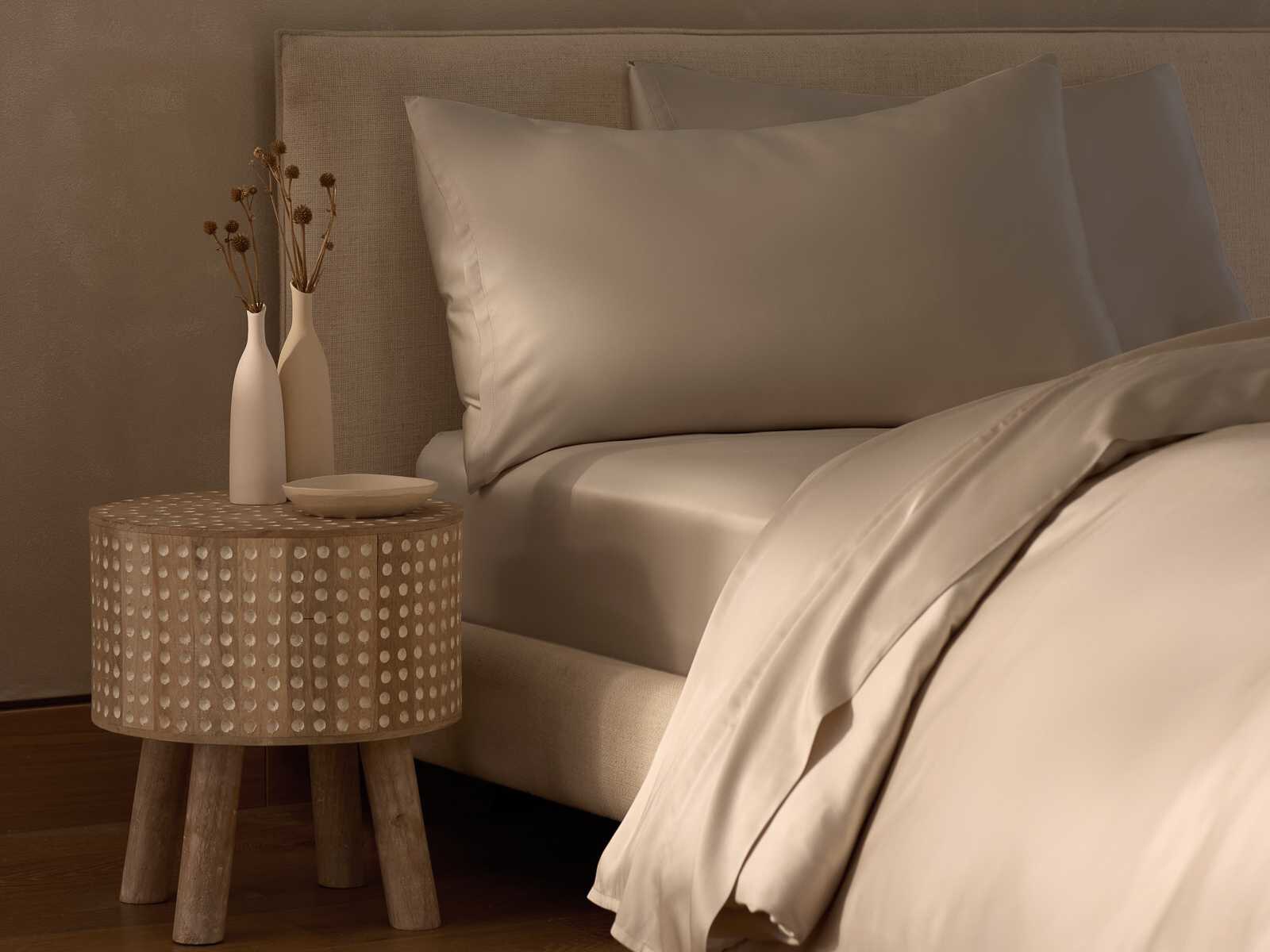
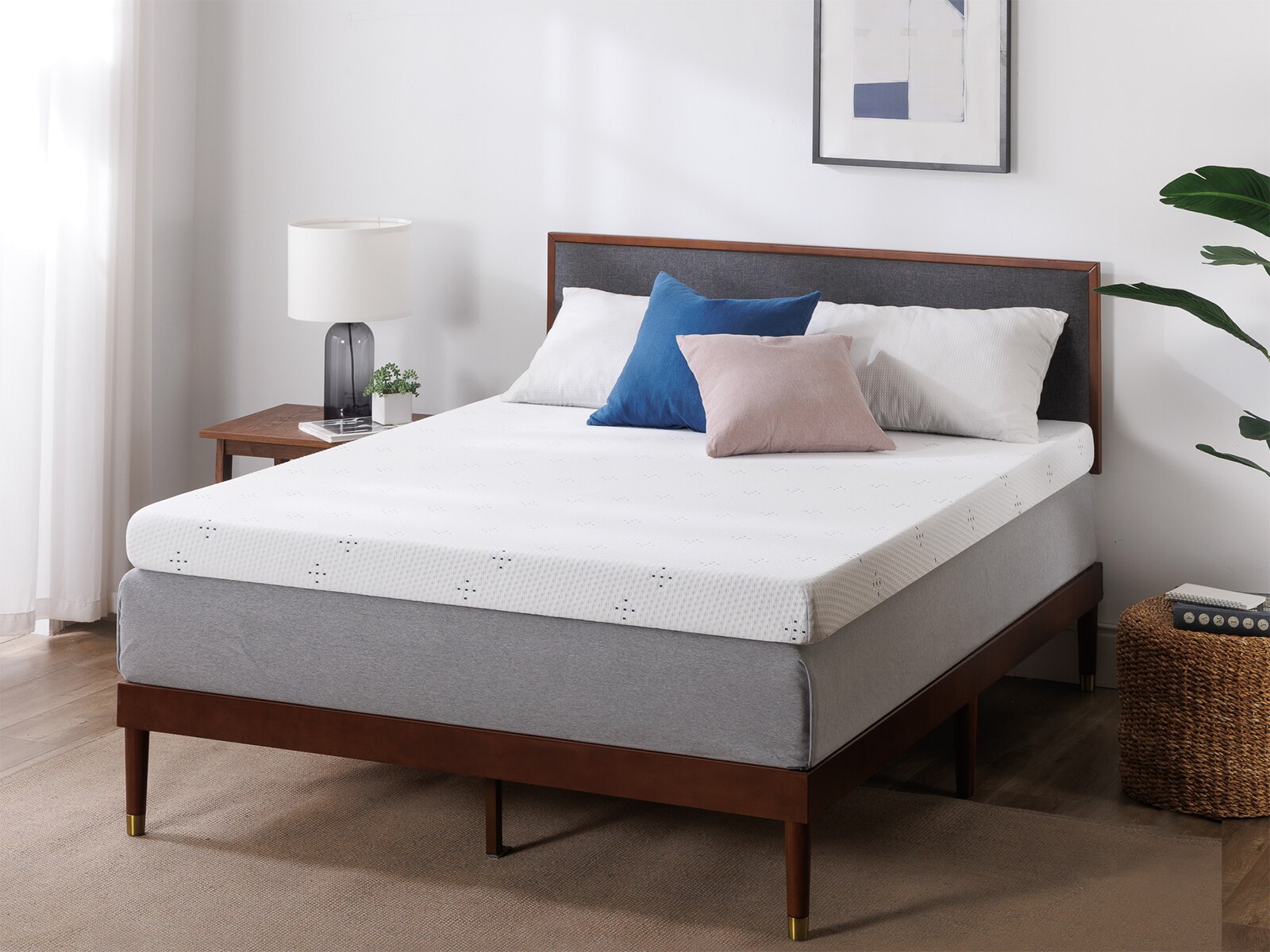
Full-size covers include duvet covers, mattress protectors, zippered mattress encasements and futon covers, each designed for a different part of the bed. A standard full mattress measures approximately 54 inches wide by 75 inches long, but that measurement does not determine the dimensions of every cover labeled full. A mattress protector needs to fit the mattress surface and depth, while a duvet cover needs to match the comforter or insert inside it. A futon cover must accommodate both the cushion’s thickness and its movement between sitting and sleeping positions. Understanding those differences makes it easier to find a cover that serves the intended purpose without bunching, slipping or leaving fabric stretched across the corners. For the top of the bed, a full-size duvet cover acts as a removable fabric shell around an insert, adding a decorative layer that can usually be washed separately from the filling. When pairing a cover with
Full Size Inserts, compare the actual length and width rather than relying on the size name alone. Full and full/queen labels can describe different dimensions, and a roomy cover may leave empty fabric along the edges of a smaller insert. Interior corner ties or loops help keep compatible inserts aligned, while button, zipper or envelope closures affect how easily the cover opens for laundry day. Cotton percale typically has a crisp, matte feel, while cotton sateen tends to feel smoother and show a subtle sheen. Linen brings a more textured surface and a relaxed appearance, and microfiber often has a soft, lightweight feel. Fabric weight, weave and finishing all influence the experience, so fiber content alone does not tell the whole story. Secure seams, neatly finished openings and firmly attached ties are useful construction details for covers that will be changed often. A well-matched cover and insert should lie evenly across the bed, with enough drape for the intended look and enough room to fluff the filling without forcing it into the corners.
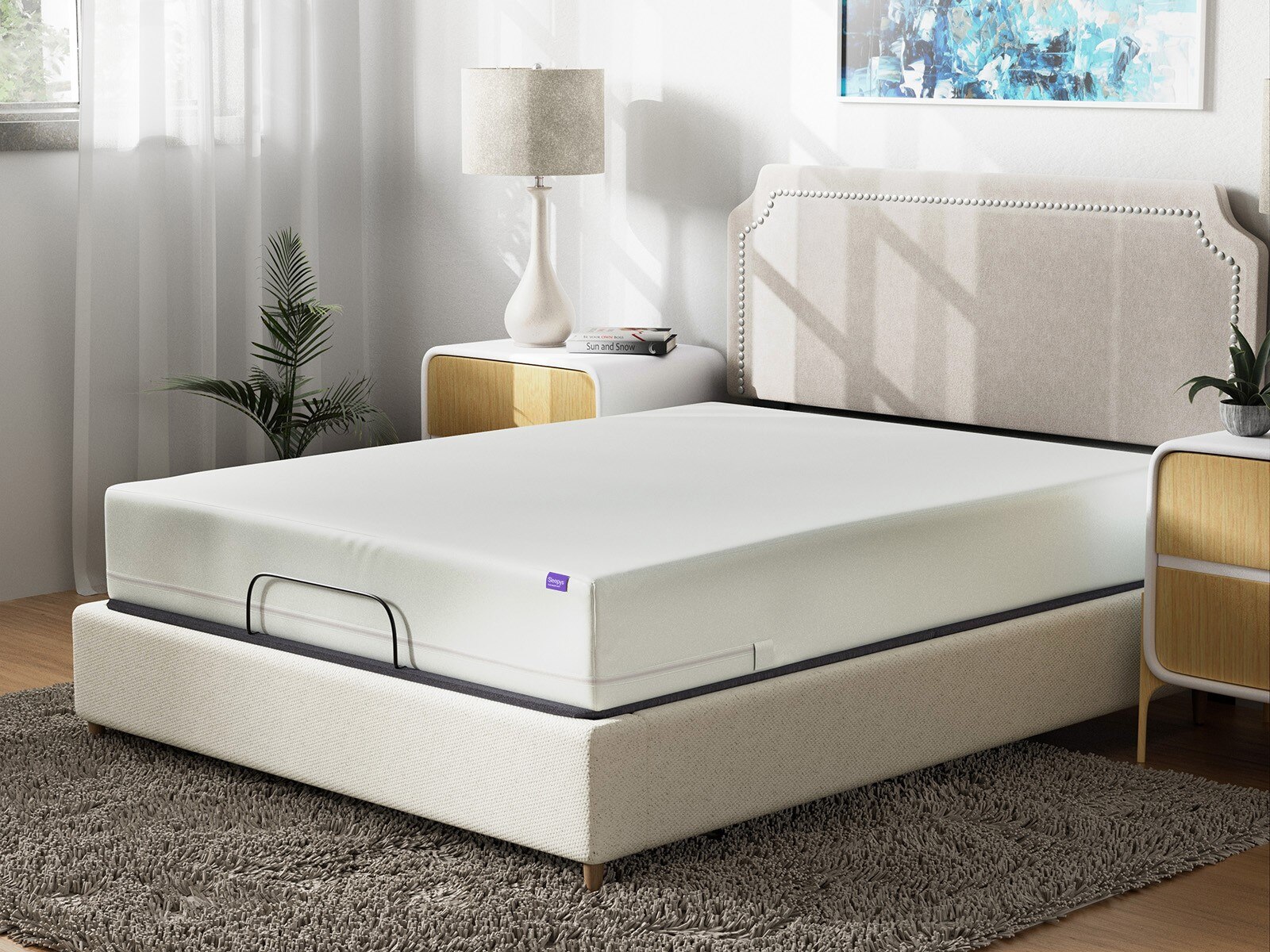
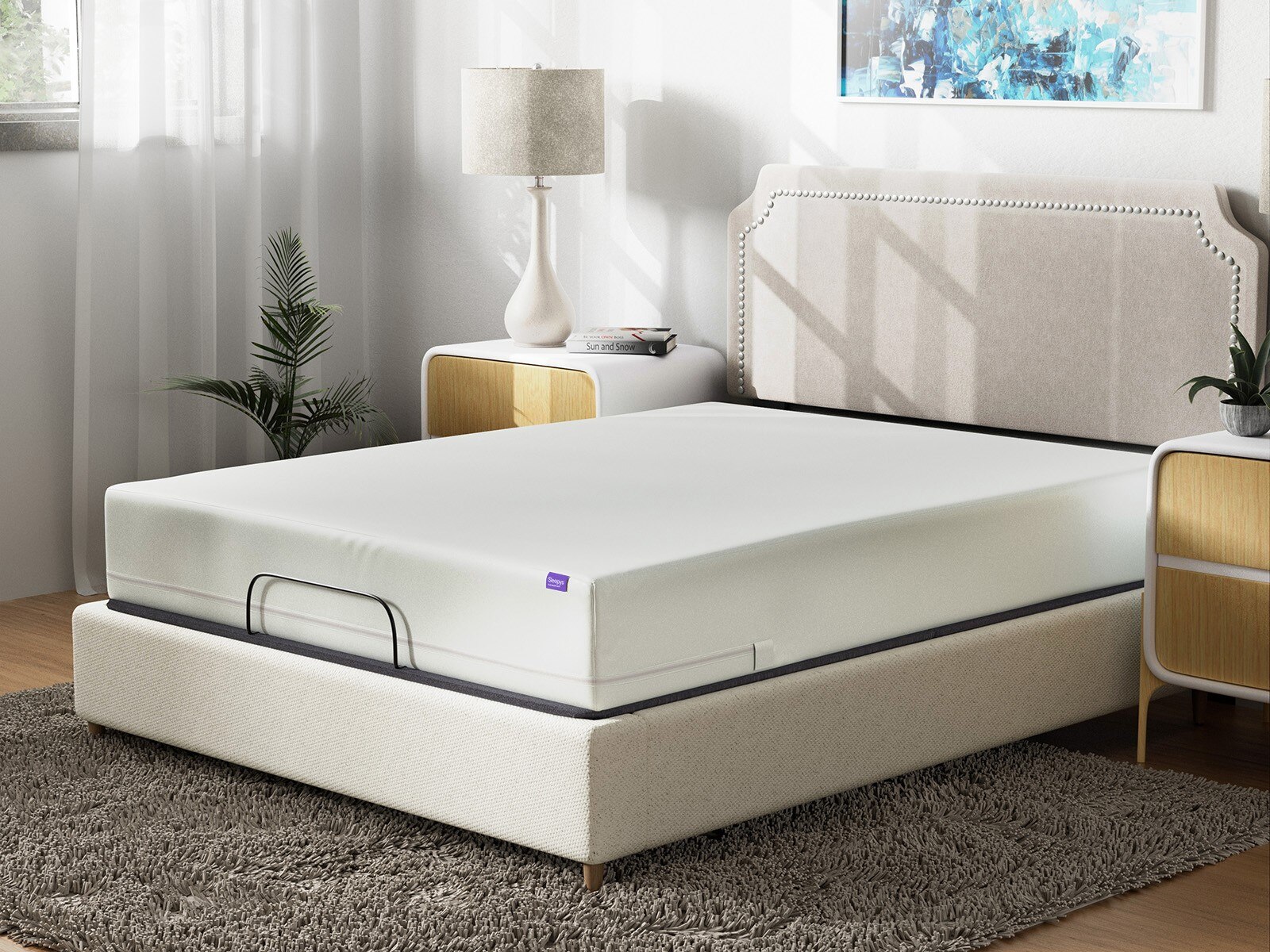
Protective full-size mattress covers serve a different role: creating a removable layer between the mattress and everyday contact with bedding, perspiration or accidental spills. A fitted protector generally stretches over the top and sides like a fitted sheet, while an encasement surrounds the entire mattress and closes with a zipper. These styles are not interchangeable for every purpose. A fitted design can be convenient for routine washing, whereas an encasement provides more complete surface coverage but takes more effort to remove and replace. Waterproof protection depends on a barrier layer, not simply on a fabric’s thickness or softness. Some covers are water-resistant rather than waterproof, so the stated protection and care directions matter more than appearance. A soft fabric surface may sit above a protective membrane, and the combination can affect stretch, sound and how noticeable the cover feels beneath a sheet. For someone who prefers the mattress surface to feel as unchanged as possible, a thin, flexible cover may be a better match than a heavily padded layer. Quilted covers can add cushioning, but they should not be mistaken for a substantial mattress topper. Fit also depends on mattress height, particularly when a topper adds several inches. The pocket depth should accommodate the combined height without pulling the edges upward or leaving excess fabric gathered beneath the sleeper. Full XL mattresses are longer than standard full mattresses, so those size labels should not be treated as equivalent. For allergy-related needs, look for specific information about fabric construction, enclosure design and any relevant testing rather than assuming every zippered cover offers the same protection. Care is part of performance, too. Heat, bleach or fabric softener can damage certain protective layers, making the manufacturer’s laundering directions essential. Letting a cover dry fully before putting it back on helps avoid trapping moisture against the mattress. For a child’s bed, a guest room or a mattress shared with a pet, an appropriately fitted protective cover can simplify cleanup without replacing regular washing of sheets and other bedding.
Full-size futon covers combine upholstery-like practicality with the flexibility needed for a surface that serves as both seating and a bed. The cushion may share the approximate sleeping dimensions of a full mattress, but its thickness, edge shape and folding points still affect fit. A cover that is too tight can strain at the seams when the frame changes position, while excess fabric can collect where the seat and back meet. Durable woven fabrics can suit frequent sitting, and a substantial zipper opening can make removal less awkward when the cushion needs to be lifted or folded. Smooth surfaces, textured weaves and patterned fabrics each create a different impression in a multipurpose room. A small-scale pattern may make everyday lint less noticeable, while a solid cover provides a quieter backdrop for pillows and throws. For any full-size cover, the right material is one that suits both its purpose and the household’s laundry routine. A cover intended for frequent washing needs care requirements that are manageable, including enough washer capacity for the fabric to move freely. Some textiles wrinkle naturally, while others need gentler handling to preserve their texture or finish. Checking whether a cover can be tumble-dried, line-dried or professionally cleaned helps prevent an otherwise appealing choice from becoming inconvenient. Durability also comes from handling: closing fasteners before washing when directed, avoiding overloaded machines and addressing loose stitching early can reduce unnecessary wear. In a frequently used bedroom, a removable duvet cover can make refreshing the bed more straightforward; in a room that doubles as an office, a fitted futon cover can help the seating surface look tidy between overnight visits. Covers can also be thoughtful household gifts when the recipient’s measurements, fabric preferences and care needs are known. Across these uses, the most suitable full-size cover is defined by a clear job, accurate dimensions and construction that supports everyday use—not by the size label alone.