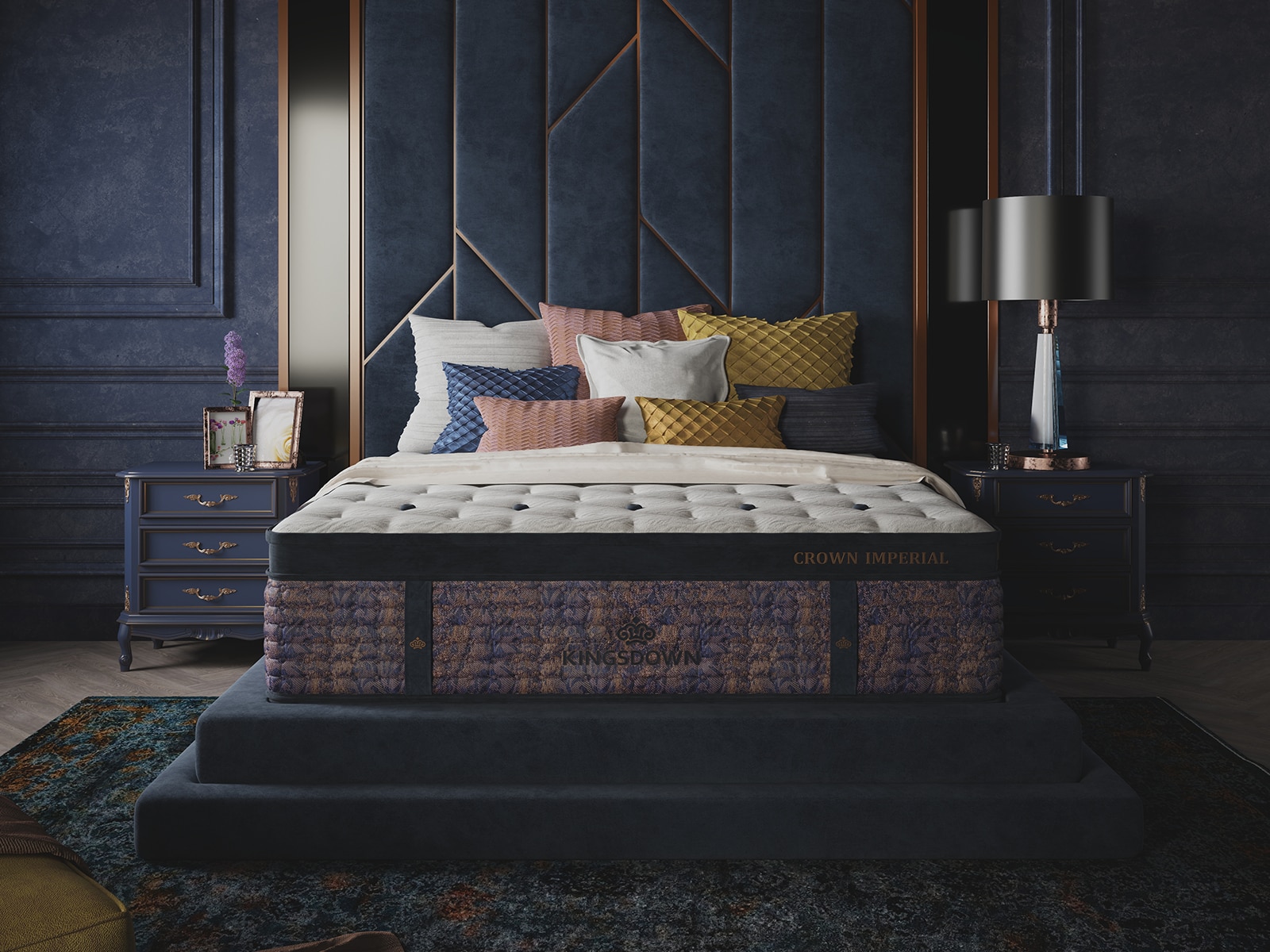
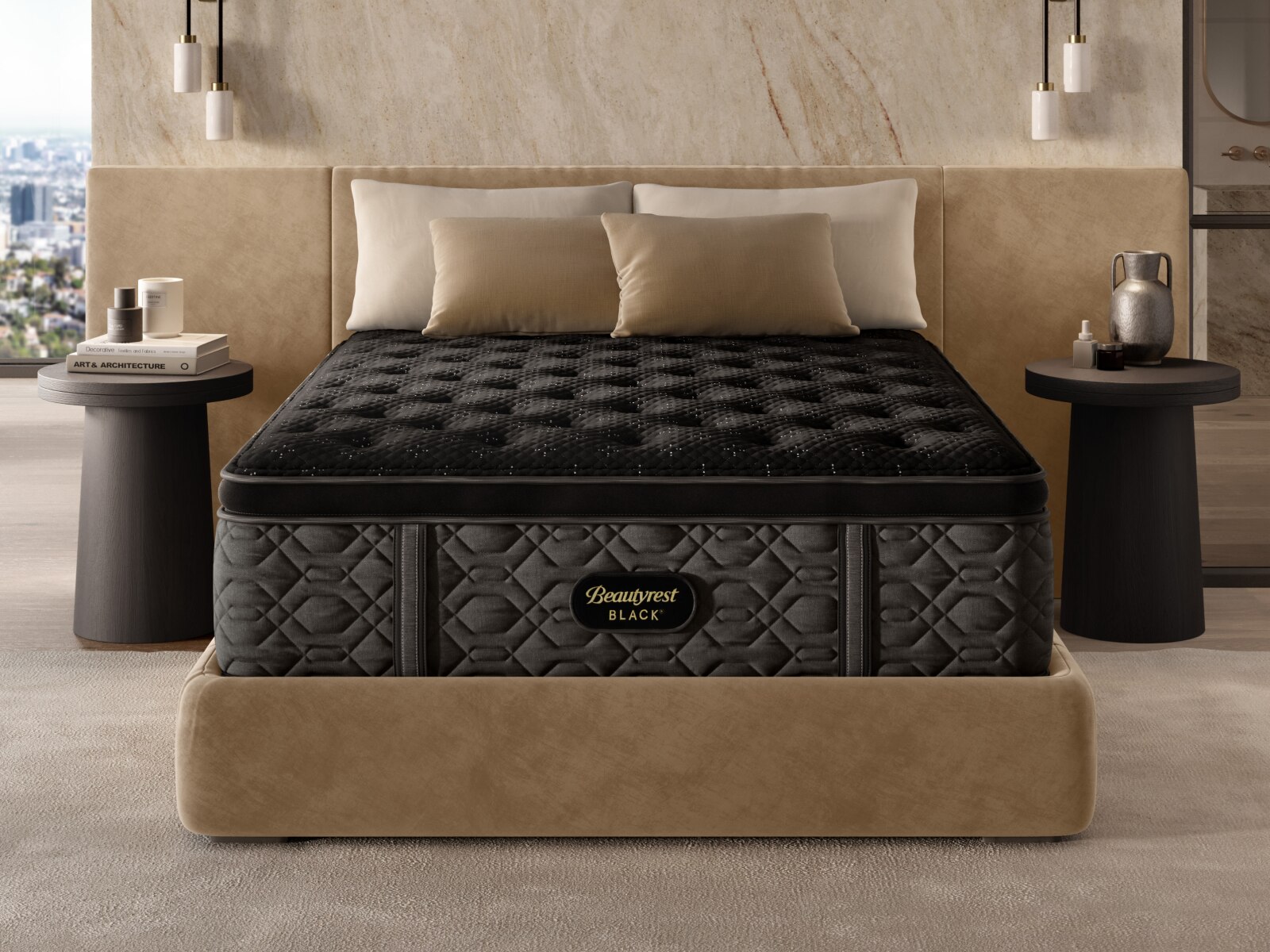
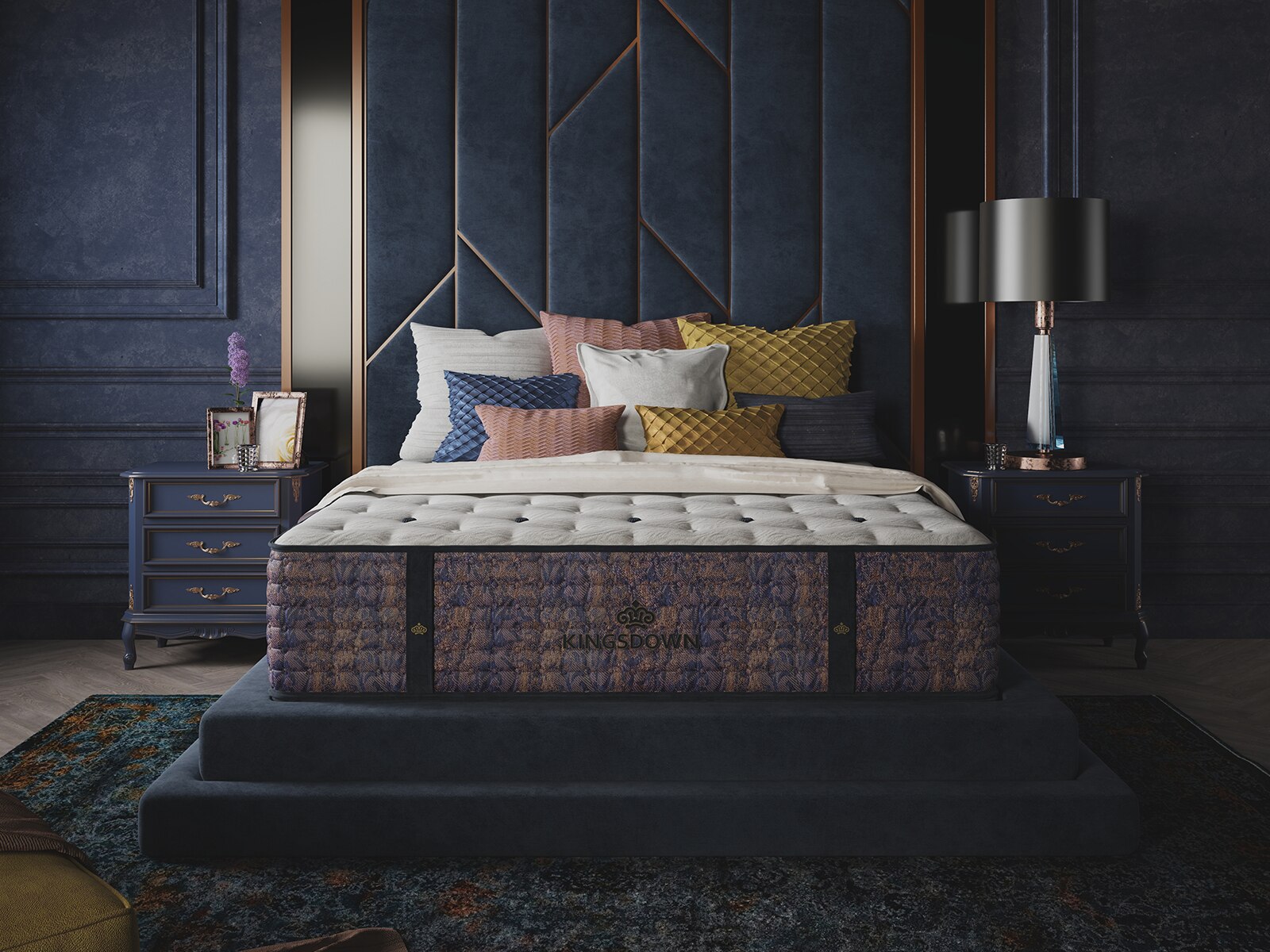
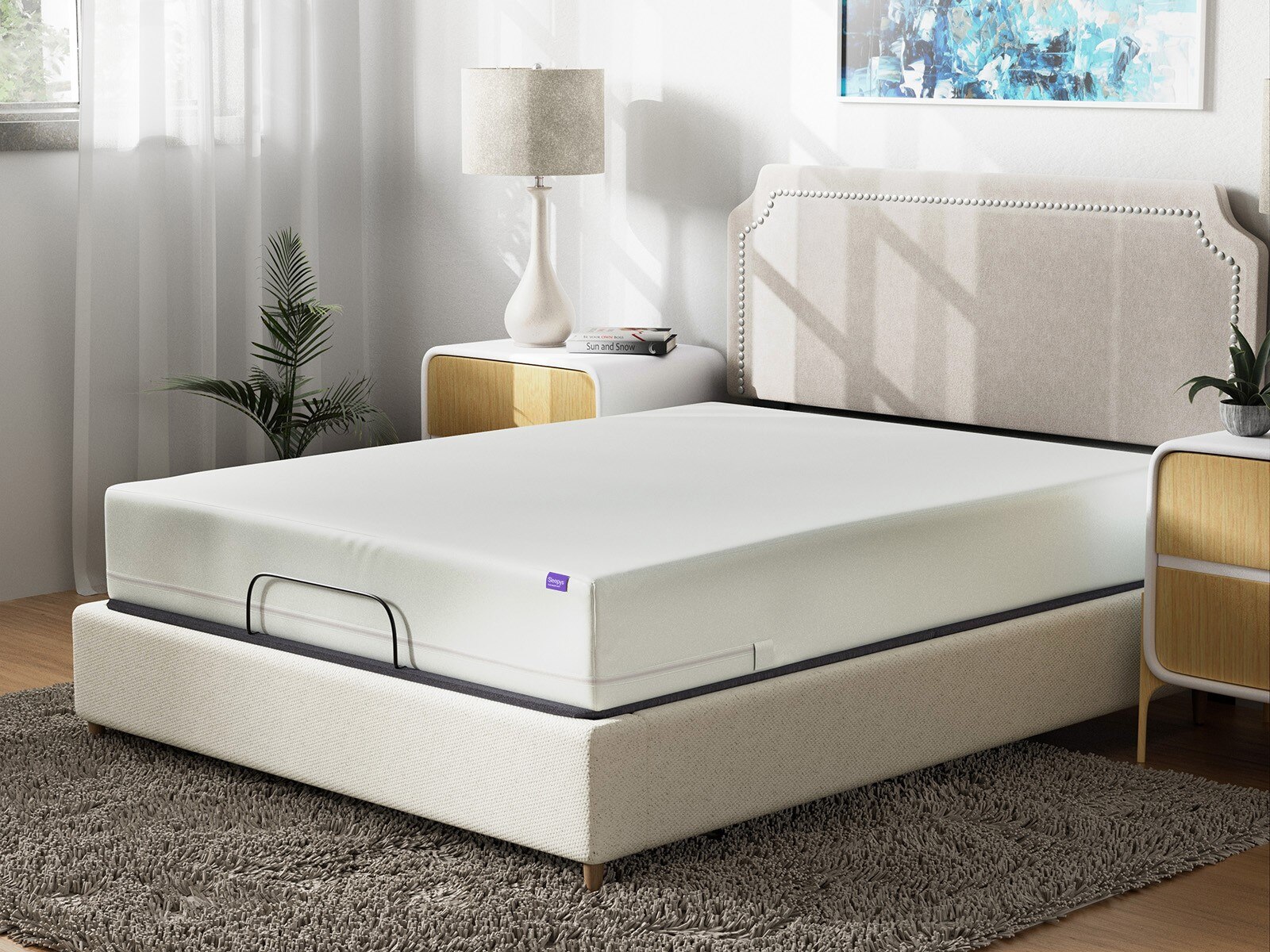
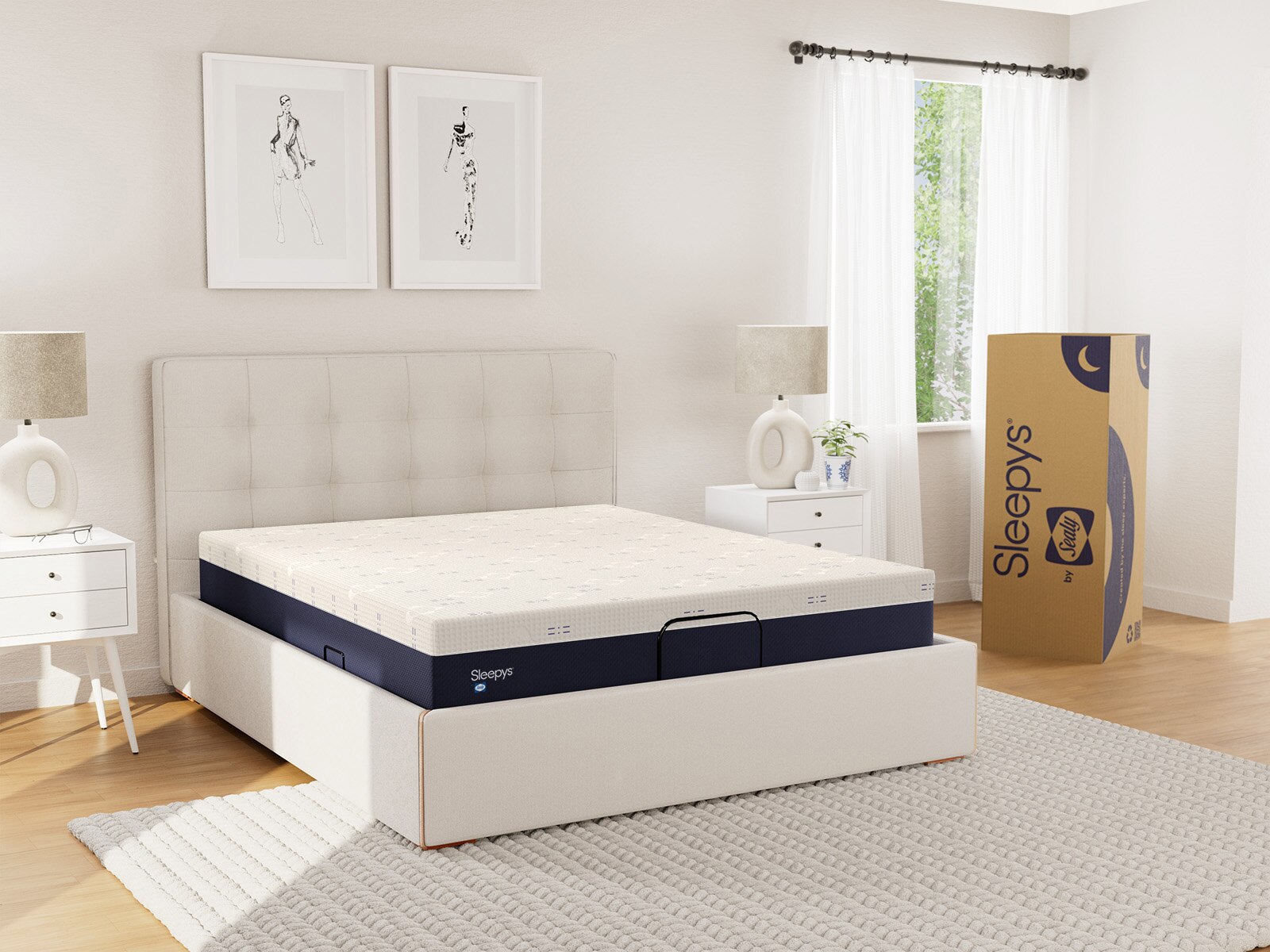
A full size latex mattress measures approximately 54 inches wide by 75 inches long and uses latex foam in its comfort layers, support core or both. Its defining feel is responsive cushioning: the surface compresses beneath the body, then rebounds relatively quickly when pressure is removed. Compared with the slow-melting sensation associated with many memory foam mattresses, latex generally feels more buoyant, making it appealing to sleepers who prefer gentle contouring without a deep, enveloping hug. That responsiveness can also make changing positions feel easier, whether moving from one side to the other or settling onto the back. Construction makes an important difference. An all-latex mattress uses latex layers for cushioning and support, while a latex hybrid combines latex with an innerspring support system. Some constructions also include other foams or cushioning materials, so the layer description provides a clearer picture than the mattress name alone. Natural latex begins with sap collected from rubber trees; synthetic latex is manufactured, and blended latex combines the two. These material categories describe composition rather than guaranteeing a particular comfort level or lifespan. Dunlop and Talalay refer to processing methods, not firmness ratings. Dunlop latex often has a substantial, dense feel, while Talalay latex can have a lighter, more buoyant feel, but either type can be produced in multiple firmness levels. The finished sleep experience depends on layer thickness, foam density and the materials surrounding the latex. Many latex layers feature small perforations that allow air movement, although the cover, bedding and overall construction also influence breathability. A quilted surface may soften the initial feel, while a thinner stretch-knit cover can make the latex underneath feel more noticeable. For someone who dislikes feeling stuck in a mattress, this combination of contouring and quick response can be especially appealing. For someone who enjoys a deep cradle, a more cushioned construction may be a better match than a firmer, less conforming surface.
Full size latex mattresses are a practical fit for many single adults, teenagers and guest bedrooms because they provide more width than a twin without taking up as much floor space as a queen. In a compact bedroom, that difference can leave room for a nightstand, a dresser drawer to open fully or a clear path beside the bed. Measure the complete bed frame as well as the mattress footprint, since upholstered sides and substantial headboards can extend beyond the sleeping surface. Length matters, too: at approximately 75 inches long, a full mattress may feel restrictive for taller sleepers who stretch out or like extra space below their feet. Two adults can share a full, but the available width is limited, particularly when either person changes positions frequently. For a bedroom shared regularly by two sleepers, comparing larger dimensions and compatible
king size beds for latex mattresses can help clarify how much additional space a larger setup would require. A larger frame needs a matching mattress; a full mattress should not be placed on a king frame as a substitute for properly fitted support. Within the full size category, comfort should reflect sleeping position and body weight rather than a firmness label alone. Side sleepers often benefit from enough cushioning to accommodate the shoulders and hips, while back sleepers may prefer a balance of surface comfort and steady support beneath the torso. Stomach sleepers generally need sufficient resistance under the midsection to limit excessive sinking. Heavier bodies typically compress comfort layers more deeply, so the same mattress can feel softer to one person than another. When trying a mattress, spend several minutes in the position used most often and notice whether the shoulders feel compressed or the hips settle too far. For shared use, also consider edge stability and motion transfer, since latex responsiveness does not automatically mean strong motion isolation.
Durability is an important consideration with full size latex mattresses, but performance depends on more than the presence of latex. Foam quality, layer construction and the strength of the support system all influence how well a mattress maintains its feel over time. Latex is generally resilient, yet no material eliminates the need for an appropriate foundation and routine care. Check the mattress manufacturer's requirements for a platform, foundation or slatted base, including maximum slat spacing and any center-support requirements. A base with gaps that are too wide may allow portions of the mattress to sag between supports. Latex mattresses can also be heavy, so account for the combined weight of the mattress and sleepers when checking the frame's capacity. When moving the mattress, use enough help to support its weight and follow handling instructions rather than assuming sewn-on handles are intended for lifting. A well-fitted mattress protector helps limit exposure to spills, perspiration and everyday debris without replacing the need to follow the care label. Choose sheets with pockets deep enough for the mattress height and protector; tightly stretched bedding can pull at the corners and affect how the surface feels. For cleaning, follow the manufacturer's directions, use only permitted methods and let any damp areas dry completely before replacing bedding. Avoid soaking latex or applying high heat. Rotate the mattress if recommended, and flip it only if its construction is specifically designed for use on both sides. If latex sensitivity is a concern, review the full material disclosures and seek advice from a healthcare professional rather than relying on broad allergy-related claims. Removable covers, replaceable internal layers and warranty terms vary by construction, so confirm those details rather than assuming they apply to every latex mattress. The most suitable choice brings together comfortable cushioning, dependable support and dimensions that work for both the sleeper and the room, with care requirements that fit everyday life.