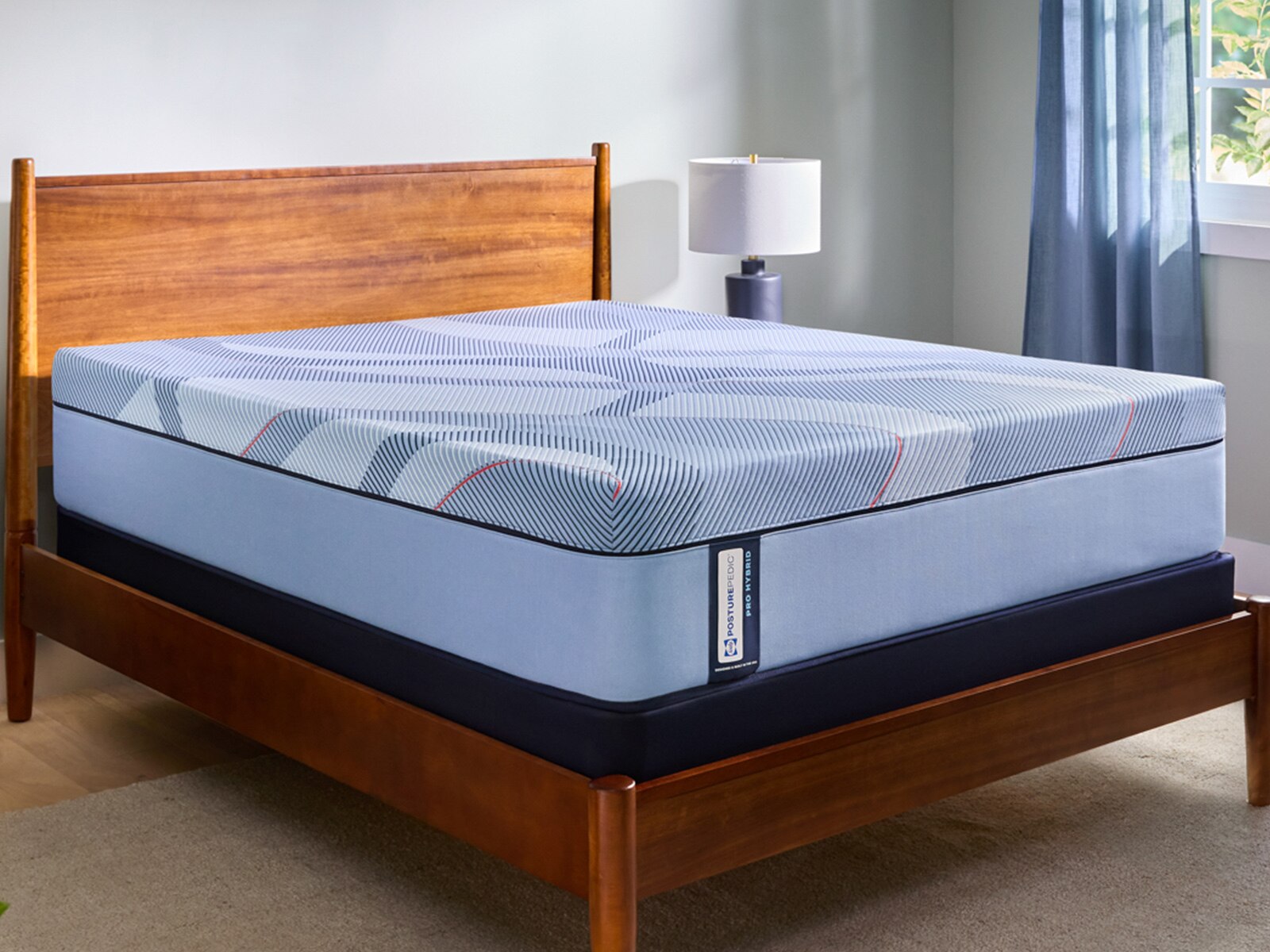
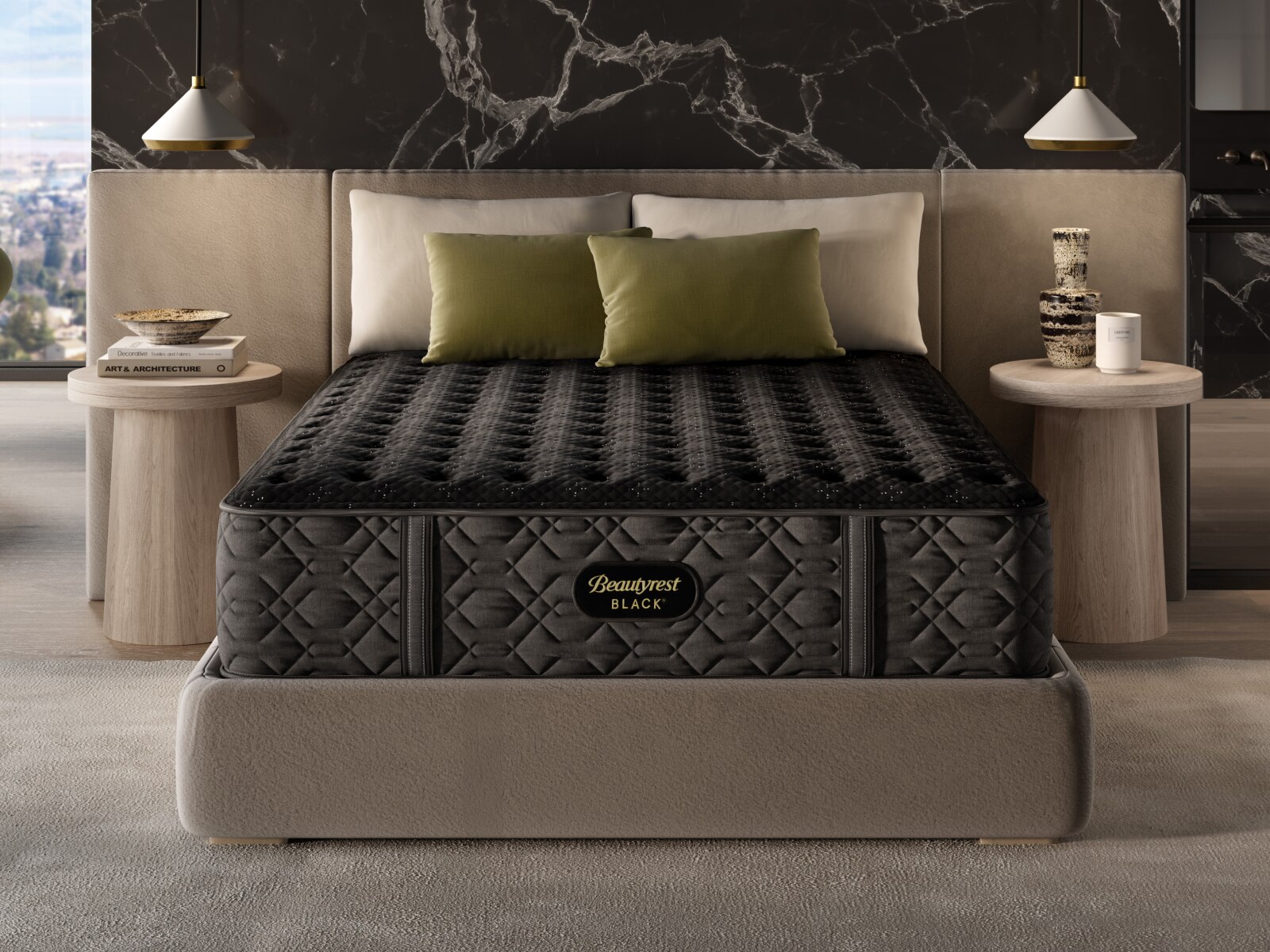
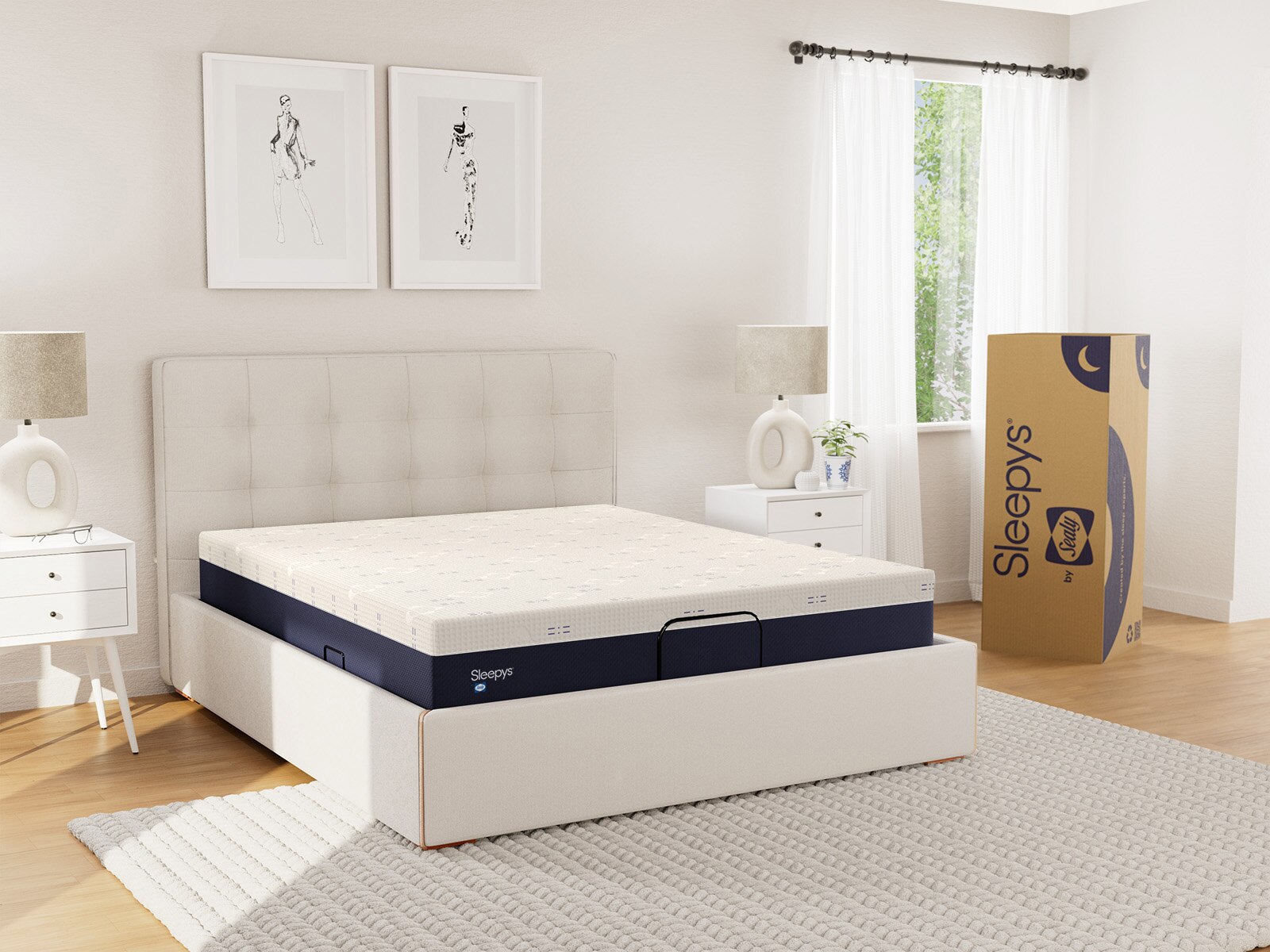
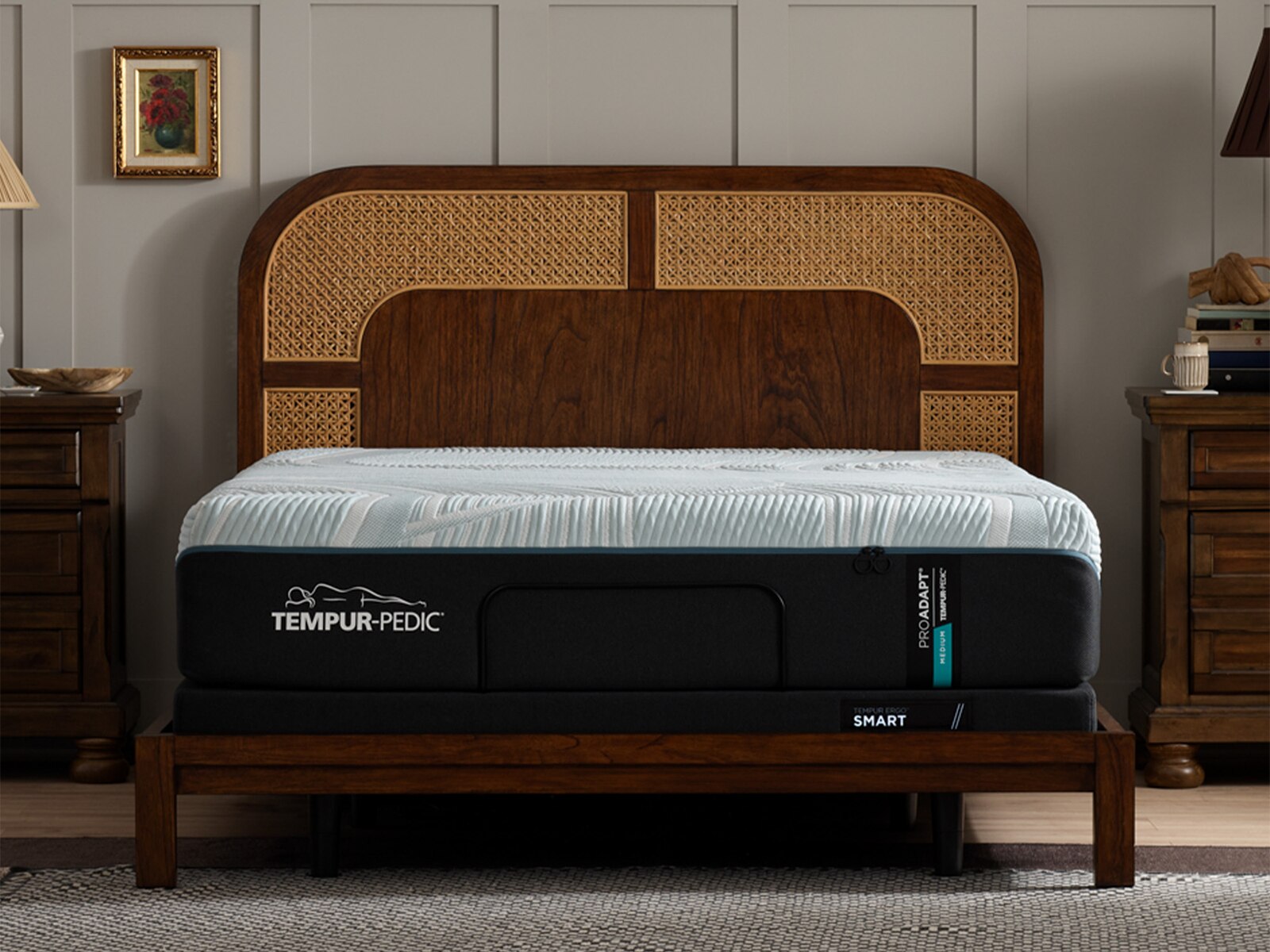
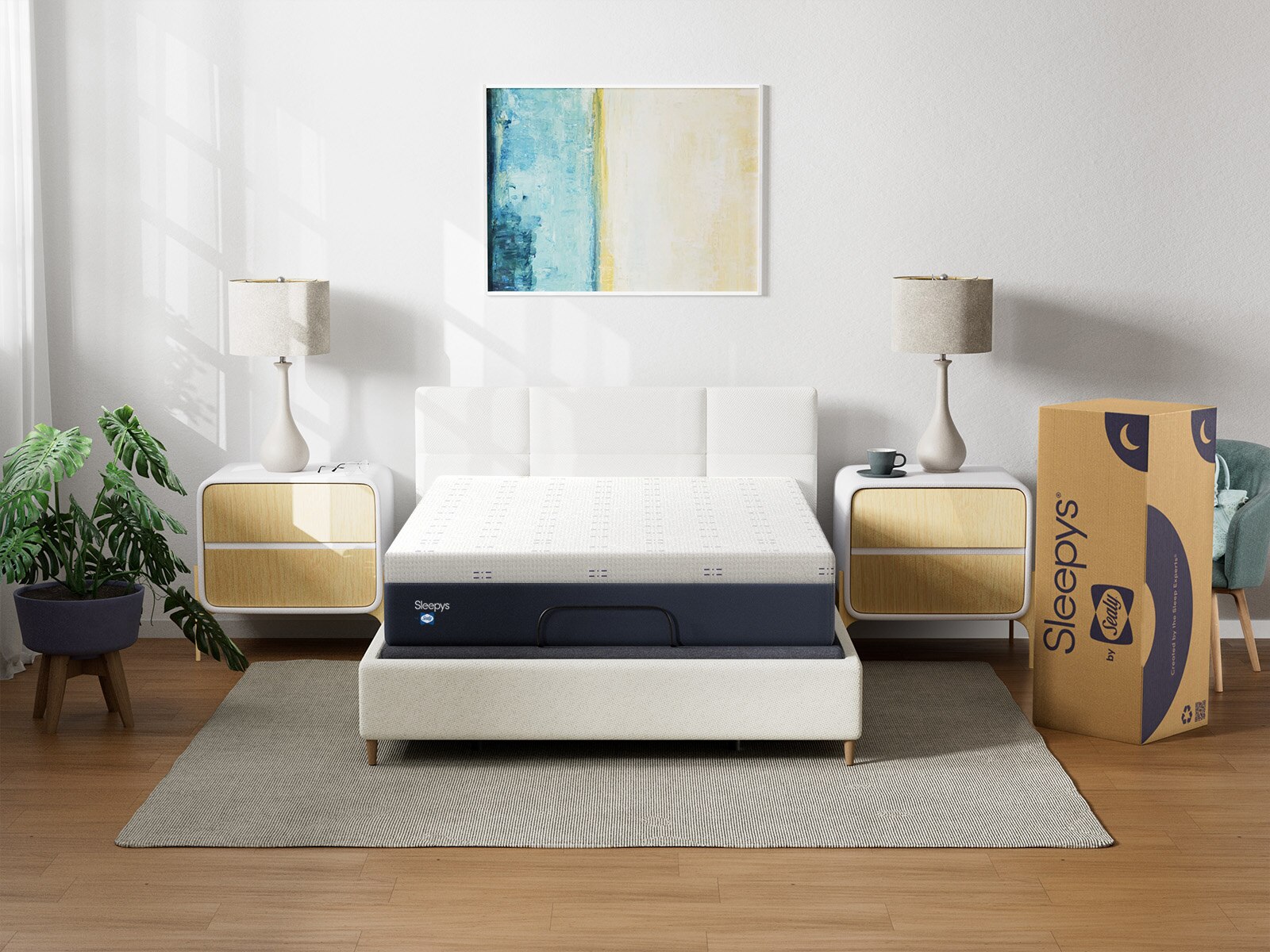
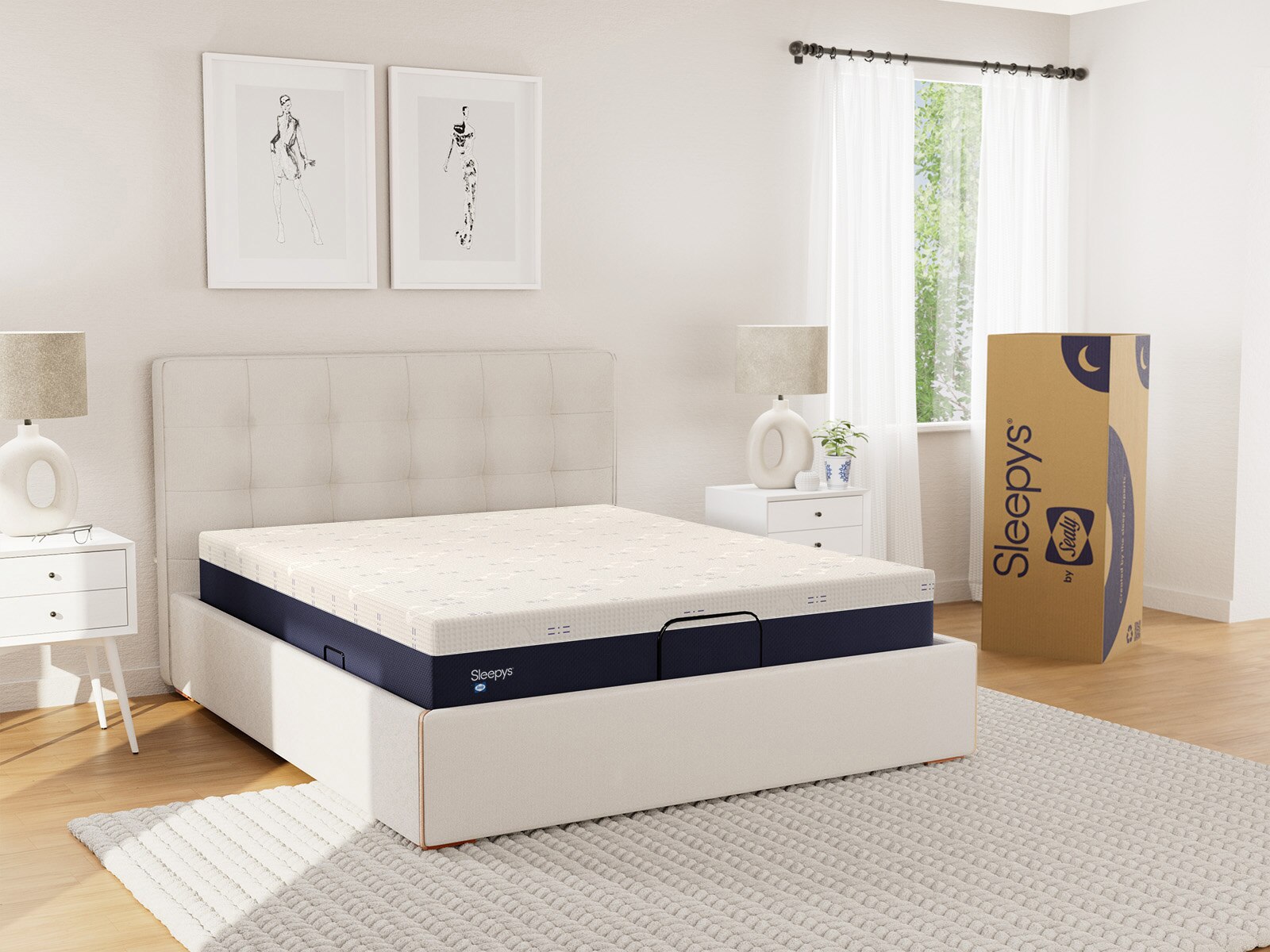
Full-size mattresses for even weight distribution combine cushioning and underlying support to help spread body weight across the sleep surface instead of concentrating pressure around the shoulders and hips. The goal is not identical pressure at every point, but a comfortable balance: heavier areas receive enough support, while the surface contours to the body’s curves. A full-size mattress typically measures 54 inches wide by 75 inches long, making it a practical fit for a single adult, a growing teenager or a guest bedroom where floor space matters. It offers more room to stretch out than a twin without taking up as much space as a queen. That extra width can be useful for someone who changes positions throughout the night, sleeps with their arms extended or prefers a little distance from the edge. For two adults, a full provides a more compact sleeping arrangement, so personal space and movement become important considerations. Taller sleepers may also find that the length leaves limited room between their pillow and the foot of the mattress. Within those dimensions, the right comfort level depends on how the mattress responds to the individual sleeping on it. A side sleeper generally needs cushioning that lets the shoulder and hip settle without allowing the waist to dip too deeply. A back sleeper benefits from support beneath the pelvis and comfortable contact along the lower back. A stomach sleeper often needs a firmer feel that helps keep the midsection from sinking substantially below the chest. Body weight influences that response, too: the same mattress can feel firmer to a lighter person and softer to someone who places more pressure on its layers. Firmness alone does not determine even weight distribution. A very firm surface may create uncomfortable pressure points, while an overly soft surface may let heavier areas sink farther than feels comfortable. A well-matched mattress provides contouring without a deep, uneven dip.
Construction makes a meaningful difference in how a full-size mattress distributes weight. Memory foam gradually conforms around the body, increasing contact with the sleep surface and helping cushion areas that would otherwise bear more concentrated pressure. Its slower response can feel comfortable to someone who likes a close, cradling sensation, though ease of repositioning also depends on the thickness and firmness of the layers. Latex generally has a more buoyant response, contouring while recovering quickly as a sleeper moves. Other cushioning foams can provide a balance of softness and responsiveness, with performance depending on their formulation and placement. In a hybrid mattress, comfort layers work above a coil support system. Individually wrapped coils can compress more independently than interconnected coils, allowing the surface to respond differently beneath the shoulders, waist and hips. Some mattresses use zoned support, with variations in firmness across the mattress to provide additional resistance beneath heavier areas. Zoning can be helpful, but its suitability depends on the sleeper’s height, position and where the body rests relative to those zones. No single construction is best for everyone, and a hybrid is not automatically more supportive than an all-foam mattress. The quality and arrangement of the complete mattress matter more than a material name alone. Higher-density foam can contribute to durability, but density is not the same as firmness, and useful density ranges vary by foam type. Likewise, coil count alone does not establish support quality; coil design, wire thickness and the surrounding layers all play a role. Edge reinforcement is another consideration, especially on a full-size surface where sleeping room is limited. A stable perimeter can make sitting at the bedside feel steadier and help reduce the sensation of rolling toward the edge. Motion isolation matters when two people share the mattress, while responsive cushioning can make turning from one side to the other feel easier. These features address different needs, so balanced support should be considered alongside the way the mattress feels during ordinary movement.
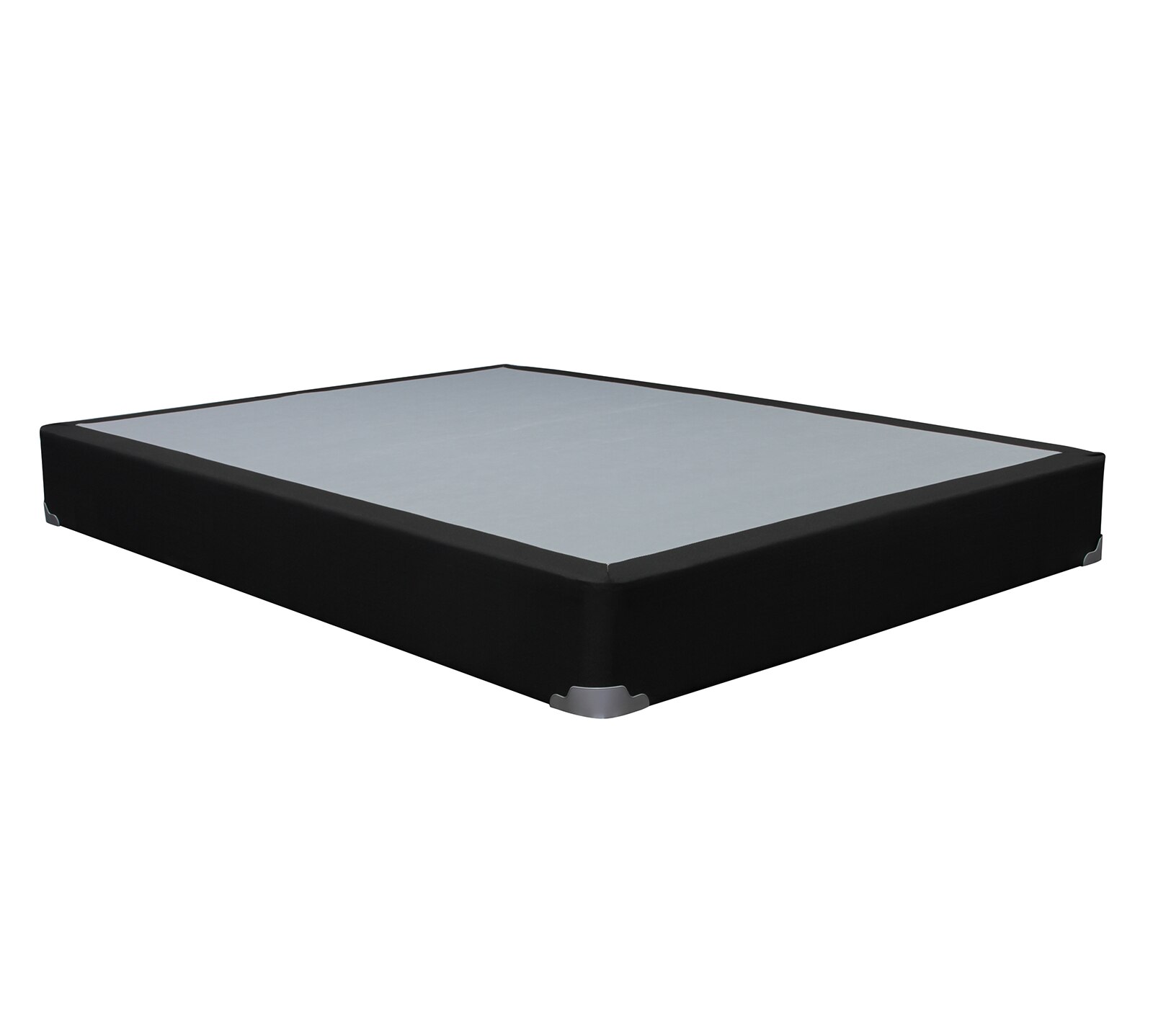
A full-size mattress should also fit the room, the bed frame and the routines of the person using it. In a smaller bedroom, measure the space needed to open drawers, walk beside the bed and change the sheets without squeezing between furniture. Check the mattress dimensions against the frame’s interior measurements, and account for mattress height if the bed already sits high or low. A thick mattress on a tall foundation may make getting in and out less comfortable, while a lower setup may not suit someone who prefers to sit with both feet resting securely on the floor. Proper support underneath is essential to maintaining an even sleeping surface. Follow the mattress manufacturer’s requirements for foundations, slat spacing and center support rather than assuming an existing frame is suitable. If an adjustable base is part of the setup, confirm compatibility before pairing it with a mattress. For a feel between soft and firm,
Medium Mattresses For Even Weight Distribution provides a related category to explore, although the way medium firmness feels will still vary with body weight and sleeping position. When evaluating comfort, spending time in the usual sleep position gives a more useful impression than briefly sitting on the edge. Notice whether the shoulders feel compressed, whether the pelvis sinks noticeably and whether turning over requires more effort than expected. Everyday care helps preserve the comfort layers and support system. Use a properly fitted protector, choose sheets with pockets deep enough for the mattress height and address spills according to the care label. Rotate the mattress only as recommended, and do not flip it unless it is designed for use on both sides. Over time, visible sagging or an uneven feel may warrant checking both the mattress and its foundation. For a nightly bed or an occasionally used guest room, the most useful combination is appropriate cushioning, dependable support and dimensions that suit the sleeper and the space.