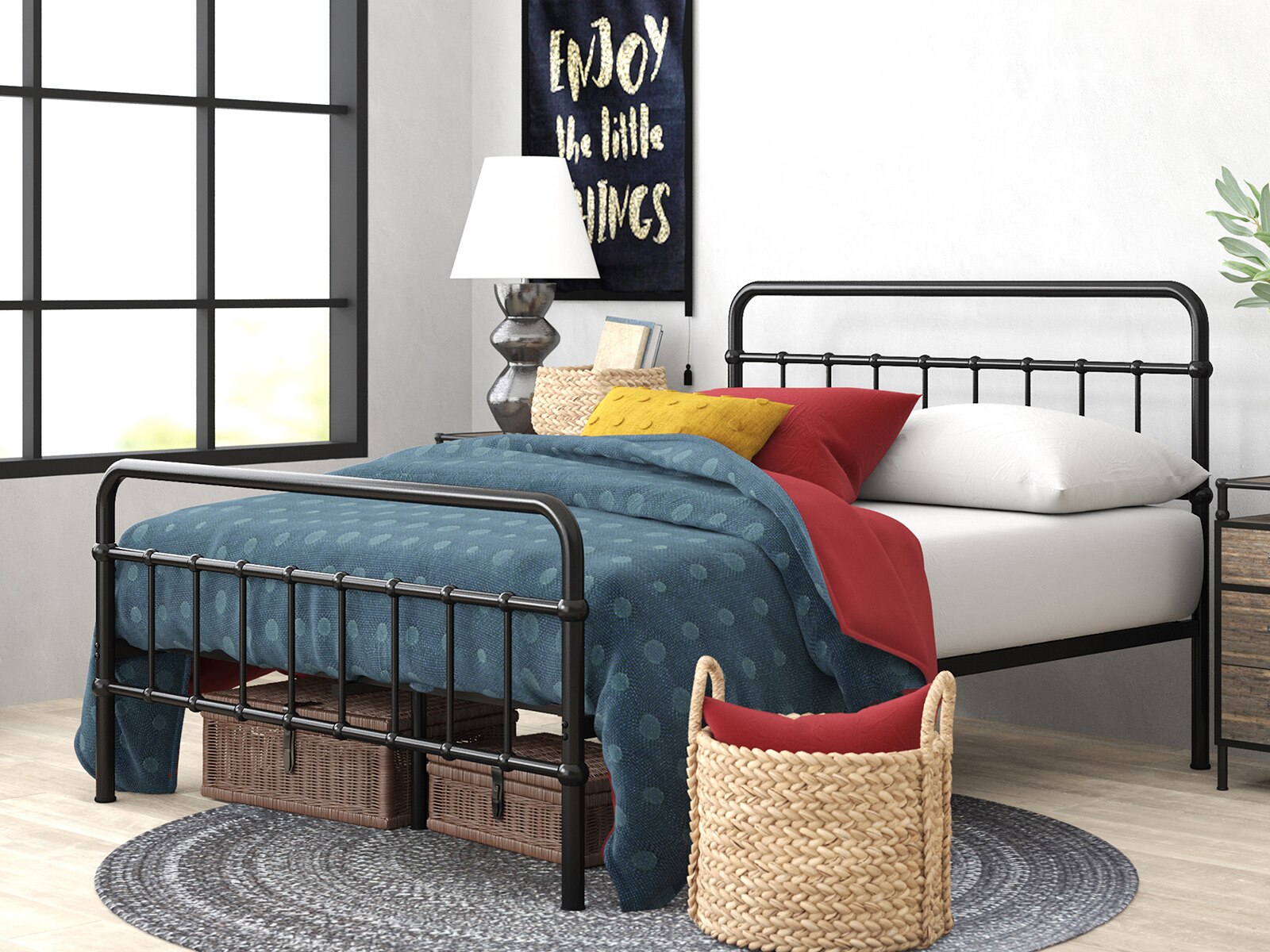
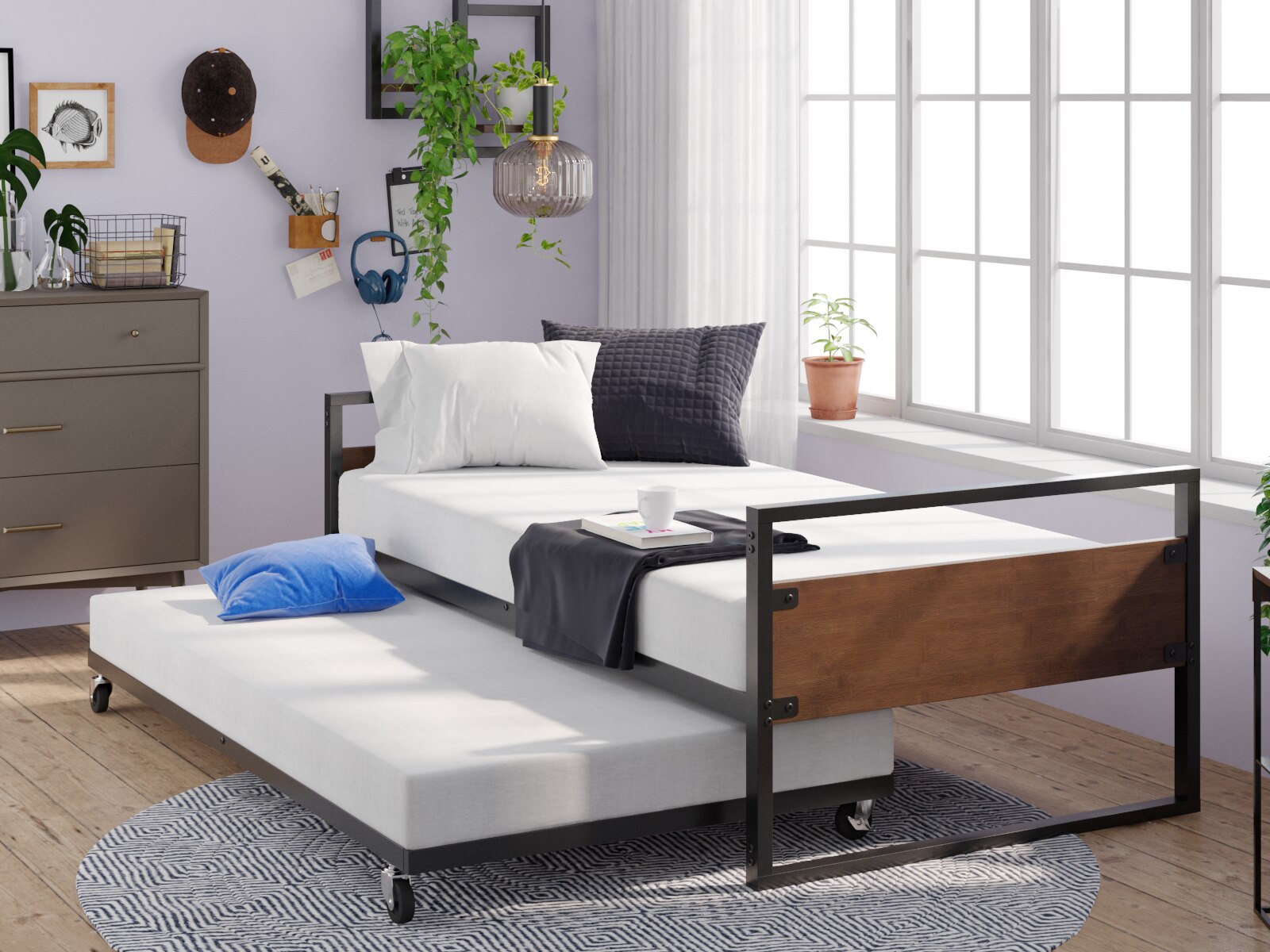
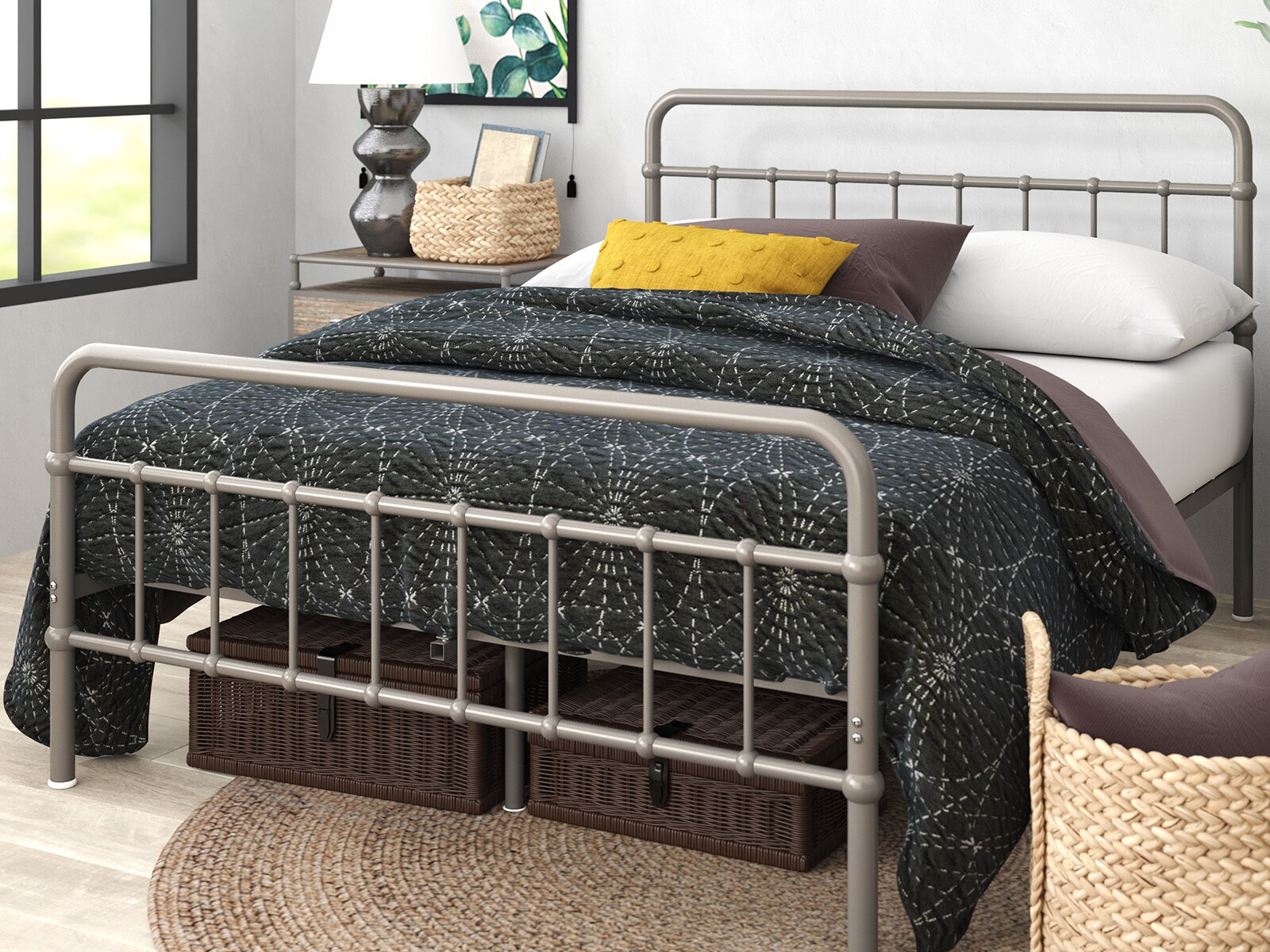
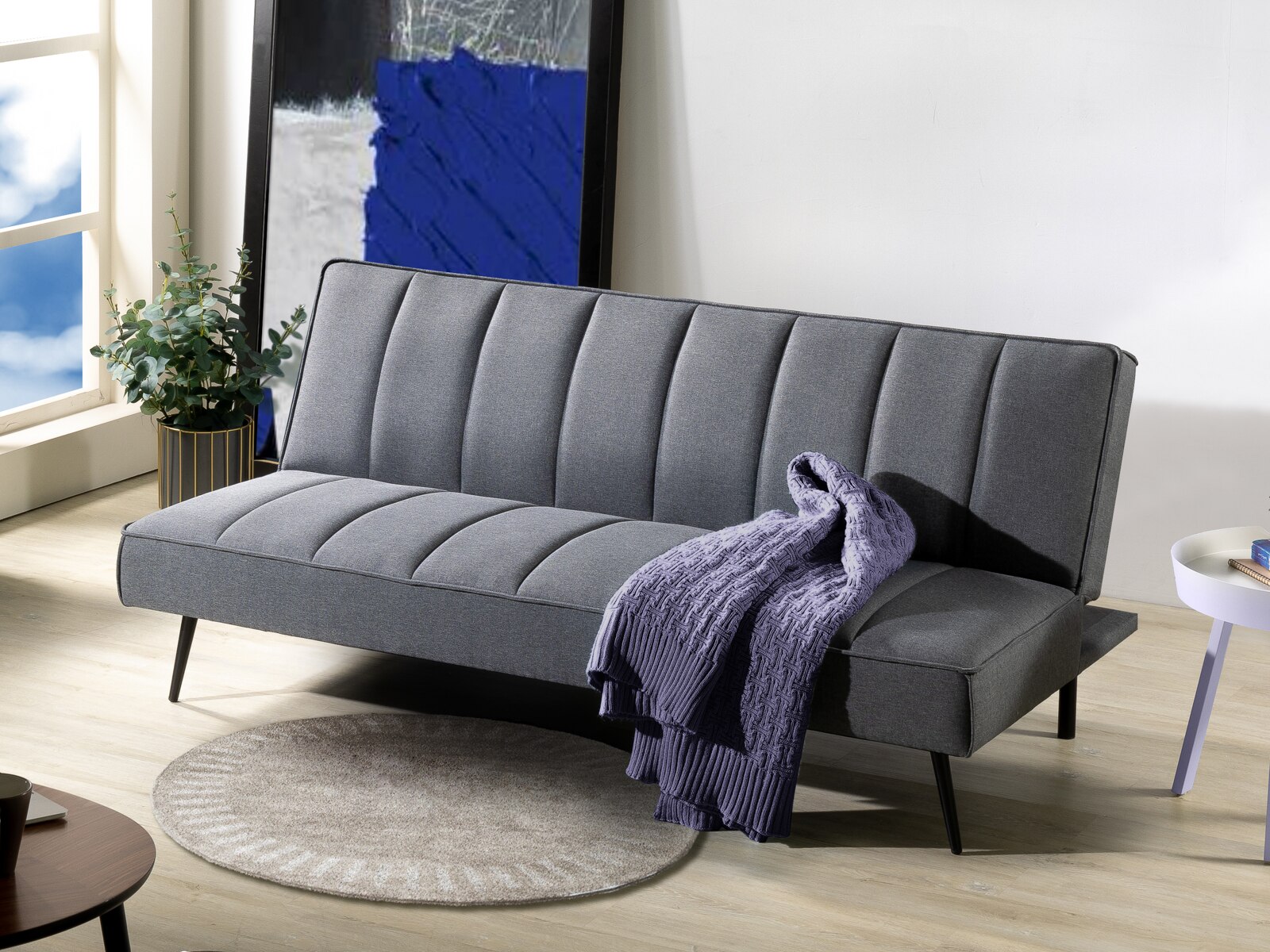
Affordable furniture for small spaces combines compact dimensions, multifunctional design and practical storage to help smaller rooms work comfortably for everyday living. The most useful pieces make room for daily routines without overwhelming the floor plan, whether that means keeping a bedroom uncluttered or giving a studio separate places to rest, work and unwind. A smaller footprint matters, but so does what happens around it: a drawer needs room to open, a chair needs space to pull back and a bed should remain easy to get into. In a narrow bedroom, furniture with a shallow profile can leave a more comfortable path between the doorway and the sleeping area. In a shared room, storage built into furniture can give each person a place for bedding, clothing and personal belongings without adding another freestanding piece. Open space beneath a frame can also accommodate suitable storage containers, provided they fit without interfering with the furniture’s supports. These details help turn unused areas into practical storage while keeping everyday essentials close at hand. Overall dimensions tell only part of the story. Baseboards, windowsills, closet doors and electrical outlets can affect how furniture sits against a wall, while stairs and tight hallways influence how it reaches the room. Furniture that fits neatly once assembled may still require careful attention to packaged dimensions and delivery access. For sleeping spaces, the bed frame’s size, support system and compatibility with the mattress are just as important as its appearance. A compact arrangement should not require squeezing past sharp corners or blocking access to storage. The strongest small-space layouts balance useful capacity with clear circulation, allowing the room to feel settled rather than crowded. Furniture that serves more than one purpose can support that balance, especially when its secondary function is something the household will actually use. Hidden storage is most helpful when it is easy to reach, and a flexible surface earns its place when it comfortably supports the activities planned for it.
Materials and construction shape how compact furniture looks, feels and holds up to repeated use. Solid wood brings natural grain and variation, while engineered wood can provide a consistent surface and a range of finishes. Metal components can create a visually lighter outline, though the quality of joints, fasteners and support points matters more than appearance alone. A slim silhouette still needs a stable foundation, particularly when furniture will be used every day. Reinforced connections, properly supported panels and hardware suited to repeated opening and closing all contribute to dependable function. For upholstered furniture, fabric texture, seam construction and the recommended cleaning method deserve attention alongside color. A tightly woven surface may suit a busy household, while textured upholstery can soften the look of a room with hard flooring and simple walls. No material is maintenance-free, and performance varies by construction and finish. Wood surfaces may need protection from moisture, coated surfaces can be vulnerable to scratches and upholstery should be cleaned according to its care label. Rounded profiles and recessed hardware can reduce protruding details in close quarters, although sufficient walking space remains essential. Visual weight also influences how comfortably furniture fits its surroundings. Exposed legs, open bases and restrained detailing can make more of the floor visible, while enclosed designs provide a place to keep belongings out of sight. Neither approach is automatically better; an open design suits someone who prefers easy access, while closed storage can help contain the visual clutter of a busy room. Coordinating finishes can create continuity without requiring every piece to match. A limited mix of textures often feels more intentional than several competing patterns, especially where the sleeping and living areas share the same view. Related approaches appear in
Functional Furniture for Small Spaces, where the emphasis is on furniture that supports more than one household need. The common thread is thoughtful proportion: each piece should contribute useful function without making the room harder to navigate.
Everyday use is often the clearest measure of whether furniture belongs in a smaller home. Someone furnishing a first apartment may need a compact sleeping area with enough storage to keep clothing off the floor. A person working from a bedroom may need surfaces that accommodate daytime tasks without making it difficult to settle down at night. In a guest room that also serves another purpose, adaptable furniture can help the room remain useful between overnight visits. Shared households may benefit from separate storage zones, while someone living alone may prefer fewer pieces with room to rearrange them as routines change. Furniture intended as a housewarming gift is most useful when its dimensions, finish and assembly requirements fit the recipient’s space rather than simply matching a general style. Practical details become especially noticeable over time. Storage that requires moving several objects before opening may go unused, and a surface positioned beyond comfortable reach may collect clutter instead of supporting a daily routine. Accessible compartments and straightforward mechanisms make multifunctional designs easier to live with. Care is part of that long-term usefulness. Regular dusting, prompt attention to spills and cleaning methods appropriate to the finish help preserve surfaces without unnecessary wear. Suitable floor protectors can reduce scuffing, while lifting furniture rather than dragging it helps protect both the floor and the joints. Assembly instructions, weight limits and any recommended hardware checks remain important even when a piece looks simple. Furniture designed to be secured to a wall should be installed according to the manufacturer’s directions, especially in homes with children. The space around vents, outlets and doorways also needs to remain usable. A well-furnished small room does not have to perform every possible function at once. It works best when its furniture supports the people who use it, keeps necessary belongings manageable and leaves enough open space for daily life to feel comfortable.