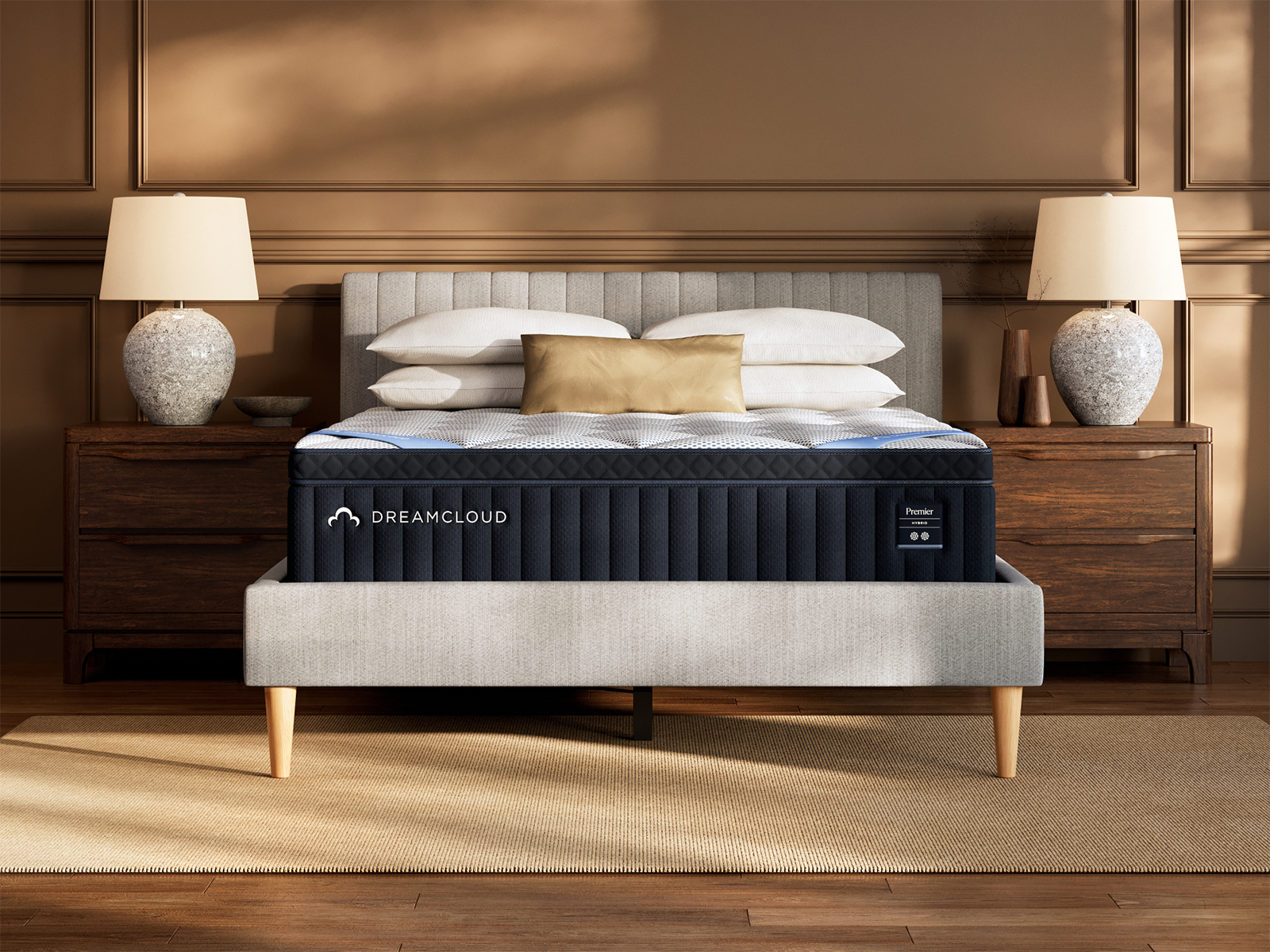
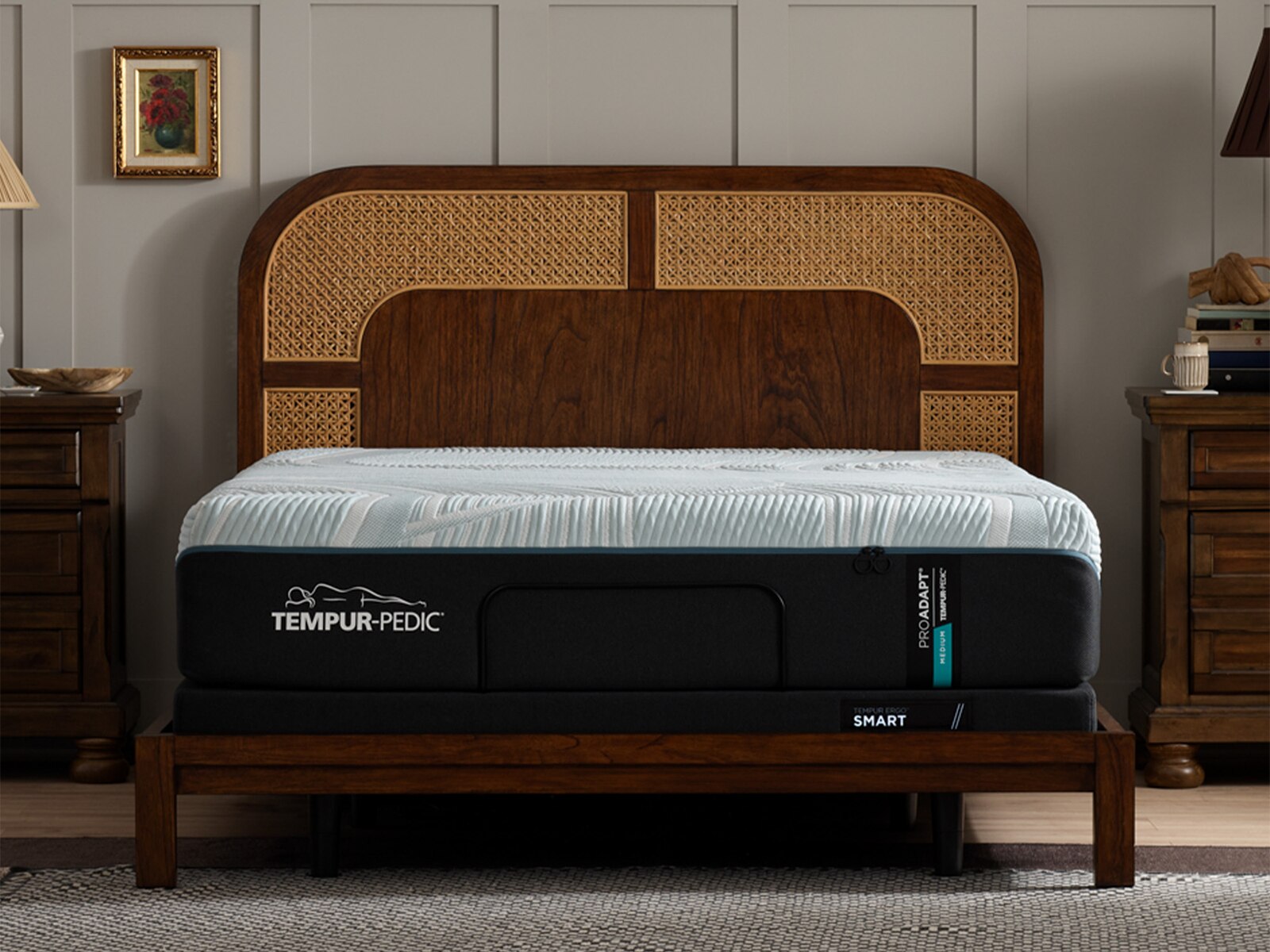
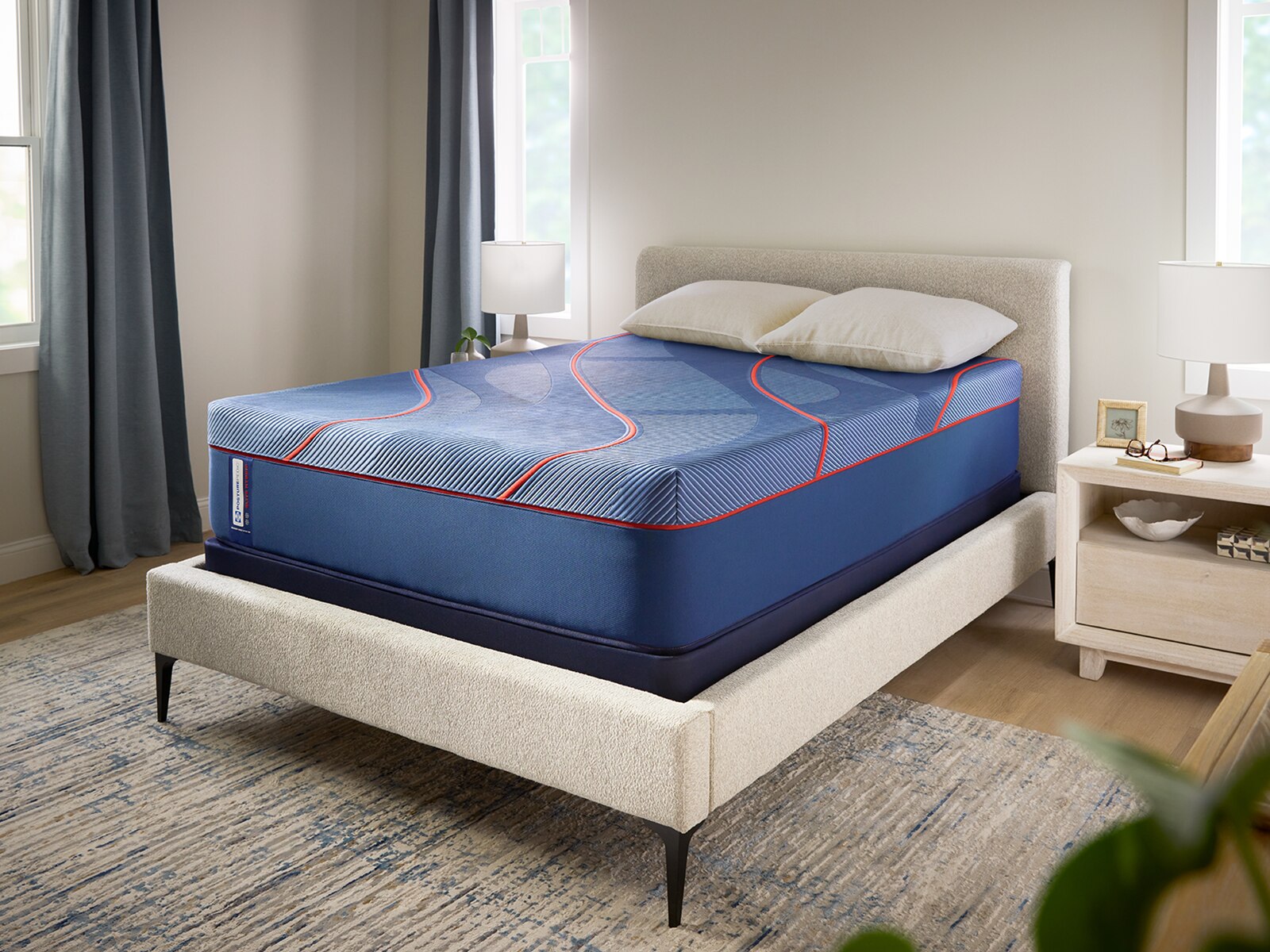
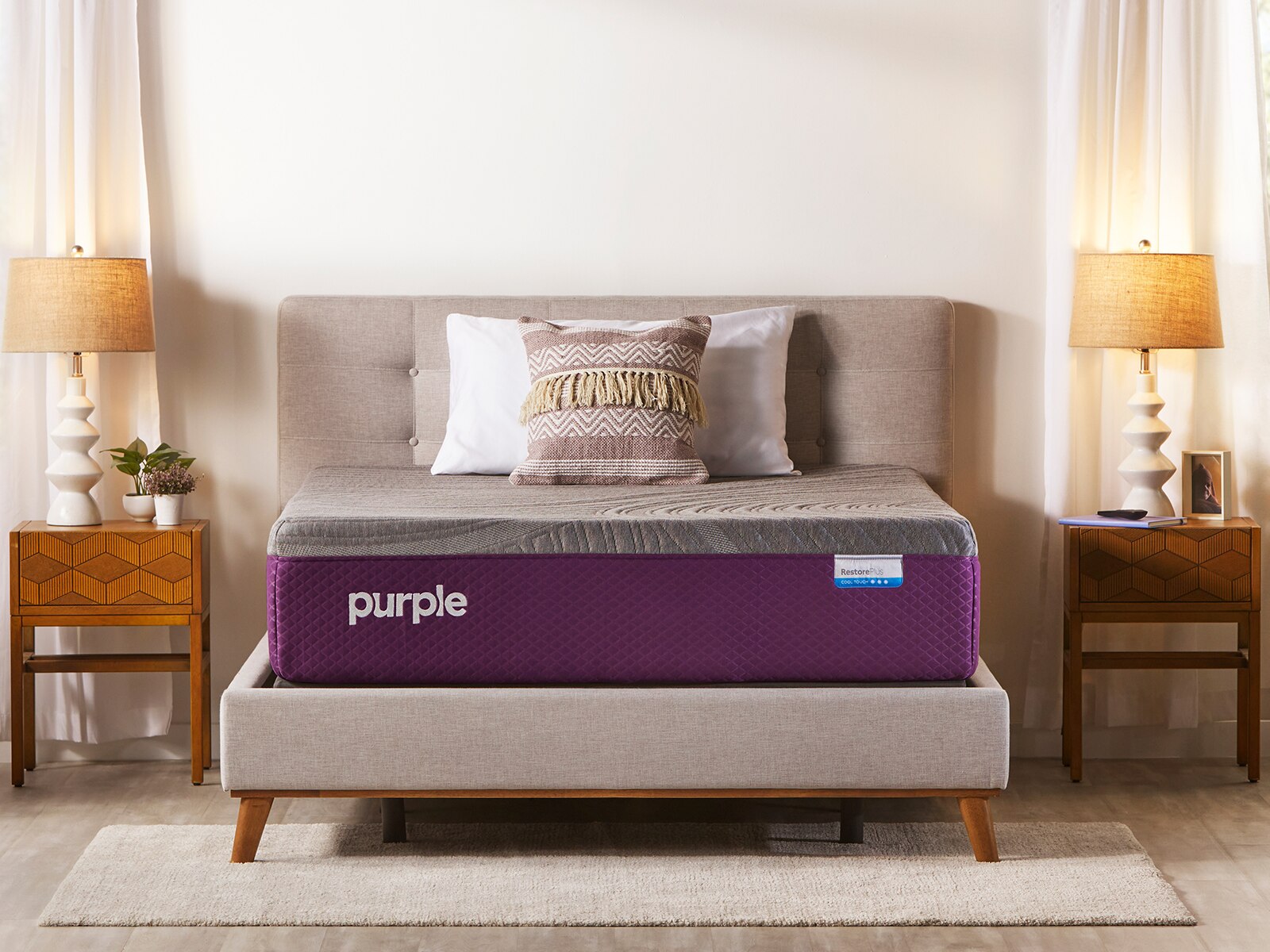
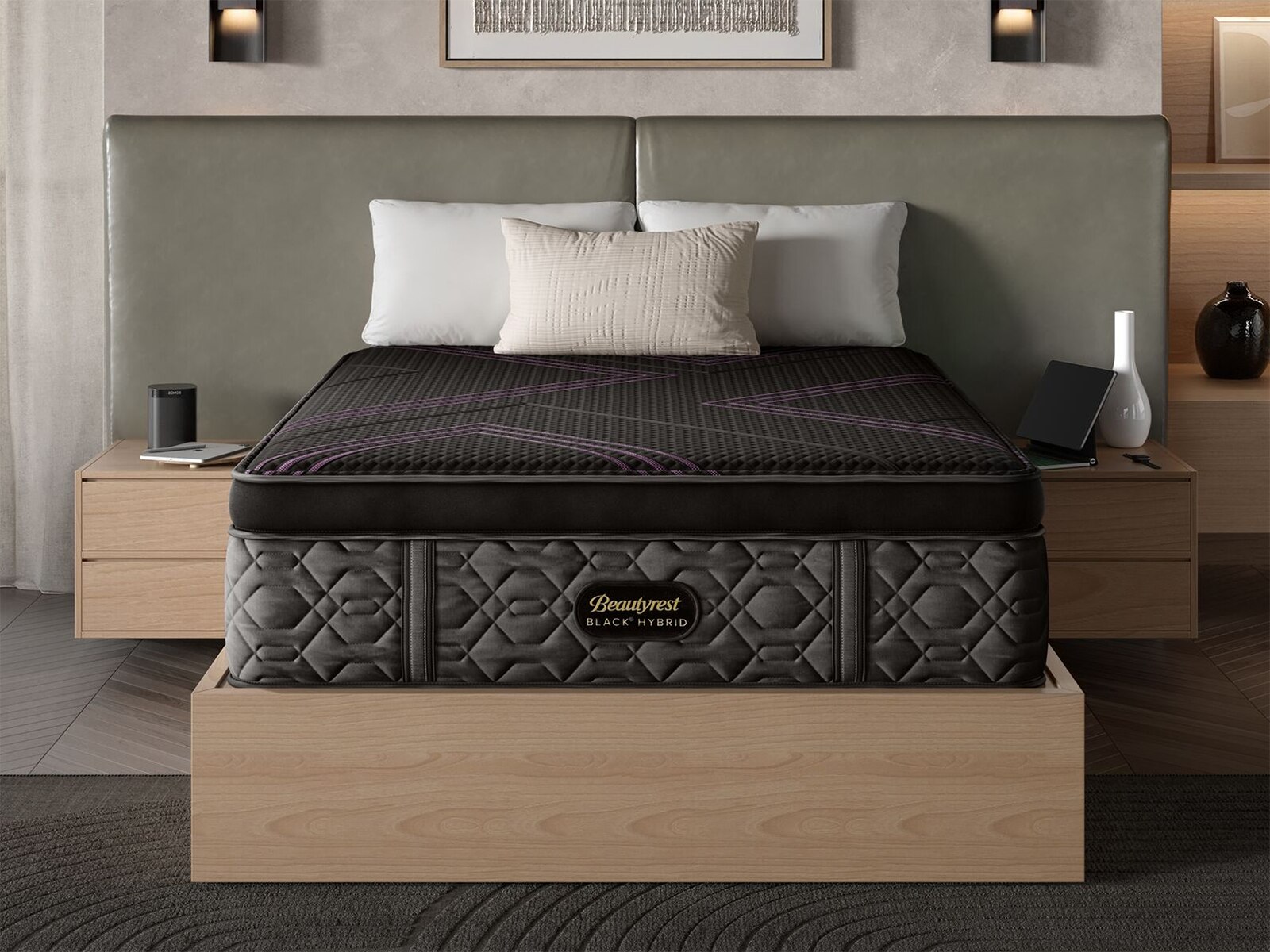
Hybrid mattresses with cooling and pressure relief combine cushioning comfort layers with a coil support system to help balance body contouring, airflow and ease of movement. The upper layers may include memory foam, latex or other cushioning foams that distribute body weight across the surface rather than concentrating it at the shoulders and hips. Beneath those layers, coils provide support and leave room for air to circulate through the mattress interior. Individually wrapped coils can also respond more independently to movement, helping limit how much a position change travels across the bed. For someone who feels pressure at the hip when lying on their side but dislikes sinking deeply into foam, this combination can offer a cushioned surface with a more buoyant foundation. Cooling features vary by construction. A breathable cover allows air and moisture vapor to pass through, while moisture-wicking fibers help move perspiration away from the sleep surface. Some mattresses include phase-change materials designed to absorb and release heat within a particular temperature range. Others use gel, copper or graphite within foam as part of a design intended to manage heat buildup. These materials do not make every mattress feel the same, and a cool-to-the-touch cover does not necessarily indicate how the entire bed will feel after several hours. The thickness and arrangement of the comfort layers, the cover fabric and the space around the coils all contribute to the overall experience. A deeply cushioning surface may cradle more of the body, while a shallower, more responsive surface may make turning over easier. Neither feel is automatically better for pressure relief. The useful distinction is whether the mattress cushions prominent areas without letting the heavier parts of the body settle too far. Together, cooling and pressure-relieving features are intended to address two separate comfort needs: managing warmth at the sleep surface and reducing concentrated pressure where the body meets the mattress.
The right feel depends on sleeping position, body size and how much cushioning feels comfortable through a full night. Side sleepers often appreciate enough give for the shoulder and hip to settle into the surface without feeling pressed upward. Back sleepers may prefer contouring that follows the lower back while keeping the pelvis supported. Stomach sleepers generally need a surface that limits excessive sinking through the midsection, though personal preference and body proportions still matter. A mattress can feel firmer to a lighter sleeper and softer to someone who places more weight on the same comfort layers. Firmness labels are therefore a starting point rather than a universal measure of comfort. Pressure relief also does not have to mean an especially soft mattress; a firmer hybrid can still include cushioning that spreads weight comfortably. Related options include
Plush Hybrid Mattresses With Cooling Technology. Memory foam typically offers a close contour and a slower response, while latex generally feels springier and rebounds more quickly when a sleeper changes position. Zoned designs may vary support across the mattress, but the placement of those zones needs to suit the sleeper’s build and position. Couples have additional considerations beyond surface feel. Motion isolation can be helpful when one person turns frequently or gets into bed later, while supportive edges can make the usable surface feel more consistent near the perimeter. Edge performance varies, even among mattresses with reinforced borders. Size matters, too: a queen or king provides different amounts of room for two people to stretch out without crowding one another. Combination sleepers may appreciate a balance of contouring and responsiveness that makes moving from side to back feel less effortful. For a shared bed, the most comfortable choice is often one that accommodates both sleepers’ needs rather than emphasizing a single feature.
Materials, construction and everyday care influence how a cooling hybrid mattress performs over time. Foam density, layer thickness, coil design and the quality of the cover all matter, but no single specification tells the complete story. Higher-density foam is not necessarily firmer, and a taller mattress is not automatically more supportive or durable. Well-balanced construction pairs cushioning with underlying support so the surface can adapt to the body without feeling unstable. The foundation beneath the mattress is part of that system. A platform, slatted frame or adjustable base should meet the mattress manufacturer’s requirements, including any limits on spacing between slats. Compatibility with an adjustable base should be confirmed rather than assumed. Mattress height also affects practical details, from fitted-sheet pocket depth to how easily someone can sit on the edge with their feet resting on the floor. Once the mattress is in use, a properly fitted, breathable protector can help guard against spills and everyday moisture without adding an unnecessarily heavy layer above the cooling cover. Sheets, blankets and a thick topper can change the surface feel and affect how readily heat and moisture move away from the body. Follow the care label for cleaning, allow damp areas to dry thoroughly and avoid saturating foam during spot cleaning. Rotate the mattress only as directed, and do not flip a one-sided design unless its instructions specifically allow it. If the mattress arrives compressed, follow the stated setup and expansion directions before judging its finished feel. Some adjustment to a new sleep surface is normal, but persistent discomfort should not be dismissed simply as part of getting used to it. Whether the mattress is for a primary bedroom or a frequently used guest room, lasting comfort comes from matching its cushioning, support and heat-management features to the people sleeping on it.