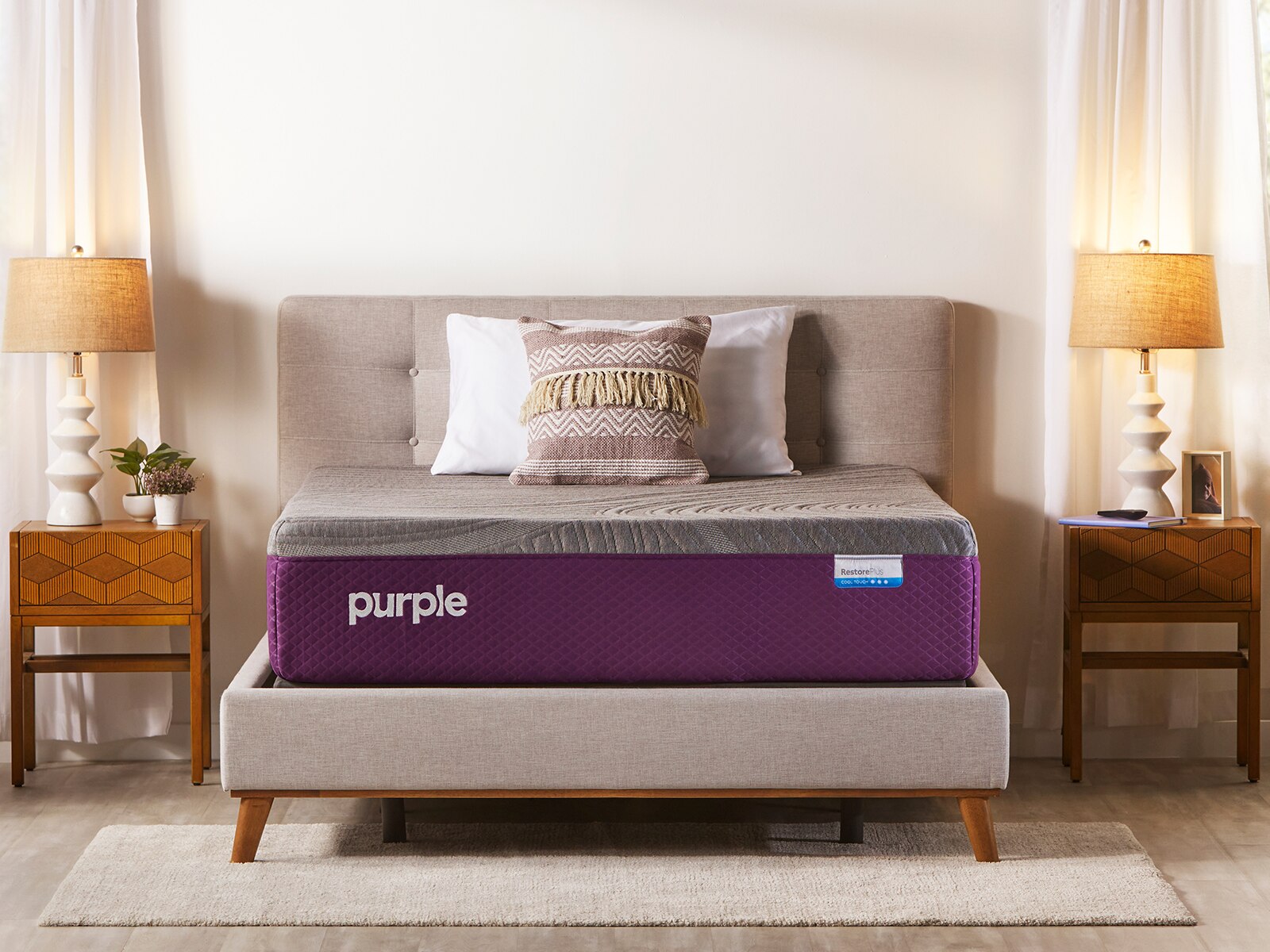
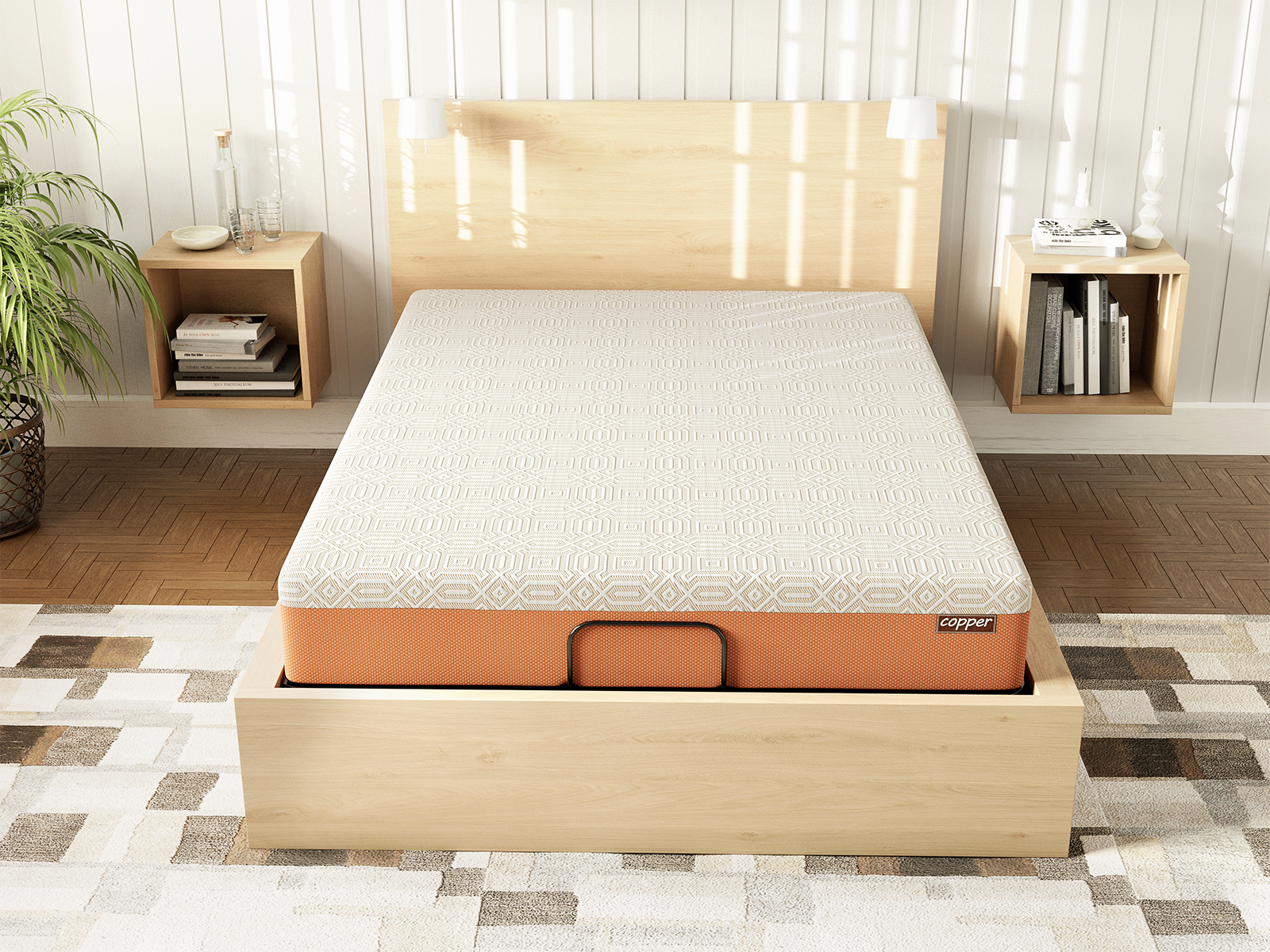
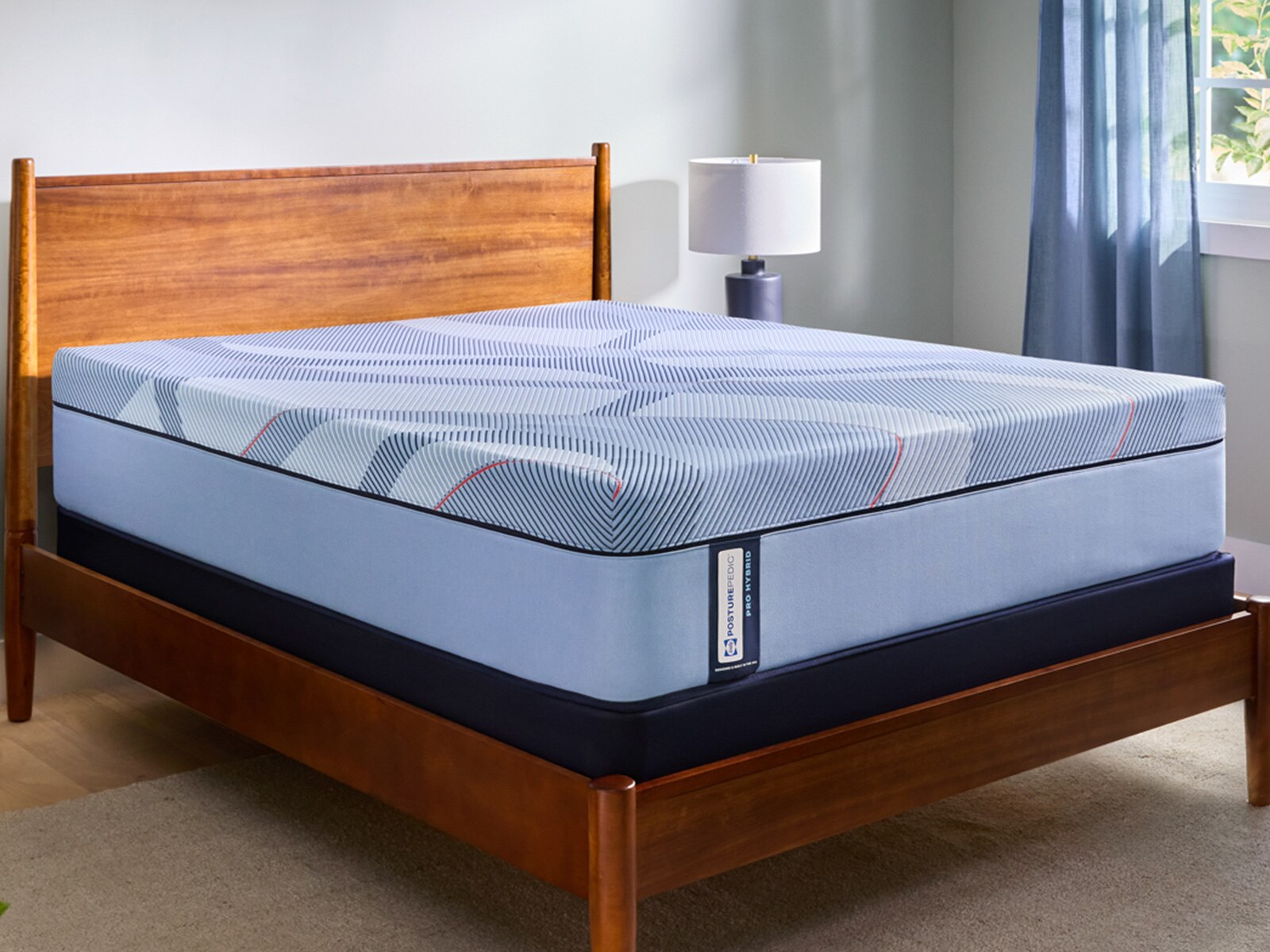
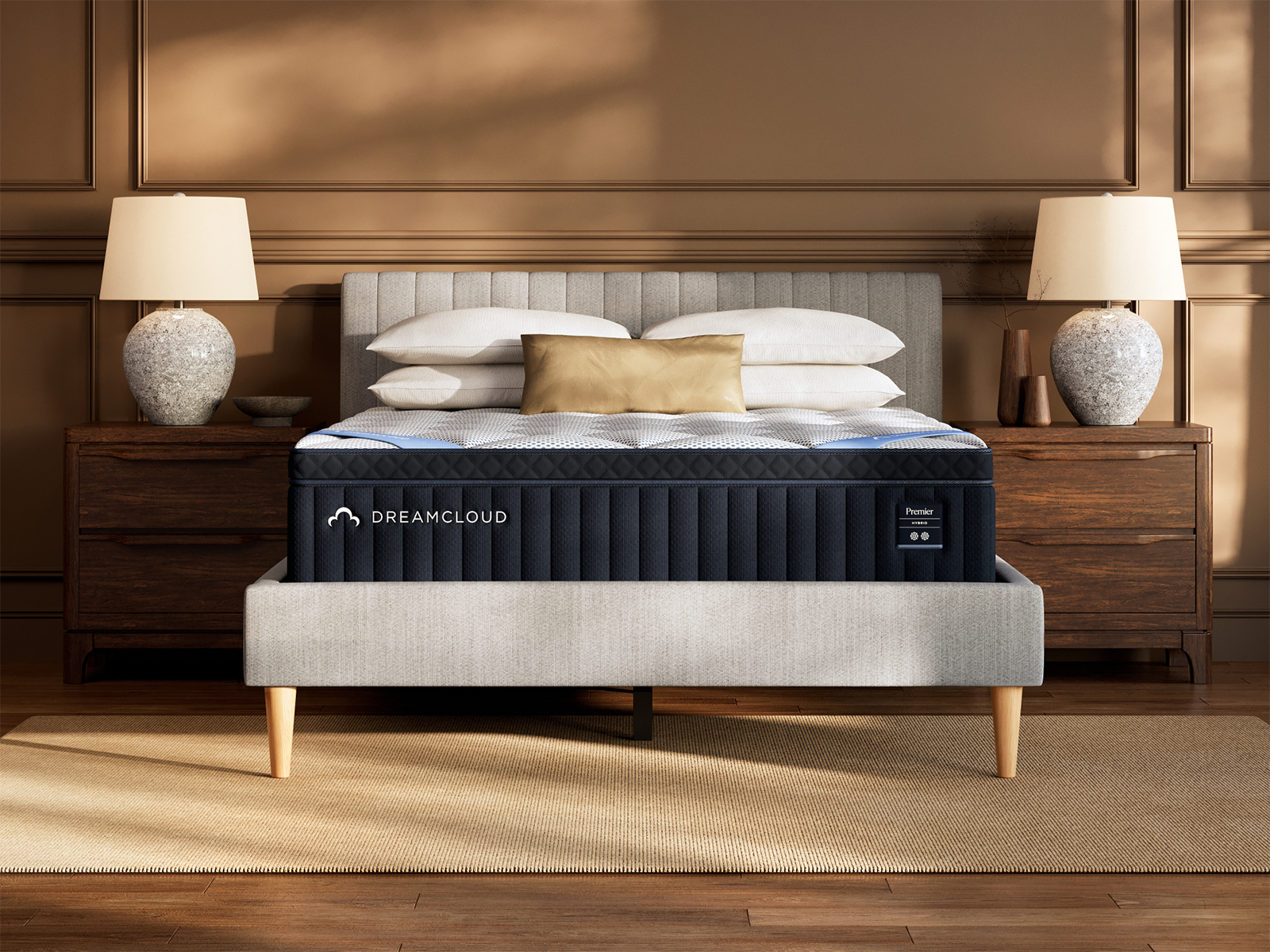
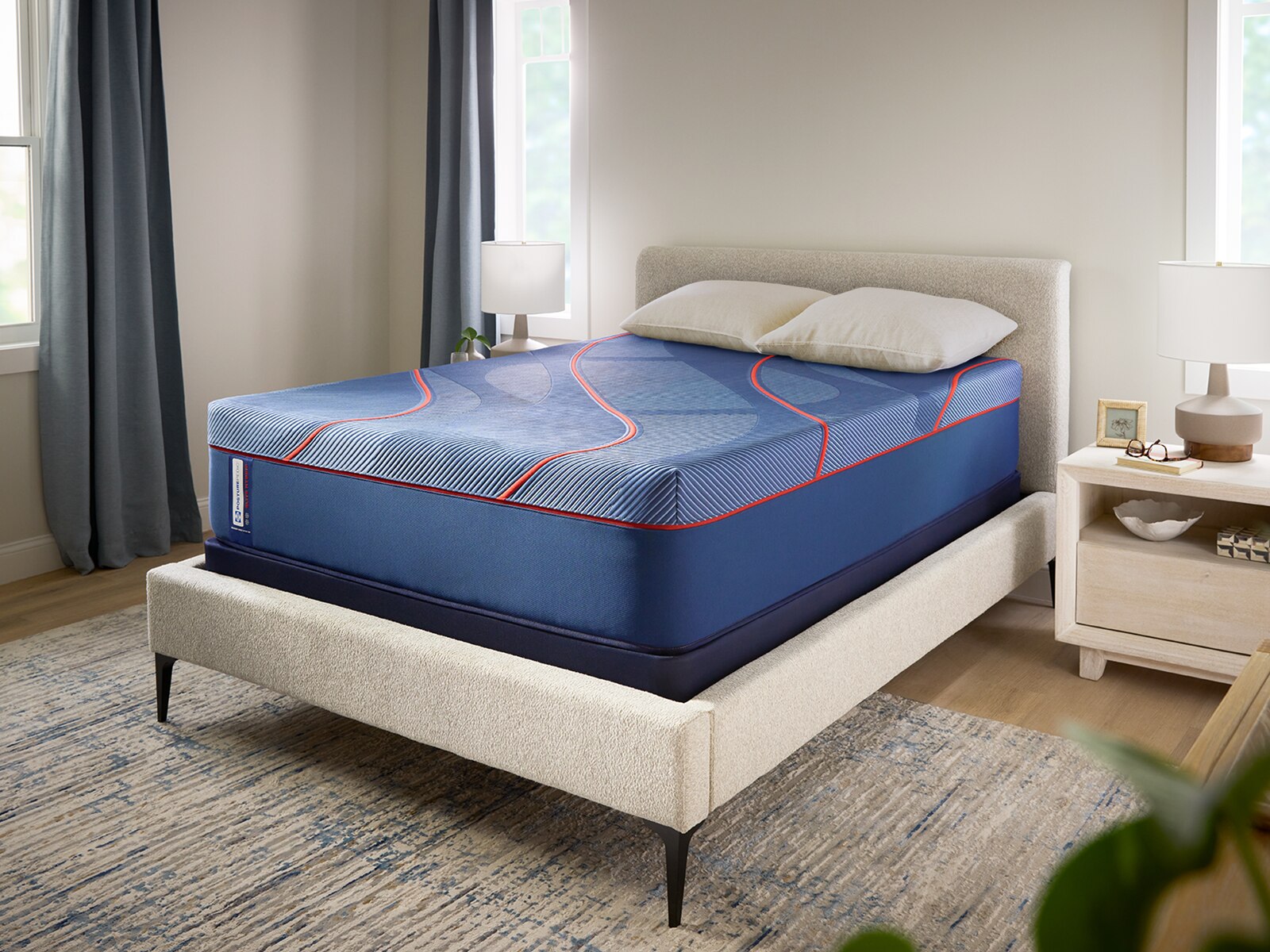
The feel of a hybrid mattress with EverCool gel memory foam depends on its overall construction. The foam cushions areas such as the shoulders and hips, while the springs provide a supportive base with more room for air to circulate than a solid foam core alone. This combination can appeal to sleepers who enjoy the gentle cradling feel of memory foam but prefer some bounce when changing positions. Foam thickness, placement and surrounding layers all influence how the finished bed feels. A thinner layer may provide subtle cushioning over a buoyant surface, while a deeper comfort section can create a more pronounced, body-hugging sensation. Some constructions use individually wrapped coils, which compress separately to respond to pressure across the sleep surface. Others may include additional cushioning, reinforced edges or covers designed to support moisture management. Cooling performance depends on the whole construction rather than the gel component alone. Gel-infused foam is intended to help manage heat within the comfort layer, but it does not actively refrigerate the bed or guarantee a consistently cool surface. The cover, foam structure, bedding and amount of body contact also affect how warm a mattress feels through the night. A sleeper who settles deeply into plush cushioning may experience that surface differently from someone who rests closer to the top of a firmer bed. Breathable sheets and a mattress protector that does not trap excessive heat can help preserve the feel of the underlying materials. For related constructions that pair cushioning with heat-management features, explore
Hybrid Mattresses With Cooling And Pressure Relief. The shared goal is a sleep surface that balances pressure relief, support and a comfortable sleep environment.
The right feel depends on how a person sleeps, how deeply the body settles and how easily the mattress responds to movement. Side sleepers often appreciate enough cushioning to let the shoulder and hip settle without leaving the waist unsupported. On a surface that feels too firm, those contact points may bear more pressure; on one that feels too soft, the body may sink farther than feels comfortable. Back sleepers commonly look for a balance between gentle contouring and steady support beneath the torso and pelvis. Stomach sleepers may prefer a firmer feel that limits excessive sinking through the midsection, although body build and personal preference matter as much as position labels. A mattress described as medium can feel noticeably softer to a heavier sleeper and firmer to a lighter sleeper, so firmness terms are best treated as a starting point rather than a universal measurement. For combination sleepers, coil responsiveness can make the transition from side to back feel less effortful, while memory foam adds cushioning as the body settles again. Partners may also value the way memory foam and individually wrapped coils can reduce the transfer of movement across the bed. That can be useful when one person turns over frequently or gets up earlier, though no construction eliminates every disturbance. Edge support is another practical consideration for couples and anyone who sits along the side while putting on socks or getting into bed. Reinforcement around the perimeter can make that area feel steadier, but its strength varies by design. During an in-person comfort test, spending time in a normal sleeping position offers a better sense of fit than briefly pressing a hand into the surface. The most useful signs are comfortable cushioning at contact points, support that feels consistent beneath the body and enough freedom of movement to change positions without feeling stuck.
Size, foundation compatibility and everyday care help determine how well a hybrid mattress fits into the bedroom over time. A twin can suit a smaller room or a single sleeper with modest space needs, while a Twin XL adds length without the width of a larger mattress. A queen is a common choice for couples and single sleepers who like room to stretch. A king provides more side-to-side space, while a California King favors extra length in a slightly narrower footprint. Bedroom dimensions, doorways, stairways and the mattress height all deserve attention, especially when a deeper hybrid sits on a tall foundation. The finished bed should be practical to get into and out of, and fitted sheets need pockets deep enough for the mattress and any added protector. A supportive base matters just as much as the visible bedding. Platform surfaces, slat spacing and adjustable-base compatibility should match the mattress manufacturer’s requirements; a foundation that flexes or leaves unsupported gaps can affect comfort and long-term performance. Hybrids are often substantial to lift, so handles, delivery access and help with repositioning are worth considering. For a primary bedroom, the priority may be nightly comfort tailored to one person or a couple. In a guest room, a balanced feel can accommodate a wider range of preferences, although no single firmness suits everyone. If a mattress is intended as a gift, involving the recipient in the comfort choice makes the gesture more personal and practical. A washable protector helps shield the surface from spills and everyday buildup. Follow the care label for spot cleaning, avoid saturating the foam and let cleaned areas dry fully before replacing bedding. Rotate only as directed, and do not flip a mattress unless its construction is specifically designed for both sides. Foam density, coil design, material quality and consistent support all contribute to durability; gel infusion alone does not establish how long a mattress will maintain its feel. Over time, dependable support and cushioning that still feels comfortable matter more than any single feature name.