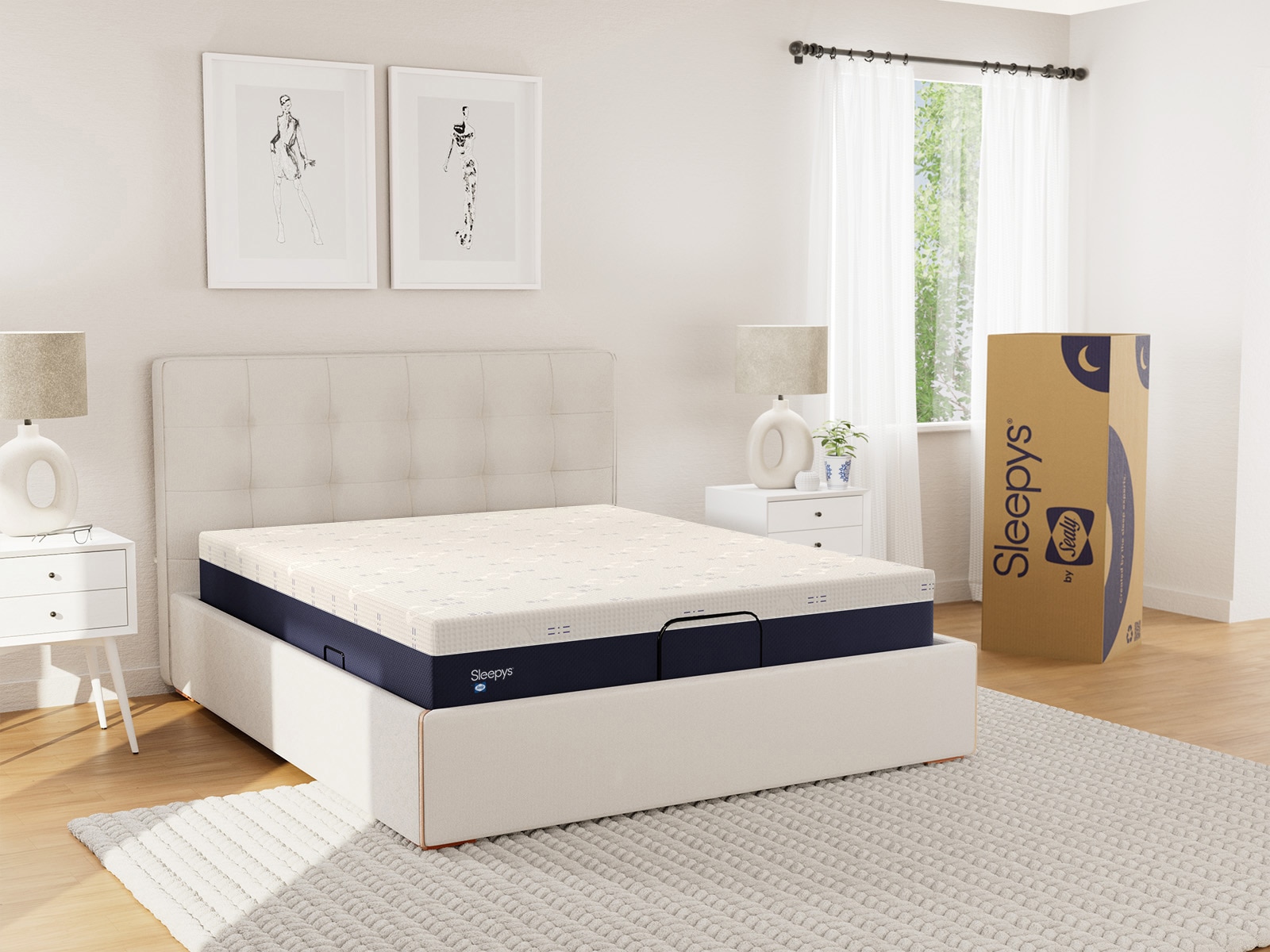
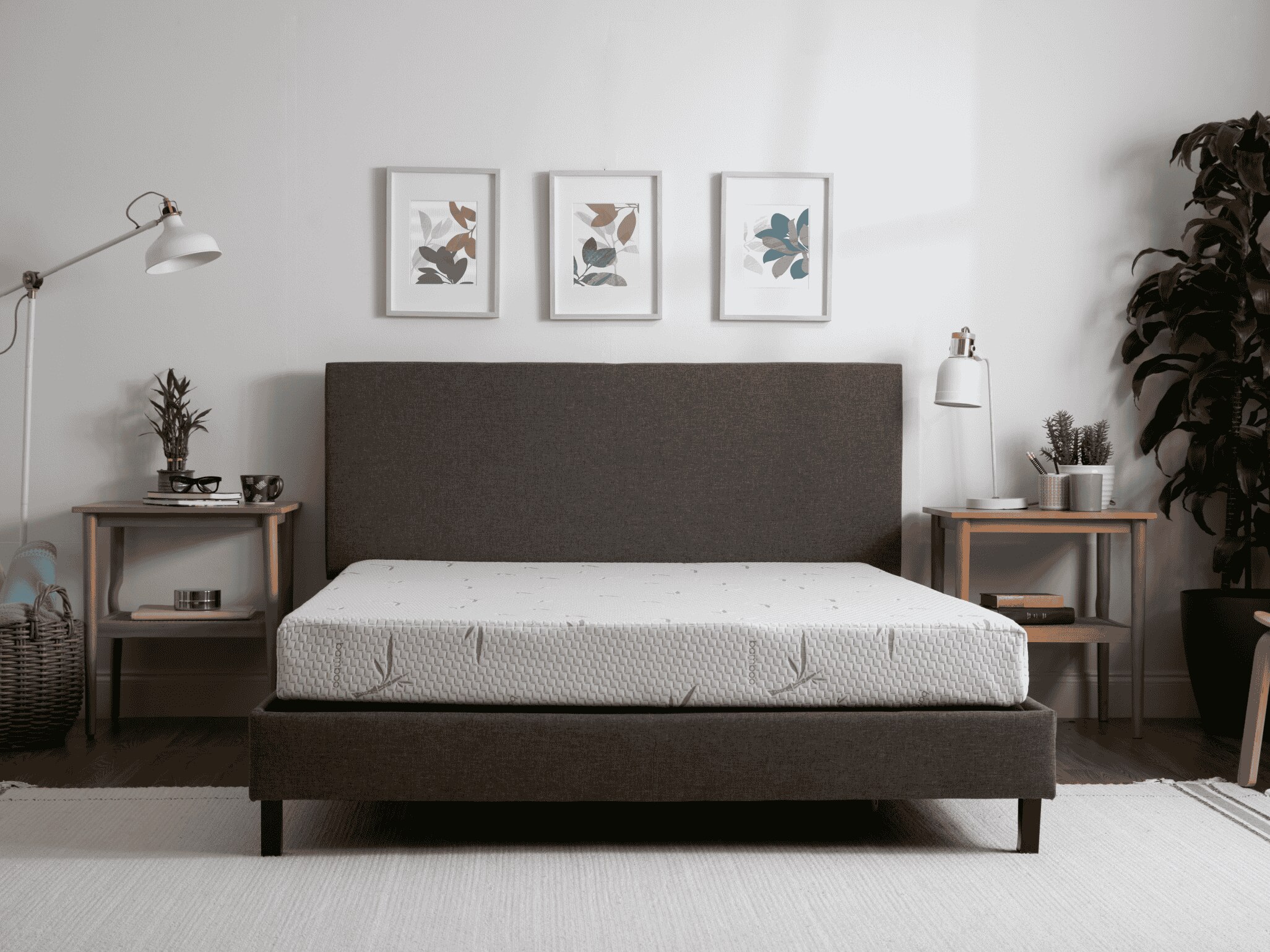
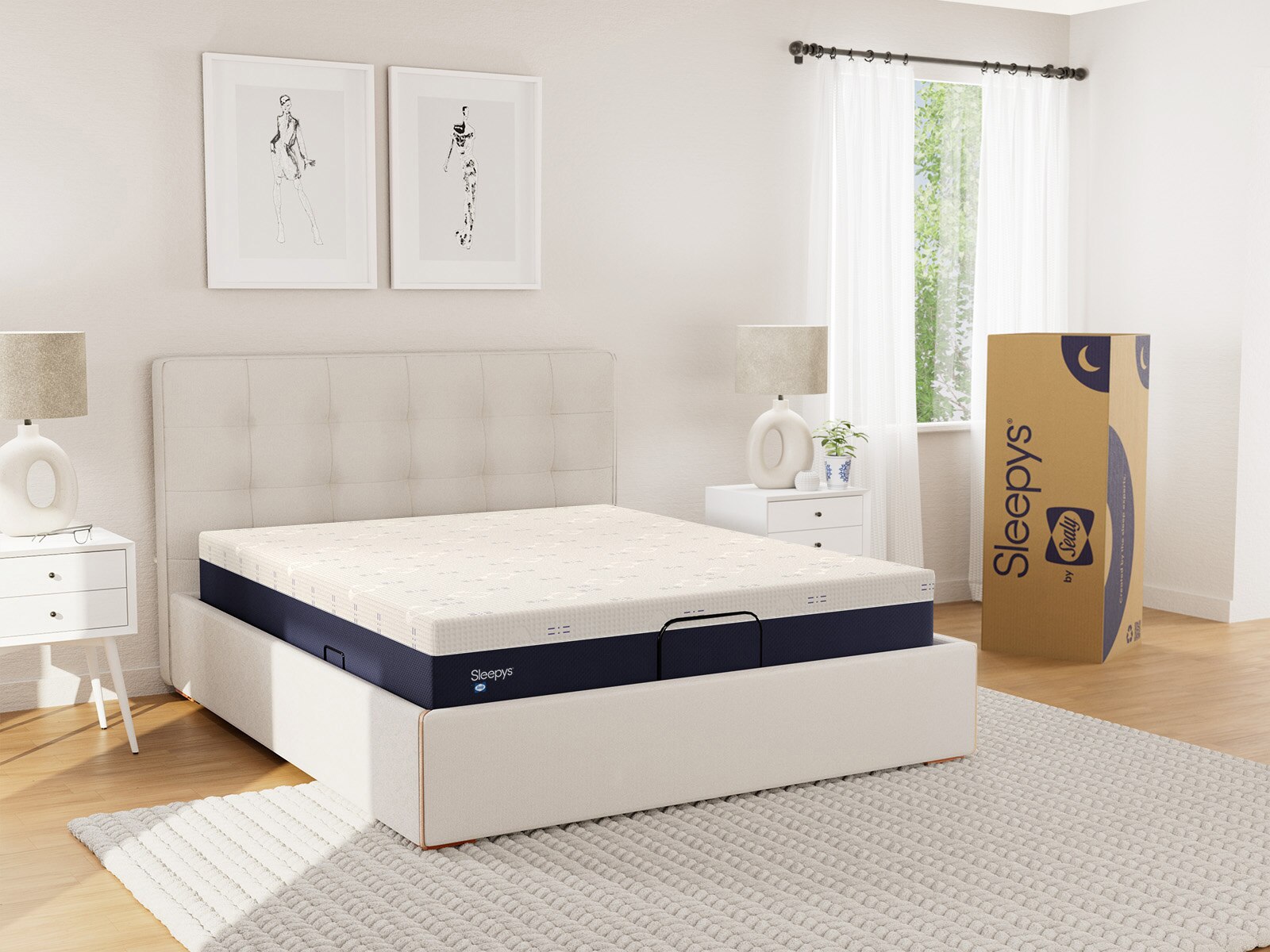
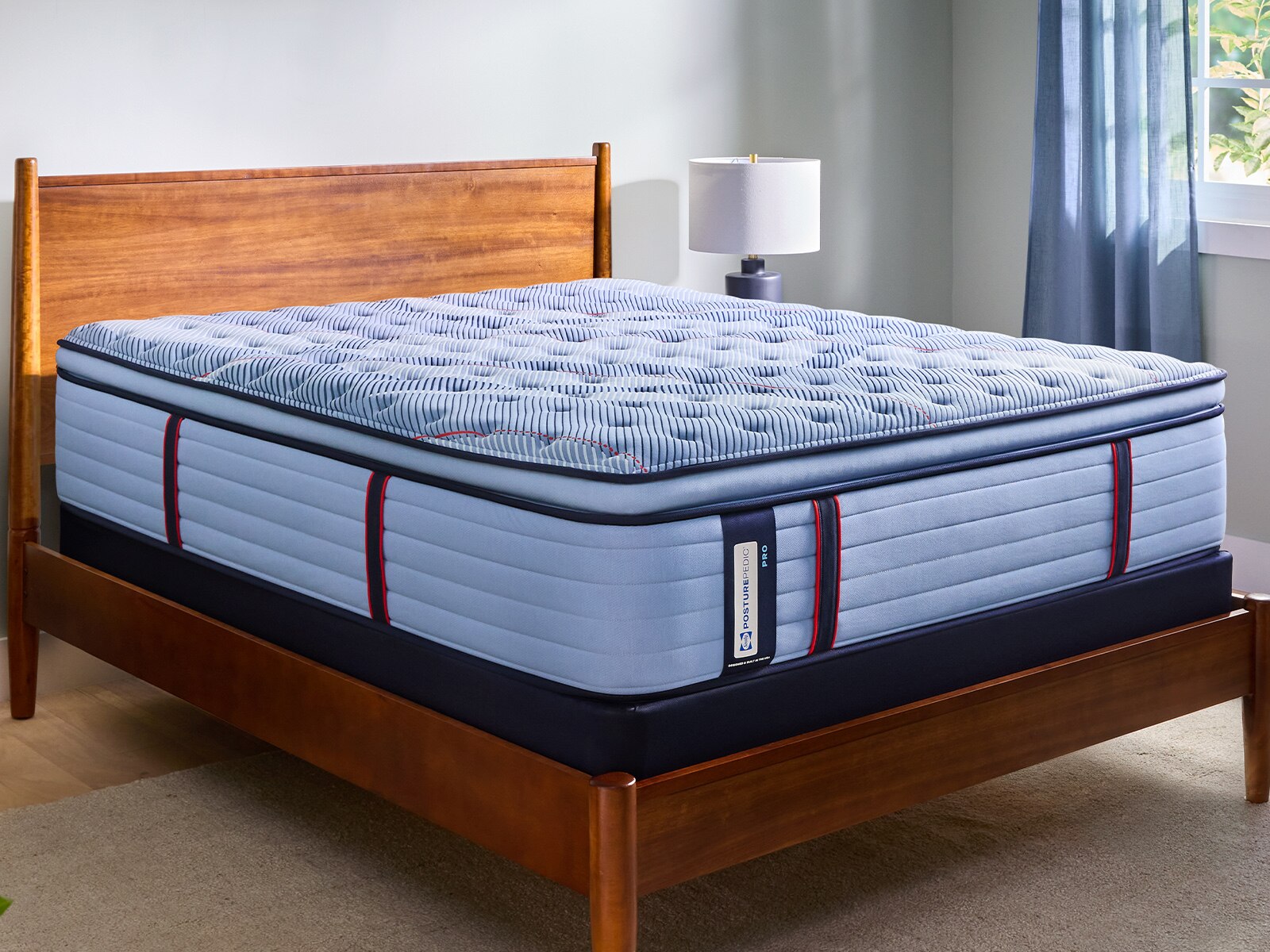
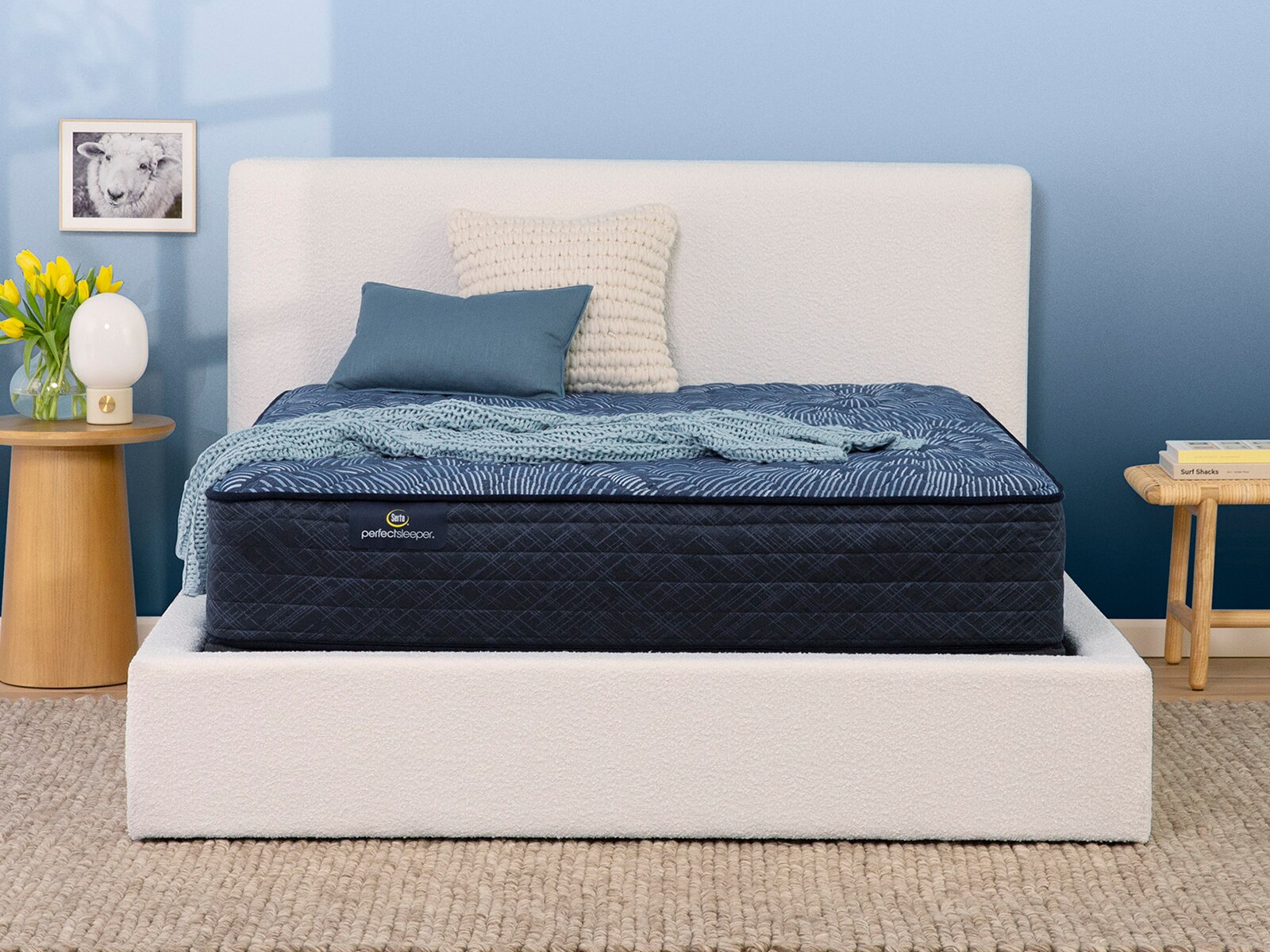
Independent foam mattresses can provide a cushioned, contouring sleep surface, with the exact feel depending on the foam types, layer thicknesses and underlying support. A typical all-foam mattress uses a supportive foam core beneath one or more comfort layers, rather than relying on an innerspring unit. The upper layers influence the first impression when lying down, while the deeper layers help support the body throughout the night. Memory foam generally responds to pressure with a gradual contour, creating a close-fitting feel around areas such as the shoulders and hips. Other cushioning foams can feel more buoyant and recover their shape more quickly when a sleeper changes position. Neither sensation is automatically better; the distinction matters most when someone prefers either settling into a mattress or resting closer to its surface. A person who reads in bed before turning onto their side may appreciate gentle cushioning without a deeply cradled feel. Someone who tends to stay in one position may enjoy a more pronounced contour. Foam construction can also help limit how much movement travels across the mattress, which may be useful when partners have different bedtimes or one person frequently shifts position. That benefit varies by construction and does not mean every movement will disappear. Breathable covers, open-cell foam structures and other design features may affect airflow, but a single material claim cannot describe the performance of an entire mattress. The cover, comfort layers, support core and bedding all contribute to the sleeping experience. Foam density and firmness are also different characteristics: density describes the amount of material within a given volume, while firmness describes resistance to pressure. A dense foam is not necessarily firm, and a soft surface does not necessarily lack support. Taken together, these details offer a clearer picture of a mattress than a comfort label alone.
The right fit depends on how a mattress cushions the body while maintaining comfortable support in a person’s usual sleeping position. Side sleepers often appreciate enough give for the shoulders and hips to settle without feeling pressed against a rigid surface. Back sleepers may prefer a balance that cushions the lower back while keeping the pelvis from sinking too deeply. Stomach sleepers often benefit from a more resistant surface beneath the midsection, though body proportions and personal preference remain important. For someone who changes positions throughout the night, ease of movement can be just as meaningful as the initial softness. A slow-responding surface may feel wonderfully enveloping to one person and restrictive to another. Body weight also changes how deeply the comfort layers compress, so the same mattress can feel noticeably different to two people. When sharing a bed, both sleepers’ needs deserve attention, including space to turn over, movement transfer and the feel near the perimeter. Edge support varies among foam constructions and matters when sitting to put on socks or sleeping close to the side. Mattress dimensions should suit both the sleepers and the room, leaving practical clearance around doors, drawers and bedside furniture. A twin may suit a smaller bedroom, while a Twin XL adds length without increasing width. Queen, king and California King sizes accommodate different preferences for shared space and room layout. Mattress height deserves consideration as well, particularly when paired with a tall frame or used by someone who prefers an easier transition into and out of bed. A compatible foundation is equally important: closely spaced slats, a suitable platform or another approved support system helps the mattress perform as intended. Compatibility with an adjustable base should be confirmed in the mattress specifications rather than assumed from its flexibility. For a guest room or a gift marking a move into a new home, the recipient’s preferred feel, bed dimensions and foundation requirements matter more than choosing a broadly popular firmness.
Everyday care helps preserve the comfort and condition of a foam mattress without requiring an elaborate routine. A well-fitting mattress protector adds a removable barrier against spills and everyday moisture, while sheets with the appropriate pocket depth stay more securely around the corners. Breathable bedding can complement the mattress rather than adding unnecessary bulk over its comfort layers. Cleaning requirements depend on the cover and construction; a zippered cover is not automatically removable or machine washable. The care label should determine whether a surface can be spot cleaned, vacuumed gently or treated in another specified way. Keeping excess water out of the foam is important because moisture can be difficult to remove from deeper layers. A mattress should be fully dry before it is covered again. Rotation may help distribute routine wear when the manufacturer recommends it, but many layered foam mattresses are designed with a distinct top and bottom and should not be flipped. Durability depends on several factors, including material quality, foam density, construction, sleeper weight and the support underneath. Mattress thickness alone is not a reliable measure of longevity, and a particularly plush surface does not establish how well the deeper layers will hold up. Over time, a lasting change in support, persistent impressions or a noticeable decline in comfort can signal that a mattress needs closer attention. During setup or a move, foam mattresses also benefit from careful handling that follows the manufacturer’s instructions, especially around bending, carrying and allowing a compressed mattress to expand. The related
Dynamic Foam Mattresses collection provides another category to explore, with construction details offering a more useful basis for comparison than category names alone. Across independent foam mattresses, the most meaningful features are those that suit everyday use: comfortable cushioning, dependable support, manageable care and enough room to settle into a natural sleeping position.