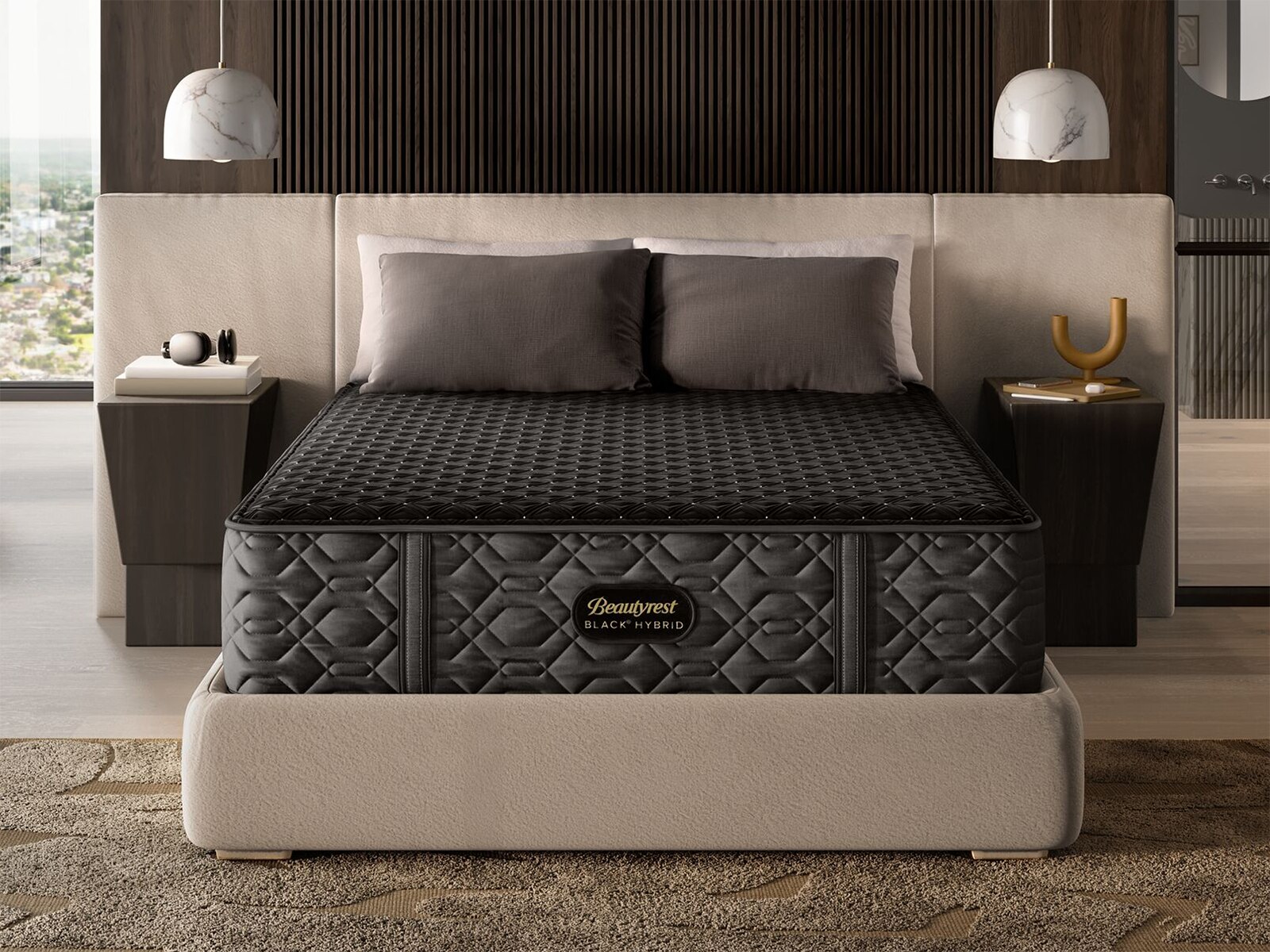
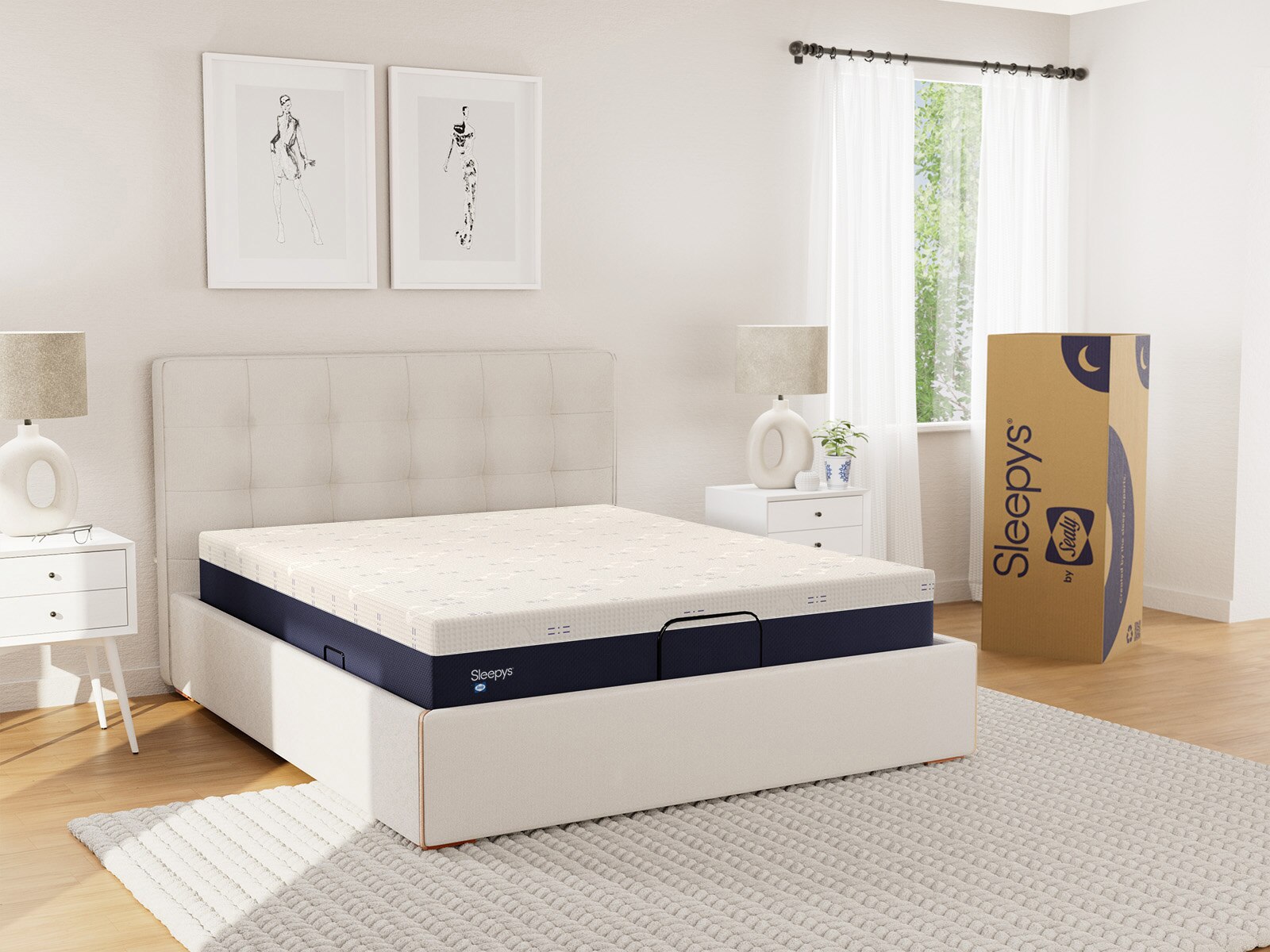
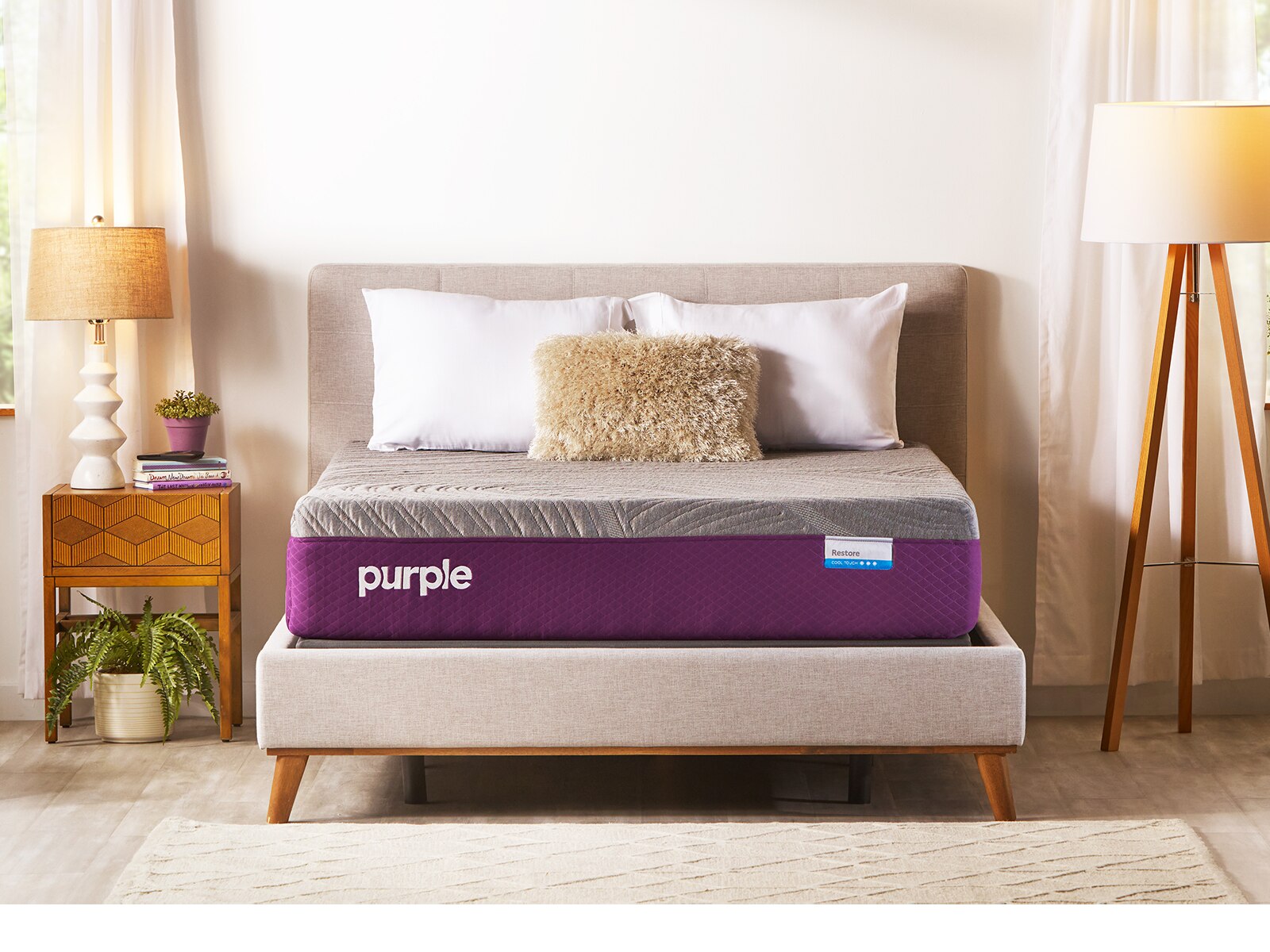
Independently responsive mattresses are designed to adjust to pressure in specific areas of the sleep surface rather than move as one interconnected unit. This localized response helps the mattress contour beneath the shoulders and hips while supporting the rest of the body. Individually wrapped coils, also called pocketed coils, are a common way to create this effect: each spring sits inside a fabric pocket that allows it to compress with less direct influence on neighboring springs. Comfort layers above the coils add cushioning and shape how that support feels against the body. Certain foam and latex constructions also contour around individual pressure points, although their response depends on the material, thickness and arrangement of the layers. The practical benefit is a surface that can accommodate different body shapes and movements across the bed. For someone sharing a mattress, that may mean less disturbance when a partner rolls over or gets up before the alarm. Independent response and motion isolation are related, but they are not identical. Responsiveness describes how readily a mattress adjusts to movement and recovers its shape; motion isolation describes how well it limits movement traveling across the surface. A mattress can feel buoyant and easy to move on while still allowing some motion to reach the other side. Pocketed coils generally transfer less movement than directly connected spring systems, but the upholstery, coil design and overall construction also matter. Latex typically recovers quickly after pressure is removed, while many memory foams settle more gradually around the body. Neither sensation is universally better. A quick rebound can make rolling from side to back feel easier, while a slower contour can appeal to someone who prefers a more enveloping surface. Because the layers work together, no mattress component operates in complete isolation. The finished mattress, rather than a single material or feature, determines the balance of contouring, support and movement.
The right feel depends on how a person sleeps, how their weight is distributed and whether the bed is shared. Side sleepers often need enough cushioning for the shoulder and hip to settle without leaving the waist unsupported. Back sleepers generally benefit from a surface that follows the lower back while keeping the pelvis from sinking too deeply. Stomach sleepers usually need a firmer, more supportive feel beneath the midsection to help limit excessive arching. These are starting points, not fixed rules: two people who sleep in the same position can prefer very different mattresses. Body weight changes how deeply a person engages the comfort layers, so the same mattress may feel firmer to a lighter sleeper and softer to someone with a heavier build. Independent responsiveness can be useful for partners with different body shapes because each side can compress differently under the person resting there. It does not, however, mean that a shared mattress automatically provides two separate firmness settings. A couple may still need to find a comfortable middle ground or consider separate sleep surfaces where the bed setup permits. The distinction between support and firmness also matters. Firmness is the initial sensation of softness or resistance, while support is the mattress’s ability to hold the body in a comfortable, relatively neutral position. A cushioned surface can still provide substantial underlying support. For combination sleepers, the ease of turning over deserves as much attention as the first impression when lying down. Someone who sits along the edge to put on socks may also appreciate a stable perimeter, though edge reinforcement varies by construction. Mattress dimensions affect everyday comfort as well: enough room to stretch out can help partners avoid crowding each other, even when motion transfer is limited. For a closer look at cushioning built around foam,
Independent Foam Mattresses offers a related category to explore. Across these constructions, the goal is a comfortable balance between pressure relief, freedom of movement and dependable support.
Materials and construction influence how independently responsive mattresses feel over time, not just during the first few nights. In a hybrid mattress, the coil system supplies much of the underlying support while foam, latex or fiber layers shape the surface feel. Thicker cushioning can soften the sensation of the springs, but thickness alone does not establish quality or durability. Foam density, material quality, coil design and the way the layers are assembled all contribute to long-term performance. Coil count by itself is not a reliable measure of comfort, either, especially when comparing different mattress sizes or spring designs. Everyday care helps preserve the intended feel. A properly fitted mattress protector can keep spills and everyday moisture away from the comfort layers, and following its washing instructions helps maintain a clean sleep surface. The mattress itself should be cleaned only as directed by the manufacturer; saturating upholstery or foam can leave moisture trapped inside. Rotation may help distribute wear when the manufacturer recommends it, especially when one person consistently sleeps in the same spot. Flipping is appropriate only for mattresses specifically designed to be used on both sides. The foundation is equally important because even a well-constructed mattress needs the right support underneath. Slat spacing, center support and compatibility with an adjustable base should follow the mattress manufacturer’s requirements. An uneven or unsuitable base can change the feel of the bed and contribute to premature wear. During regular sheet changes, checking for persistent impressions, uneven areas or changes in support can make developing issues easier to notice. Independently responsive designs can suit a primary bedroom, a shared bed or a guest room where visitors have different sleep preferences. For a mattress intended as a gift, the recipient’s preferred feel, sleeping position and existing bed setup matter more than the surprise. The most useful choice is one that fits the sleeper’s daily habits and remains comfortable through ordinary nights of turning, stretching and settling into a favorite position.