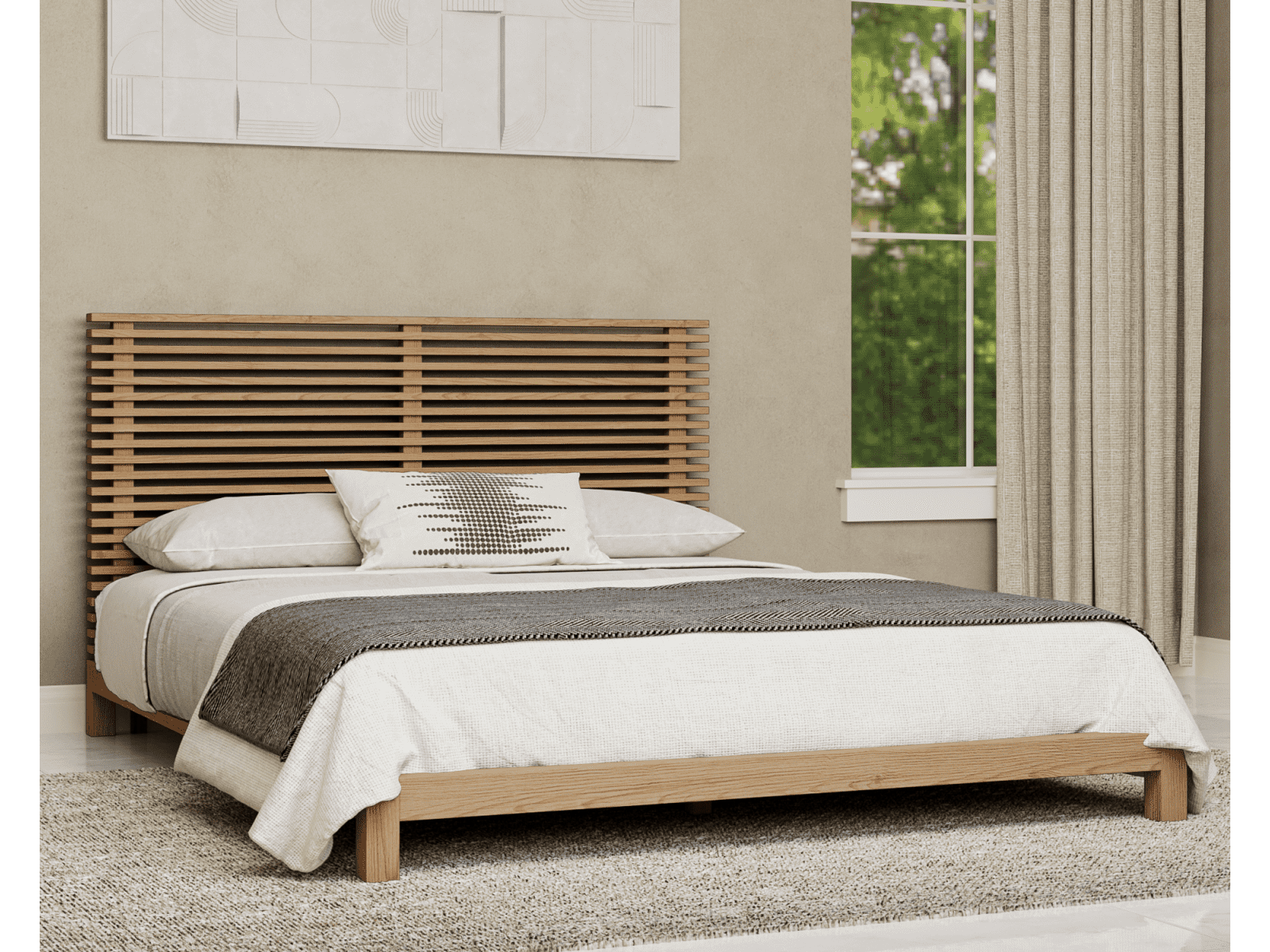
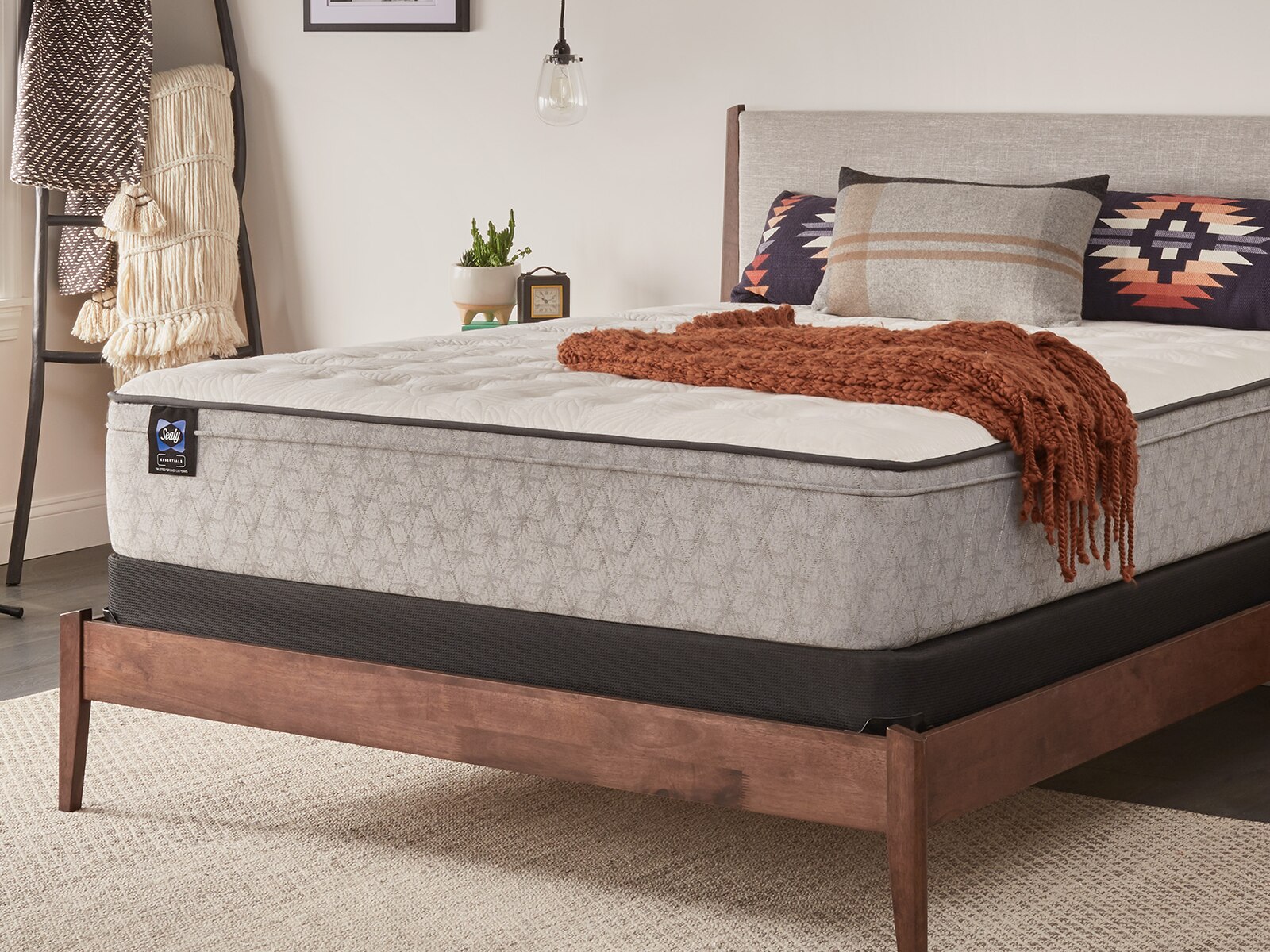
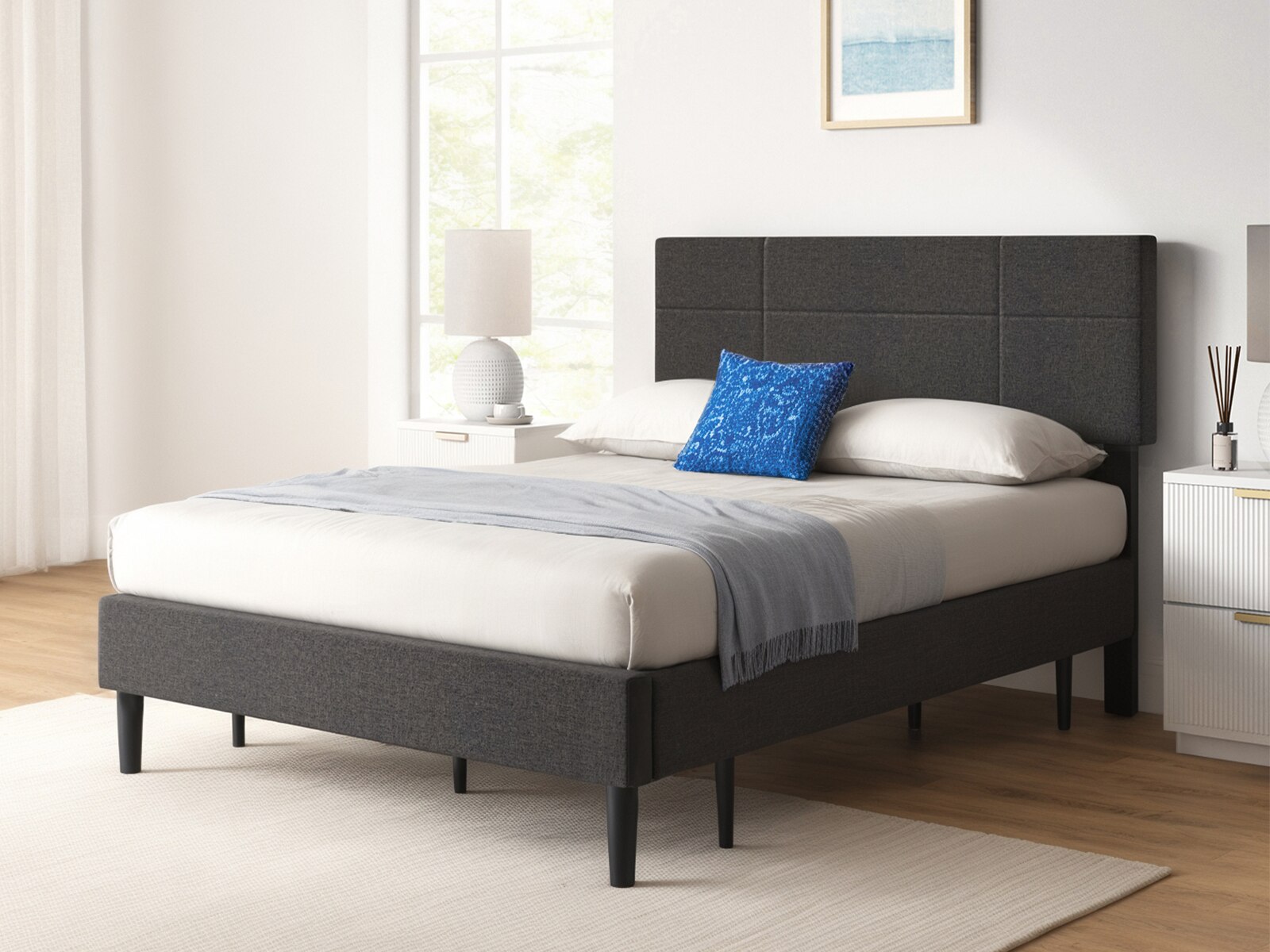
A European king size bed often refers to a mattress measuring 160 × 200 centimeters, approximately 63 × 79 inches, but the name is not standardized across Europe. Some European manufacturers use king terminology for a wider 180 × 200-centimeter mattress, so the listed dimensions matter more than the size name alone. For comparison, a standard U.S.
king sized bed measures 76 × 80 inches, while a UK king measures 150 × 200 centimeters, approximately 59 × 79 inches. These differences affect everything from the bed frame to the fitted sheet. A mattress described as European king should not be assumed to fit a U.S. king frame, and a European-inspired bed design does not necessarily use European mattress dimensions. The distinction is useful when furnishing a bedroom with streamlined upholstery, a low-profile platform or other details associated with European furniture design. Style describes how the bed looks; dimensions determine what fits. Before choosing a mattress and frame, compare the mattress width and length with the frame’s intended mattress size, then check the frame’s overall footprint separately. A broad upholstered headboard, thick side rails or an extended platform can take up considerably more space than the mattress itself. In a shared bedroom, a 160-centimeter-wide mattress can provide room for two sleepers while occupying less floor space than a U.S. king, though comfort depends on each person’s preferred sleeping position and need for personal space. Someone who stretches out or shares the bed with a restless partner may prefer additional width. Taller sleepers should pay particular attention to length rather than assuming every king designation means a longer surface. Measuring the room with nightstands, open drawers and door swings in mind helps establish whether the bed leaves comfortable walking space. Checking stairways, elevator dimensions and bedroom entrances is equally important, especially when a frame includes a large headboard or components that cannot be separated.
Construction matters just as much as measurements when choosing a European king size bed setup. A bed frame should provide stable support for the intended mattress, with the right combination of slats, center supports and legs for its width and weight. For a platform design, slat spacing should meet the mattress manufacturer’s requirements; a frame that looks substantial can still be unsuitable if its support system leaves gaps that are too wide. Some beds require a separate foundation, while others are designed to support a mattress directly, so adding an extra layer without checking the specifications can create unnecessary height or an incompatible setup. The finished height deserves attention, particularly for anyone who finds a very low bed difficult to get into or out of. Consider the frame, foundation and mattress together rather than judging any one component in isolation. Wood frames bring visible grain and a furniture-like presence, while metal frames can create a lighter visual outline. Upholstered frames add a softer surface around the headboard and rails, although fabric texture, seam placement and cleaning requirements vary. Durable construction depends on more than the material name: secure joints, appropriate hardware and adequate center support all contribute to stability over time. Mattress comfort is a separate decision from frame style. Foam can offer close contouring, latex often has a more responsive feel, and spring or hybrid construction can provide buoyant support with varying amounts of cushioning. Side sleepers may appreciate pressure relief around the shoulders and hips, while back and stomach sleepers often need a surface that keeps heavier areas from sinking excessively. These are starting points rather than fixed rules, since body size and comfort preferences also matter. For couples, motion isolation and usable edge support can be especially noticeable in everyday use. Sitting along the edge to put on socks or changing position beside a sleeping partner reveals practical differences that appearance alone cannot show.
Bedding for a European king size bed needs the same dimension-first approach. A fitted sheet labeled king in the United States is generally intended for a wider mattress than a 160 × 200-centimeter European king, which can leave loose fabric and corners that do not stay neatly in place. Choosing a smaller U.S. size is not a dependable substitute either, because width and length must both match. Check the fitted sheet’s stated measurements and pocket depth, allowing for the full height of the mattress and any topper used with it. A mattress protector also needs an appropriate fit so it can lie smoothly without pulling at the corners. Flat sheets, blankets and comforters offer more flexibility, but their finished dimensions still determine how much fabric hangs over each side. A comforter pictured with a generous drape may look much shorter on a taller mattress or a wider frame. Duvet covers should be matched to the insert’s actual measurements rather than selected by a regional size label alone. Cotton percale can provide a crisp, matte feel, cotton sateen tends to feel smoother, and linen has a textured appearance that suits a relaxed bedroom. Fabric choice is personal, but clear care instructions help make the setup practical for regular use. Wash sheets and removable covers according to their labels, check whether larger bedding fits the household washer, and allow everything to dry completely before remaking the bed. Upholstered surfaces benefit from gentle vacuuming and prompt attention to spills using the recommended cleaning method. Wood and metal frames need care suited to their finishes, along with occasional checks for loose hardware. Rotate a mattress only as its manufacturer recommends, and do not assume it should be flipped. For a primary bedroom, a guest room used by couples or a shared home being furnished together, a well-matched European king setup balances sleeping space with room to move. Accurate measurements, compatible support and easy-care bedding make that balance easier to maintain long after the room is arranged.