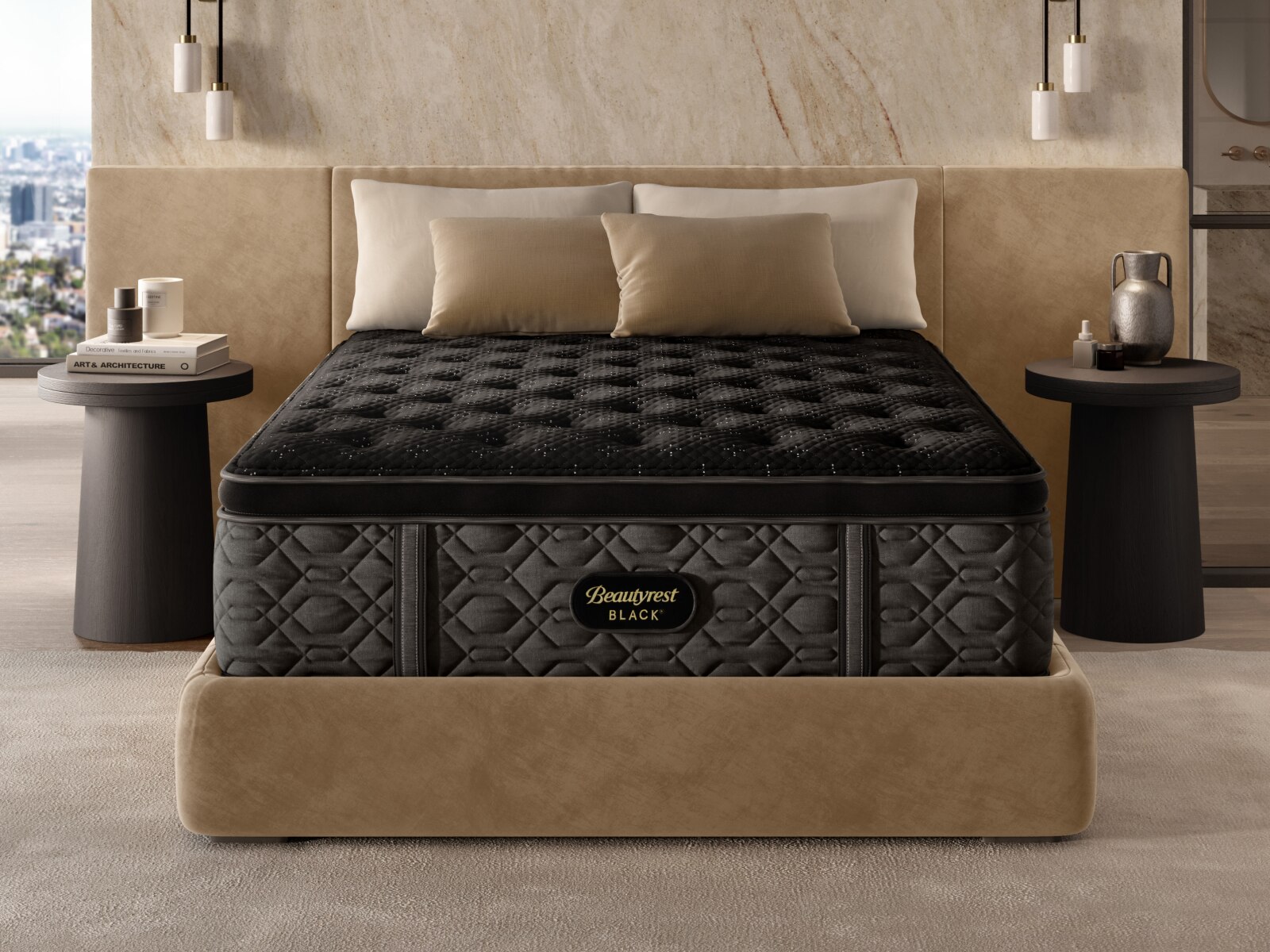
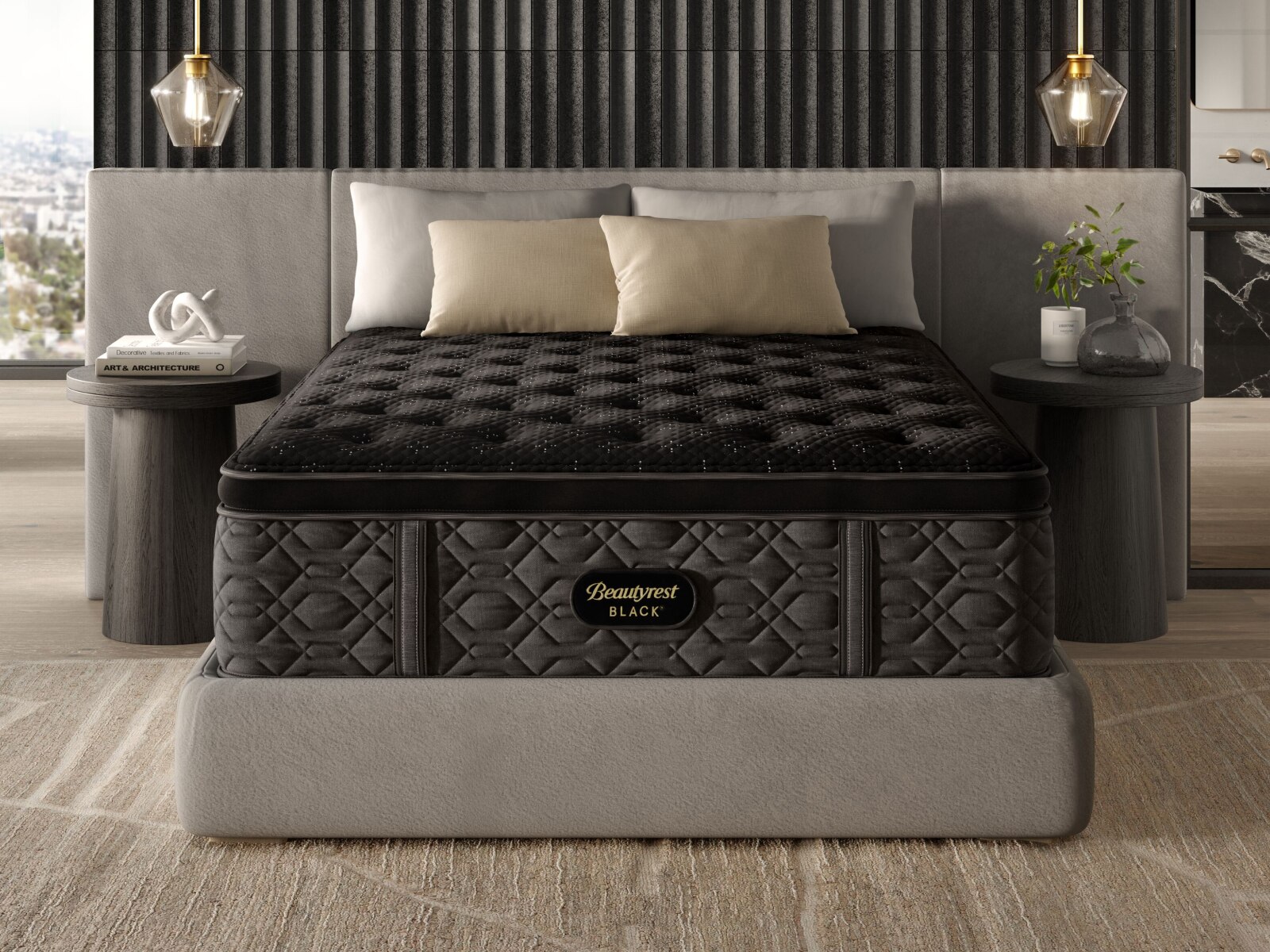
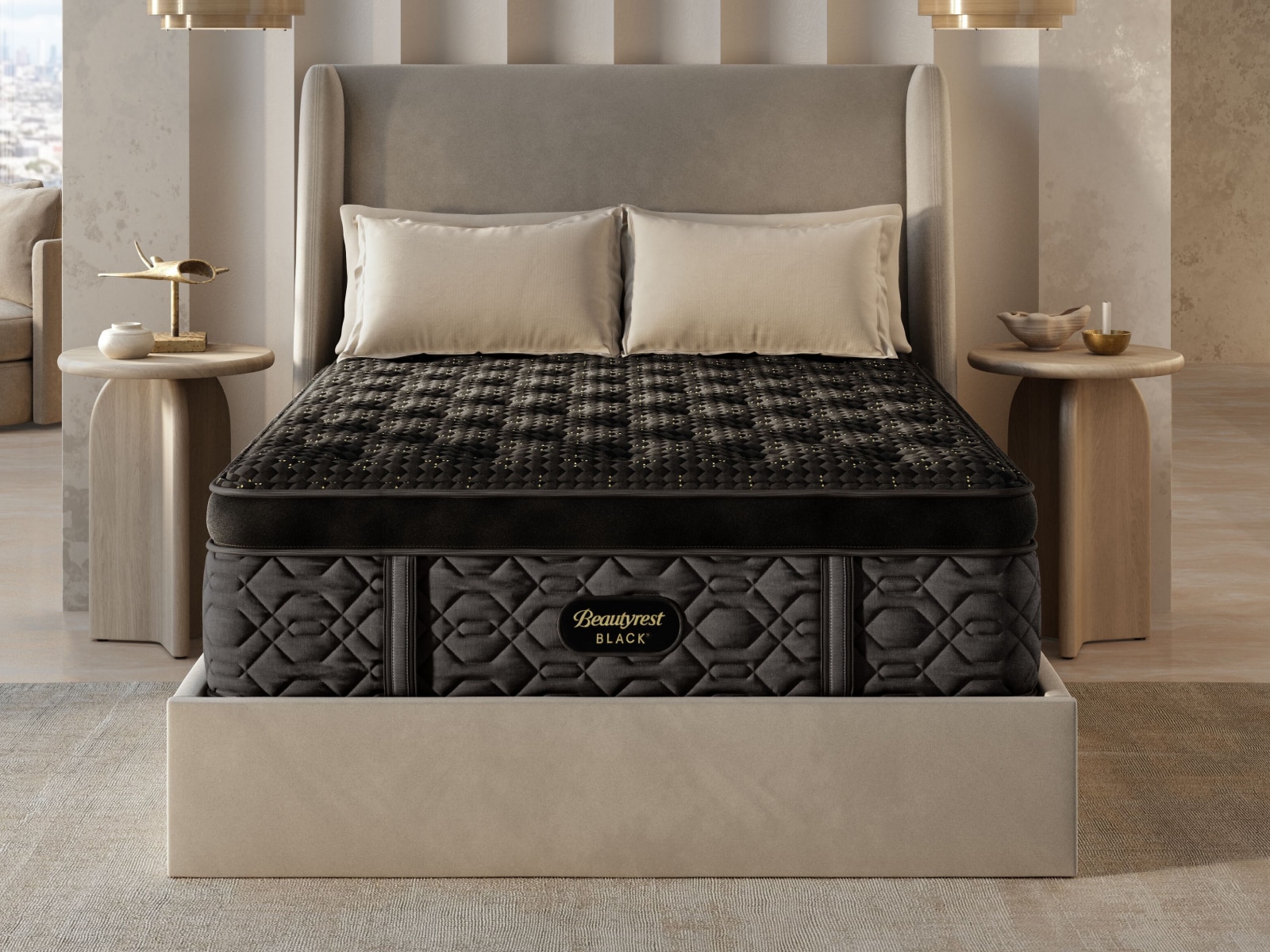
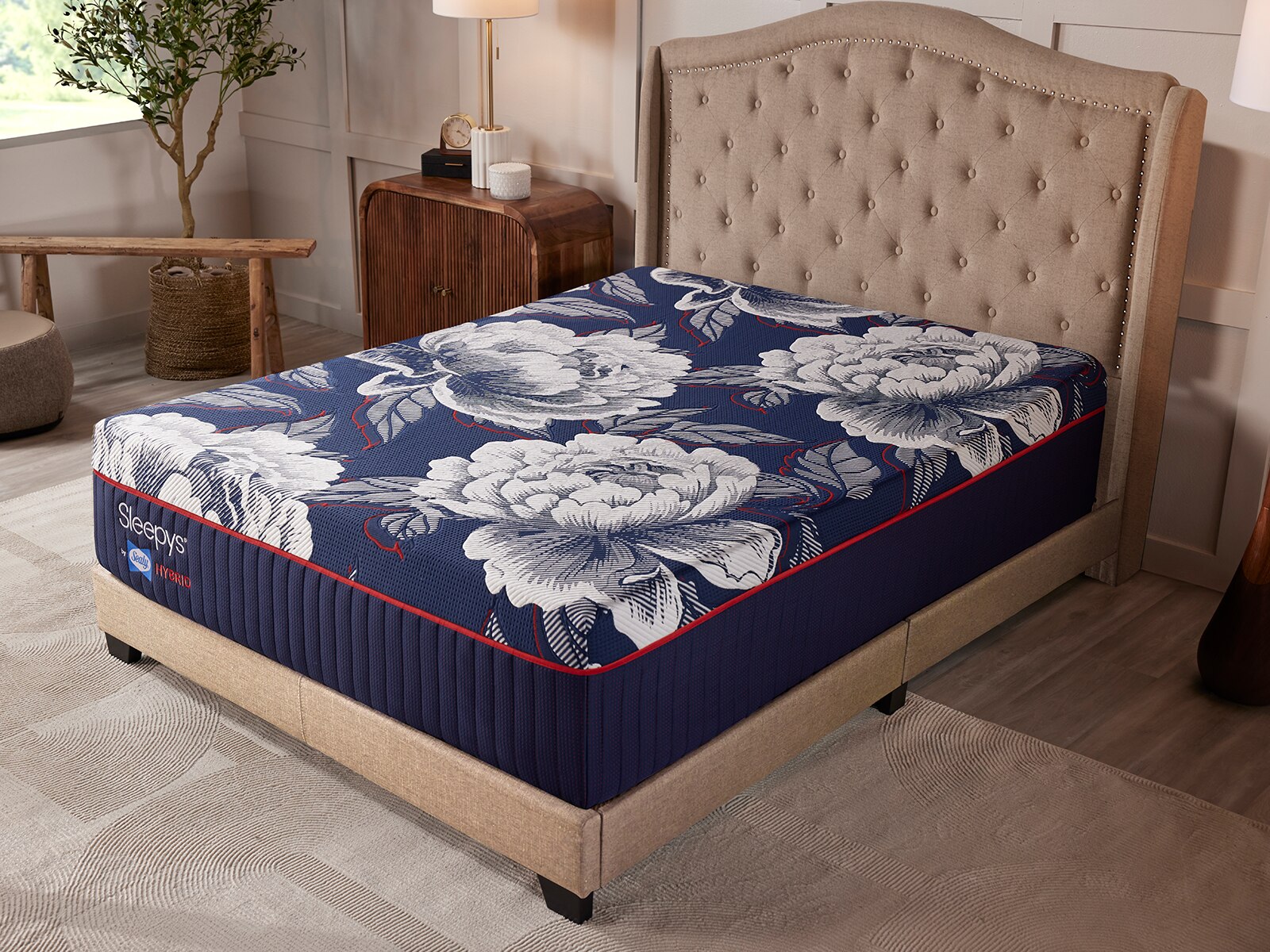
The largest mattress is not a single universal size: oversized and custom dimensions can exceed conventional king measurements. An Alaskan king mattress measures 108 inches wide by 108 inches long, or nine feet by nine feet, making it one of the largest widely recognized oversized square sizes. Among conventional mattress sizes, a king measures 76 inches wide by 80 inches long, while a California King measures 72 inches wide by 84 inches long. A king has more total sleeping surface; a California King is longer but narrower. That distinction matters when one person needs extra legroom and another wants more space to stretch sideways. Custom oversized mattresses can be larger than an Alaskan king, so comparing actual width and length is more useful than relying on a size name alone. For couples who regularly meet in the middle of a smaller bed, additional width can make it easier to turn over without crossing into each other’s space. Taller sleepers may place greater value on length, especially if they sleep stretched out rather than curled on their side. The right fit also depends on the bedroom beyond the mattress. A large sleeping surface needs room for a compatible frame, bedside furniture, open drawers and a comfortable path around the bed. Marking the full frame footprint on the floor with painter’s tape can make the scale easier to picture before choosing a size. Include the headboard and any projecting corners, rather than measuring only the mattress rectangle. Bedroom doors, narrow staircases, hallway turns and low ceilings along the delivery path deserve the same attention. A mattress that fits comfortably in the room still has to reach it without damage. In a shared primary bedroom, a well-chosen larger size gives each sleeper breathing room while leaving the rest of the space easy to use.
Extra surface area changes how a bed feels to share, but it does not determine firmness or support. Those qualities come from the mattress’s materials, construction and how they respond to each sleeper. Memory foam can contour around the shoulders and hips, while latex often has a more buoyant feel that makes changing positions easier. Innerspring constructions use coils for support, and hybrid mattresses combine a coil system with comfort layers such as foam or latex. The thickness and arrangement of those layers matter more than a material name alone. Side sleepers often appreciate cushioning that allows the shoulder and hip to settle without leaving the waist unsupported. Back and stomach sleepers may prefer a surface that keeps the pelvis from sinking too deeply, although body size and personal comfort preferences also influence the right feel. For partners, a wider bed and motion-isolating materials address different concerns: width creates separation, while motion isolation can help reduce how much movement travels across the surface. Edge support deserves attention, too. A stable perimeter can make more of the mattress feel usable and provide a steadier place to sit while putting on shoes. Mattress height is another distinct measurement, and
Tallest Mattresses focuses on that vertical dimension rather than the width or length of the sleeping surface. A deeper mattress is not automatically firmer, more supportive or more durable. Its height also combines with the foundation and frame to determine how high the finished bed sits. Someone who prefers sitting with both feet resting on the floor may find that total height especially important. For couples with different comfort preferences, a split configuration may allow separate mattress choices or independent adjustable positioning when the components are compatible. Check each section’s dimensions and the combined footprint carefully, because a familiar size label does not establish how every mattress, base and frame will fit together.
A larger mattress also needs a support system suited to its dimensions, weight and construction. The frame, foundation or platform should meet the mattress manufacturer’s requirements, including any specifications for center supports, slat spacing and weight capacity. Gaps or insufficient support can affect how the mattress performs, regardless of how substantial its comfort layers feel. Adjustable bases require an additional compatibility check; not every mattress construction is designed to bend, and oversized dimensions may require a different arrangement than a conventional king. Bedding fit is just as practical a consideration. A fitted sheet needs the correct width and length as well as enough pocket depth to accommodate the mattress and any topper. Stretching an undersized sheet over a deep corner can pull it loose overnight, while an overly loose protector may bunch beneath the sleeper. Comforter dimensions also deserve a closer look, especially when two people want enough coverage without pulling fabric away from one another. For day-to-day care, follow the manufacturer’s cleaning instructions and use a properly fitted protector to help shield the surface from spills and everyday residue. Rotate the mattress only as directed, and do not flip it unless its construction is intended for use on both sides. The size and weight of an oversized mattress can make even routine repositioning a two-person task, so arrange help rather than dragging it by a corner or using handles in ways the manufacturer does not recommend. Durability depends on the quality of the materials, appropriate support, sleeper use and consistent care—not simply on having more inches of mattress. Over time, pay attention to persistent sagging, uneven support or changes in comfort that remain after checking the foundation. The best-fitting large mattress balances generous sleeping space with manageable upkeep, compatible bedding and a room layout that works for everyday life. That combination makes extra room meaningful, whether it supports a couple’s different sleep habits or gives a taller sleeper space to settle in without feeling confined.