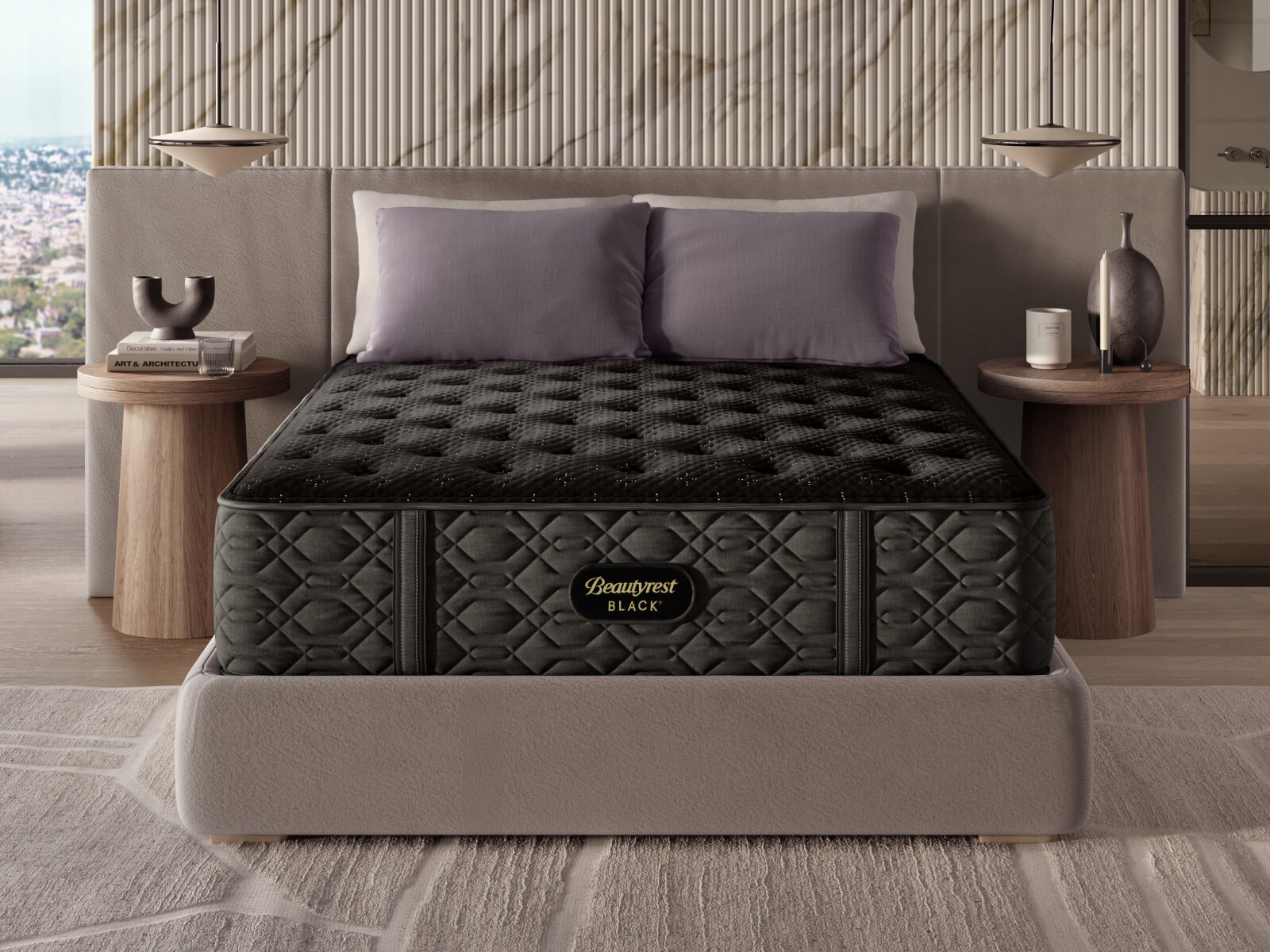
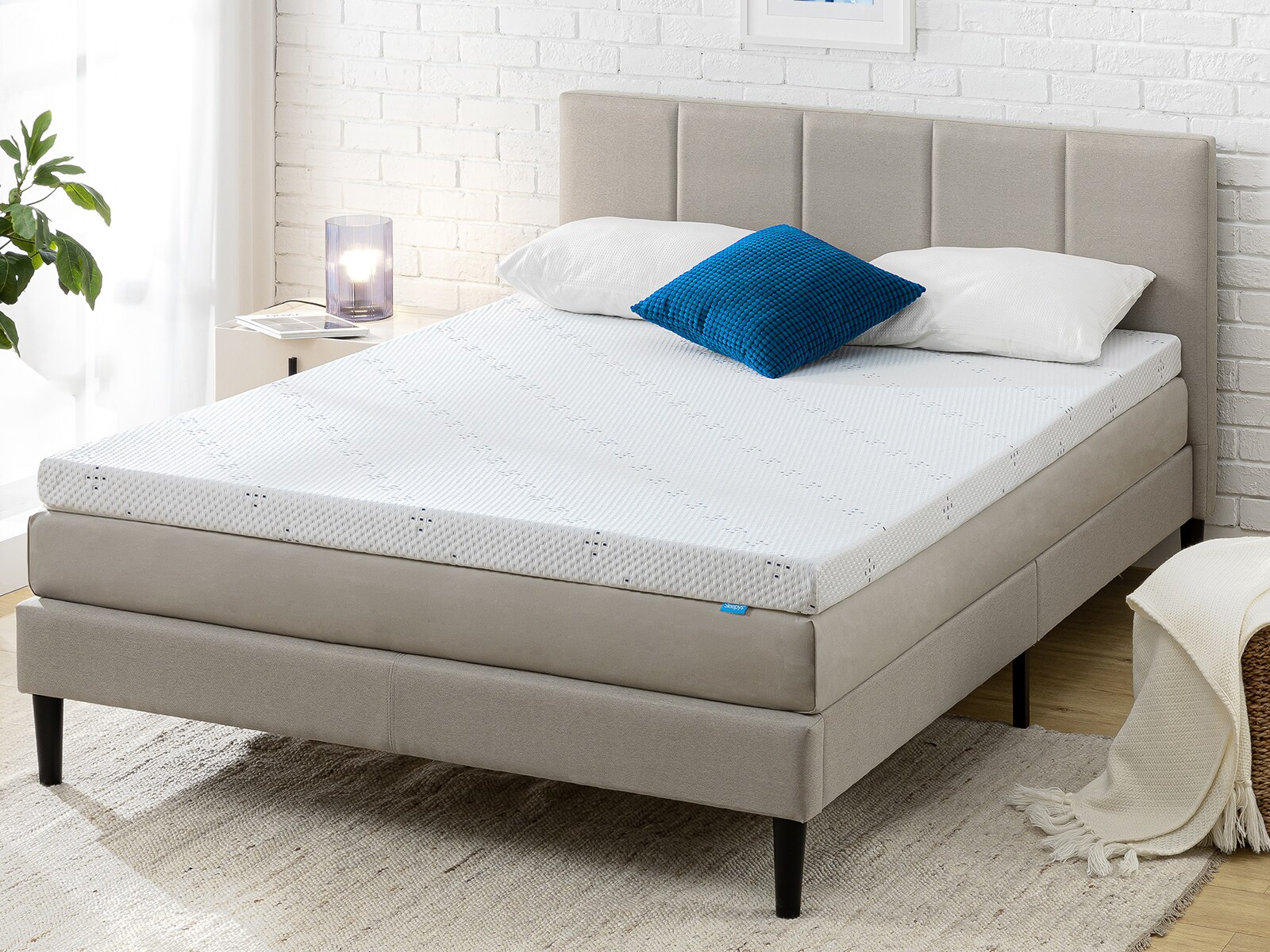
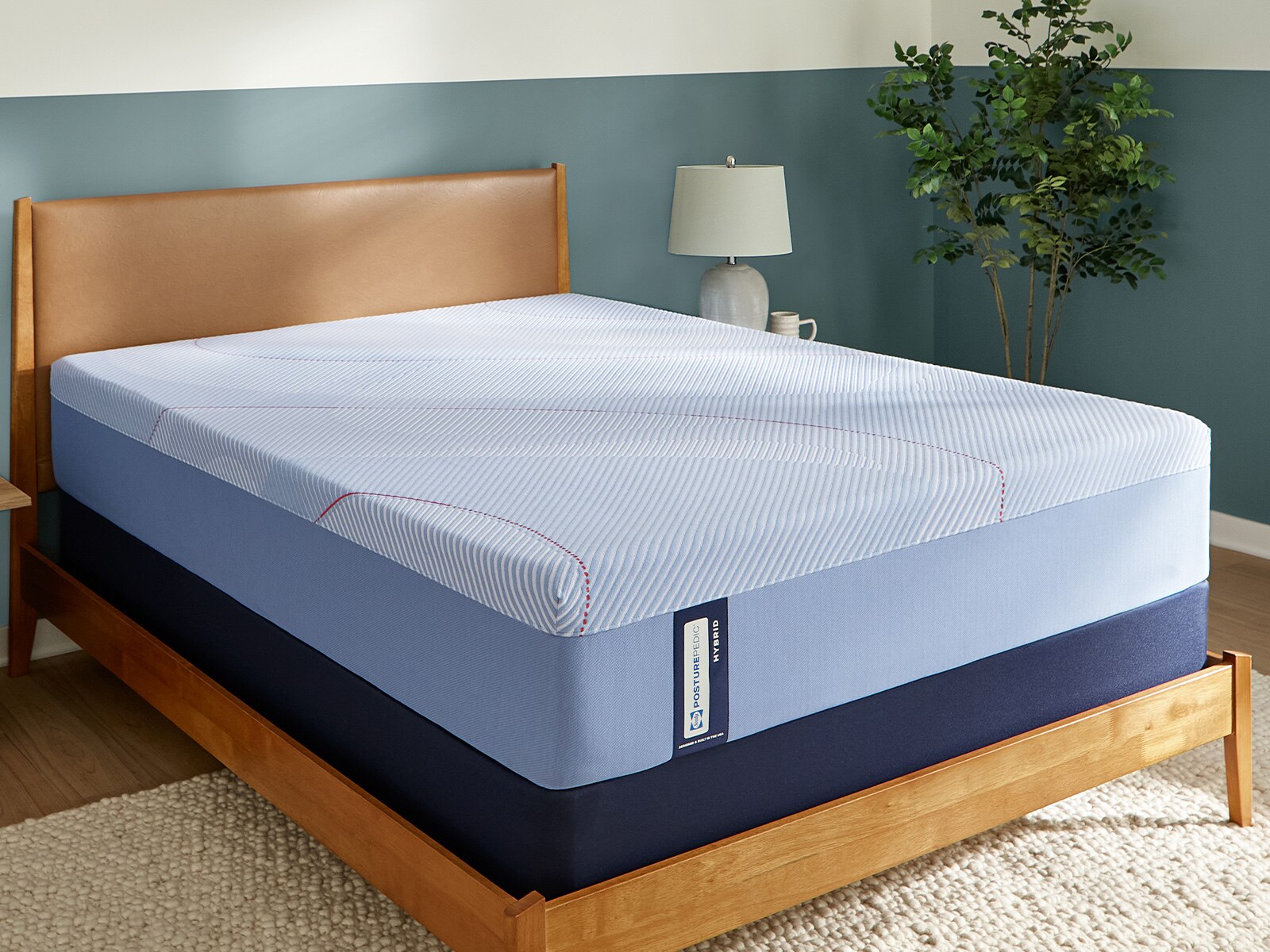
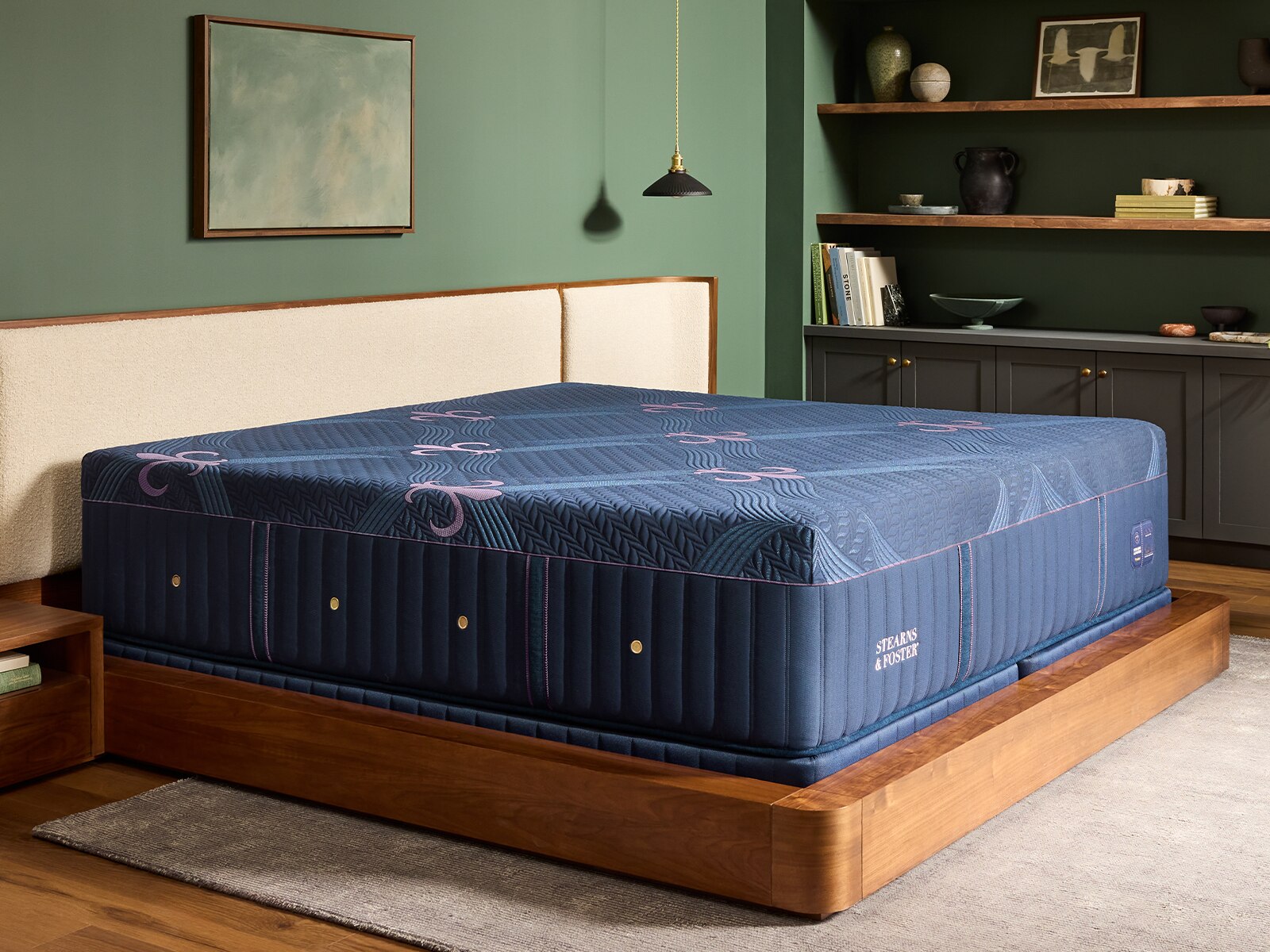
Latex mattresses for joint support offer a balance of gentle cushioning and responsive support for sleepers who notice pressure around their shoulders, hips or knees. Latex compresses beneath the body while resisting deeper sinking, creating a buoyant feel rather than a deeply cradled sensation. That combination can help distribute body weight across the sleep surface and reduce concentrated pressure on sensitive areas. Its quick response also means the surface adjusts as a sleeper rolls from one side to the other, without the lingering impression associated with some slower-response foams. For someone who finds repositioning uncomfortable, that distinction can make the mattress feel easier to move across. Comfort still depends on the complete mattress construction, body size and preferred sleeping position; latex alone does not determine how supportive a mattress will feel. Side sleepers often benefit from enough cushioning for the shoulder and hip to settle into the surface without leaving the waist unsupported. Back sleepers generally need a balance that accommodates the body’s curves while keeping the pelvis from sinking disproportionately. Stomach sleepers may prefer a firmer overall feel that limits dipping through the midsection. These are starting points, not fixed rules: a lighter sleeper may experience a mattress as firmer than a heavier sleeper does, and two people with the same sleep position can prefer noticeably different cushioning. A very firm surface is not automatically better for joints, especially when it creates uncomfortable pressure at the shoulder or hip. Likewise, a plush surface is not necessarily supportive if it allows excessive sinking. The most useful balance feels cushioned where the body meets the mattress and steady underneath, with no persistent sense of a shoulder being compressed or the lower back being pulled out of a comfortable position. For people living with arthritis or recurring joint discomfort, a suitable mattress may improve comfort during rest, but it does not treat the underlying condition or replace individualized medical advice.
The materials beneath the cover help explain why latex mattresses can feel so different from one another. Latex foam may be made from natural rubber, synthetic materials or a blend, and its formulation, thickness and layering all influence the finished feel. Dunlop and Talalay describe manufacturing processes rather than firmness ratings. Dunlop latex often has a denser, more substantial feel, while Talalay latex often feels lighter and more springy, although either can be produced in a range of firmness levels. Foam density and firmness are also distinct characteristics, so a denser layer should not automatically be assumed to feel harder. All-latex mattresses use latex layers for both cushioning and underlying support, creating a resilient feel throughout the mattress. Latex hybrids pair latex comfort layers with a coil support system, combining surface cushioning with the response of springs. Individually wrapped coils can compress locally, while reinforced perimeter construction, when included, can provide a steadier edge for sitting or changing position. Neither construction is universally better for joint comfort; the thickness of the comfort layers, strength of the support core and interaction between them matter more than the category name alone. The same balance is central to
latex mattresses for even weight distribution, where the goal is broad, consistent contact rather than excessive pressure in a few places. Some mattresses also use zones with different levels of resistance, though the usefulness of those zones depends on how they line up with a sleeper’s height and proportions. Cover materials and quilting can soften or change the initial surface feel, so two mattresses with similar latex layers may still feel distinct. For shared beds, latex’s springiness is another consideration: it can make repositioning easier, but movement isolation varies with the entire construction. Anyone with a known latex allergy should review material information and seek appropriate medical guidance rather than assuming an enclosed latex layer makes a mattress suitable.
Long-term comfort also depends on how a latex mattress fits the bed, the bedroom and the routines surrounding sleep. A mattress that feels comfortable while lying down should also work for getting into bed, sitting briefly at the edge and standing up again. Overall bed height includes the mattress, foundation and frame; an unusually high or low setup can make those everyday movements more demanding for someone with stiff knees or hips. Sleep surface width matters, too. Enough room to bend a knee, shift a shoulder or change sides without crowding a partner can be as valuable as the initial cushioning. Heavier latex constructions may require extra help during setup or rotation, particularly on larger beds. Beneath the mattress, a stable, compatible foundation helps the support layers perform as intended. Slat spacing, center support and adjustable-base compatibility should follow the manufacturer’s requirements rather than assumptions based on appearance. Latex is valued for its resilience, but no mattress has a guaranteed useful life based on material alone. Layer quality, sleeper weight, daily use and the supporting foundation all affect how well it maintains its feel. A breathable mattress protector can help limit exposure to spills and everyday moisture without substantially changing the surface, provided it fits properly. Care instructions vary, but latex generally should not be saturated, treated with harsh cleaners or exposed to prolonged direct sunlight. Removable covers should be washed only as directed, and a mattress should be rotated or flipped only when its construction and care instructions allow it. Persistent impressions, uneven support or a noticeable change in comfort deserve attention rather than being dismissed as normal softness. For combination sleepers, couples with different comfort preferences and people seeking less pressure during rest, the strongest match is a mattress whose cushioning, responsiveness and underlying support work together. The result should feel comfortable through ordinary movements and settled moments alike, from stretching out at bedtime to turning over before morning.