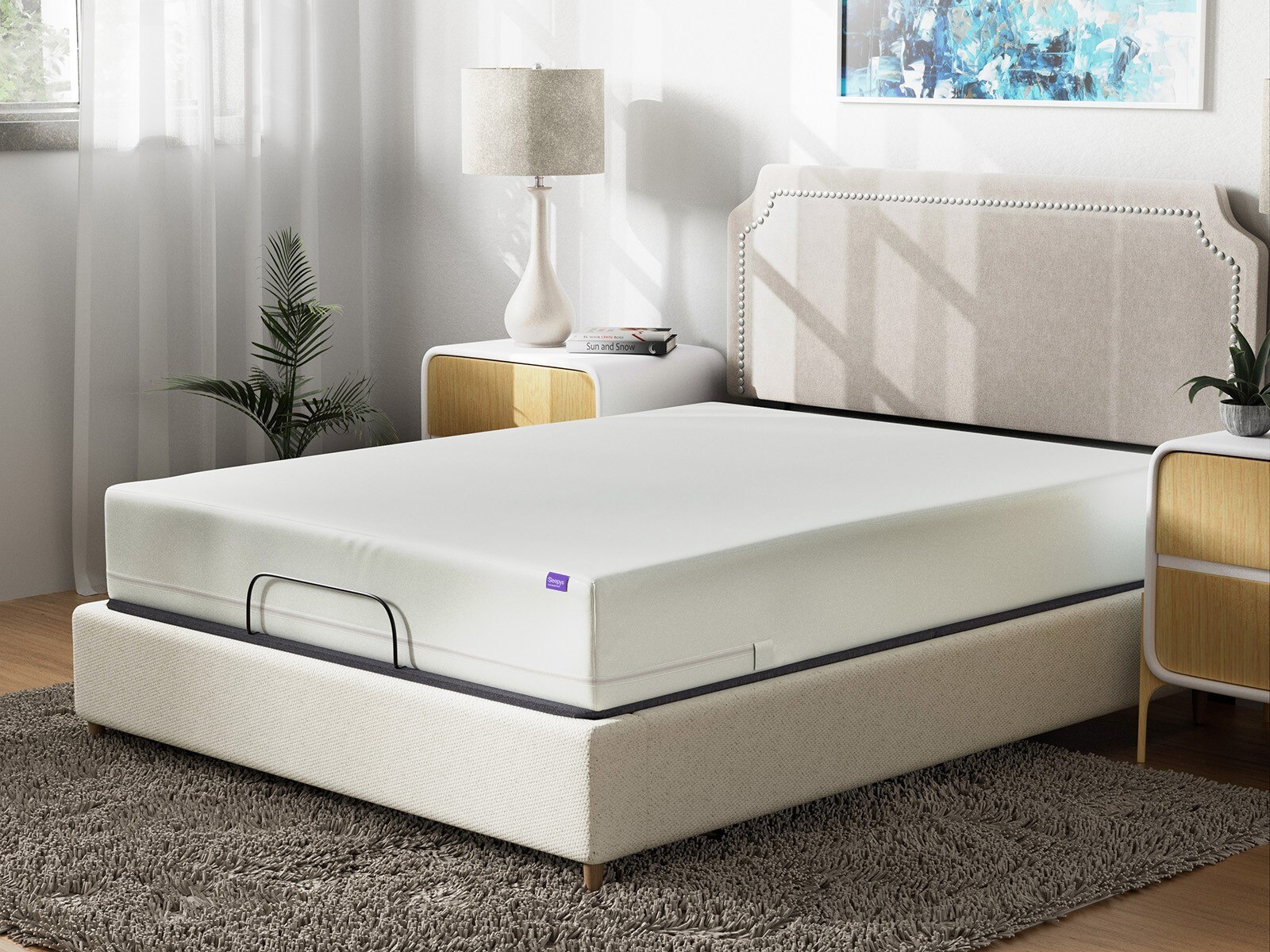
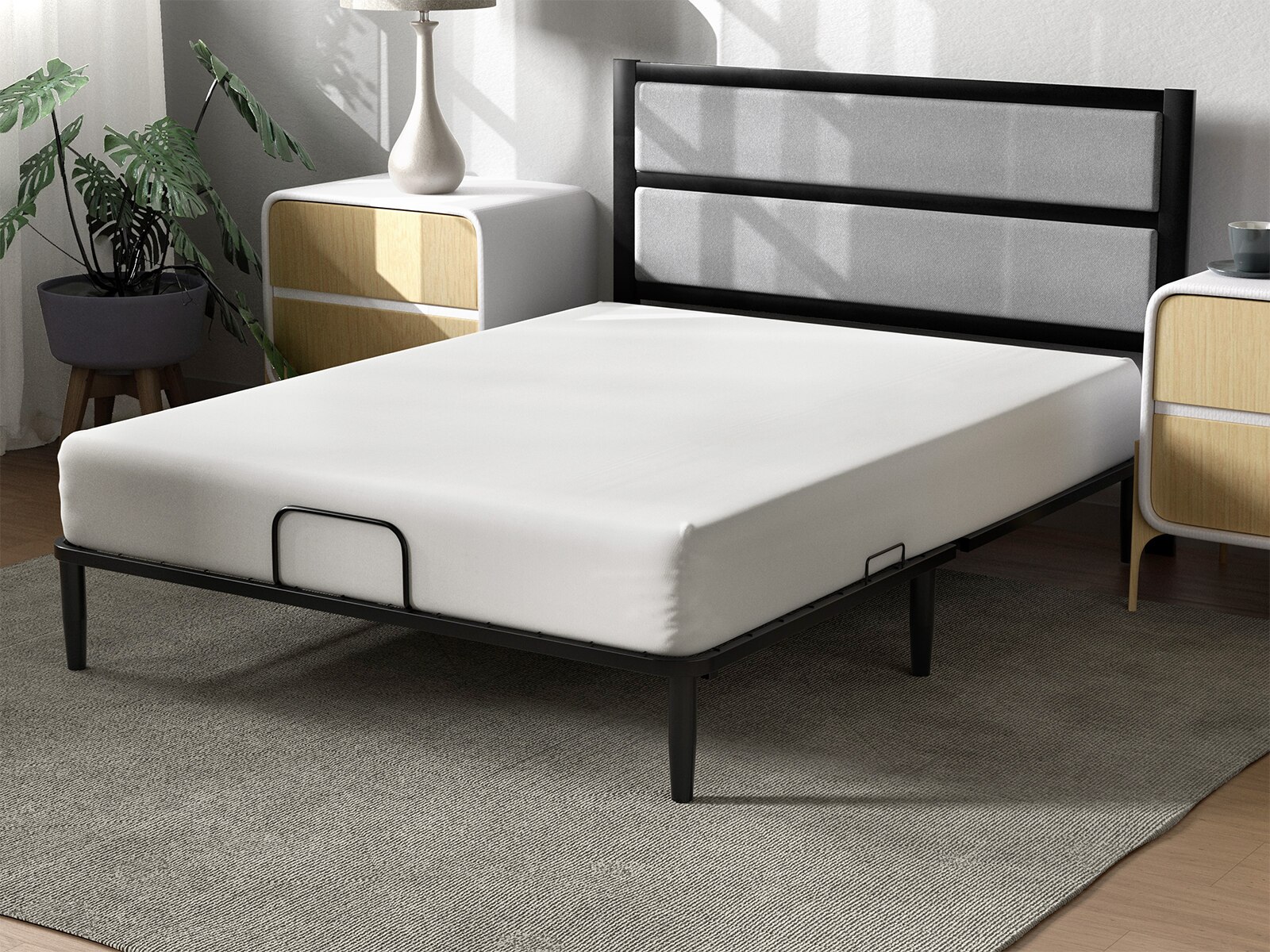
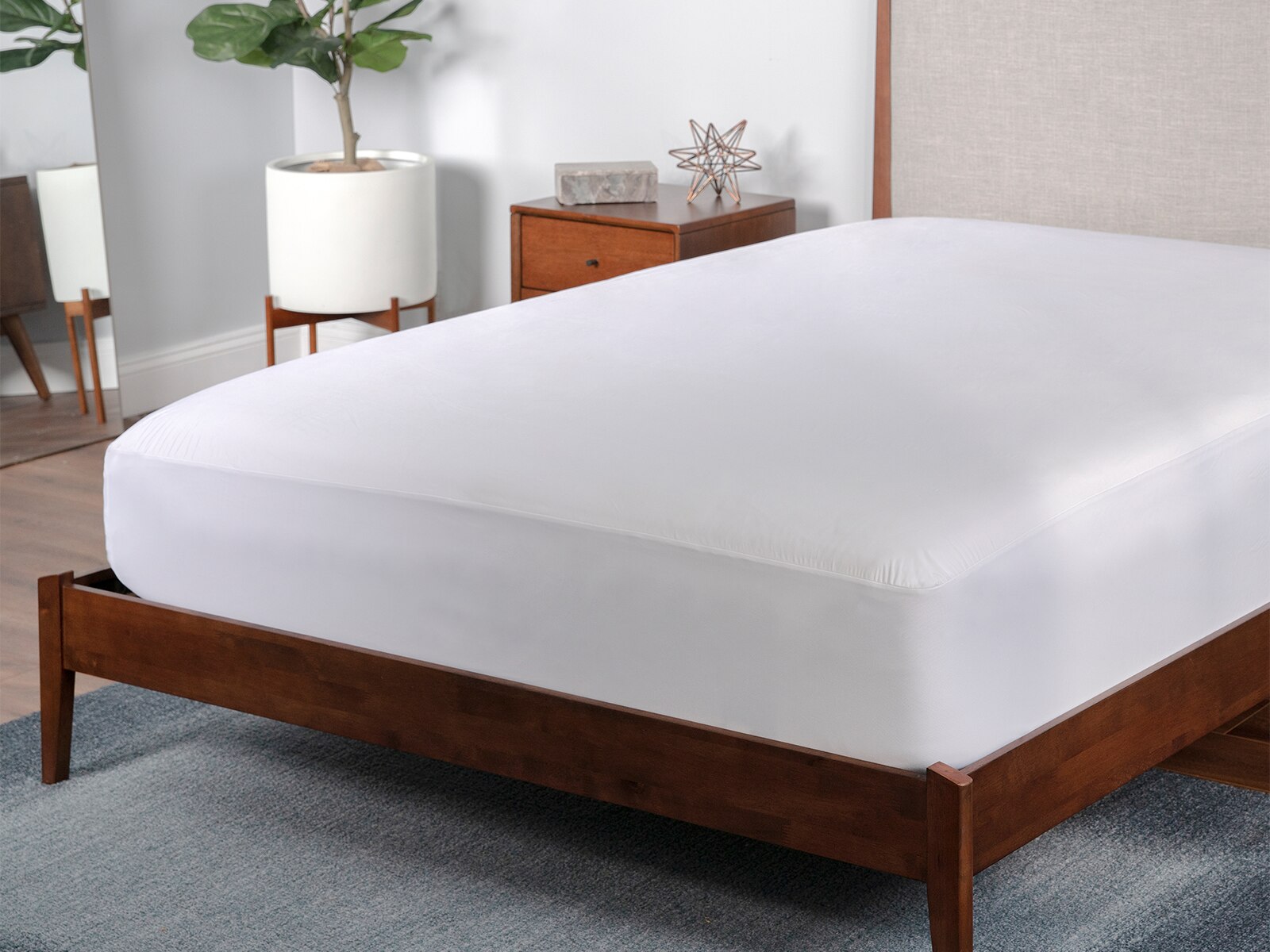
Lightweight queen mattress protectors add a thin, removable layer between a mattress and its fitted sheet, helping limit contact with perspiration, body oils and everyday spills without the bulk of a padded mattress cover. Their main purpose is protection rather than cushioning: a mattress topper changes the feel of the sleep surface, while a lightweight protector generally aims to preserve it. That distinction matters when a mattress already feels comfortable and only needs an easier-to-clean outer layer. Materials influence how that layer feels and performs. Cotton offers a soft, familiar surface and absorbs moisture, while polyester and nylon can create smooth, flexible fabrics that dry relatively quickly. Rayon made from bamboo is another option with a soft hand, though the fiber name alone does not establish waterproof performance or special protective properties. Blended fabrics combine characteristics, so both the surface material and the backing deserve attention. For liquid protection, some lightweight queen mattress protectors use a thin thermoplastic polyurethane, or TPU, membrane beneath the fabric. A waterproof barrier is designed to prevent liquid from passing through the covered area; a water-resistant finish may only slow penetration. Neither description should be assumed to apply to the sides unless the construction specifically includes them. Breathability also varies by fabric, membrane and overall construction, so a lightweight profile does not automatically mean unrestricted airflow. A smooth, low-profile surface can be especially appealing for someone who dislikes thick quilting or wants fitted sheets to lie neatly over the bed. Softness and sound matter, too. A flexible backing may feel less noticeable beneath a sheet than a stiffer material, particularly for someone who changes position frequently. Even a very thin protector can slightly alter the surface feel, so fabric texture, stretch and backing flexibility are useful considerations alongside its protective features. The most suitable combination depends on whether the priority is routine mattress coverage, a liquid barrier or a discreet layer that is simple to remove and wash.
Fit is just as important as fabric when choosing a queen mattress protector. A standard queen mattress measures 60 by 80 inches, but mattress height varies considerably. Measure from the bottom edge to the highest point of the sleep surface, including a topper if the protector will cover both layers. Compare that measurement with the stated pocket depth rather than relying on a description such as “deep pocket.” A pocket that is too shallow can pull the corners upward, while excessive loose fabric can bunch beneath the fitted sheet. Stretch-knit side panels and elastic around the lower edge can help a fitted-style protector stay in place, though the right dimensions still matter. Specialty queen dimensions also need a closer look: a short queen mattress is not the same length as a standard queen, and a split configuration may require a different arrangement. For an adjustable base, check whether the protector is intended to move with the mattress as the head or foot rises. It should have enough flexibility to follow the movement without tugging at the corners. Placement matters when a topper is involved. Putting the protector over both the topper and mattress can help shield both surfaces, provided the pocket is deep enough; placing it beneath the topper leaves the topper exposed to spills. Fitted protectors are convenient for routine removal, while zippered encasements surround the mattress more fully and take additional effort to put on and remove. Claims about allergen or pest protection require their own supporting specifications and should not be inferred from a zipper alone. Everyday use helps clarify which details deserve priority. Someone who keeps water beside the bed may value waterproof coverage, while a household with pets may appreciate a washable layer beneath the sheets. A protector can help with accidental moisture, but it is not designed to withstand chewing or sharp claws. For a guest bed, an unobtrusive fabric and straightforward care routine can make preparing a fresh sleep surface simpler between visits.
Care requirements have a direct effect on how practical a lightweight queen mattress protector will be over time. Many are machine washable, but the care label determines the appropriate wash setting, detergent and drying method. Waterproof membranes, elastic and fabric finishes may have different care needs, so a routine that works for ordinary sheets may not suit every protector. High dryer heat, bleach and fabric softener can damage some constructions or affect their performance; use them only when the care instructions permit. Promptly removing a protector after a spill also helps keep moisture from sitting against seams or uncovered areas. Before returning it to the bed, make sure every layer is completely dry, including the corners and side panels. Washing a protector with suitable fabrics and avoiding an overloaded machine can give it room to rinse and move freely. A second protector can be useful when laundry timing does not line up with bedtime, particularly in a frequently used guest room or a household managing occasional nighttime accidents. Durability depends on more than fabric thickness. Secure stitching, resilient elastic and a backing that remains flexible after repeated care all contribute to dependable use. Periodically check for stretched corners, seam separation, cracks or peeling in the barrier, since a top surface that still looks clean may conceal wear underneath. Protective layers are also a practical addition when setting up a first apartment, refreshing a guest room or giving bedding as a housewarming gift. Confirming mattress dimensions and depth makes that kind of gift more useful than choosing by size name alone. For another bed in the home,
lightweight twin mattress protectors offer the same general category of coverage in a smaller size, with fit and care requirements still worth checking individually. Across bed sizes, the goal stays straightforward: a well-fitting, washable layer with clearly described protection that supports an existing bedding setup without adding unnecessary bulk or complicating everyday care.