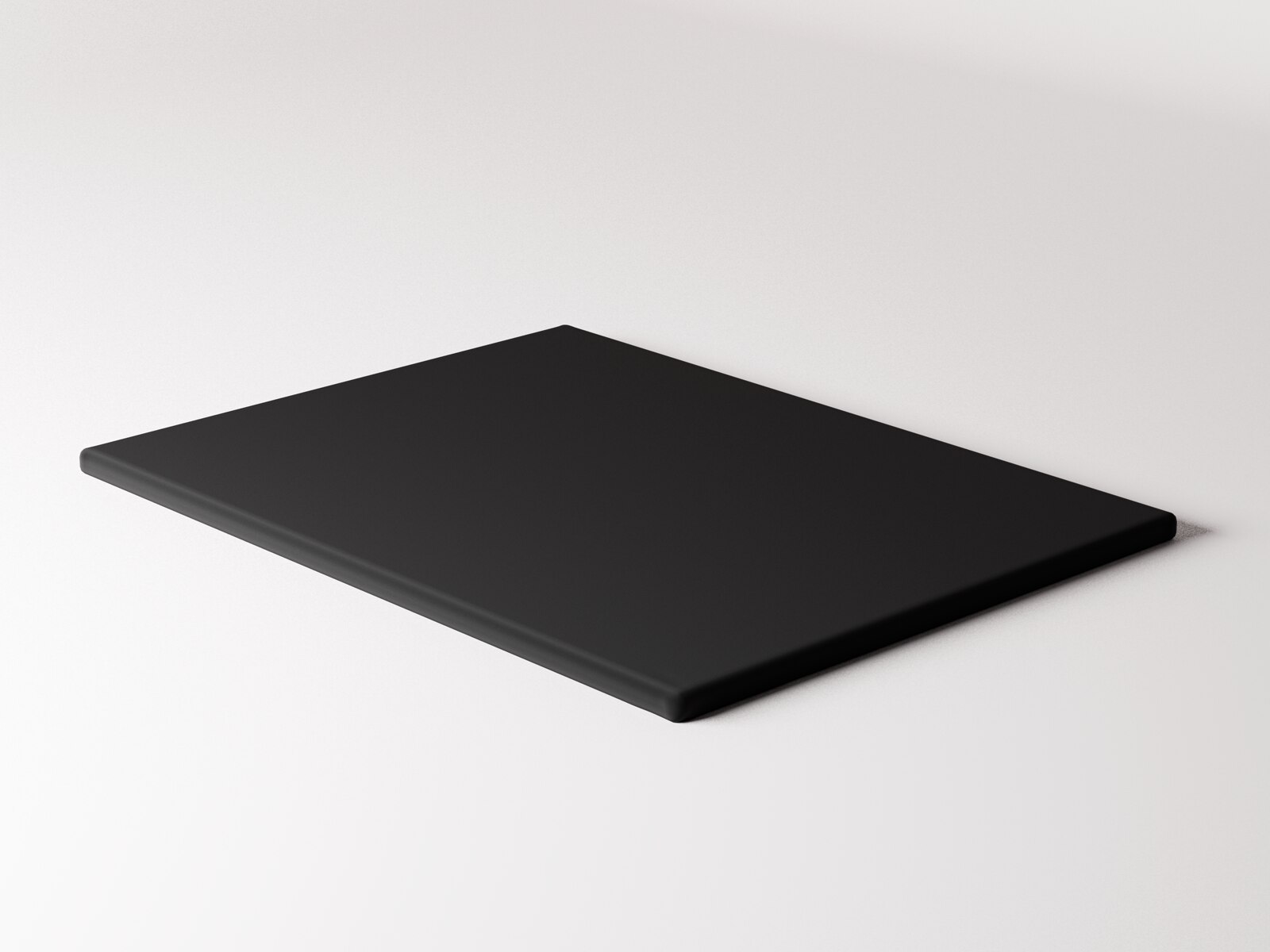
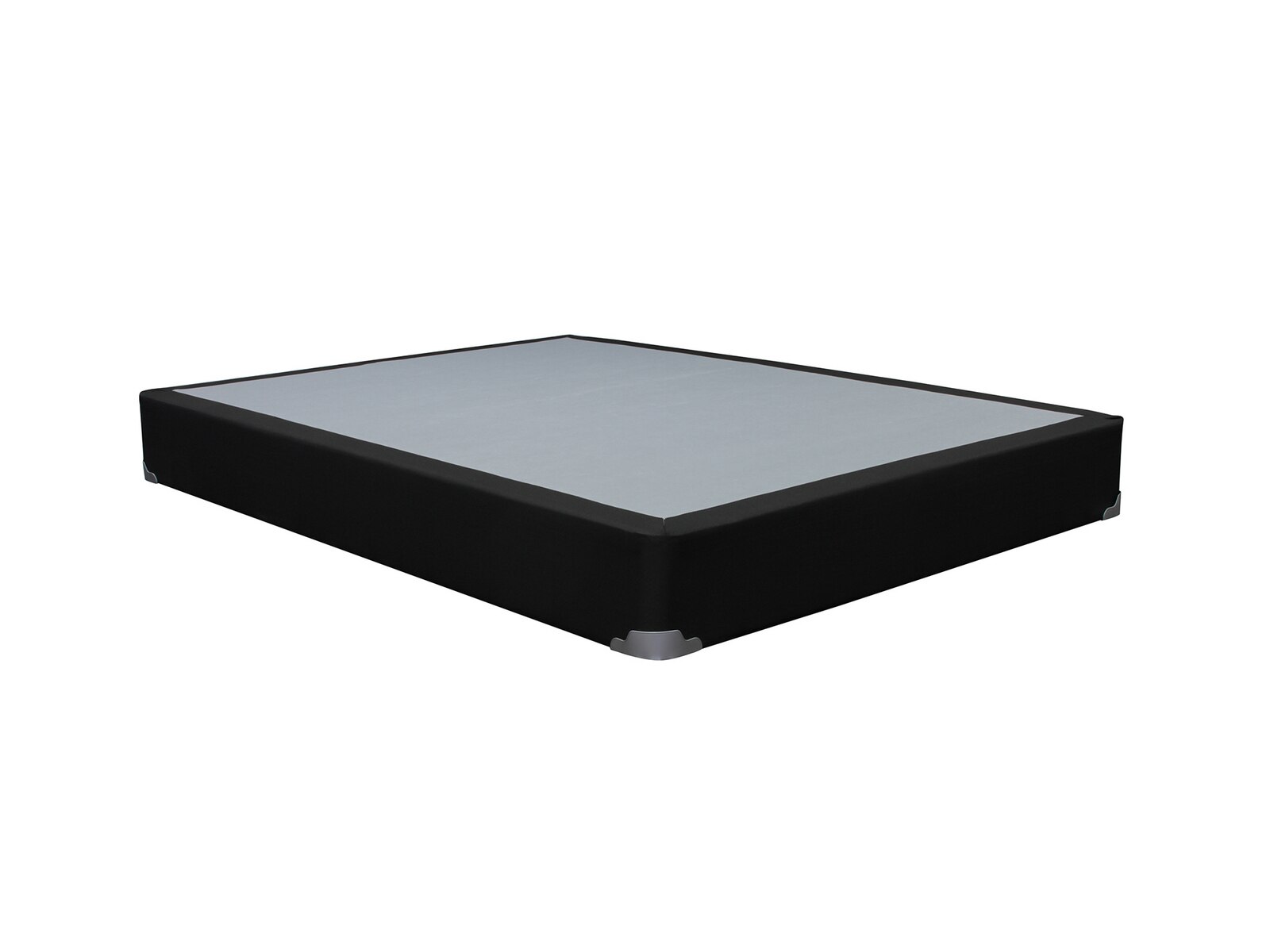
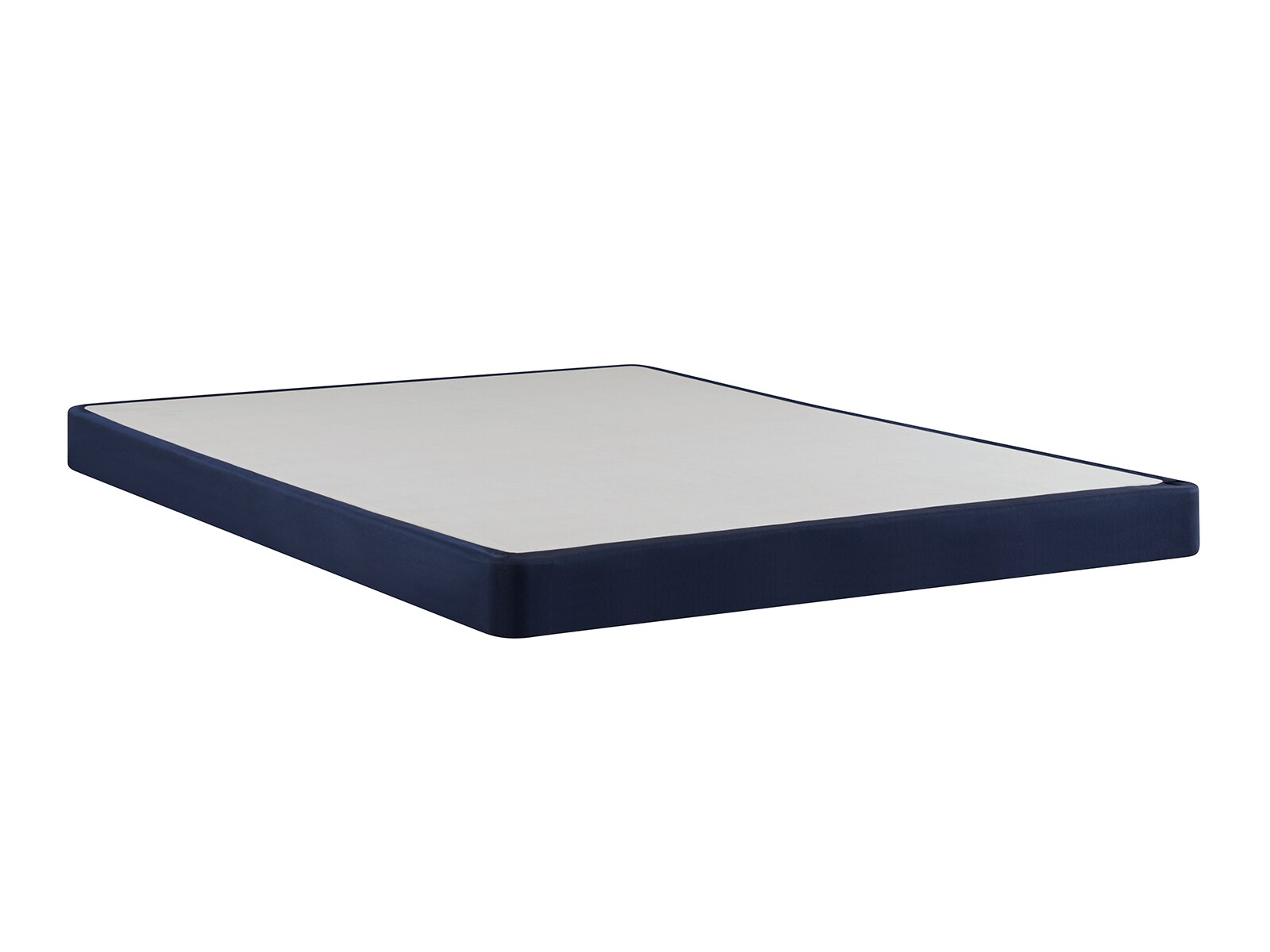
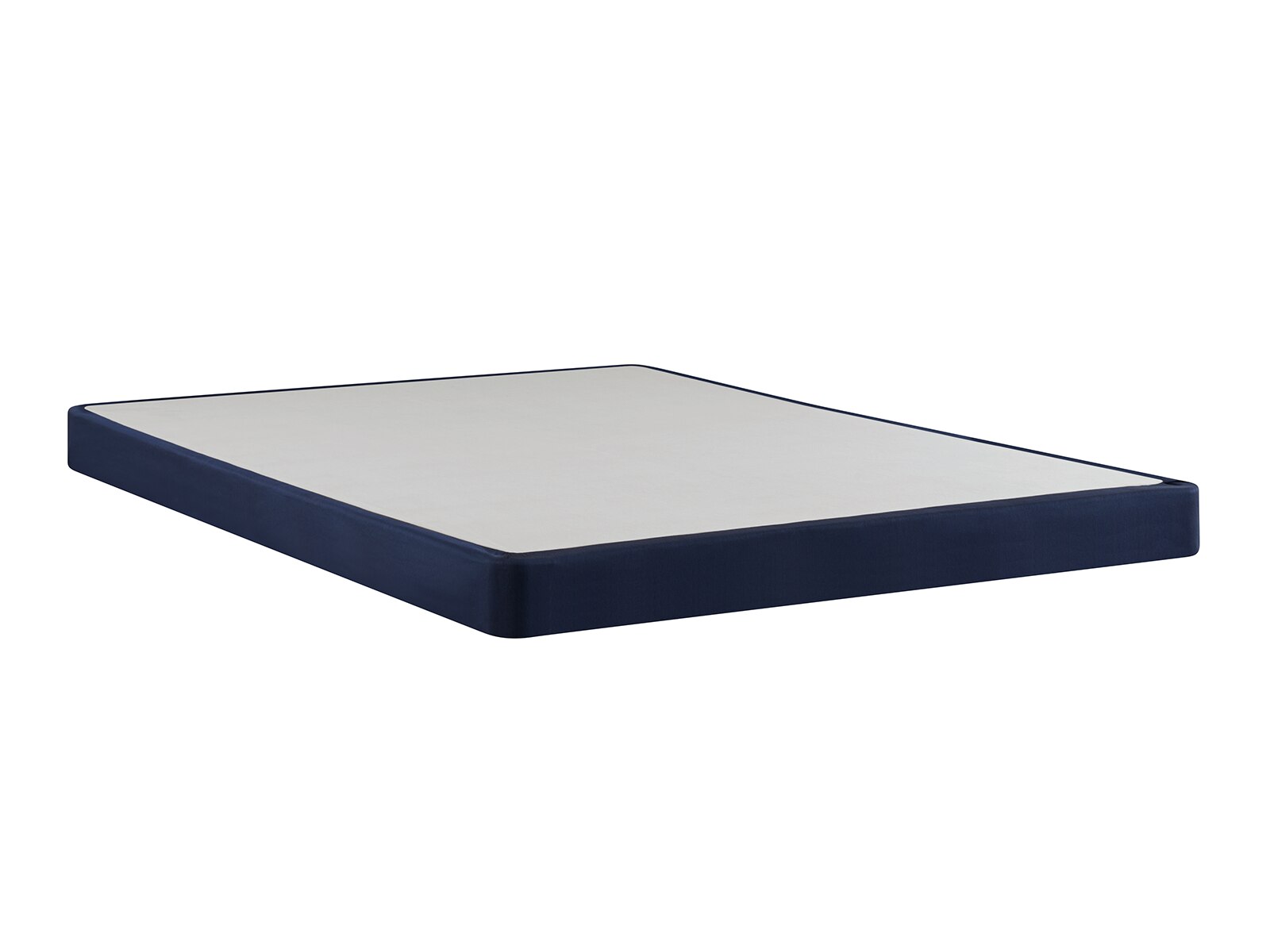
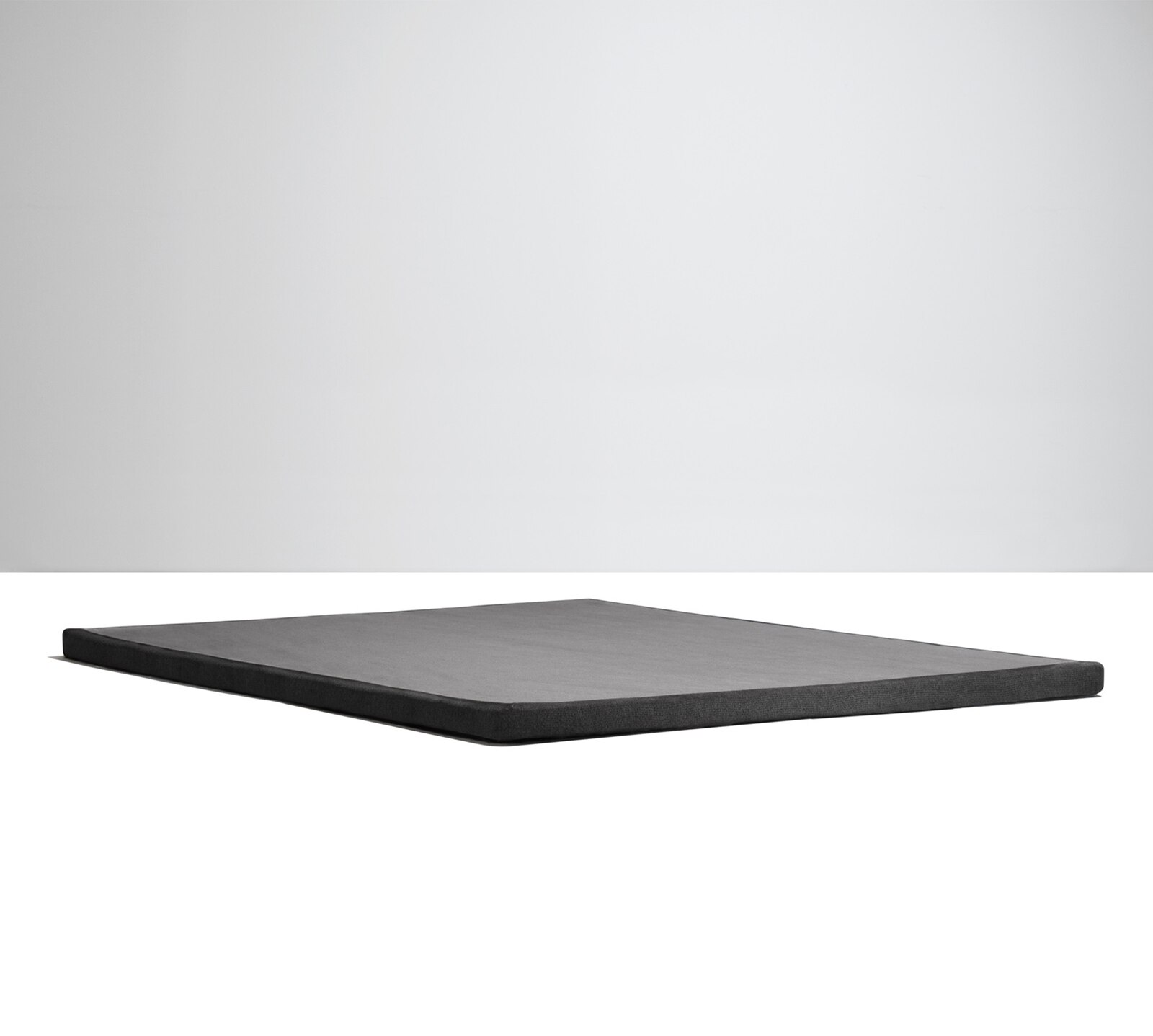
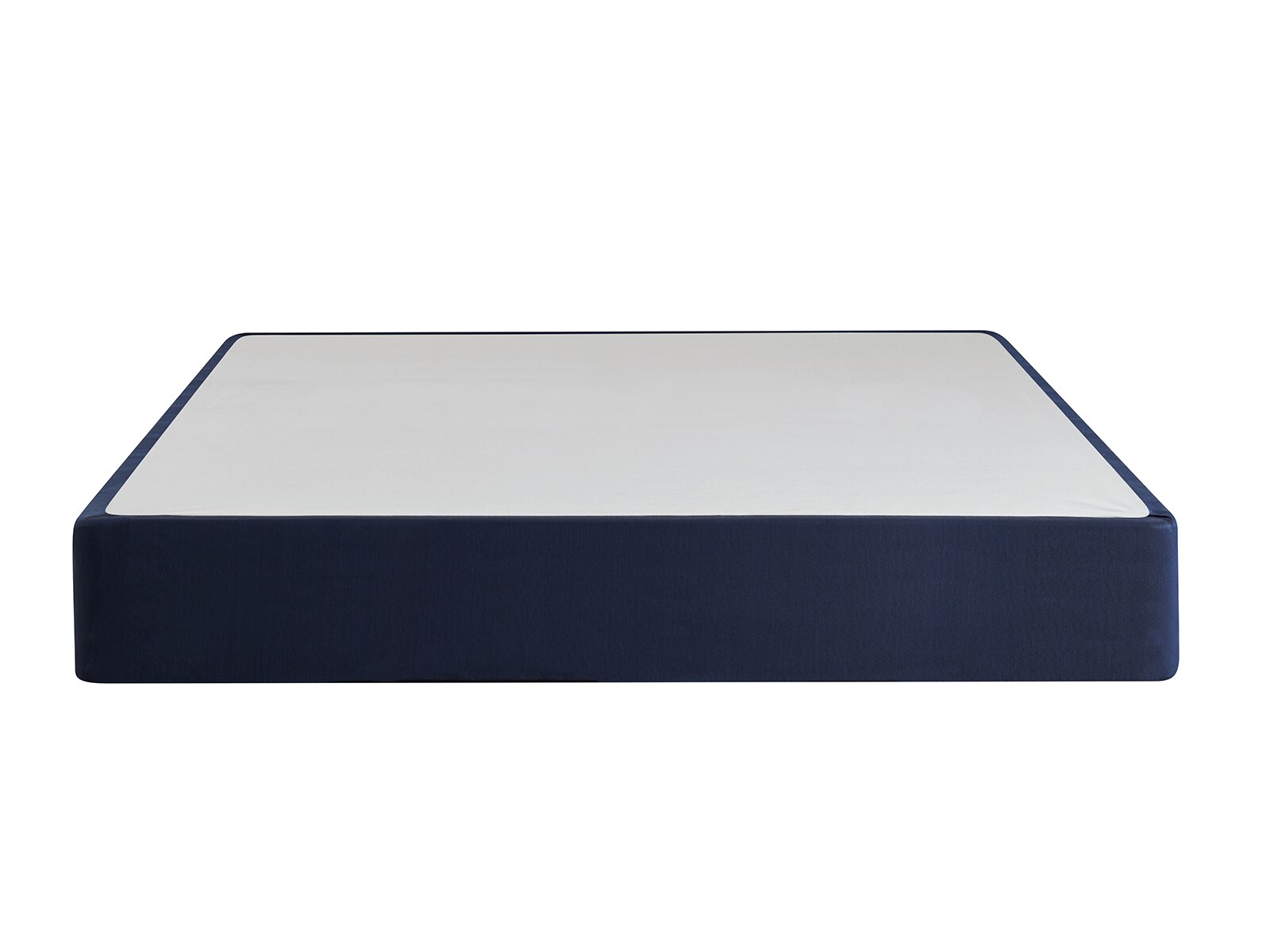
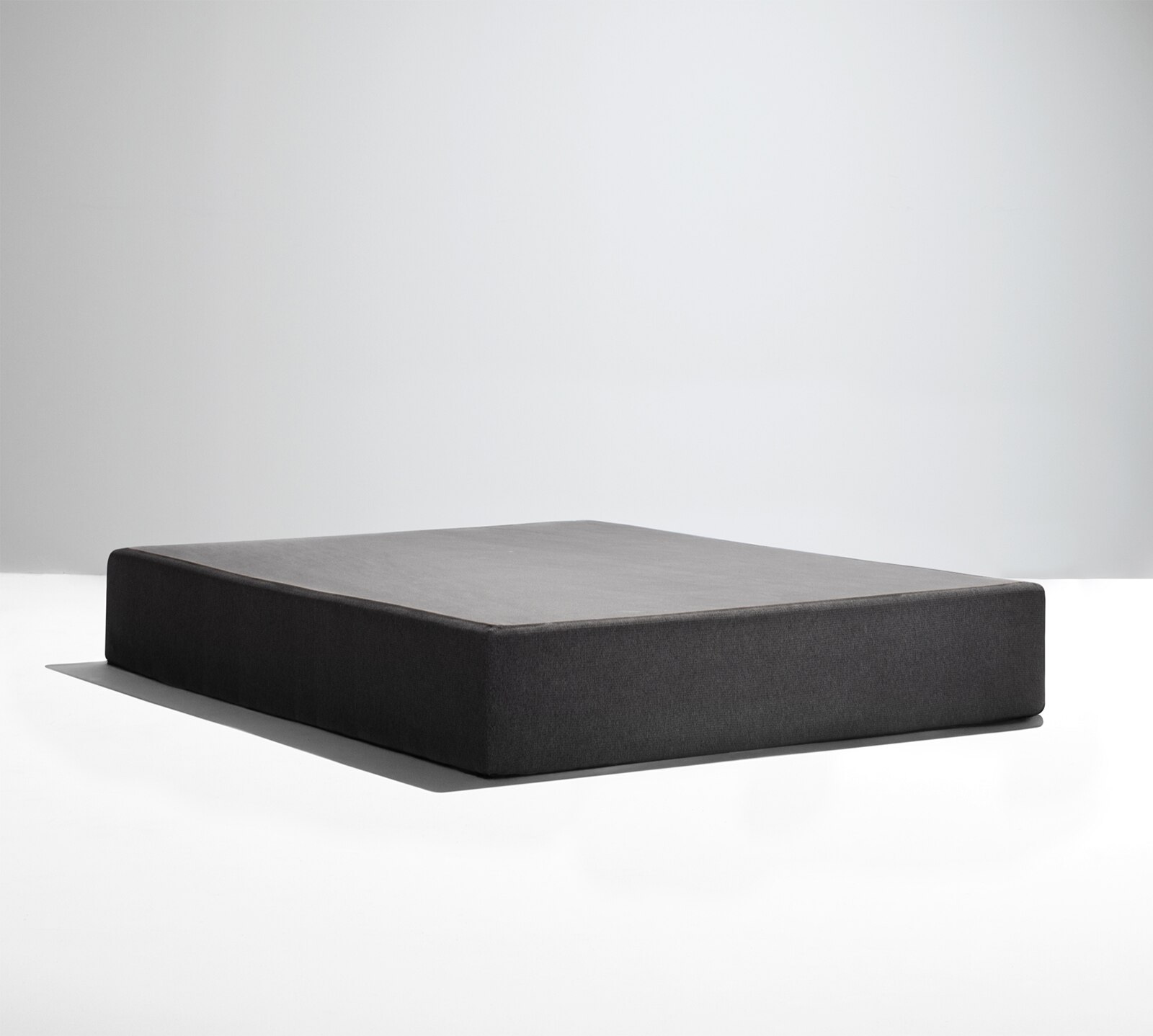
Low height bed foundations are shallow mattress supports designed to reduce a bed’s overall height without changing the thickness of the mattress. A low-profile foundation typically measures about four to five inches high, compared with roughly nine inches for a standard-height foundation or box spring. Ultra-low supports, often called bunkie boards, are commonly about one and a half to two inches thick. Dimensions vary by construction, so the listed measurements matter more than the category name alone. These shorter supports are especially useful beneath thick memory foam, latex or hybrid mattresses that would otherwise make a bed feel unusually tall. Picture a substantial pillow-top mattress resting on a raised frame: replacing a tall foundation with a shallower one can bring the mattress surface closer to a comfortable sitting height while preserving the support the mattress requires. The finished height depends on the entire setup, including the frame, foundation and mattress. Measuring from the floor to the frame’s support ledge, then adding the foundation and mattress thicknesses, gives a practical estimate. For someone who finds a high bed difficult to climb into, lowering that surface may make everyday use more comfortable. A lower bed is not automatically easier for everyone, though; someone who has difficulty standing from a low seat may need a taller sleeping surface. A useful reference is a bed edge that allows the sleeper to sit with feet resting on the floor without feeling perched or crouched. Low height bed foundations also suit bedrooms where a thick mattress obscures much of the headboard or sits well above the nightstand. A shallower base can restore those proportions, keeping a bedside lamp, water glass or book within a more natural reach. The effect is a lower silhouette rather than a thinner mattress, making these foundations a practical choice for sleepers who like the feel of their mattress but want to adjust how it sits in the room.
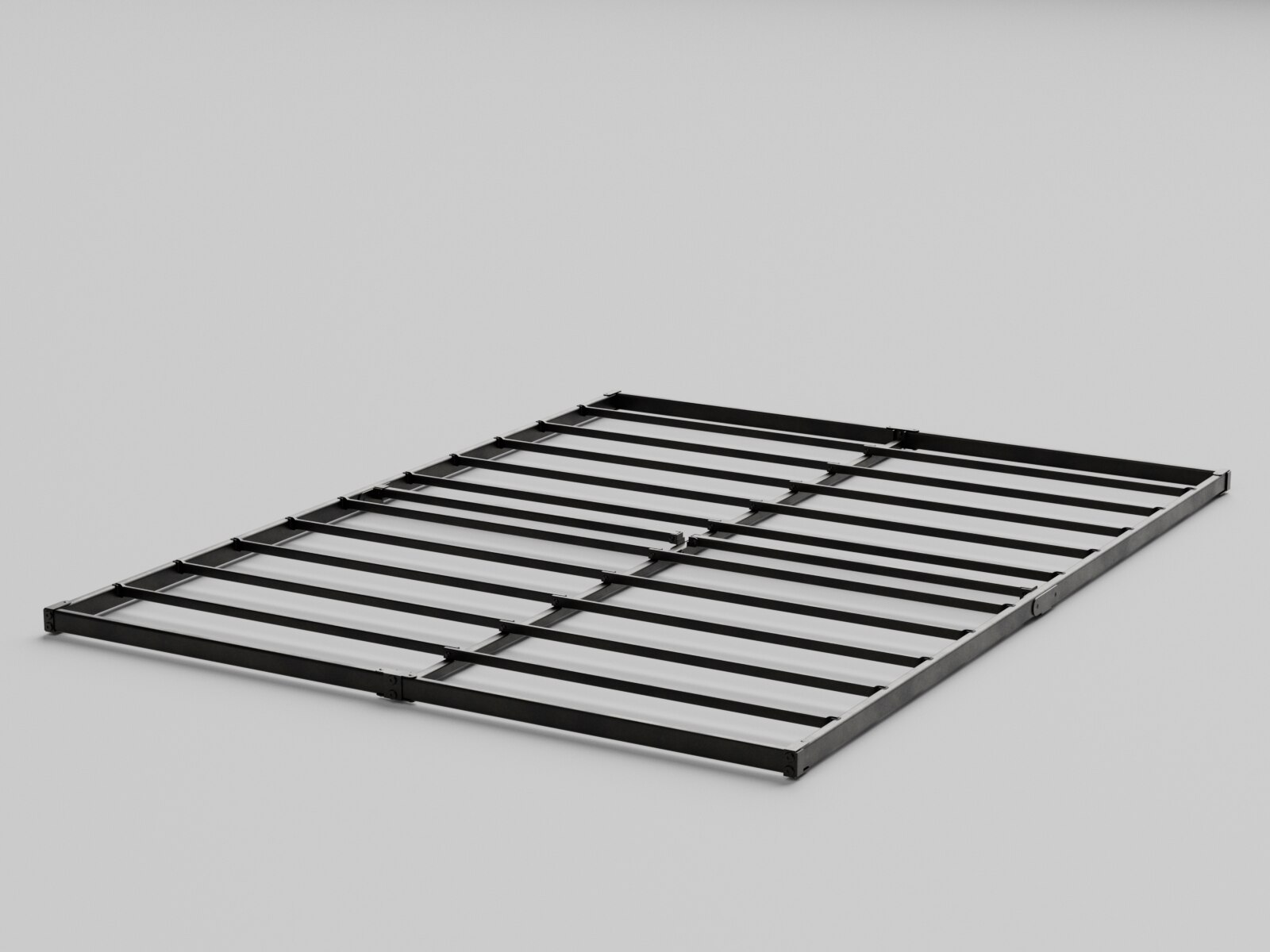
Construction determines how a low-profile foundation supports a mattress, not height alone. Common designs use a wood frame with slats, a steel framework with a support grid or a rigid deck beneath a fabric cover. Wood construction can provide steady support through a perimeter frame and crosspieces, while metal construction can offer a sturdy framework with relatively little bulk. For shoppers considering this material,
wooden low profile foundations are worth evaluating by their frame structure, slat spacing and stated weight capacity rather than appearance alone. Foam and latex mattresses often require a firm, relatively even support surface, and many hybrid mattresses have specific foundation requirements as well. Widely spaced slats or an unsuitable grid may allow parts of a mattress to dip between supports, even when the foundation itself feels sturdy. The mattress manufacturer’s requirements for slat spacing, center support and acceptable foundation types should take priority, including any conditions tied to warranty coverage. A foundation and a traditional spring-based box spring are not necessarily interchangeable; the right choice depends on the mattress design. Size and frame fit deserve the same attention. Match the foundation to the mattress size, whether that is twin, Twin XL, full, queen, king or California King, and check the actual dimensions against the bed frame’s interior opening. King and California King have different proportions, so matching the name alone is not enough if the frame’s dimensions are uncertain. A foundation should sit securely on the frame’s intended support points without overhanging, rocking or relying on the headboard and footboard for support they were not designed to provide. Larger setups may require a center rail and support legs extending to the floor. Most foundations also need a separate bed frame unless they are specifically designed to stand on their own. Platform beds may already provide adequate mattress support, while adjustable bases generally support the mattress directly; adding a stationary foundation should happen only when the equipment manufacturers approve that arrangement.
Daily use, access to the bedroom and routine care all influence how well a low height foundation fits a home. A one-piece foundation can be straightforward to position in an open room, but its shallow depth does not guarantee that it will turn through a narrow staircase or doorway. Split or ready-to-assemble construction may be more practical where a hallway has a tight corner or the bedroom is upstairs. Weight varies with materials and design, so a low-profile foundation should not be assumed to weigh less than every taller alternative. Before moving one, compare its dimensions with the route into the room and follow the handling instructions. Assembly also affects durability: fully seated connections, correctly positioned crosspieces and properly installed center supports help the structure carry weight as intended. The stated capacity should account for the mattress and sleepers, not just the mattress alone. Once in place, a stable foundation should stay level and resist shifting during ordinary use. New squeaks, movement at the corners or a visible dip are reasons to check the frame, hardware and support points rather than simply covering the problem with bedding. Care is usually uncomplicated, but it should follow the foundation’s instructions. Dust accessible surfaces, gently vacuum fabric-covered areas when permitted and avoid soaking upholstery or wood components. Airflow matters, especially with foam mattresses, so keep ventilation paths clear and avoid adding an unapproved solid layer that changes how the mattress is supported. If the mattress needs rotating, follow its care directions and check that the foundation remains properly positioned afterward. Lowering the foundation does not necessarily change the space beneath the bed; under-bed clearance usually depends on the frame and its legs. That distinction helps preserve room for storage without making assumptions about the finished setup. For a primary bedroom, guest room or a shared sleeping space, the lasting value of a low height foundation comes from matching its proportions and construction to the mattress, frame and people using the bed. A well-matched base keeps the focus on comfortable access, dependable support and a bedroom arrangement that feels natural every day.