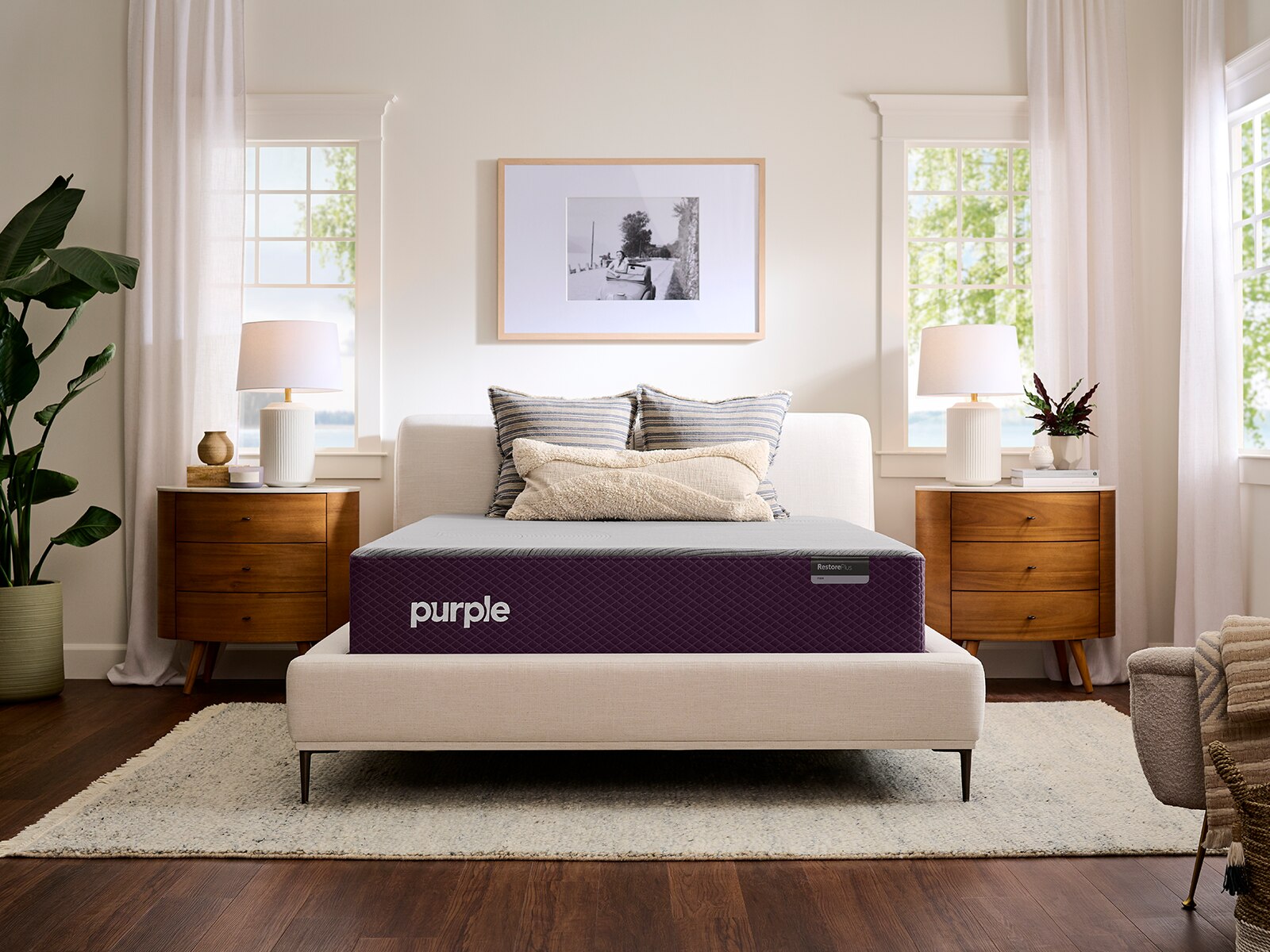
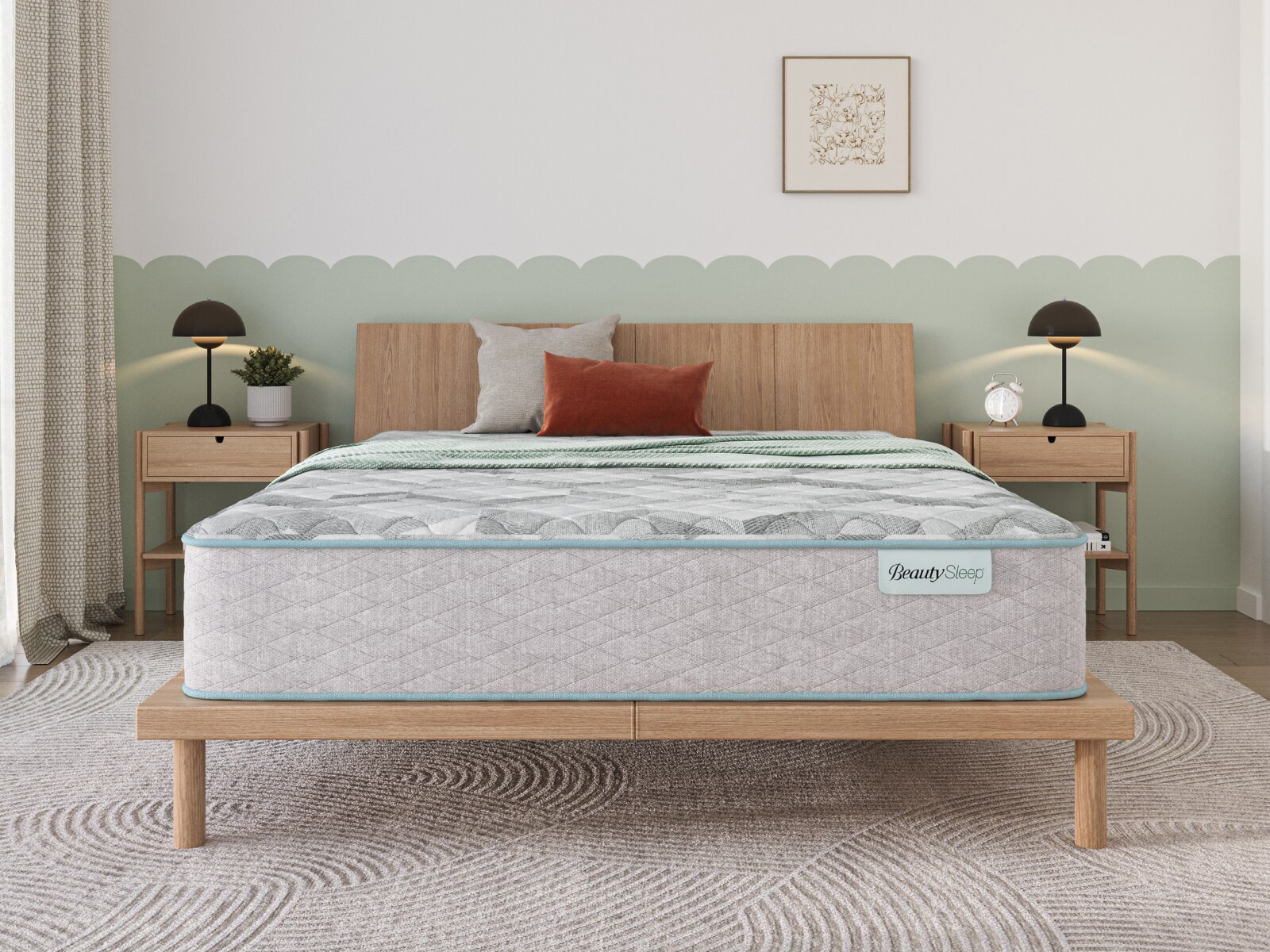
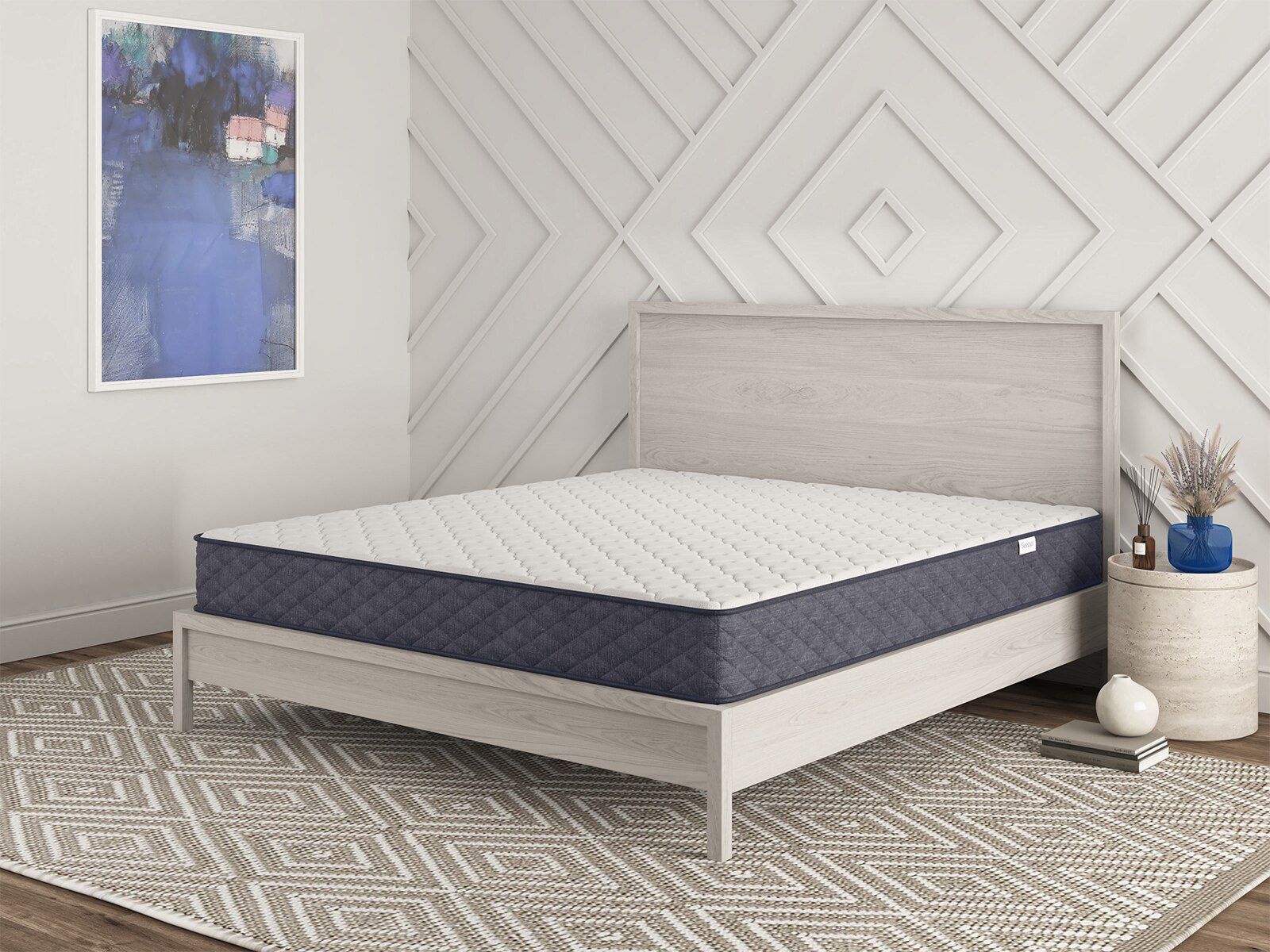
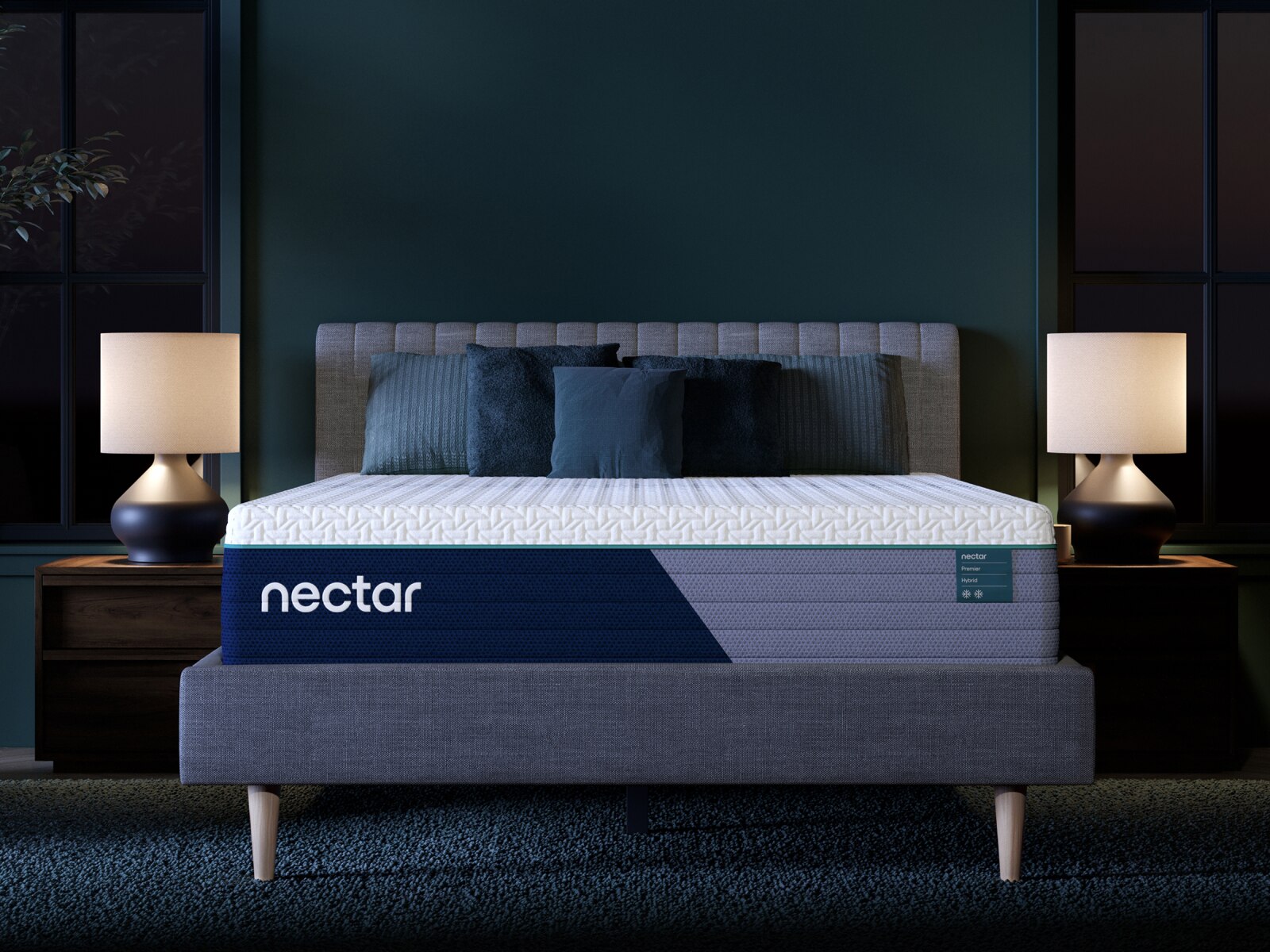
Finding the right mattress is essential for anyone experiencing lower back pain from bed mattress issues, especially as the seasons shift and routines change. Whether you’re waking up with a sore back from your mattress or noticing that your lower back pain fades after a few minutes of stretching in the morning, these are signals that your sleep surface may not be offering the support your body needs. Many adults—and even teens or college students—find themselves struggling with lower back pain from mattress sagging or misalignment, particularly if their bed is older or has developed visible impressions. During the warmer months, when more people travel or host guests, it’s common to notice that your back feels better after a night in a hotel or on a guest bed. This can highlight just how much your usual mattress might be contributing to discomfort. The “hammock” effect, where you sink too deeply and lose the natural curve in your lower back, is a frequent culprit. On the other hand, a surface that’s too firm can create pressure points, leaving muscles tense and sore by morning. If you’ve ever wondered about lower back pain how to lay down for comfort, the answer often starts with the right mattress and sleep position. Side sleepers may benefit from a pillow between the knees to keep hips aligned, while back sleepers often find relief with a pillow beneath the knees to maintain the lower back’s gentle curve.
When shopping for a solution to mattress hurting back concerns, it’s helpful to consider the unique needs of the person using the bed. For some, especially those with a history of back discomfort or athletes recovering from strenuous activity, investing in a mattress with targeted support can make nights more restorative and mornings more comfortable. These products are also thoughtful gifts for parents, grandparents, or anyone whose well-being you want to support—especially if you’ve noticed them mentioning a sore back mattress or struggling to get comfortable at night. If your mattress is more than seven to ten years old, or if you spot sagging in the hip area, it may be time for an upgrade. Even a high-quality mattress can lose its supportive qualities over time, and a new model can offer improved technology, better materials, and a more personalized fit. For those not ready to purchase a new bed, adding a mattress topper made of memory foam or latex can help relieve pressure points, especially if the current mattress feels too firm. It’s also important to check the foundation or bed frame, as inadequate support underneath can amplify back pain. Modular mattresses with adjustable firmness zones are becoming more popular, allowing users to customize support for different parts of the body—an option that’s especially valuable for couples with different comfort needs.
As you consider these product options, remember that the ultimate goal is to maintain healthy spinal alignment and minimize muscle strain during sleep. The right balance of contouring comfort and firm support can help you wake up feeling refreshed and ready to enjoy the day, whether you’re heading out for a summer adventure or settling in for a cozy evening at home. If you’re uncertain about what level of firmness or type of support is best for your body, our Sleep Experts® are always available to guide you through the decision-making process. For more in-depth information about how to address lower back pain from mattress issues and discover solutions tailored to your needs, visit our resource page on
Mattress Support For Back Pain. Taking the time to find a mattress that fits your body and sleep style can make all the difference in your comfort, energy, and overall well-being—season after season.