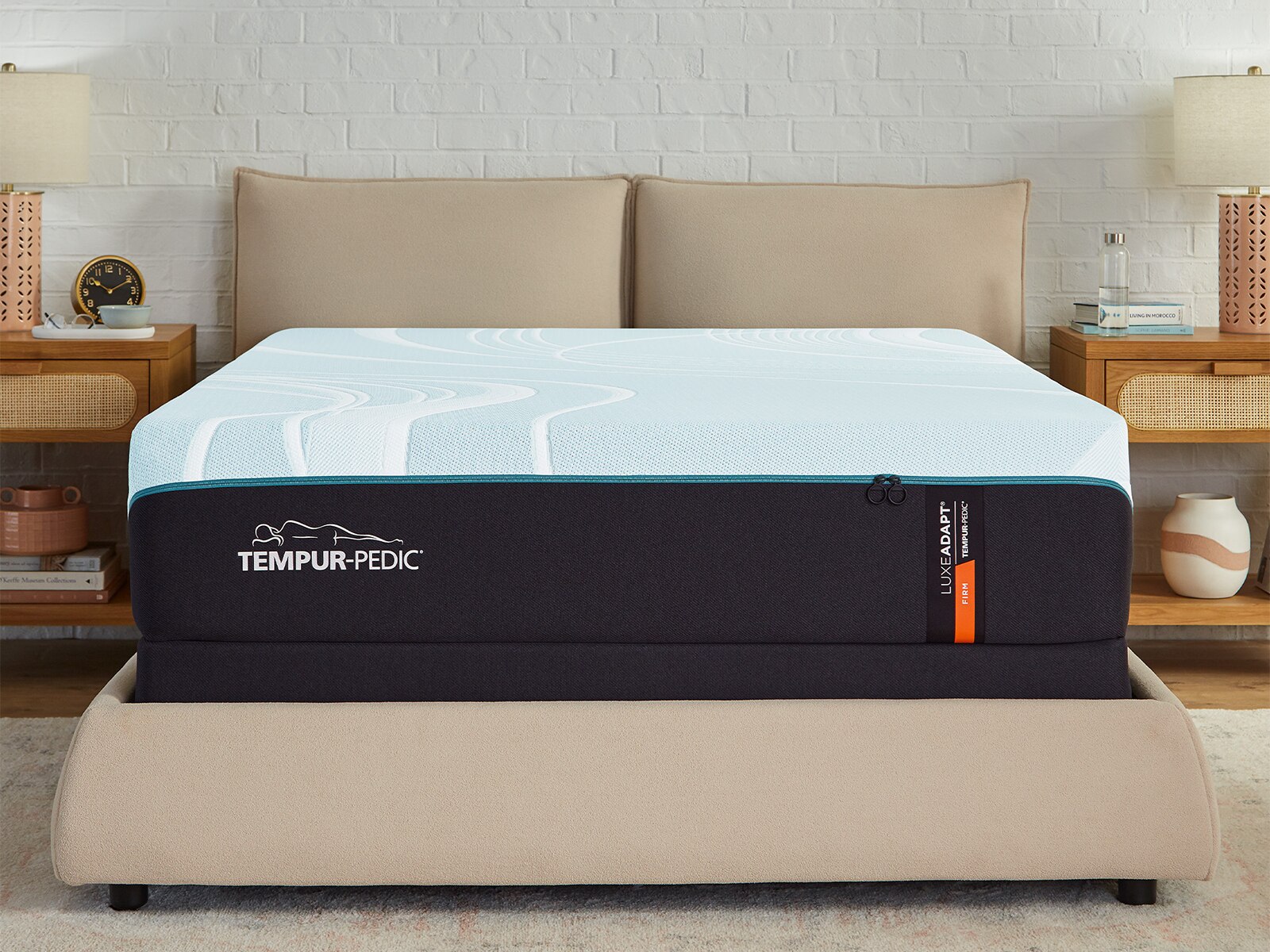
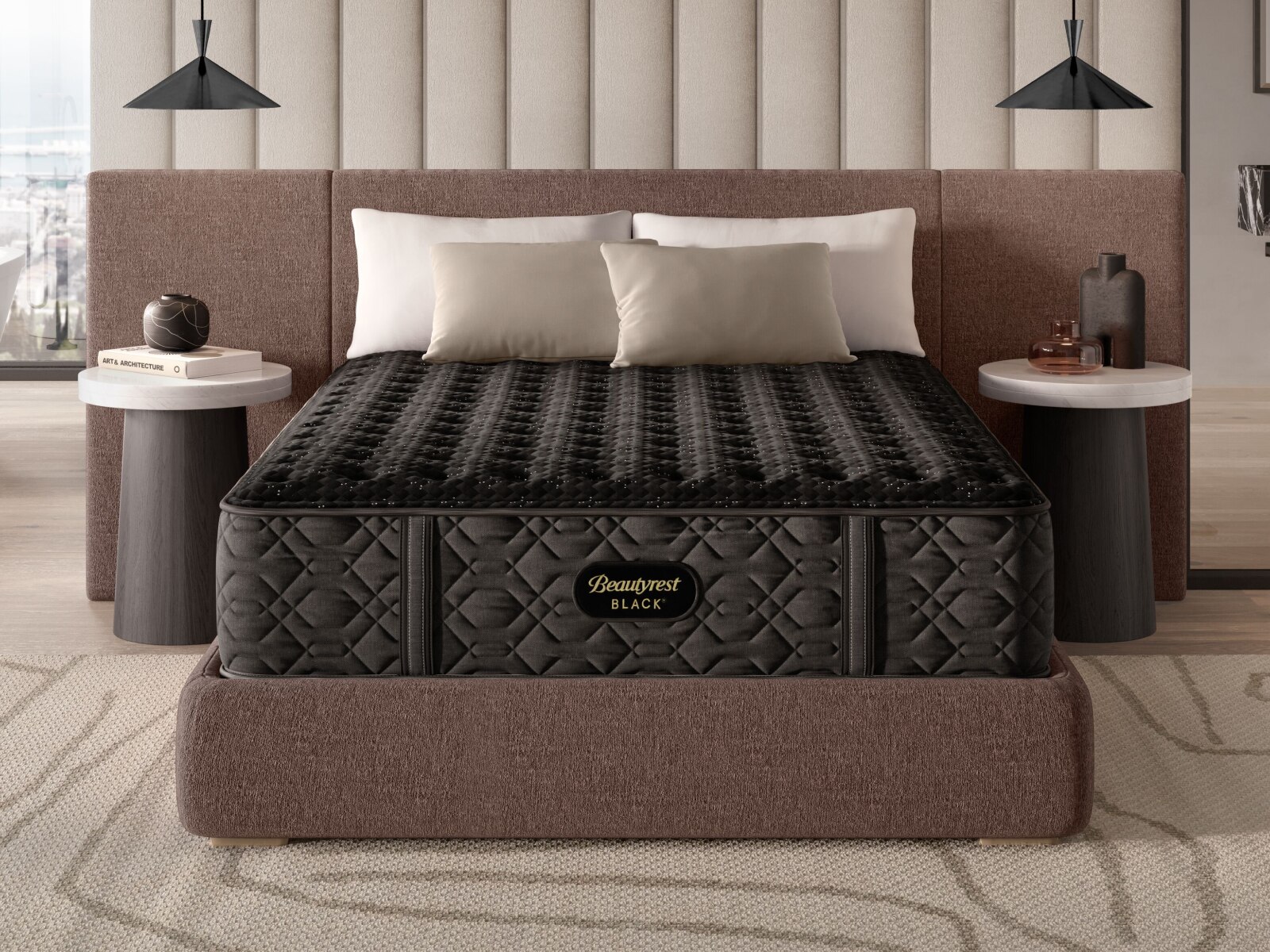
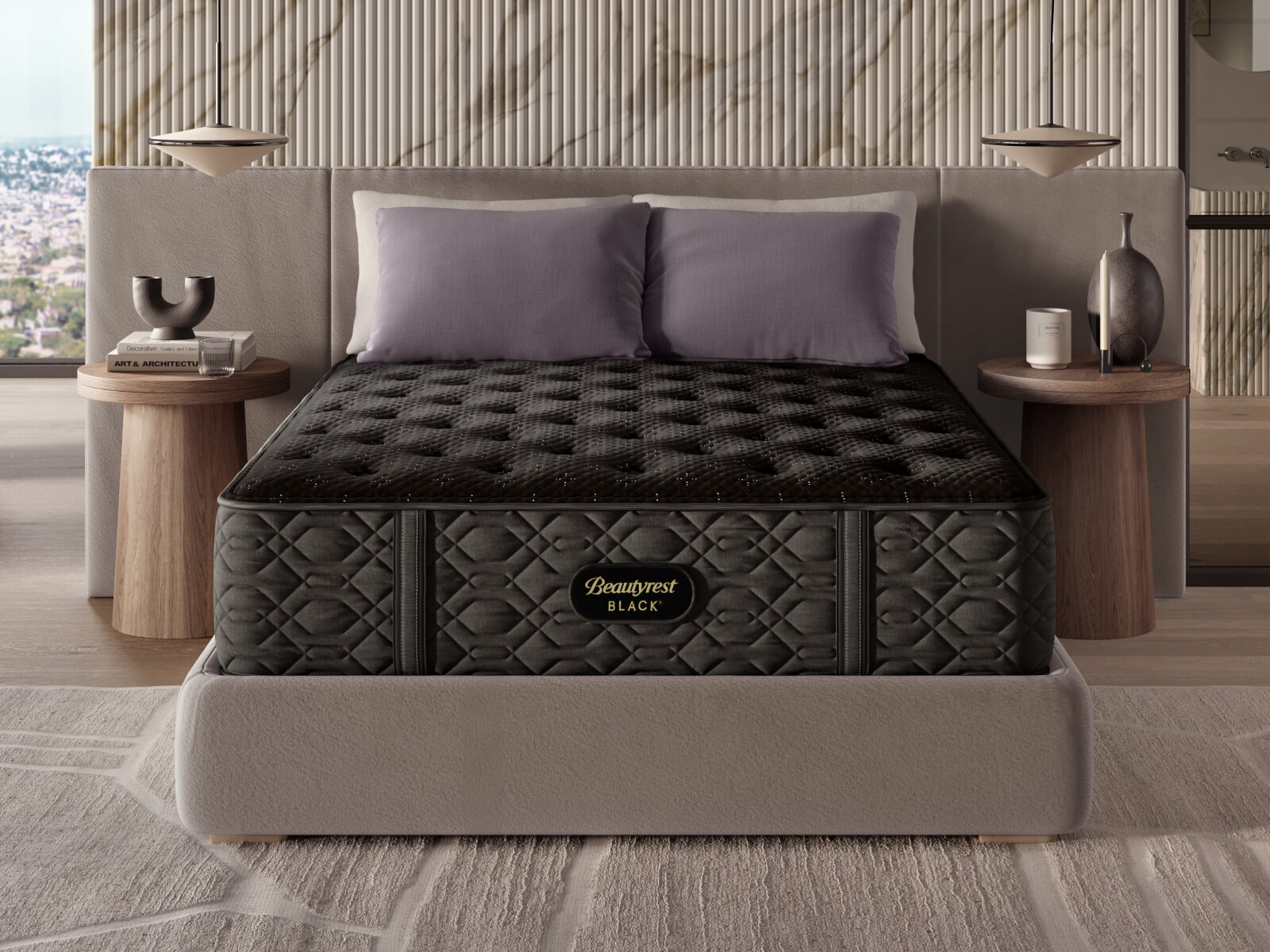
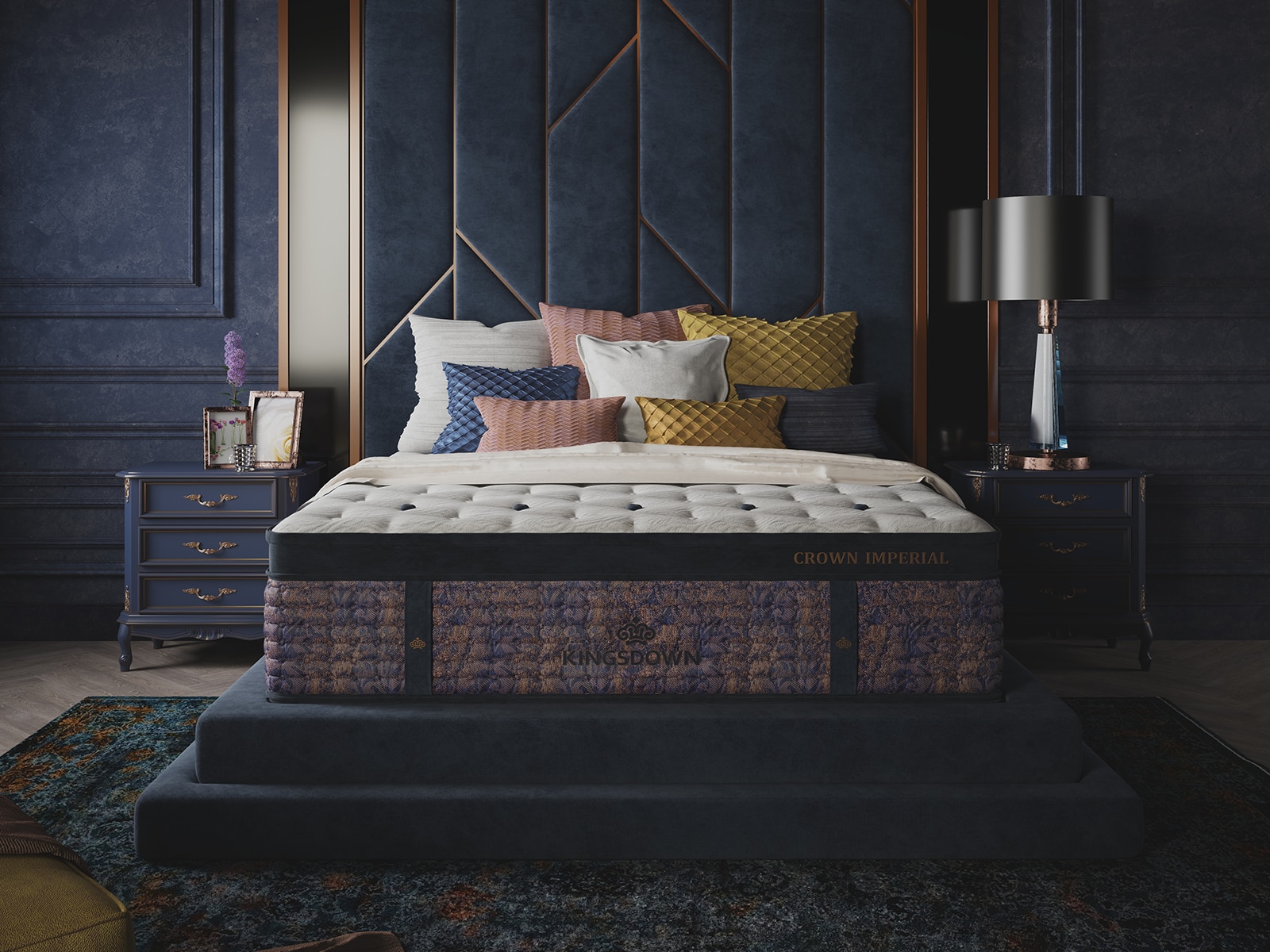
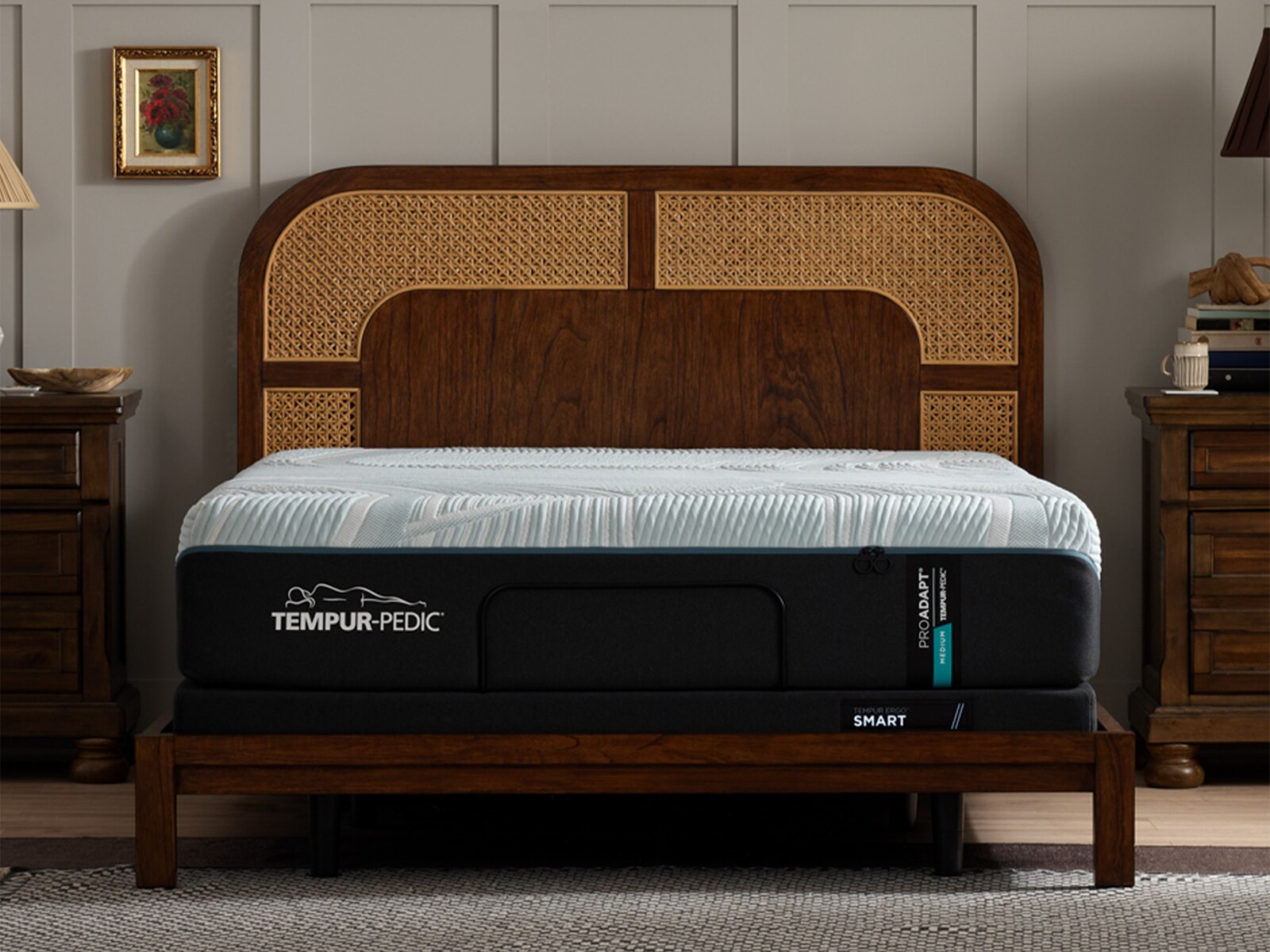
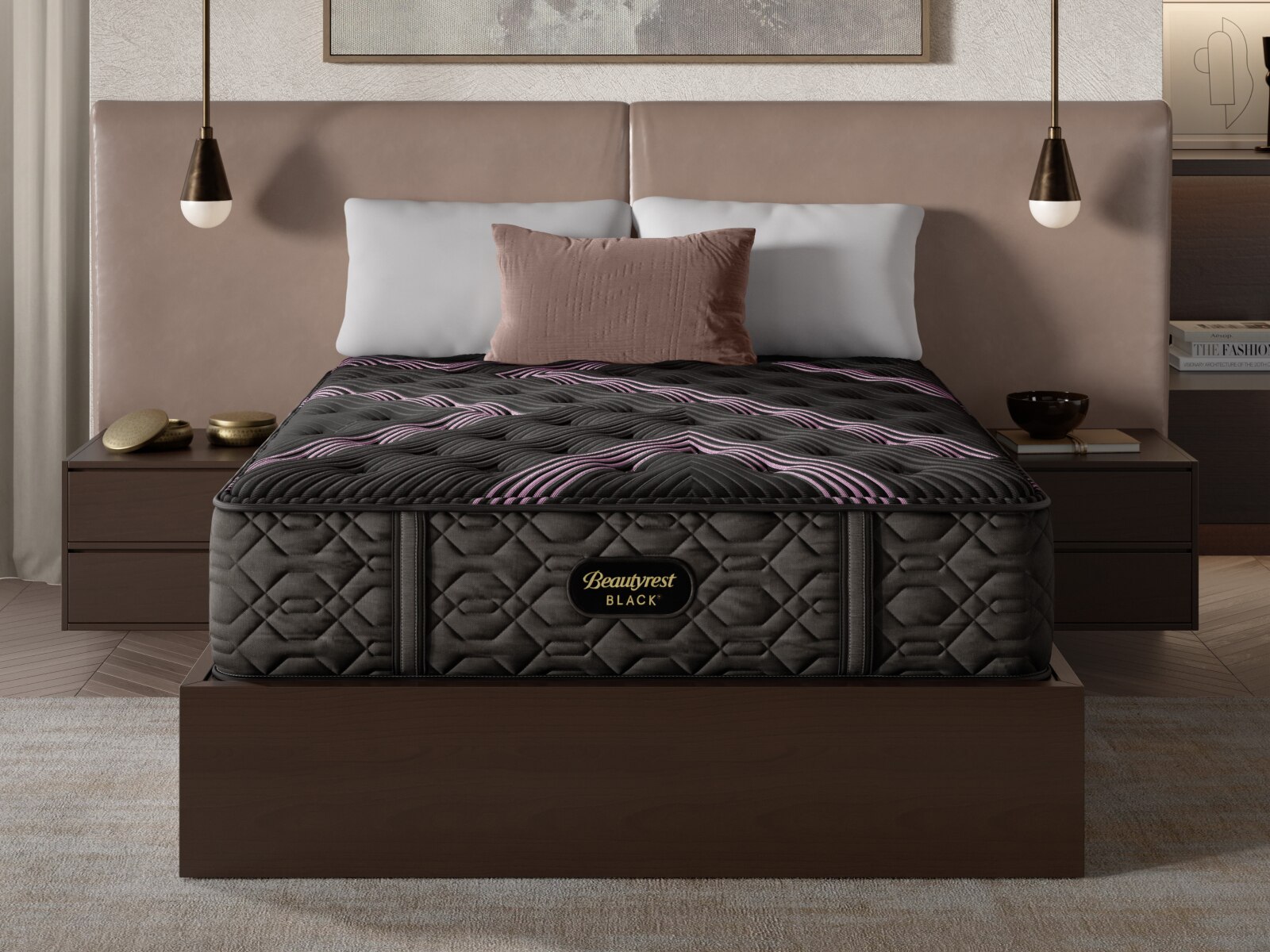
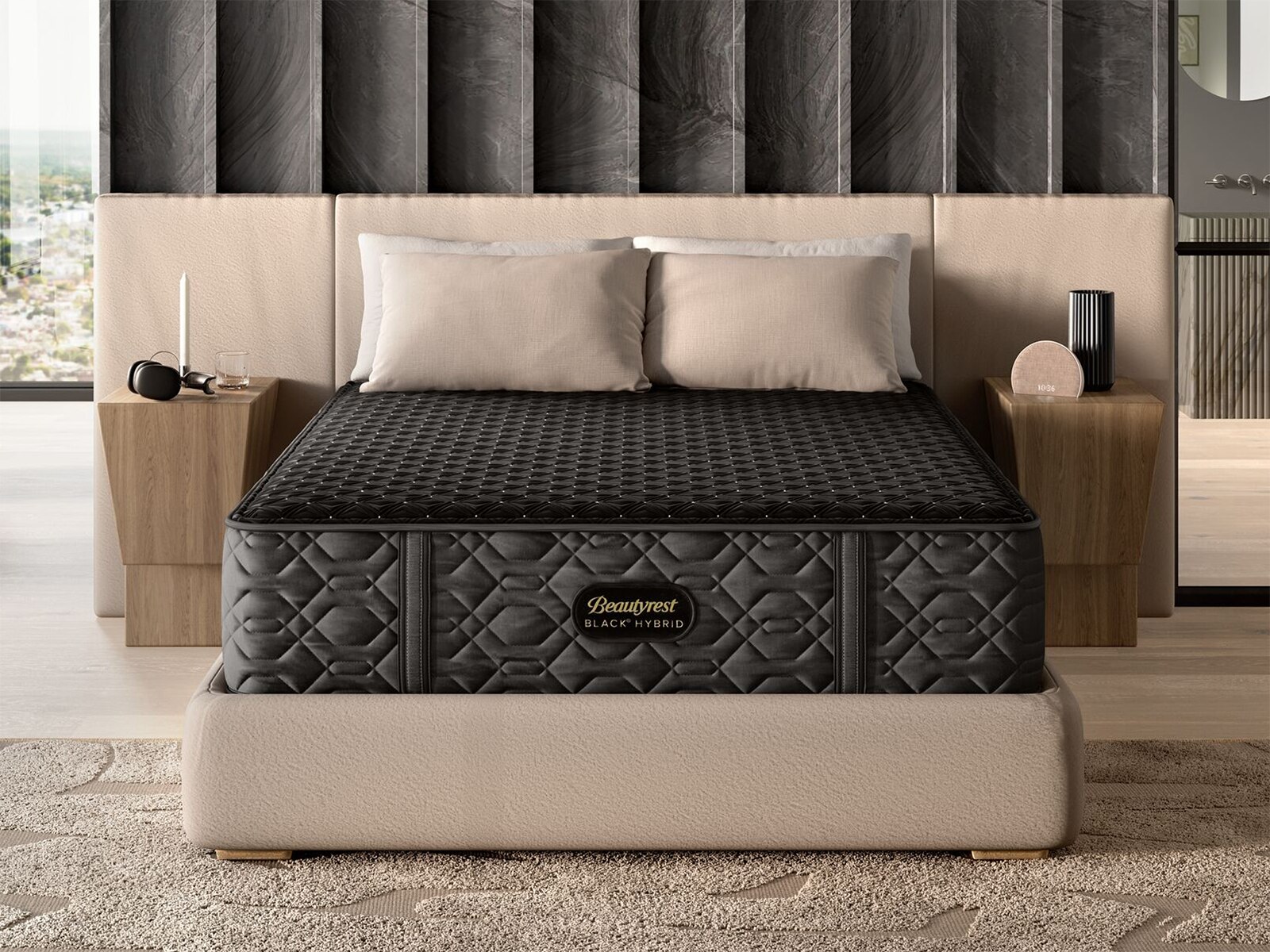
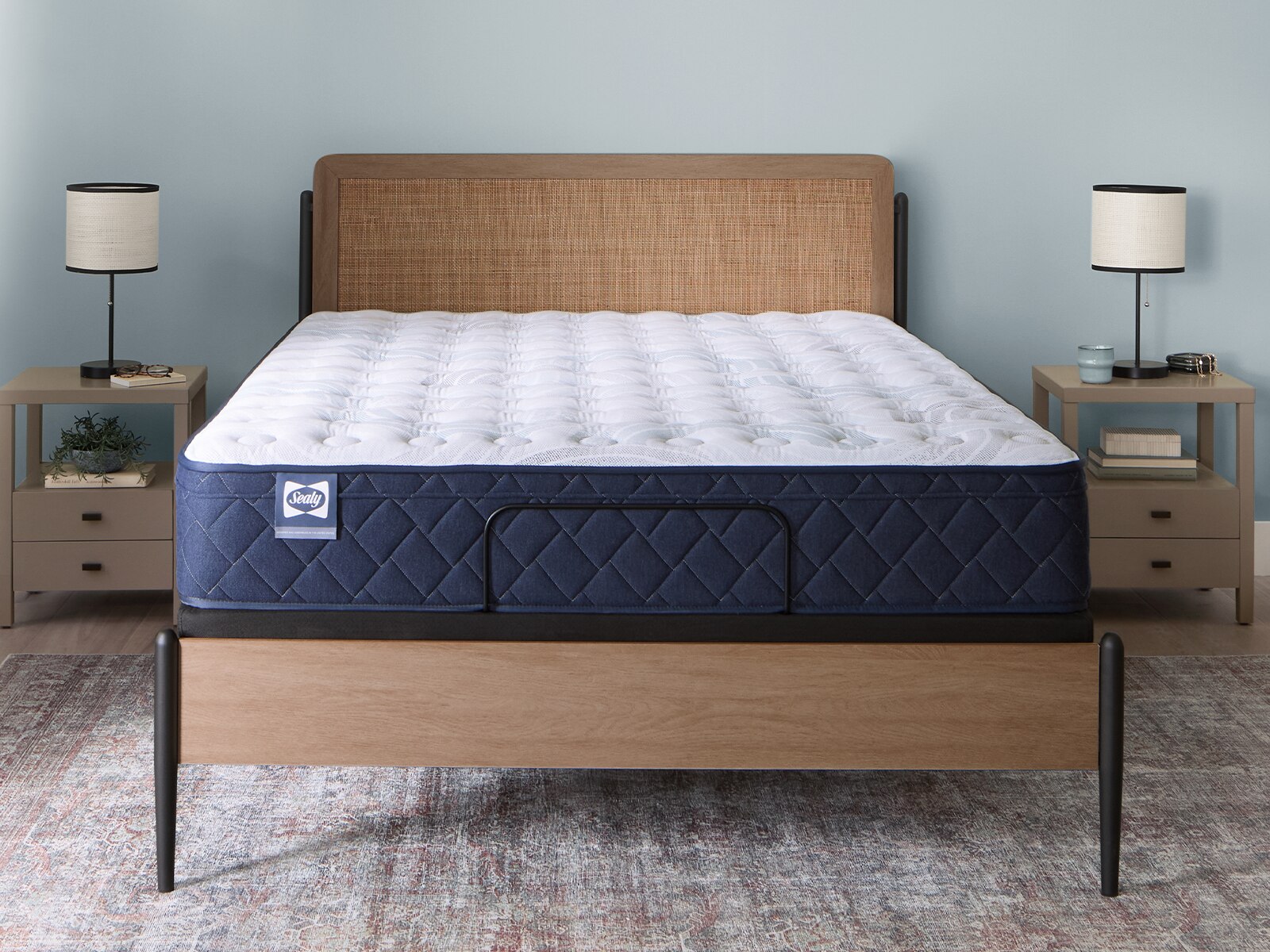
Mattresses with a ventilated latex layer are designed to offer a responsive, breathable feel with supportive comfort for a wide range of sleepers. During manufacturing, small pinholes or channels are added to the latex to encourage air to move through the material, helping reduce the warmth that can build up in a dense foam layer. This airflow can be especially appealing for people who tend to sleep warm, use heavier bedding during cooler months or share a mattress with a partner whose body heat affects the sleep surface. Latex is naturally buoyant, so it gently cushions the shoulders, hips and other pressure points while helping keep the body lifted rather than deeply cradled. Many sleepers describe the sensation as easy to move on, which may be helpful if you change positions throughout the night or prefer not to feel surrounded by your mattress. Ventilated latex can be used in an all-latex design or combined with individually wrapped coils in a latex hybrid. An all-latex mattress generally has a more uniform, quietly responsive feel, while a hybrid can add the familiar springiness, edge support and airflow associated with a coil system. In either construction, the cover and comfort layers influence the overall experience, so consider the complete mattress rather than focusing on the ventilated layer alone. Breathable fabrics such as cotton or wool may complement latex by allowing air to pass near the surface, while a thicker quilted cover can add softness and a more cushioned first impression.
Firmness is one of the most important considerations when comparing these mattresses. A firm comfort level may suit stomach sleepers and some back sleepers who prefer a flatter, more supportive surface, while side sleepers often appreciate enough cushioning to ease pressure around the shoulders and hips. Combination sleepers may favor a medium feel that balances contouring with the responsive lift of latex. Personal preference, body shape and sleeping position all matter, and two mattresses with the same firmness label can feel different depending on their construction. For shoppers who prefer a stable surface with noticeable support, explore options such as
Firm Mattresses With Latex Layer. Pay attention to the thickness and placement of the latex, too. A thicker comfort layer may provide more contouring, whereas a thinner layer over coils can feel springier and more direct. Zoned designs may use different levels of support beneath the shoulders, waist and hips, although the usefulness of zoning depends on your sleep position and how closely the mattress fits your body. Couples should consider motion transfer, edge support and the ease of changing positions, especially when one person sleeps lightly or follows a different schedule. Latex typically responds quickly when weight shifts, which can make getting in and out of bed feel less effortful, but that same responsiveness may not provide the deep, slow sink some memory foam sleepers enjoy. If you are replacing an older mattress, give thought to the difference in feel as well as the advertised features, and use available in-home trial, delivery and return details to make the transition more comfortable.
A ventilated latex mattress can be a practical choice for a primary bedroom, a guest room or a new home, particularly when you want a durable-feeling sleep surface that does not rely on a heavily enveloping sensation. It can also be a thoughtful household gift for someone moving, furnishing a first apartment or creating a more welcoming guest space, although mattresses are highly personal purchases and firmness preferences are worth confirming before ordering. For a guest room, a balanced feel may accommodate different sleeping styles better than an especially plush or firm design. In a main bedroom, match the mattress to the foundation or adjustable base recommended by the manufacturer, and check the room dimensions before arranging delivery. A supportive base can help the mattress perform as intended, while an incompatible frame may affect comfort, appearance or warranty coverage. Keep the sleep environment in mind as well: breathable sheets, a lighter comforter and a properly fitted mattress protector can support the airflow benefits of ventilated latex, while dense waterproof layers or very warm bedding may change the feel at the surface. People with latex sensitivities should review the materials and certifications carefully, since a cover may reduce direct contact but does not necessarily eliminate exposure. Look for clear information about latex content, construction, care instructions, foundation requirements, warranty terms and trial policies. As the weather warms or during the cooler months, a well-matched mattress, breathable bedding and a comfortable bedroom temperature can work together to create a more inviting place to rest. With the right firmness, construction and support system, a mattress with a ventilated latex layer can provide pressure relief, responsive comfort and a fresh, balanced feel night after night.