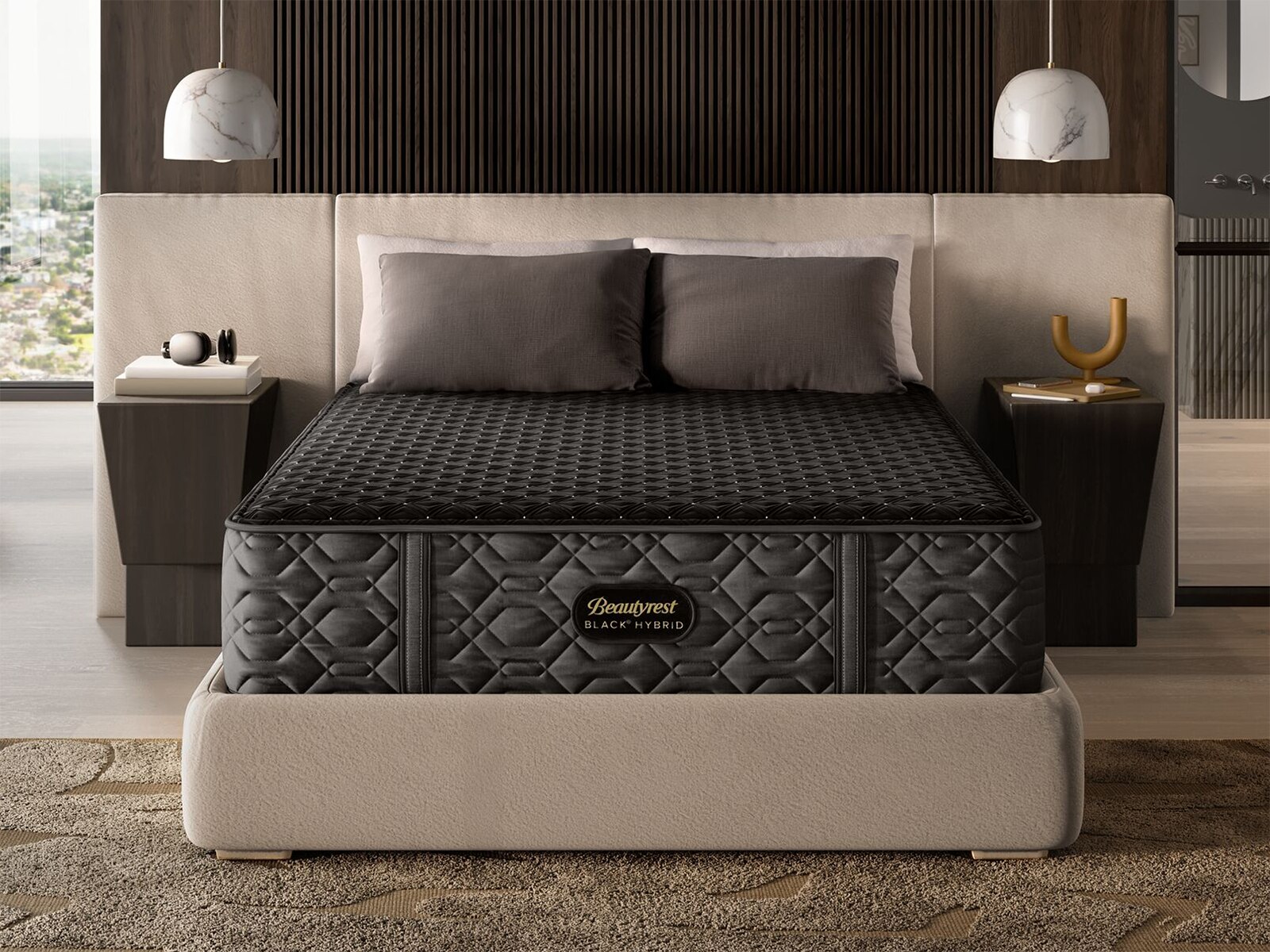
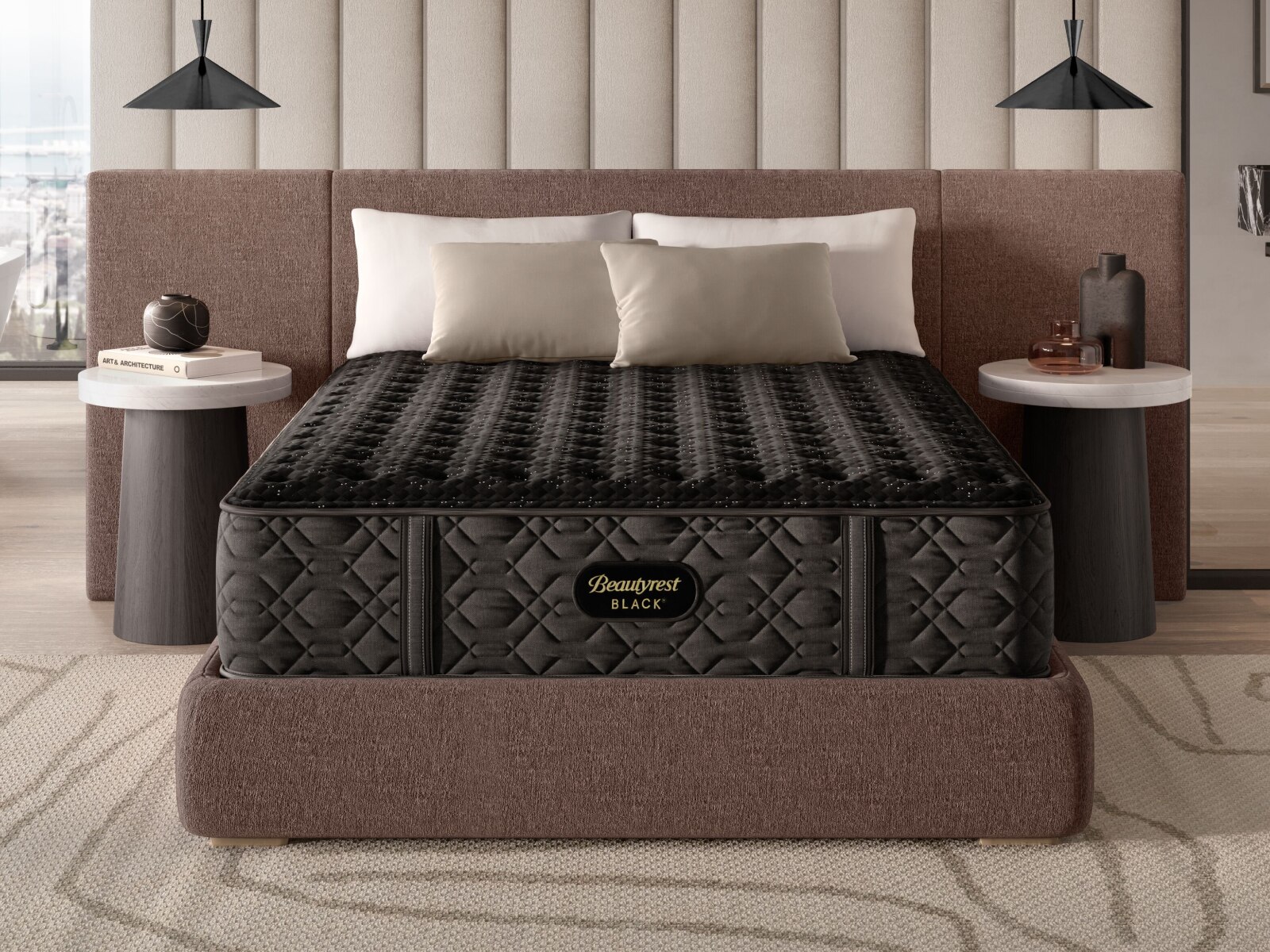
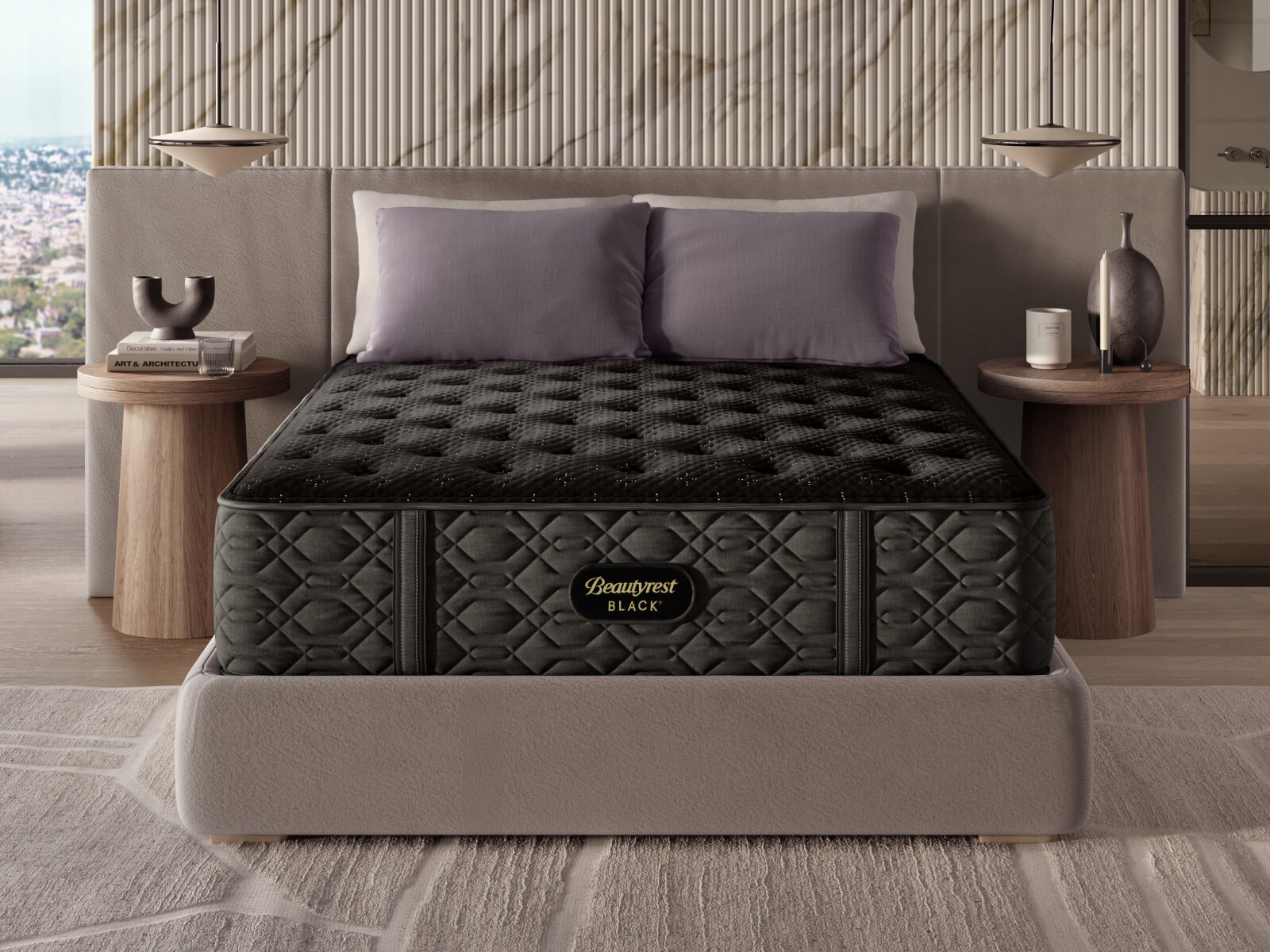
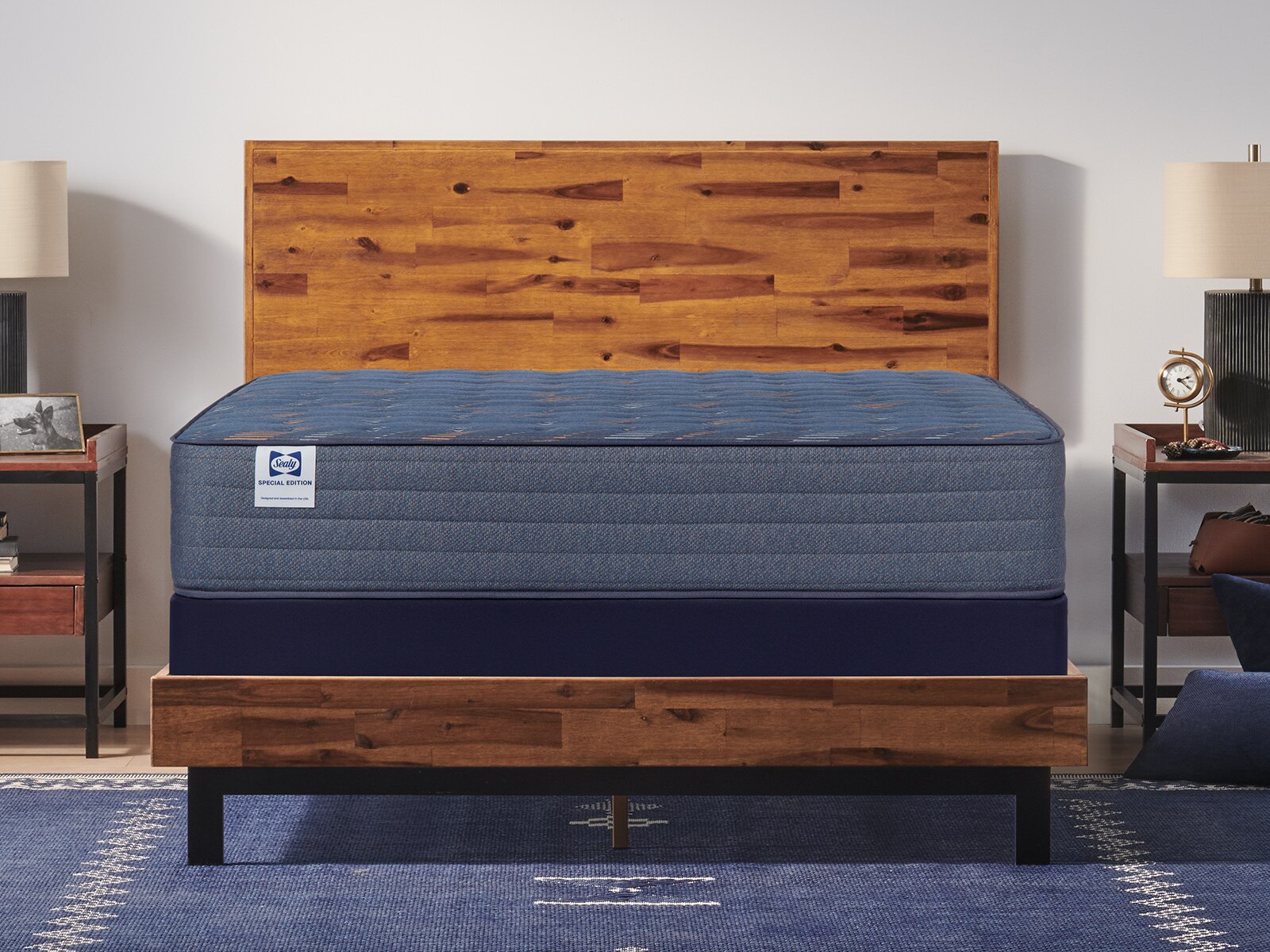
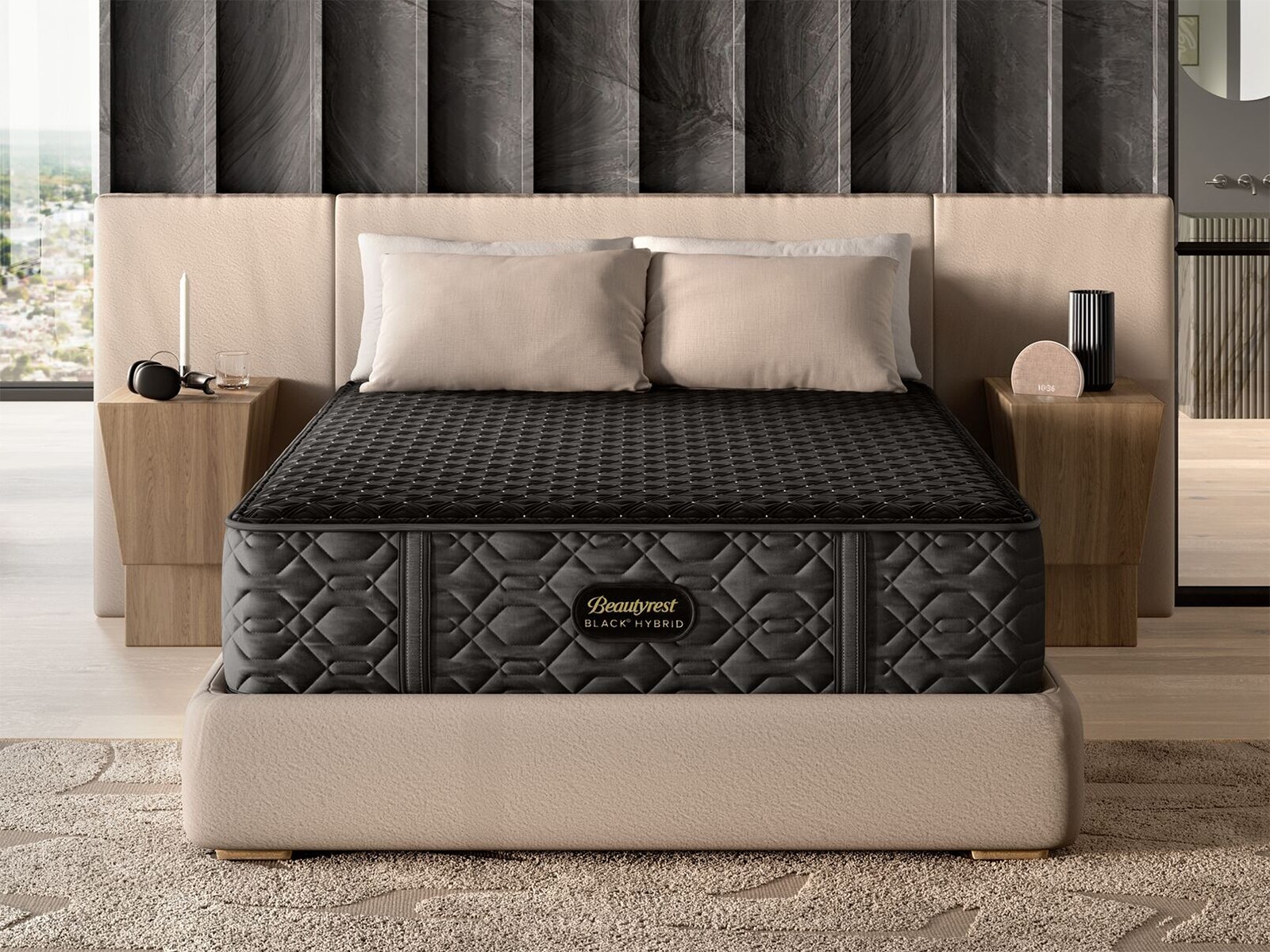
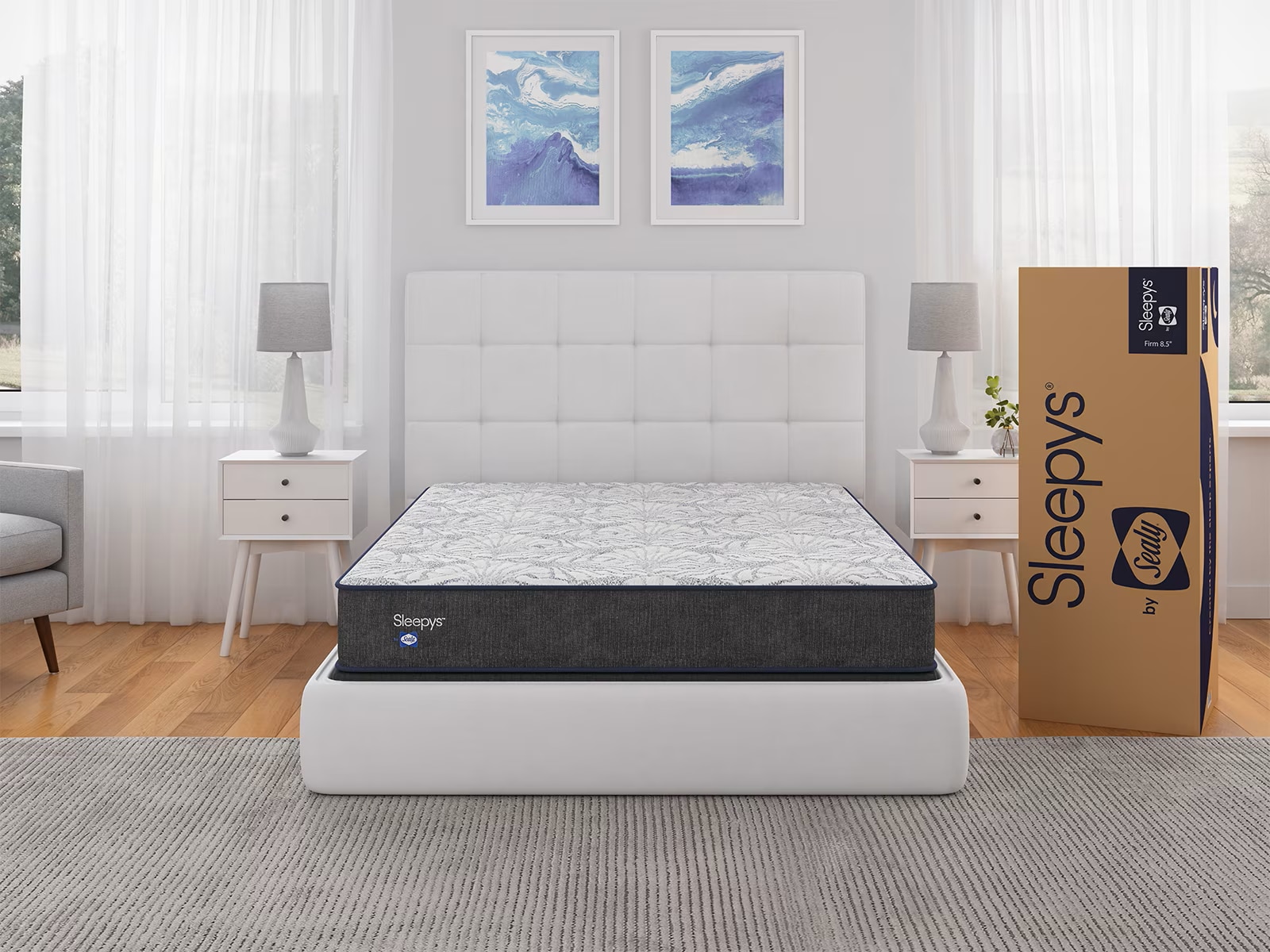
Mattresses with self-response latex offer a buoyant, adaptable feel that responds as you settle in and change positions. Self-response latex describes a resilient latex comfort material that compresses beneath your body and rebounds when that pressure moves, rather than holding a deep impression for an extended time. The result is often described as sleeping more on the mattress than in it, although the exact sensation depends on the thickness of the latex, the layers above and below it and the support system underneath. For someone who rolls from their side onto their back or shifts position several times before falling asleep, that responsiveness can make movement feel less restricted. Latex can also cushion the shoulders and hips while providing a gently springy surface, so responsiveness does not necessarily mean a mattress feels hard. In a hybrid mattress, a latex comfort layer works with a coil support system; in other constructions, it may sit above additional foam or latex layers. Memory foam, quilted cushioning and the mattress cover can soften or change the feel of that combination. A model with latex beneath a substantial memory foam layer may feel quite different from one that places latex closer to the sleep surface. The term self-response latex does not, by itself, describe the entire mattress or guarantee a particular firmness level. Latex materials may use naturally sourced rubber, synthetic latex or a blend, and the material description should identify what is included. Likewise, details such as perforations, zoned construction and the amount of latex vary by mattress. These distinctions matter because a thin latex layer within a deeply cushioned mattress will not necessarily deliver the same buoyancy as a thicker latex comfort system. Looking at the full construction gives a clearer picture of how the mattress may feel during an ordinary night, from settling onto a shoulder to turning over without feeling caught in a deep cradle.
The right balance of cushioning and support depends on sleep position, body size and personal preference, not simply whether a mattress contains latex. Side sleepers often need enough surface give for the shoulder and hip to settle comfortably without the waist feeling unsupported. Back sleepers may prefer a more even cradle that supports the lower back while allowing the hips to sink slightly. Stomach sleepers generally benefit from a surface that limits excessive sinking around the midsection, though individual comfort still varies. A mattress that feels firm to a lighter sleeper can feel more yielding to someone who places greater pressure on the same layers. For shoppers who enjoy latex responsiveness but prefer a less cushioned surface,
Firm Mattresses With Latex Layer offers a more focused category to consider. Firmness and support are related, but they are not interchangeable: firmness describes the initial feel, while support involves how the complete mattress holds the body through the night. Someone who reads in bed or sits along the side to put on socks may also notice perimeter support, which depends on the mattress construction rather than latex alone. Couples have another balance to consider. A responsive surface can make repositioning easier, but it does not automatically prevent one partner from noticing the other turning over. Motion isolation depends on the combination of comfort layers, coils and other materials. When trying a mattress together, spending time in usual sleep positions can reveal more than a brief seated test. Notice whether the shoulder feels compressed, whether the hips settle noticeably lower than the rest of the body and whether turning requires effort. The goal is a comfortable, supported position that feels easy to maintain, not a surface chosen solely because its firmness label sounds right. Pillow height matters as well, since a different amount of shoulder sink can change how comfortably the head and neck rest.
Practical details help determine how well a mattress with self-response latex fits a bedroom and holds up to everyday use. Size should account for the sleepers, their usual movements and the space needed to walk around the bed, open drawers and change the sheets. A thicker mattress may require deeper-pocket sheets and can raise the finished bed height, especially when paired with a substantial foundation. That height matters when sitting down, standing up or reaching a bedside table. Latex-containing mattresses can also be heavy, so dimensions, delivery access and the effort involved in rotating the mattress deserve attention. For an adjustable base, compatibility should be confirmed for the complete mattress rather than assumed from the flexibility of latex alone. The same applies to platform beds and slatted frames: required slat spacing, center support and foundation specifications come from the mattress manufacturer. Consistent support underneath helps the mattress perform as intended and avoids placing unnecessary strain on its layers. Latex is valued for its resilience, but durability still depends on material quality, construction, use and care; no single layer establishes how long the entire mattress will remain comfortable. A washable protector can help keep everyday moisture and spills away from the sleep surface. Cleaning should follow the care label, with spills addressed promptly and any damp area allowed to dry fully before bedding goes back on. Avoid saturating the mattress or assuming that its cover can be removed and machine washed. Rotate only as recommended, and flip a mattress only when it is specifically designed for use on both sides. For a primary bedroom, the priority may be a feel that remains comfortable across different sleeping positions night after night. In a guest room, a balanced surface may suit a wider range of visitors. In either setting, the most useful combination is responsive comfort, appropriate support and a construction that fits both the sleeper and the bed beneath it.