Memory foam mattress ratings can make it easier to compare recommended beds by focusing on the comfort and performance details that matter most in everyday sleep. Memory foam is designed to respond to body heat and pressure, creating a gently contoured feel around the shoulders, hips and lower back. That close cushioning can help reduce pressure buildup for side sleepers, particularly those who prefer a softer surface that allows the shoulder and hip to settle without leaving the rest of the body unsupported. Back sleepers may also appreciate the even, balanced support of a responsive foam comfort layer, while stomach sleepers often benefit from a firmer design that helps prevent the midsection from sinking too deeply. Because every sleeper has different proportions, preferences and support needs, a high rating should be viewed as a helpful starting point rather than a guarantee that one feel will suit everyone. Ratings typically reflect factors such as pressure relief, firmness, motion isolation, temperature regulation, ease of movement, edge support and overall value. Paying attention to those categories can help you find a mattress that feels comfortable night after night, whether you like a solid, gently buoyant surface or the deeper hug associated with traditional memory foam. If you are comparing several recommended options, consider your preferred sleep position, whether you share the bed and how you feel on your current mattress in the morning. Aching shoulders, a stiff lower back or frequent disruptions when a partner turns over can point to different priorities than a sleeper who mainly wants a familiar, cushioned feel.
One of the most recognizable benefits of memory foam is motion isolation. The material absorbs movement rather than allowing it to travel across the sleep surface, which can be especially helpful for couples with different schedules or sleep habits. A partner getting up before sunrise, a pet shifting near the foot of the bed or a child climbing in during the night may create less disturbance when the mattress is built to limit motion transfer. Memory foam can also offer a secure, pressure-relieving feel for sleepers who spend much of the night on their sides. Imagine settling into bed after a long day and feeling the surface cushion the points that usually press hardest into the mattress; that gradual contouring is part of what makes foam appealing. At the same time, the amount of sink and the ease of changing positions can vary considerably. Softer foam may feel enveloping, while firmer foam generally makes it easier to roll, sit up and move across the surface. Some sleepers prefer a more responsive construction that supports quick repositioning, especially if they tend to alternate between their back and side. Temperature is another important consideration. Traditional foam may retain more warmth than an innerspring or hybrid design, so sleepers who often wake feeling hot may want to look for ventilated foam, breathable covers or materials intended to promote airflow. Bedroom temperature, sheets, blankets and personal sleep habits all contribute to the experience, but the mattress remains an important part of the overall feel. Edge support deserves attention as well. A sturdy perimeter can make it easier to sit down, stand up and use the full width of the bed, while softer edges may compress more noticeably when weight is concentrated near the side. Shoppers with larger bedrooms, children who share the bed or a preference for sitting on the edge may want to give this feature extra weight when comparing memory foam mattress ratings.
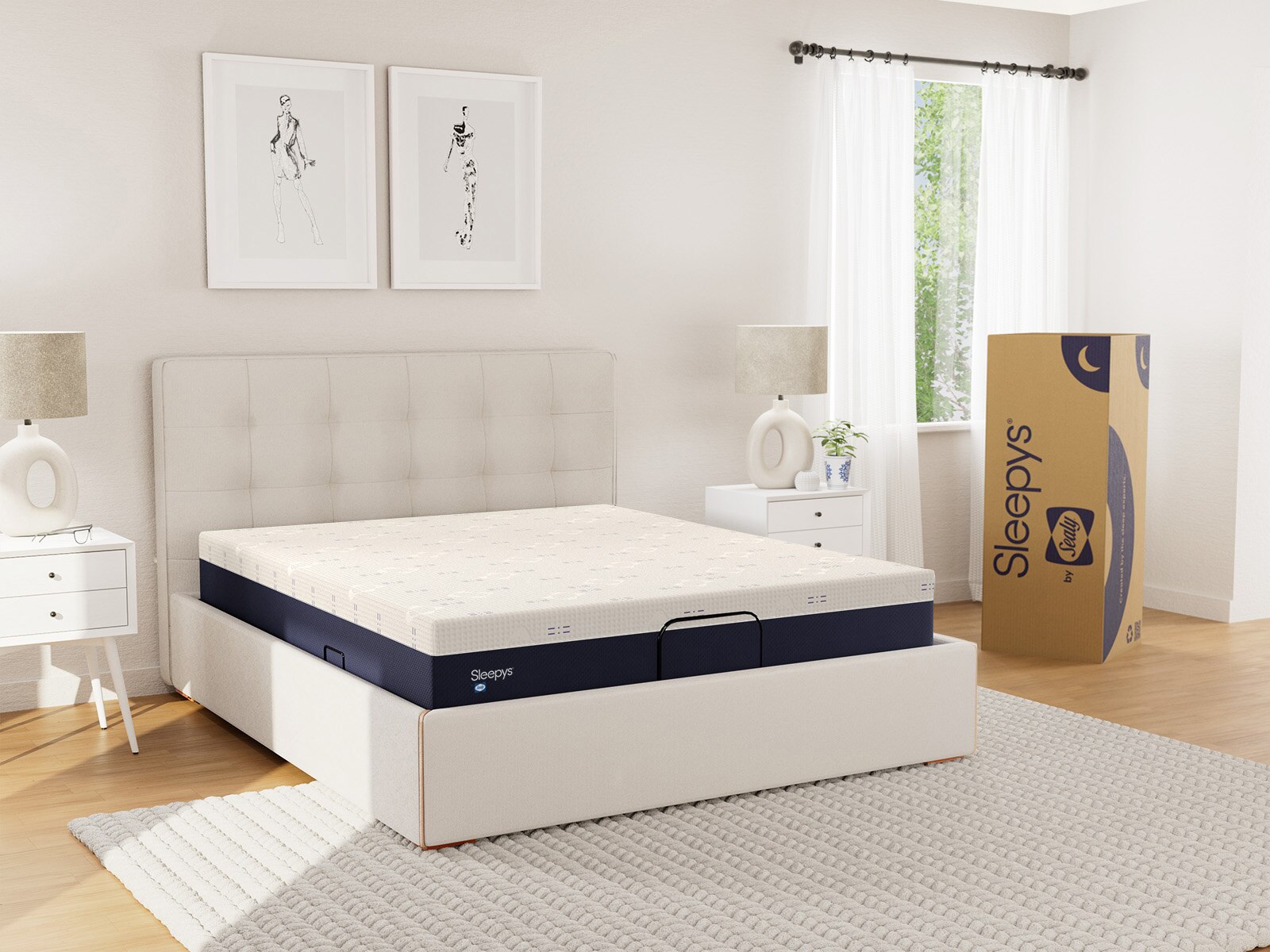
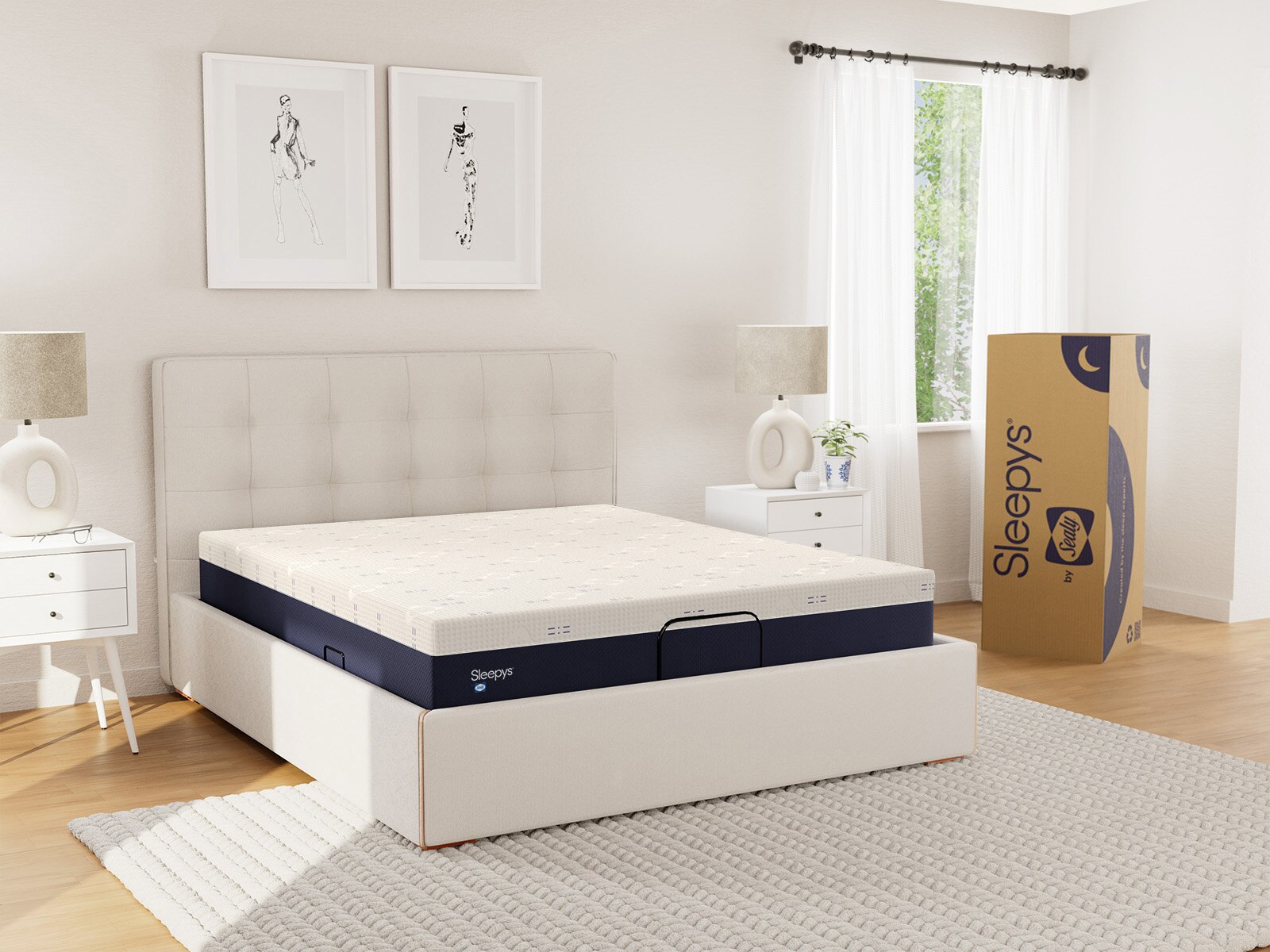
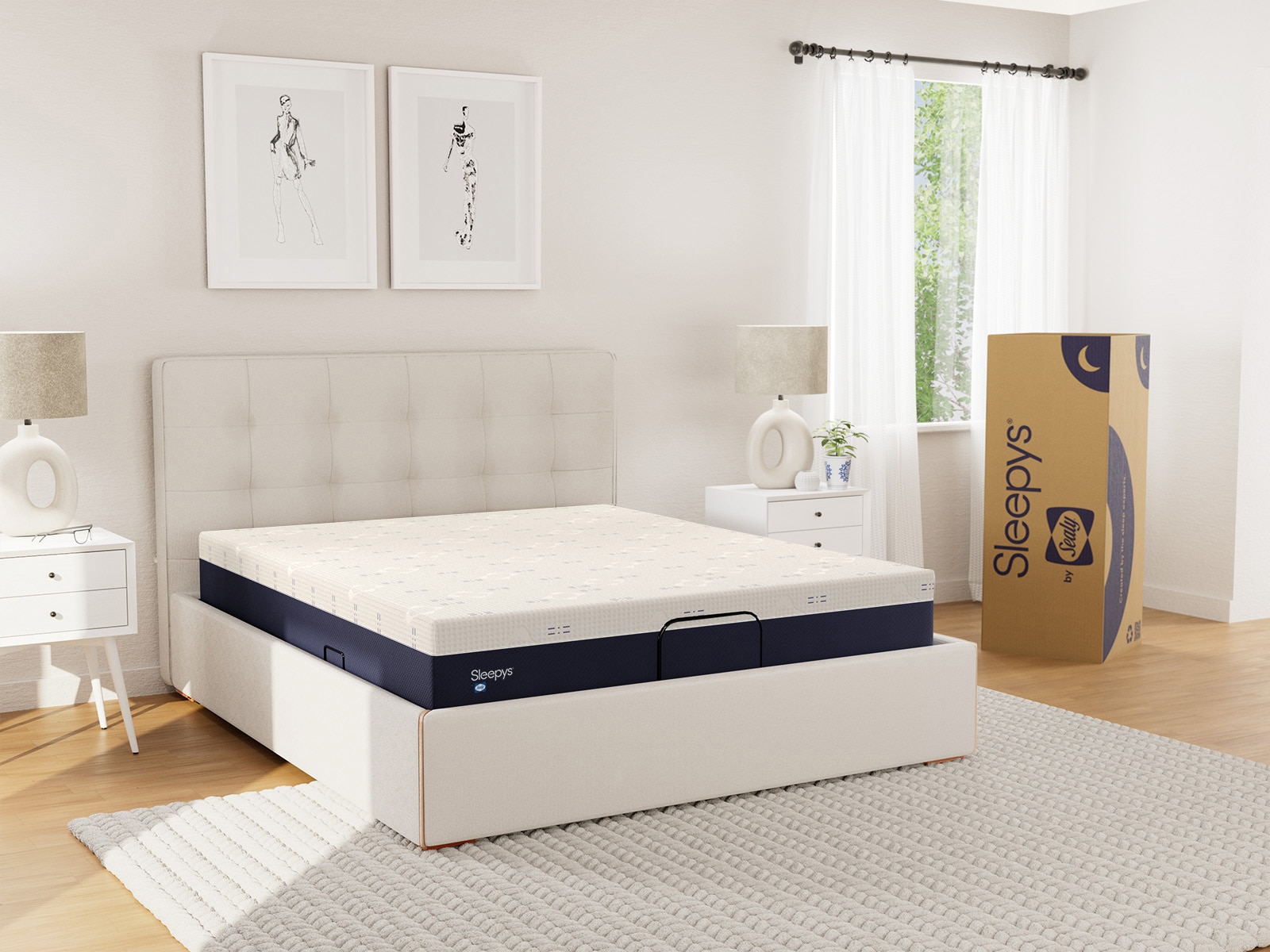
A mattress is a personal purchase, but it can also be a thoughtful choice for a guest room, a new home or someone creating a more comfortable bedroom after a move. For gifting, it is usually best to confirm the recipient’s preferred size, firmness and sleeping position before making a selection, since comfort is highly individual and mattress dimensions need to match the bed frame. A memory foam mattress can be a practical addition for a recent graduate furnishing a first apartment, a family preparing a welcoming guest space or anyone replacing an older surface that has developed visible impressions. Before choosing, measure the room and existing foundation, check whether the mattress is compatible with the frame and account for the height of sheets, protectors and any topper you plan to use. A mattress protector can help guard the sleep surface from spills, perspiration and everyday wear, while breathable bedding may complement foam’s contouring feel during warmer conditions. Keep in mind that a new mattress may have a noticeable material scent when first unpacked; allowing it to air out in a well-ventilated room according to the manufacturer’s directions can help the scent dissipate. Many boxed mattresses also need time to fully expand before they reach their intended shape and comfort, so review the setup instructions and any trial or return terms before opening the package. For a broader look at recommended foam options, explore
Best Foam Mattresses. As the weather warms or the cooler months encourage longer nights indoors, the right mattress can help create a bedroom that feels calm, supportive and inviting. Compare the features behind the ratings, think about how you sleep rather than how a mattress looks in a listing and choose the balance of cushioning, support and temperature comfort that feels right for your routine.