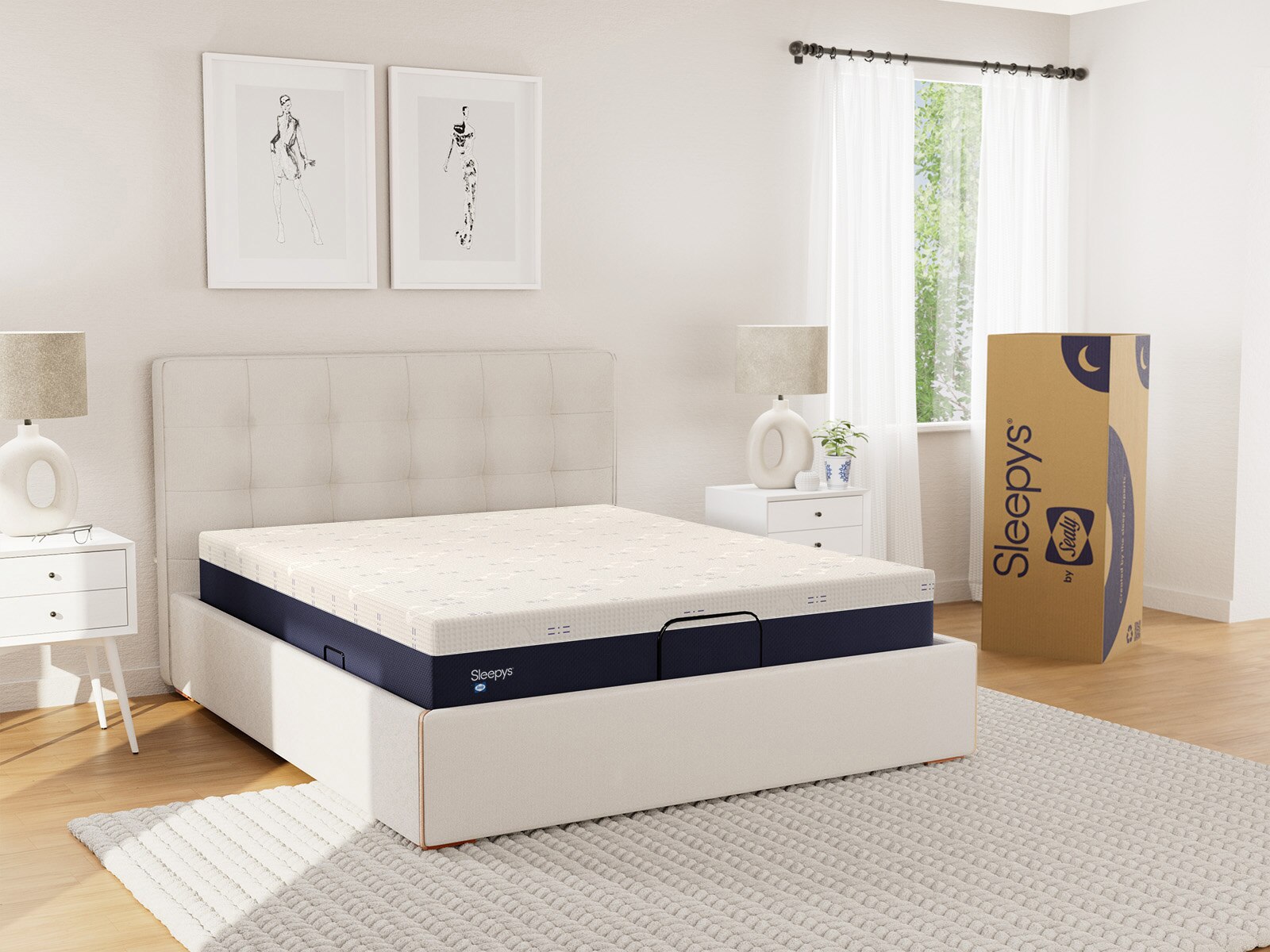
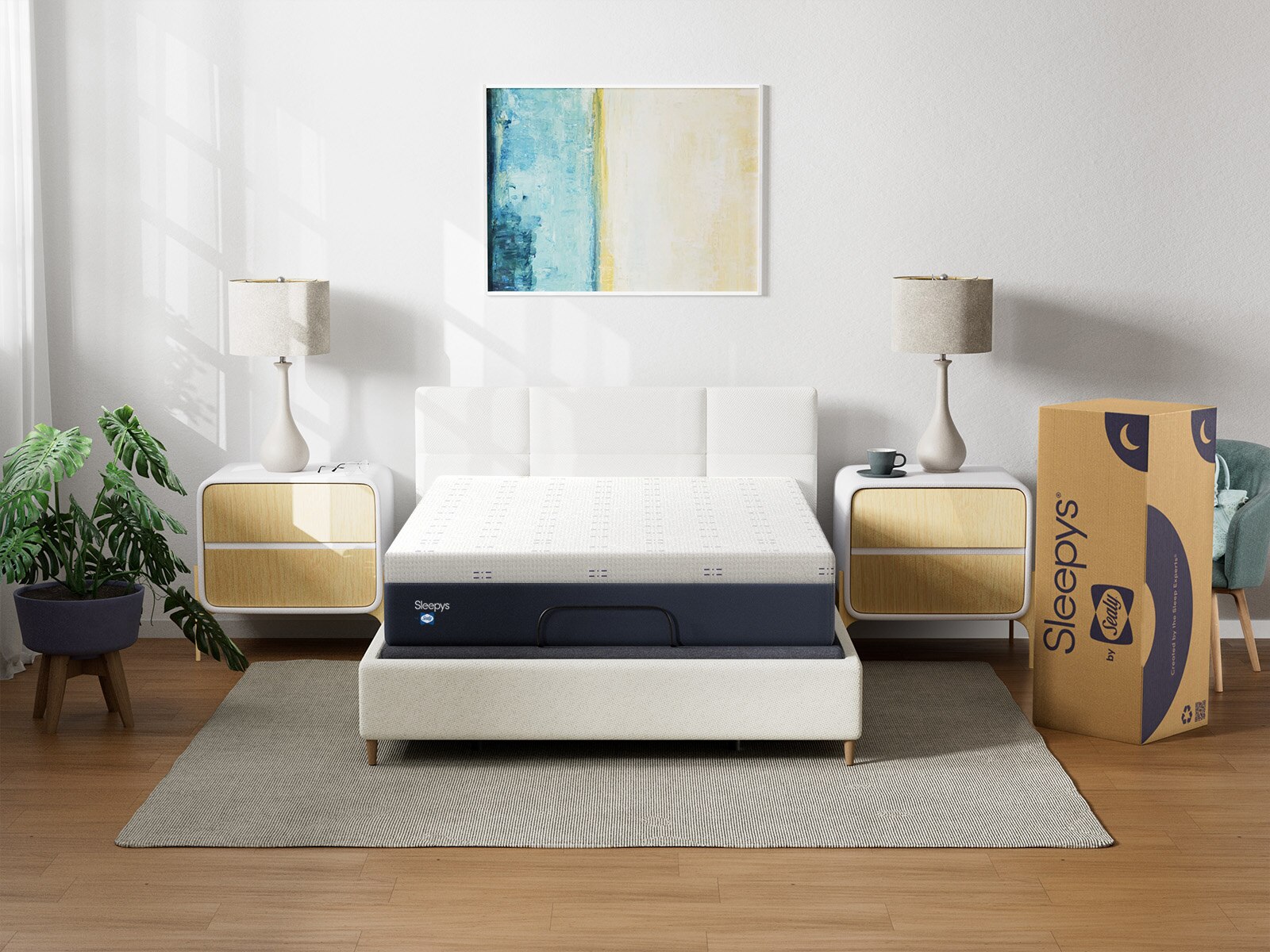
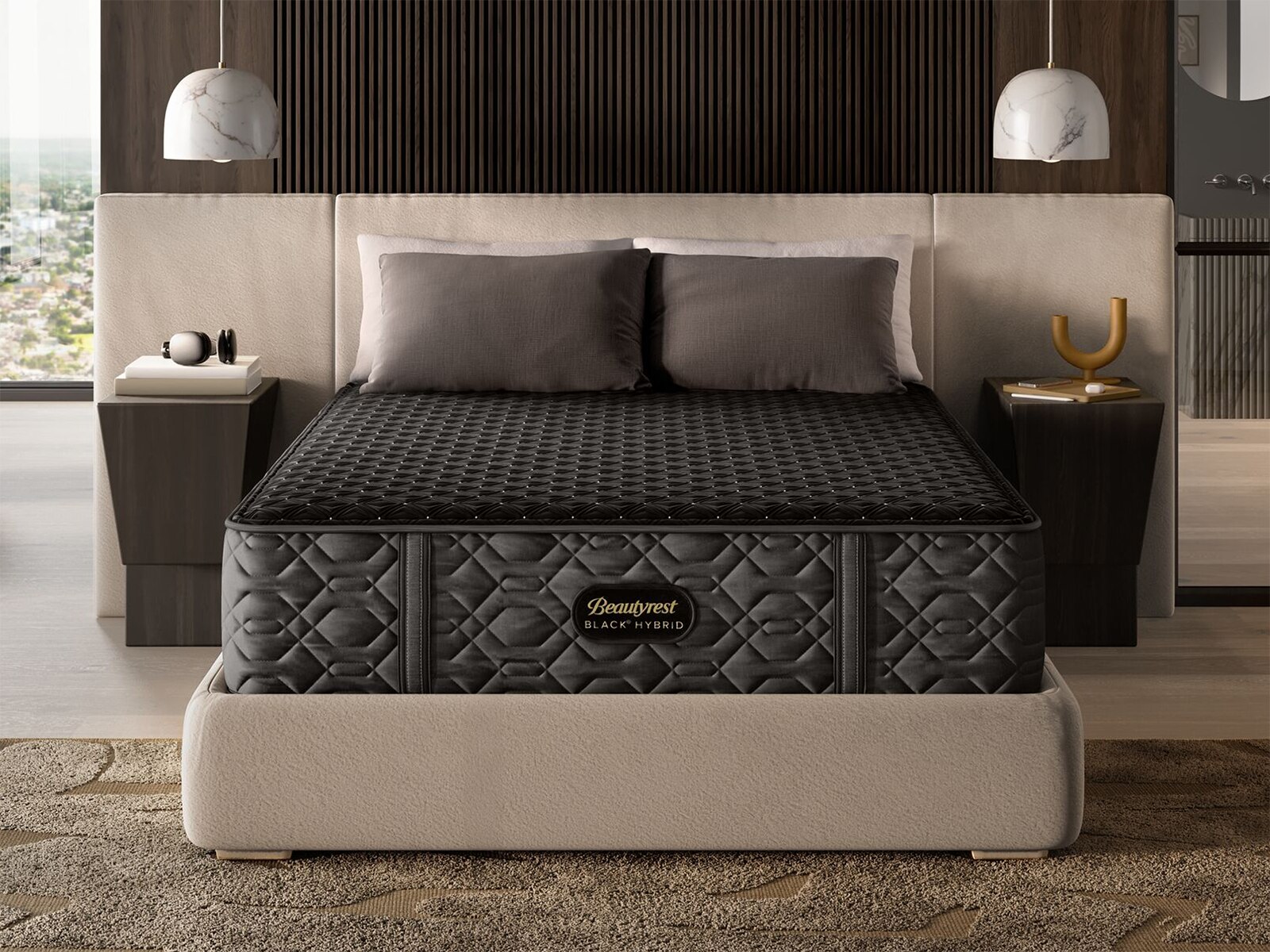
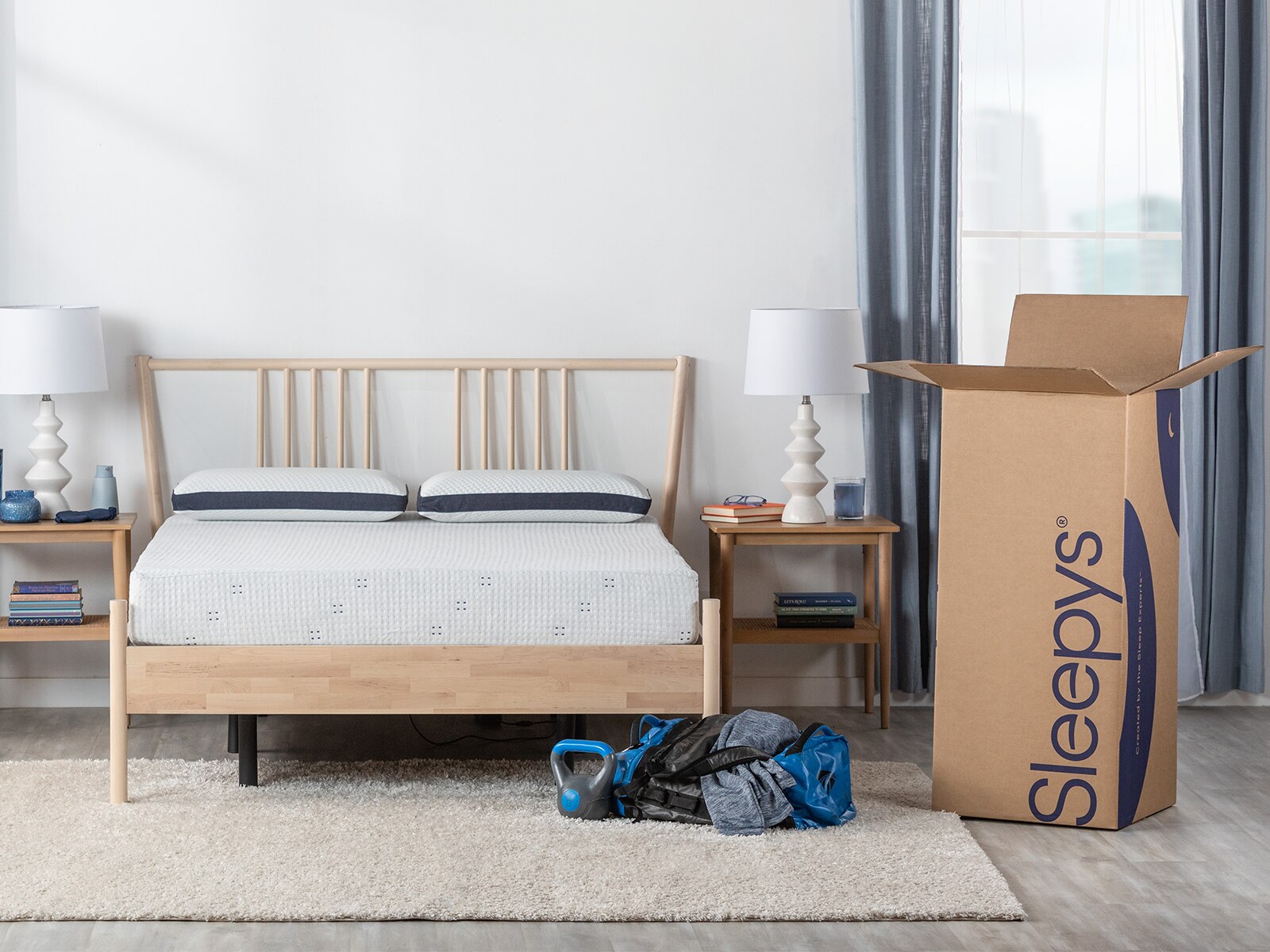
Comfortable memory foam mattresses use viscoelastic foam to contour around the body, distribute weight and help relieve pressure at areas such as the shoulders and hips. Rather than pushing back with a springy feel, memory foam gradually compresses beneath you, creating a close, cushioned surface. That contouring can make a difference when a shoulder feels crowded against a firmer bed or when you want cushioning that follows the curve of your waist. Most memory foam mattresses combine a softer comfort layer with a sturdier support core, although the number, thickness and composition of those layers vary. The comfort layers shape the initial feel, while the underlying structure helps keep the body from sinking too deeply. All-foam designs typically use a dense foam base; hybrid designs pair foam comfort layers with coils for a different balance of contouring, responsiveness and airflow. Both constructions can include memory foam, so the material alone does not describe the entire mattress. Traditional memory foam often has a slow, settling feel, while other formulations respond more quickly when you change positions. Gel-infused foam, perforated layers and breathable covers are additional features that can influence how a mattress manages heat and moisture, but no single feature guarantees a cooler sleep surface throughout the night. The full construction, along with your bedding and sleepwear, contributes to that experience. Memory foam also absorbs movement, which can help limit the disturbance when a partner rolls over or gets into bed later. Motion isolation varies by design, and it does not eliminate every movement, especially along the edges. For sleepers who enjoy a gently cradled sensation rather than a buoyant surface, these materials offer a distinctive combination of cushioning and stability. The most comfortable option is not necessarily the softest one; it is the construction that gives your body enough room to settle while maintaining steady support.
Firmness, sleeping position and body size all influence how a memory foam mattress feels once you lie down. Side sleepers often appreciate enough cushioning for the shoulders and hips to settle without leaving the waist unsupported. Back sleepers may prefer a more balanced surface that follows the lower back without allowing the pelvis to sink too far, while stomach sleepers generally need firmer support beneath the midsection. These are starting points, not fixed rules: the same mattress can feel firmer to a lighter sleeper and softer to someone who places more weight on its surface. Plush, medium and firm labels are useful comparisons, but their meaning can vary between constructions. For a feel between deeply cushioned and distinctly firm,
Medium Comfort Gel Memory Foam Mattresses bring together a middle-range comfort description and gel-infused memory foam, with the overall experience still depending on the layers beneath the surface. Couples may also want to consider how easily each person can turn over and whether the perimeter feels stable when sitting down to put on shoes. A slower-response surface can feel pleasantly enveloping, but someone who changes positions frequently may prefer memory foam paired with more responsive materials. Mattress dimensions matter just as much as feel. A queen can suit many shared bedrooms, while a king offers additional room for partners who prefer more personal space. A twin or Twin XL may fit a smaller bedroom, with the latter providing extra length. Measure the room, bed frame and delivery path rather than relying on the size name alone. Mattress height also affects everyday fit, from whether existing sheets reach the corners to how comfortably your feet meet the floor when you sit at the edge. For an adjustable base, compatibility should be confirmed rather than assumed. A mattress that fits your sleeping habits, furniture and daily routine is more likely to feel comfortable beyond the first impression.
Materials and care help determine how well a memory foam mattress maintains that comfort over time. Foam density, layer thickness, support-core quality and construction all play a role in durability, and density should not be confused with firmness. A denser foam is not automatically firmer, just as a taller mattress is not automatically more supportive. A stable, compatible foundation helps the layers perform as intended; an uneven base or widely spaced supports can contribute to sagging or an inconsistent feel. Follow the mattress manufacturer’s requirements for the frame, foundation and any center support, particularly on larger sizes. A properly fitted mattress protector helps guard against spills and everyday moisture without leaving loose fabric that bunches beneath the sheets. Cleaning should follow the care label, since a removable cover is not necessarily machine washable. Avoid saturating the foam, and allow any permitted spot cleaning to dry fully before replacing bedding. Many layered mattresses are designed for use on one side and should not be flipped unless the manufacturer specifically allows it. Rotation may be recommended for some designs to help distribute wear, but that guidance varies. It is also worth paying attention to changes that persist after the bed is unoccupied, such as visible indentations or an uneven sleeping surface, rather than judging condition by age alone. For a primary bedroom, consistent support and comfortable movement may be the priorities; in a guest room, a balanced feel can help accommodate visitors with different preferences. A growing child moving to a larger bed may need a different size and firmness than an adult replacing a mattress that no longer feels supportive. Across these settings, memory foam offers contouring comfort without requiring an especially plush feel. Thoughtful construction, an appropriate base and straightforward care help preserve the qualities that matter most: a surface that cushions pressure, supports a comfortable position and feels welcoming at the end of the day.