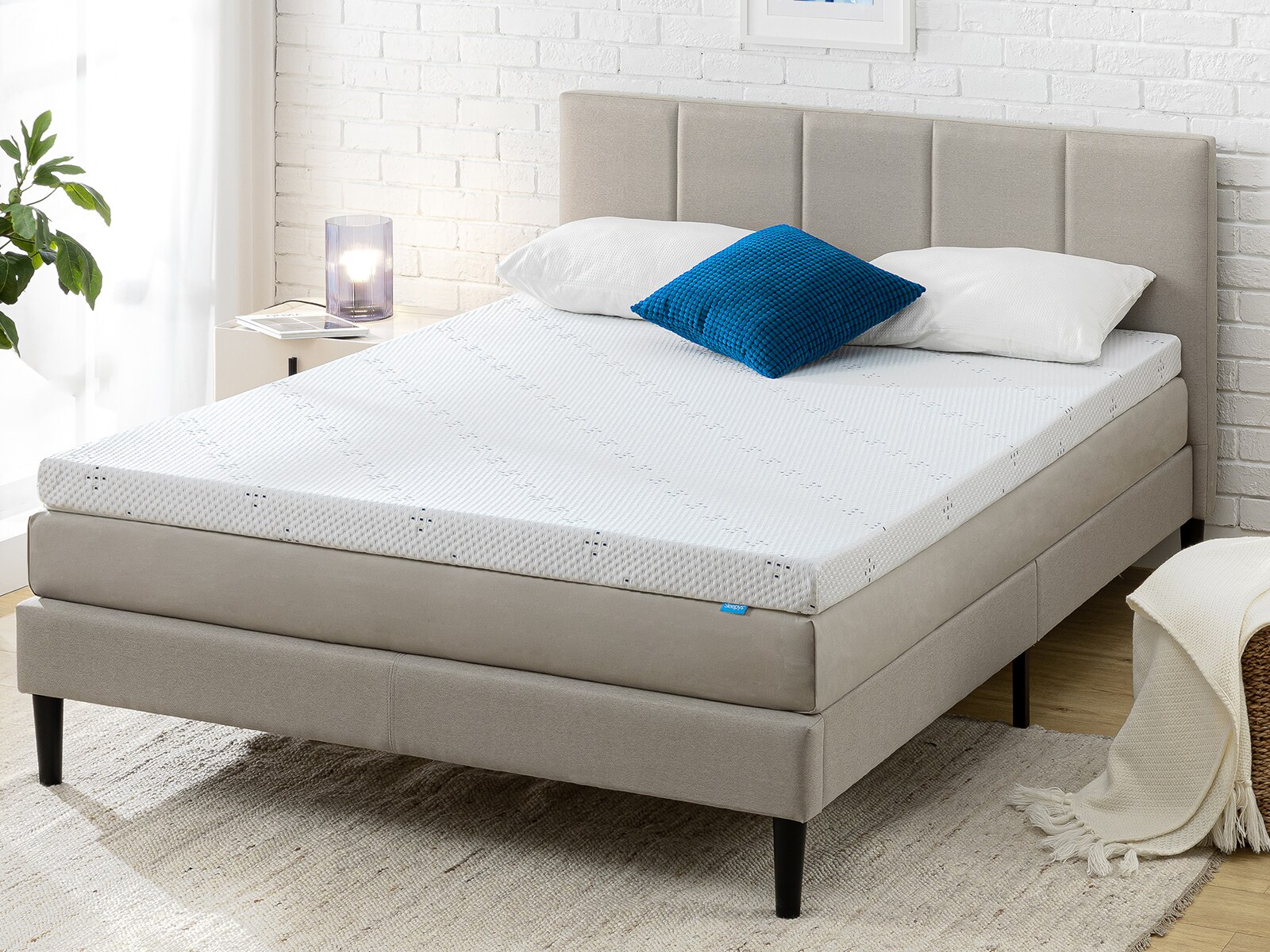
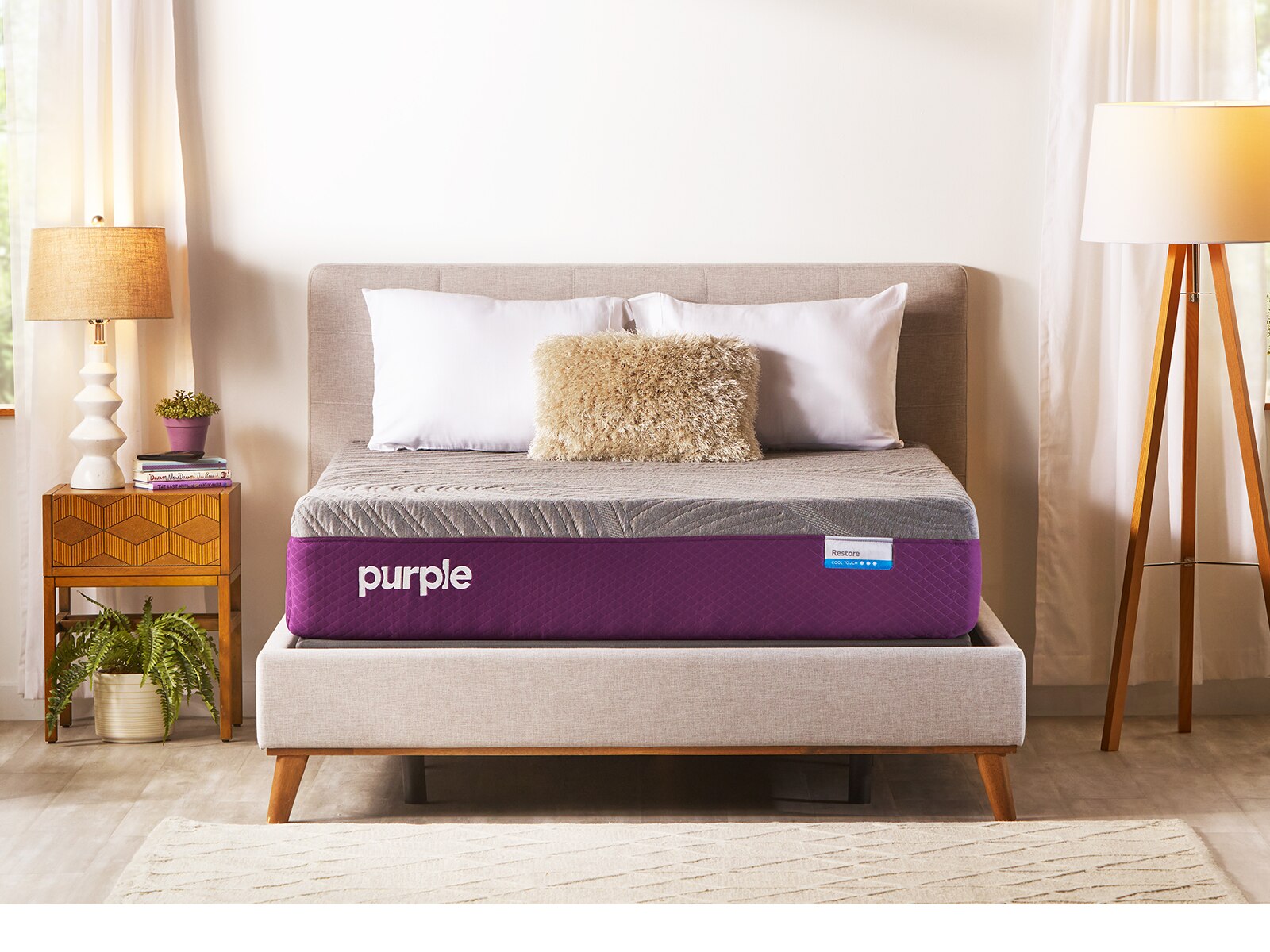
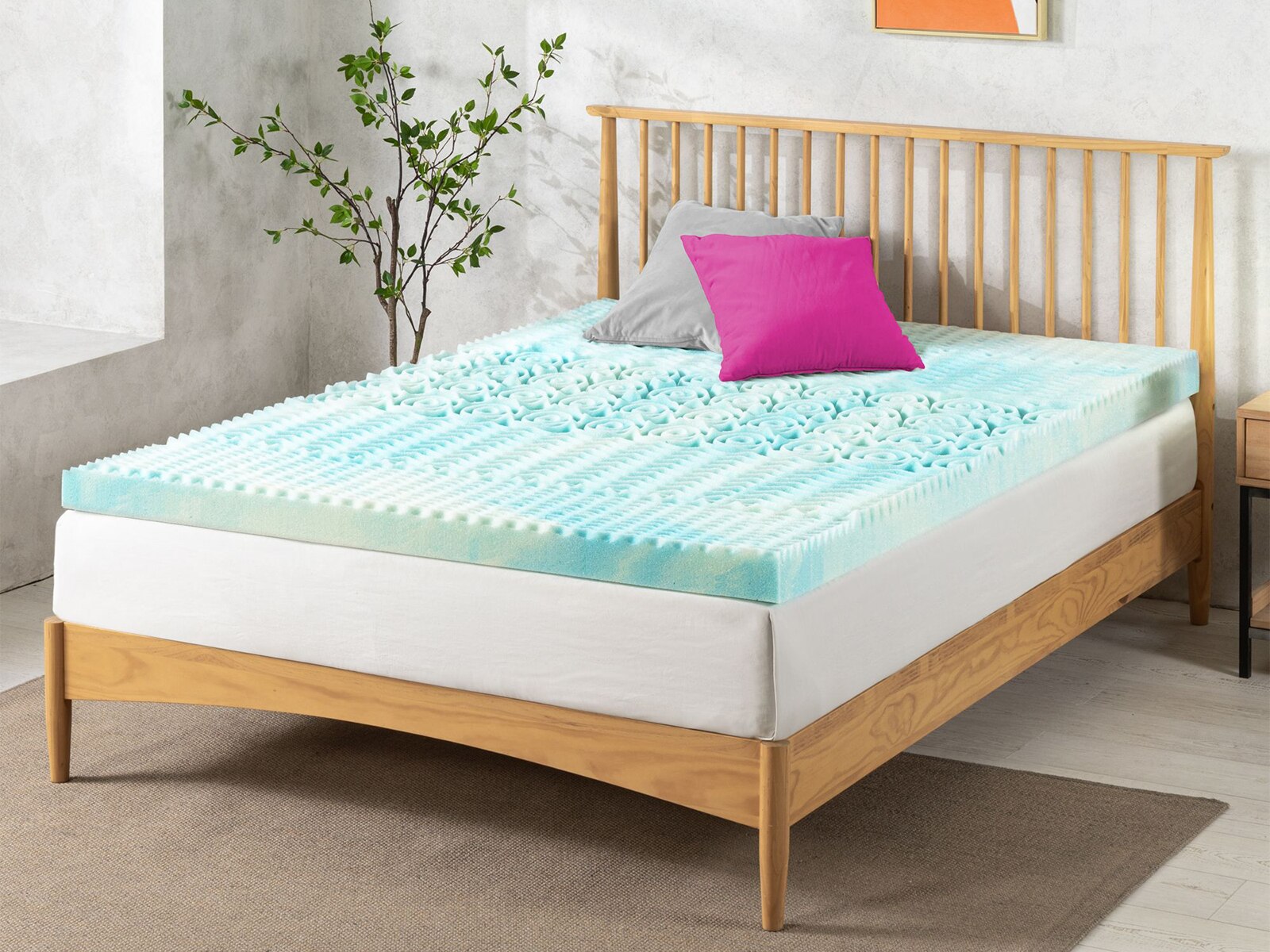
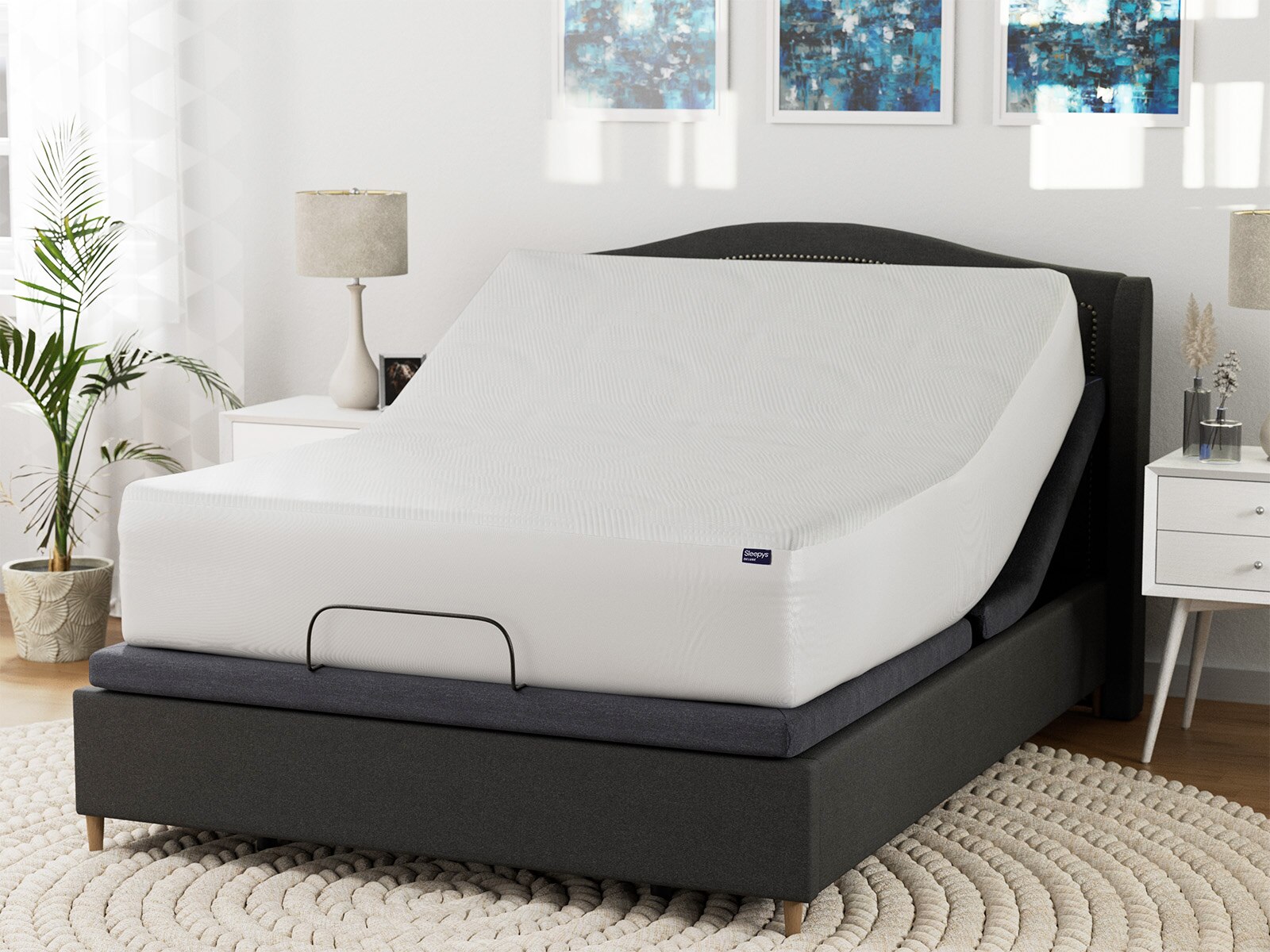
Memory foam toppers for night sweats are designed to add cushioning to a mattress, but their suitability for a warm sleeper depends on more than a cooling label. Traditional memory foam closely follows the body’s contours, creating a cradled feel that can ease pressure around the shoulders and hips. That close contact can also hold warmth near the skin, especially when the foam has limited airflow or allows the sleeper to sink deeply into the surface. For someone who wakes with a damp pillowcase or moisture beneath their back, construction matters as much as softness. Open-cell foam and ventilation channels can allow air to move more freely than a tightly structured foam design, while perforations create additional pathways through the material. Gel infusions and phase-change materials are other features associated with cooling toppers, although they work differently. Gel-infused foam may help distribute heat, depending on its construction, while phase-change materials absorb and release heat within a particular temperature range. Neither feature guarantees that a topper will stay cool throughout the night, and a surface that feels cool at bedtime may gradually warm after prolonged contact with the body. The most useful distinction is between managing heat and managing moisture: foam construction influences warmth and cushioning, while the fabric touching the sleeper plays a larger role in moving perspiration away from the skin. A memory foam topper does not stop sweating or treat its cause. Its purpose is to adjust the feel of an existing mattress, with certain designs offering features that may make the sleeping surface more comfortable for people who run warm. Side sleepers may appreciate the way memory foam cushions a shoulder, while back sleepers may prefer gentler contouring that does not let the hips settle too deeply. For a person who enjoys the pressure relief of memory foam but dislikes feeling enclosed by it, a less enveloping design with breathable construction may be a better match than a thick, deeply cradling layer.
The cover and surrounding bedding help determine how a memory foam topper feels after several hours, not just during the first few minutes in bed. A moisture-wicking cover moves perspiration through the fabric so it can spread and evaporate more readily; it does not necessarily absorb large amounts of liquid or make the foam beneath it washable. Breathable fabrics support air exchange, while moisture-wicking performance depends on the fibers, fabric construction and any applied finish. Cotton can absorb moisture, for example, but may remain damp when it becomes saturated. Some performance fabrics are engineered to move moisture and dry more quickly, although their feel against the skin varies. Comparing cover details alongside foam construction gives a clearer picture than relying on either feature alone. For shoppers whose main concern is dampness rather than warmth alone,
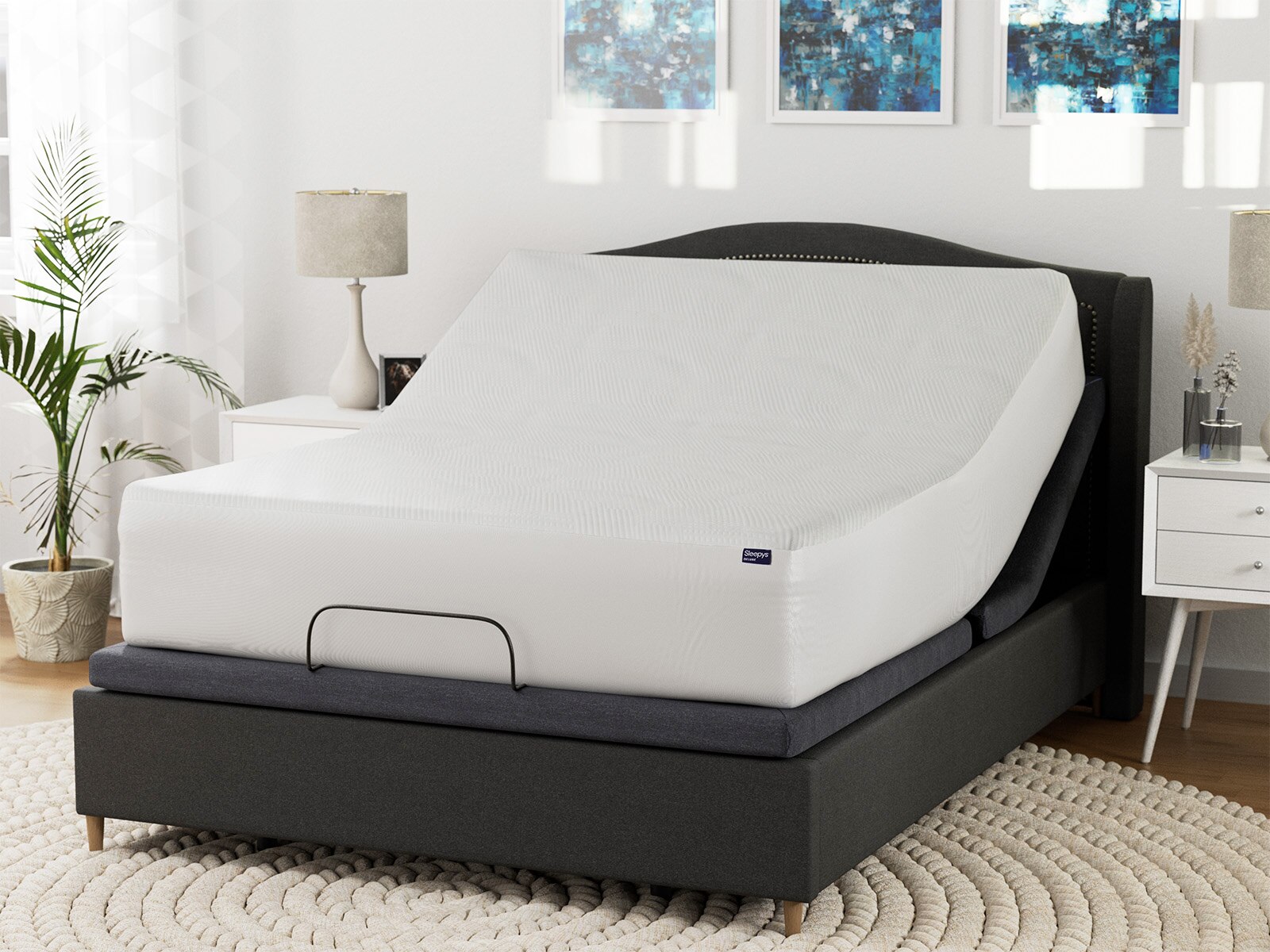
Moisture Wicking Mattress Toppers For Night Sweats offers a related category to consider alongside memory foam designs. Fit is equally practical: a topper should match the mattress dimensions, sit flat across the surface and work with the fitted sheet’s pocket depth. Adding a topper changes the total height of the bed, so a sheet that previously fit snugly may pull loose at the corners. Thickness also changes the sleeping experience. A thinner layer generally makes a subtler adjustment to the mattress beneath it, while a thicker layer allows more contouring and may create greater body contact. Thickness alone does not establish firmness, breathability or quality, however. Foam formulation, density and the sleeper’s body weight all influence the result. Someone who changes positions often may prefer a surface that permits easier movement rather than a pronounced sinking sensation. Couples may also need to balance different preferences, particularly when one partner wants plush cushioning and the other wants less warmth around the body. Secure corner straps or a slip-resistant underside can help limit shifting, but compatibility with the mattress and any adjustable base should be checked in the care and use information.
Everyday care is especially important when perspiration is a regular concern. A removable, washable cover can make routine cleaning simpler, provided its washing and drying instructions suit the household’s laundry routine. The foam core usually requires different care from its cover: many memory foam toppers should only be spot-cleaned and should not be soaked, machine-washed or exposed to high heat. After cleaning, the material needs to dry completely before bedding goes back on, since trapped moisture can contribute to odors and damage. A breathable mattress protector may help shield the topper from perspiration, but it adds another layer between the sleeper and the foam. Waterproof protection and breathability are separate characteristics, so the protector’s construction matters; a heavy or poorly ventilated layer can change the feel of an otherwise breathable setup. Lightweight sheets and bedding that release heat and moisture can complement the topper without burying it beneath multiple insulating layers. Durability depends on foam quality, use, care and the condition of the mattress underneath. Density can influence resilience, but it is not the same as firmness and does not, by itself, establish cooling performance. A topper needs a sound, supportive mattress beneath it; extra cushioning cannot repair deep sagging, broken components or an uneven sleep surface. Over time, persistent impressions, crumbling foam or a noticeable loss of cushioning can signal that the topper is no longer performing as intended. For someone giving a topper as a practical comfort gift, confirming mattress size, preferred firmness and laundry needs is more helpful than choosing by thickness alone. Most importantly, cooling bedding is a comfort measure rather than a medical solution. Frequent, new or drenching night sweats, particularly with other symptoms, deserve discussion with a healthcare professional. A well-matched memory foam topper can improve cushioning and help manage the feel of the sleep surface while keeping expectations about heat and moisture realistic.