Moisture-wicking comforters for night sweats are designed to help move perspiration away from the body and spread it through fabric so it can evaporate more readily. That moisture movement matters when bedding starts to feel damp against the shoulders, back or legs, even though the sleeper still wants the reassuring coverage of a comforter. Wicking, absorbency and breathability describe different qualities: wicking moves liquid through a material, absorbency allows it to take in moisture, and breathability helps air and moisture vapor pass through. A comforter that balances these qualities can support a drier, less clammy sleep environment, although performance also depends on its fill, construction and surrounding bedding. The outer shell is especially important because it sits closest to the sleeper or duvet cover. Lyocell and viscose made from bamboo can offer a smooth feel and absorb moisture, while specially engineered polyester or nylon fabrics may use fiber shapes, yarn construction or finishes to help disperse perspiration. Fiber names alone do not establish how effectively a finished comforter will manage moisture; fabric weight, weave and treatments also influence the result. Cotton shells can feel soft and breathable, but cotton that becomes saturated may remain damp longer than some quick-drying performance fabrics. For someone who wakes with a damp neckline or repeatedly pushes the covers aside, lightweight coverage with effective moisture transfer may feel more comfortable than a thick comforter that holds warmth close. A cool-to-the-touch surface provides a different benefit: it draws heat from the skin at initial contact, but that sensation does not necessarily indicate lasting moisture control. Comforters described as both cooling and moisture-wicking deserve consideration on each quality separately. These distinctions are useful for adults who naturally sleep warm, partners with different comfort preferences and people experiencing occasional nighttime perspiration who want bedding that feels less heavy and easier to settle beneath.
The fill and stitching shape how a moisture-wicking comforter feels through the night, not just when a hand first brushes its surface. Lofty fill creates insulating air pockets, so a thick, cloudlike appearance does not automatically translate into better comfort for a sleeper managing perspiration. Lower-loft construction can provide a gentler layer of warmth without the bulk that makes folding back the covers feel necessary. Wool fill can absorb moisture vapor and release it as conditions allow, while silk fill often creates a flatter, lightly draping layer. Polyester fills vary widely in density, fiber structure and drying performance, making the complete construction more informative than the fill name alone. Down provides substantial insulation for its weight, but that warmth may not suit someone whose main concern is overheating beneath the covers. Any fill can feel less comfortable when paired with a dense shell or several additional layers that restrict moisture movement. Quilted channels and evenly spaced stitching help keep fill distributed, reducing the bunching that can leave one section thick and another nearly empty. Secure seams and consistent stitching also matter over repeated use, particularly when the comforter needs frequent laundering. Fit affects comfort in equally practical ways. Mattress size provides a starting point, but the comforter’s actual measurements determine whether it reaches past a deep mattress, covers the feet comfortably or leaves enough fabric for two sleepers to turn over without pulling it away from each other. On a shared queen or king bed, generous coverage can reduce tugging, although excessive overhang adds fabric that some sleepers find cumbersome. A lighter comforter that drapes close to the body may suit someone who prefers a tucked-in feeling, while a less conforming construction can leave more space around the legs. Surface texture deserves attention, too: smooth fabrics glide easily over pajamas, whereas a brushed finish feels more plush. Neither texture guarantees moisture management, but each changes the everyday experience of getting comfortable and moving beneath the bedding.
Care requirements are particularly important for comforters used during night sweats because regular cleaning helps remove perspiration, body oils and residue that can affect fabric feel. A machine-washable construction can simplify upkeep, provided the comforter fits comfortably in the washer and the care label permits the intended cycle. Oversized bedding needs enough room to move through wash water and dry thoroughly; crowding it into a small drum can leave detergent behind or prevent the fill from drying evenly. Some wool, silk and specialty constructions require different care, so cleaning needs are worth weighing alongside softness and weight. Fabric softeners can interfere with the performance of some moisture-managing textiles, and excessive heat may damage certain fibers or finishes. Following the label’s washing and drying directions helps preserve both the shell and the fill. A comforter should be completely dry before it returns to the bed or goes into storage, with attention to thicker seams and quilted sections where moisture can linger. A removable duvet cover can make routine cleaning easier, though a heavy or tightly constructed cover may change how the comforter breathes and feels. The rest of the bed matters as well. Lightweight, breathable sheets and sleepwear give perspiration fewer dense layers to travel through, while an additional thick blanket can work against the lighter feel a sleeper is seeking. Bedding beneath the body also influences comfort;
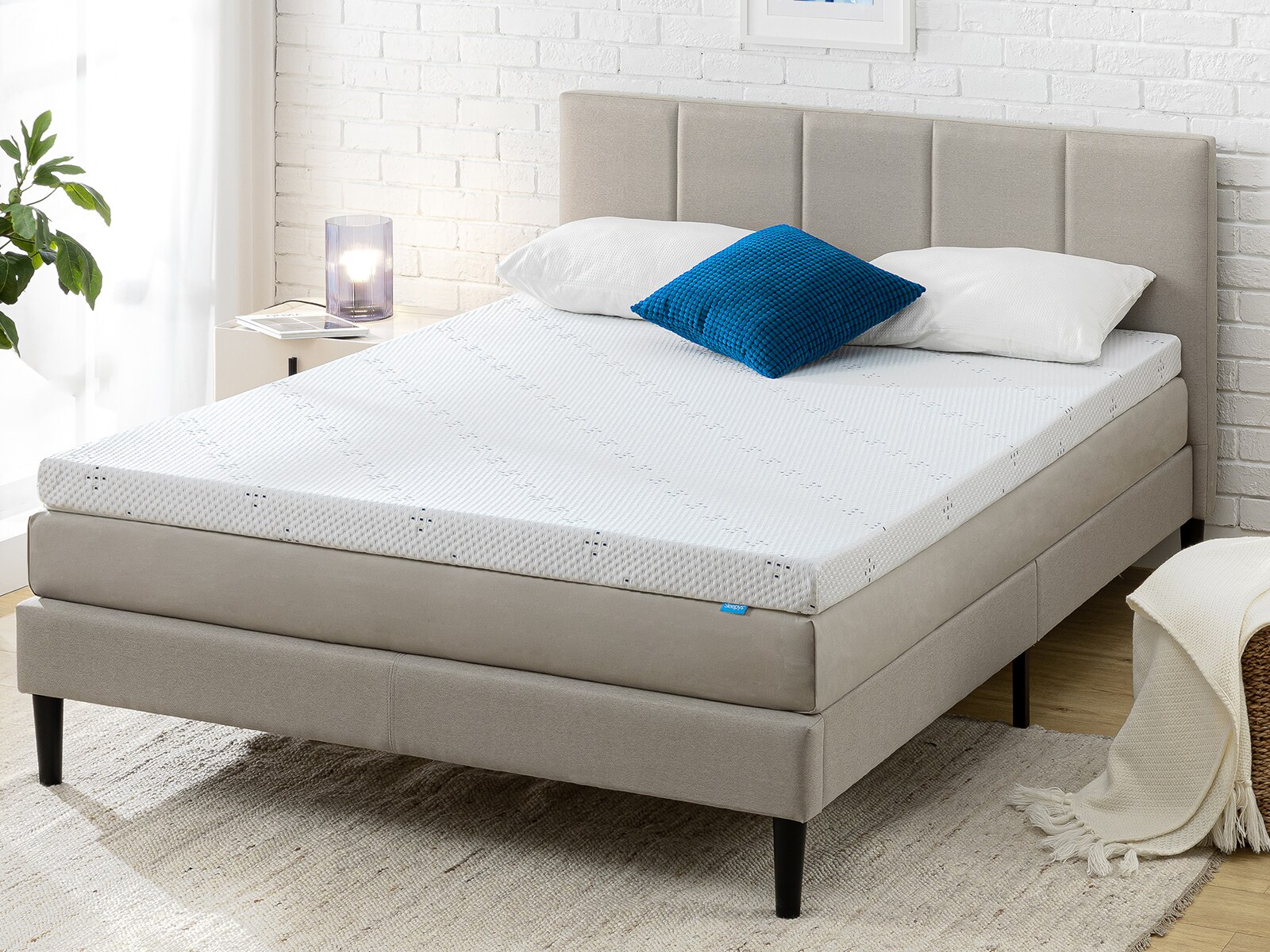
Moisture Wicking Mattress Toppers For Night Sweats address another layer where dampness can become noticeable. Coordinating these layers is often more useful than expecting one comforter to compensate for an otherwise heavily insulated bed. For a shared bedroom or a thoughtfully chosen housewarming gift, washable bedding with a familiar texture and manageable weight can be a practical choice when the recipient’s preferences are known. Moisture-wicking bedding supports comfort rather than treating the cause of night sweats. Persistent, drenching or unexplained sweating warrants a conversation with a healthcare professional, especially when it occurs with other symptoms.