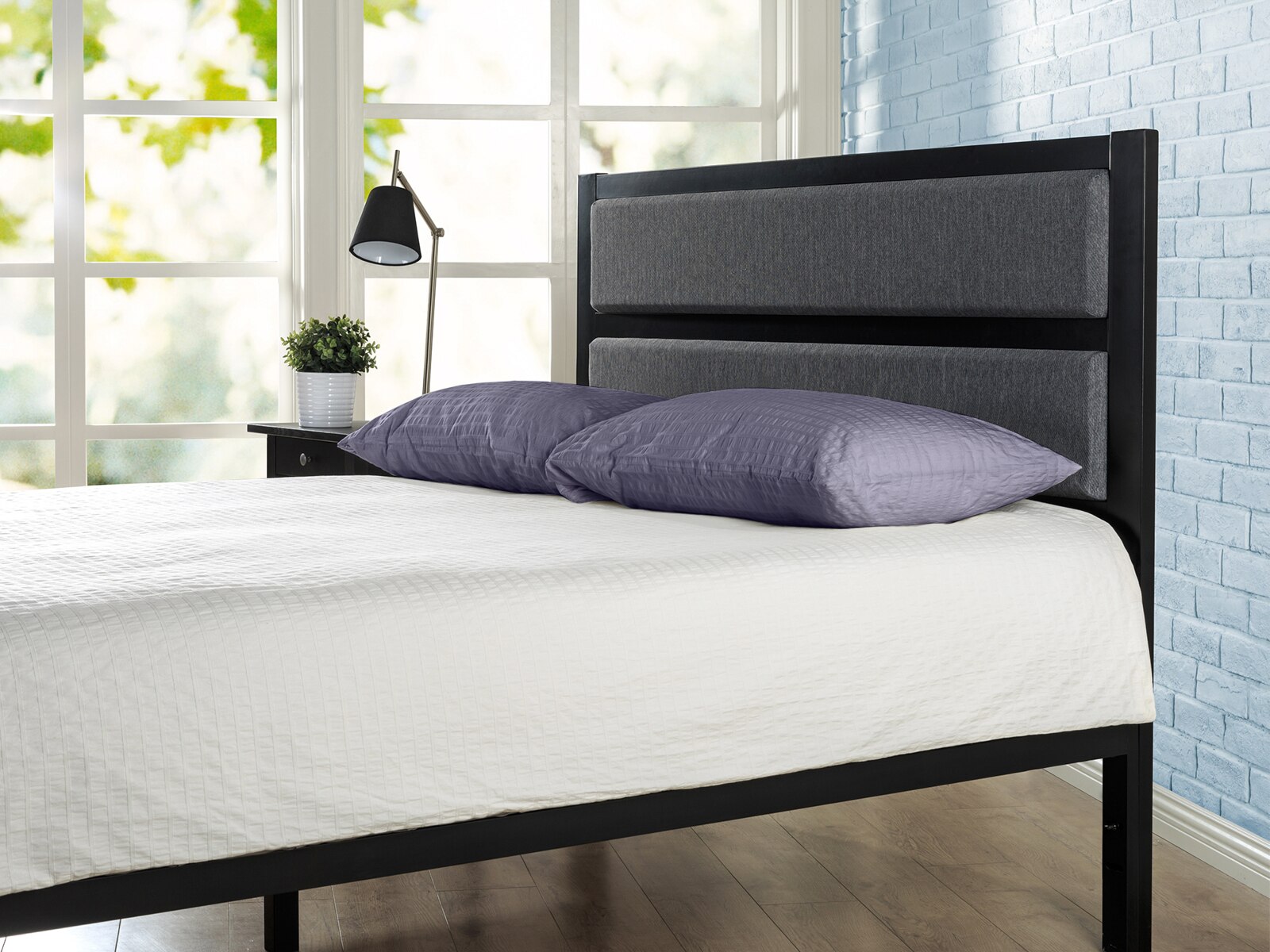
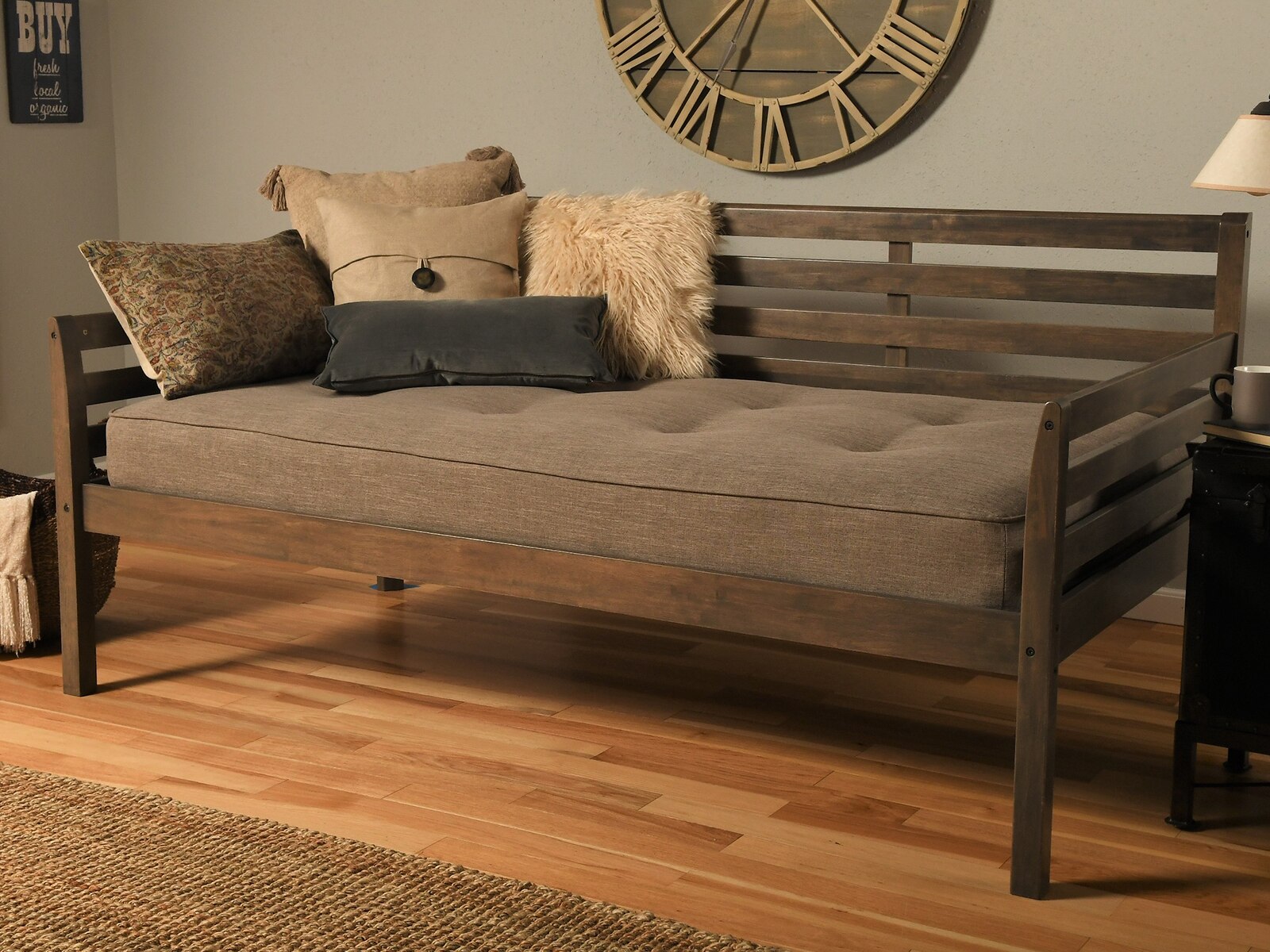
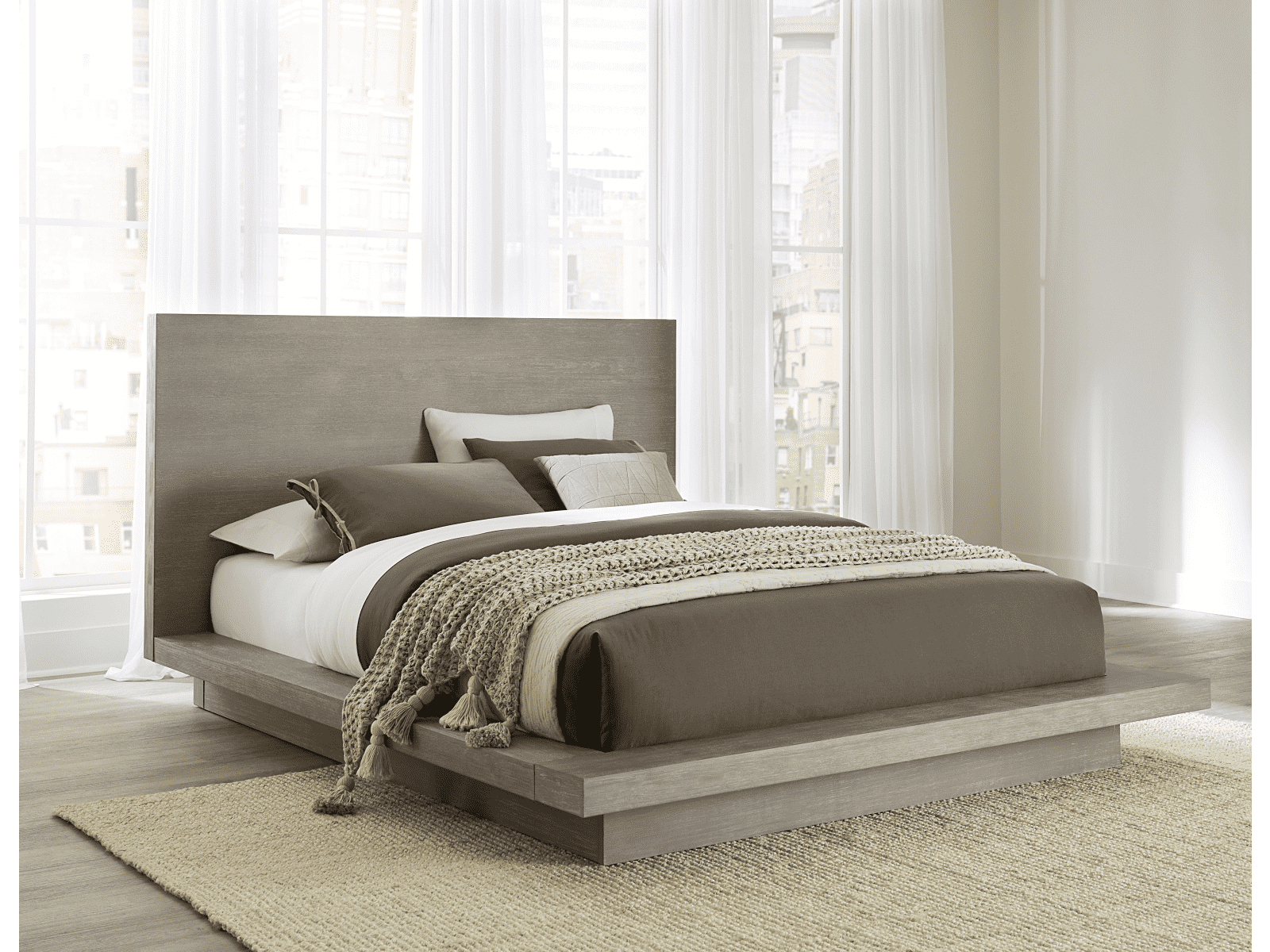
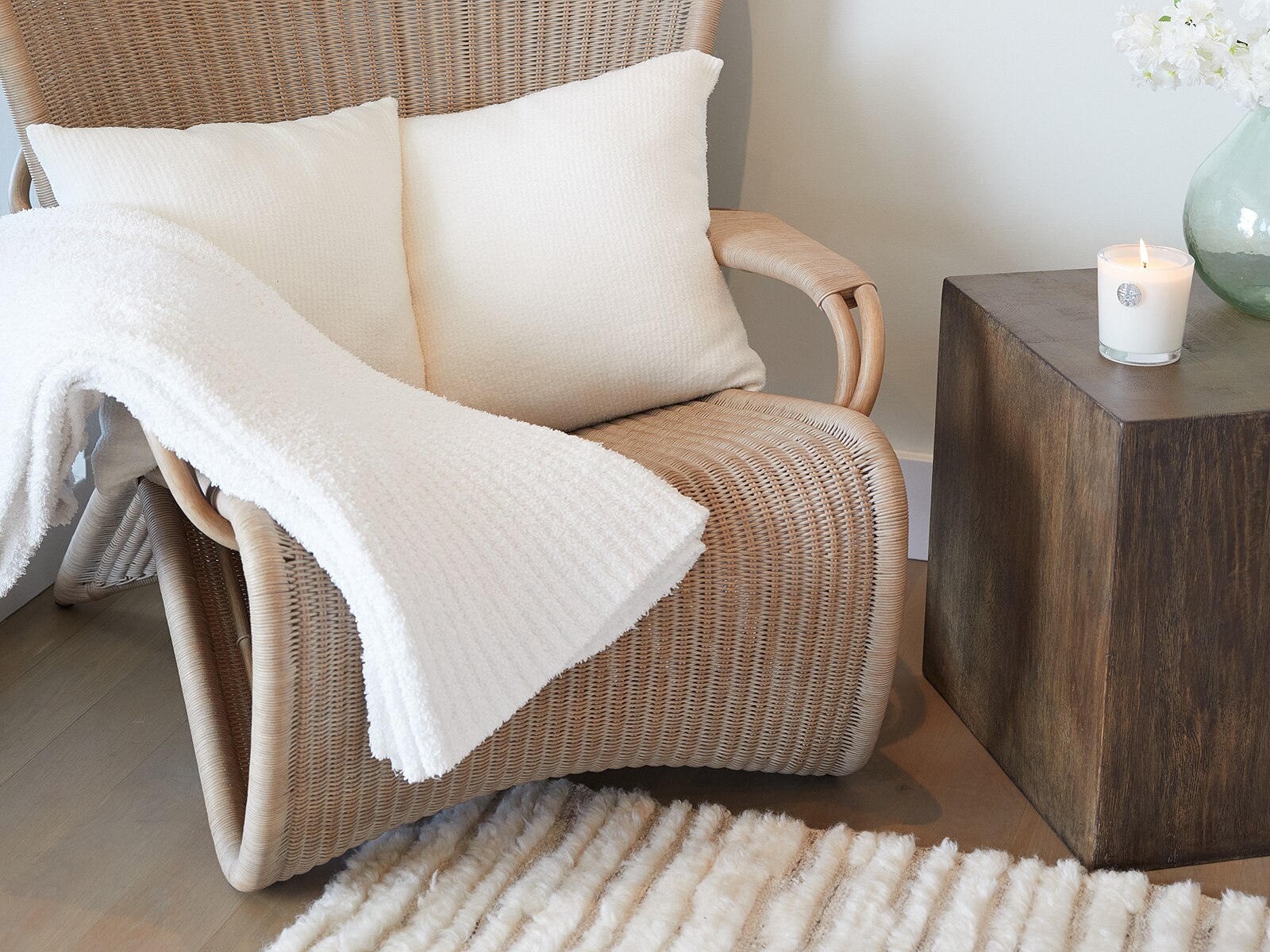
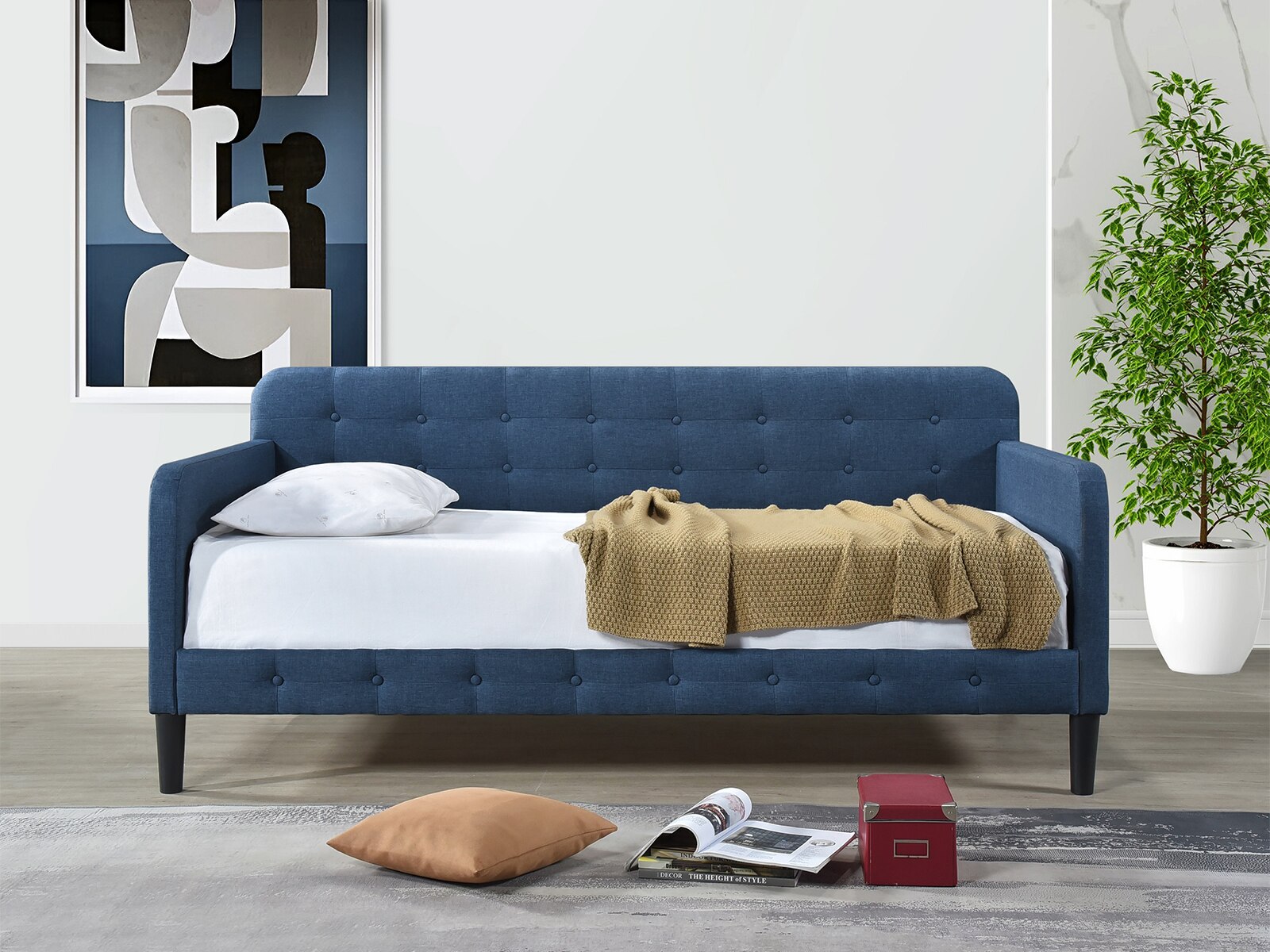
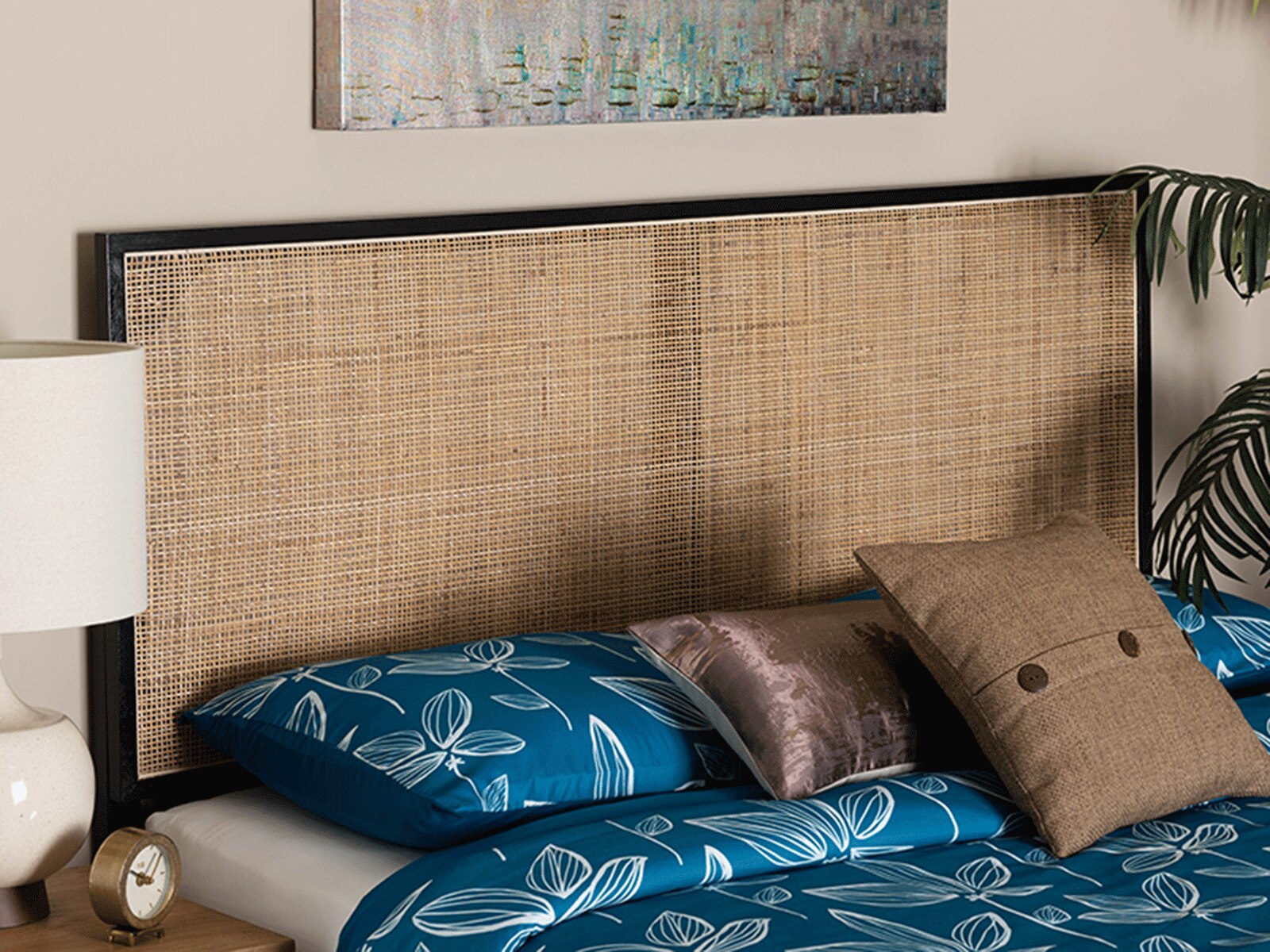
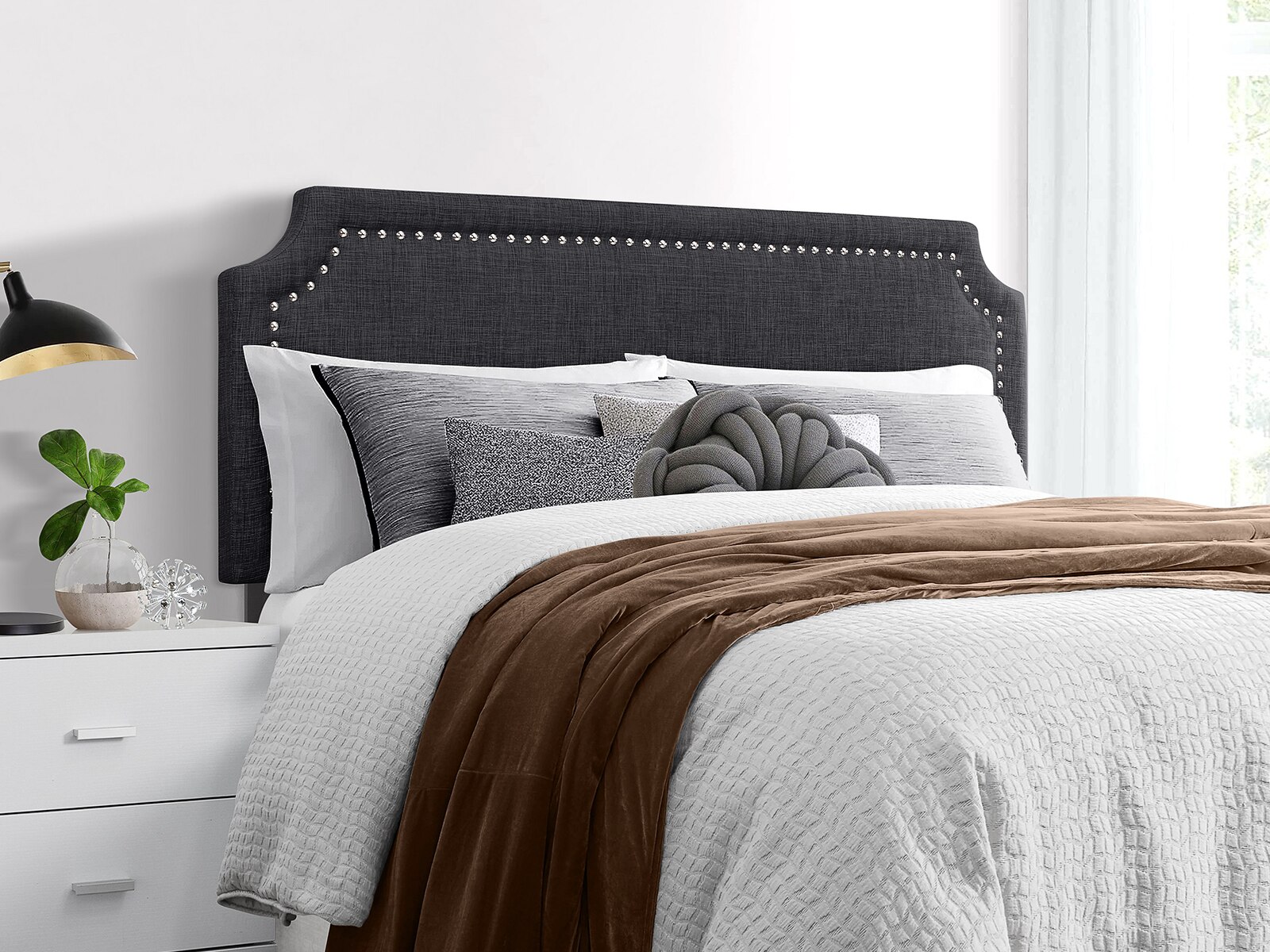
Modern home decor brings together clean lines, useful design and a sense of ease. Rather than filling a room with objects, the modern approach focuses on choosing pieces that support the way you live while giving the space a clear, considered look. Warm neutrals such as soft cream, beige and light gray create a versatile foundation, while accents in olive green, teal, rust or deep brown add personality without overwhelming the room. Natural materials help keep streamlined interiors from feeling cold. Wood brings visible grain and warmth, stone adds quiet texture, and woven fabrics soften harder surfaces. Organic curves can be especially effective in rooms with strong architectural lines, helping a space feel more relaxed and inviting. A rounded table, gently curved seating or an arched accent can break up a boxy layout and make movement through the room feel more natural. When arranging furniture, try pulling seating slightly away from the walls to form an intimate conversation area, even in a compact space. Leave enough room to walk comfortably around the grouping and choose proportions that suit the room rather than simply selecting the largest available piece. A smaller home may benefit from furnishings with a lighter visual profile, while a spacious room can support larger sculptural forms and layered arrangements. These modern home decor ideas can be adapted to an apartment, a first home, a guest space or a family room that needs to feel polished without becoming precious. For a related approach built around simplicity and restraint, explore
Modern Minimalist Decor.
Lighting has as much influence on modern home decor as color or furniture placement. A single bright overhead fixture can make a room feel flat, while several sources at different heights create depth and a more comfortable atmosphere. Combine ambient light that fills the room with focused light for reading, working or highlighting a favorite corner. Floor lamps, wall-mounted fixtures and sculptural ceiling lights can serve practical purposes while also acting as visual anchors. Choose shades and finishes that connect with other details in the room, such as wood tones, metal accents or the warm colors found in nearby textiles. In a bedroom, gentle lighting near the bed can make the transition to sleep feel calmer, while a well-placed lamp in a living area can support conversation during the cooler months when evenings begin earlier. Textiles are another simple way to make modern spaces feel lived in. Layer smooth and nubby fabrics, crisp cottons with soft knits, or a low-pile surface with a more tactile throw. Keep the palette related rather than perfectly matched so the room looks collected over time. Decorative accents work best when they have breathing room around them. A piece of abstract art, a geometric wall accent or a cluster of greenery can give an empty wall or corner purpose, but too many small items may make a clean design feel cluttered. Plants are especially useful because their varied shapes and natural color bring energy to neutral rooms. Place them where they receive suitable light and where their form can be appreciated, such as beside a window, near an open shelf or in an otherwise unused corner. As the weather warms, lighter layers and fresh greenery can make a room feel airy. During cooler months, deeper accents, textured throws and softer illumination add comfort without requiring a complete redesign.
When selecting modern decor, consider function, scale, maintenance and how each piece will work with what you already own. Measure the available area before purchasing, including doorways and routes used to bring larger furnishings into the room. Pay attention to height as well as width; a low arrangement can make a room feel open, while taller elements draw the eye upward and help balance high ceilings. In homes with children, pets or frequent guests, durable, easy-care materials may be more valuable than delicate finishes. If the space serves more than one purpose, look for flexible pieces that can support reading, relaxing, entertaining or overnight guests without making the room feel crowded. Color is worth considering in natural and artificial light, since a shade that looks soft in the afternoon may appear noticeably different under a warm lamp. Samples, swatches and photographs taken at different times of day can help prevent surprises. Modern decor can also make a thoughtful gift for someone settling into a new home, refreshing a first apartment, creating a guest room or preparing a more welcoming space for family visits. Decorative lighting, versatile textiles, natural accents and functional furnishings are personal without requiring intimate knowledge of someone's exact taste when you choose quiet shapes and adaptable colors. The most successful rooms rarely look as if every element was purchased at once. They develop through useful choices, meaningful details and a balance between structure and comfort. Start with the parts of the room that need the most support, then add accents that make everyday routines feel more pleasant. A well-arranged modern space should be easy to move through, restful at the end of the day and welcoming whenever someone walks through the door.